Everything You Should Know About Car Gas Filling Machine
A car gas filling machine is a fuel dispensing device used to fill vehicles with gasoline or diesel. This guide covers how these machines work, the different types available, and tips for choosing the right one. Whether you own a gas station or want a portable option, this article has you covered.
Have you ever wondered how fuel gets from a big storage tank into your car? The answer lies in a car gas filling machine. These machines are the backbone of every gas station and fuel depot. They make sure your vehicle gets the right amount of fuel quickly and safely.
Whether you run a gas station or simply want a portable option for your garage, understanding how these machines work is essential. In this guide, we will walk you through everything you need to know. From the basic mechanics to choosing the right model, we have got you covered. Let us dive in and explore the world of fuel dispensing equipment together.
Key Takeaways
- Understanding the Basics: A car gas filling machine delivers fuel from a storage tank to your vehicle’s fuel tank safely and efficiently.
- Multiple Types Available: You can choose from portable, desktop, and automated machines depending on your needs.
- Key Benefits: These machines save time, reduce fuel waste, and offer precise measurement for every fill-up.
- Choosing the Right Machine: Consider flow rate, fuel type compatibility, and safety features before buying.
- Maintenance Matters: Regular cleaning and inspection keep your machine running smoothly for years.
- Safety First: Always follow safety guidelines to prevent spills, fires, and equipment damage.
📑 Table of Contents
- What Is a Car Gas Filling Machine?
- How Does a Car Gas Filling Machine Work?
- Types of Car Gas Filling Machines
- Benefits of Using a Car Gas Filling Machine
- How to Choose the Right Car Gas Filling Machine
- Quick Tips for Using Your Car Gas Filling Machine
- Common Mistakes to Avoid
- Expert Insights on Fuel Dispensing
- Maintenance Guide for Your Car Gas Filling Machine
- Conclusion
What Is a Car Gas Filling Machine?
A car gas filling machine is a device designed to dispense fuel into a vehicle’s tank. It connects to a fuel source, measures the amount of fuel delivered, and controls the flow. These machines come in many shapes and sizes. Some are large and stationary, while others are small and portable.
The main job of a fuel filling machine is to transfer gasoline or diesel from a storage container to a car. But it does more than just pour fuel. It ensures accuracy, safety, and efficiency. Without these machines, refueling vehicles would be messy, slow, and unreliable.
You will find car gas filling machines at gas stations, trucking depots, and even in home garages. They serve a wide range of vehicles, from small cars to large trucks. The basic design has stayed similar for decades, but modern versions are far more advanced.
Key Components of a Car Gas Filling Machine
Every automotive fuel system has a few essential parts. Understanding these helps you use the machine better. Here are the main components:
- Fuel Tank: This stores the fuel before dispensing. It can be above ground or underground.
- Pump: The pump moves fuel from the tank through the hoses. It creates the pressure needed for dispensing.
- Nozzle: The nozzle is the part that goes into your car’s tank. It controls the fuel flow and stops automatically when the tank is full.
- Flow Meter: This measures exactly how much fuel you are pumping. It ensures you pay for only what you get.
- Hose: The flexible pipe connects the machine to the nozzle. It carries fuel safely from the pump to the vehicle.
- Control Panel: This is the user interface. It lets you set the amount, start the pump, and monitor the process.
How Does a Car Gas Filling Machine Work?
The working process of a fuel dispensing system is simple but clever. Let us break it down step by step so it is easy to understand.
- Fuel Storage: The machine connects to a fuel source. This could be an underground tank or a large above-ground container.
- Pumping: When you start the machine, the pump activates. It pushes fuel through the hose toward the nozzle.
- Flow Control: The flow meter tracks how much fuel moves through the system. It ensures accuracy down to the last drop.
- Nozzle Activation: You place the nozzle into your car’s fuel opening. Squeezing the handle starts the fuel flow.
- Automatic Shutoff: When the tank is full, the nozzle automatically stops. This prevents overfilling and spills.
- Measurement Display: The control panel shows the total amount dispensed. You can verify the quantity before finishing.
Modern car gas filling machines use electronic sensors and digital displays. This makes the process faster and more precise than older mechanical models. The entire cycle takes just a few minutes for most vehicles.
The Role of the Nozzle in Fuel Transfer
The nozzle is the most important part of the fuel filling machine from a user’s perspective. It is the bridge between the machine and your car. A good nozzle ensures a smooth, drip-free fuel transfer. It also has a special venturi mechanism that triggers the automatic shutoff.
When you insert the nozzle into your tank, the venturi creates a vacuum. As the tank fills with fuel, the vacuum changes. Once the fuel reaches the nozzle opening, the vacuum breaks. This triggers the shutoff mechanism instantly. It is a simple but brilliant design that has kept drivers safe for decades.
Types of Car Gas Filling Machines
Not all fuel dispensing equipment is the same. Different machines serve different purposes. Let us look at the main types available on the market today.
1. Portable Fuel Filling Machines
A portable fuel pump is perfect for home use or small businesses. These machines are lightweight and easy to move around. They run on electricity or battery power. You can use them to fill up your car in a garage or on a farm.
Portable machines usually have a smaller tank capacity. They work best for personal vehicles and light-duty applications. If you need something flexible and easy to store, this is a great choice.
2. Desktop Fuel Dispensers
A desktop fuel dispenser sits on a table or counter. It is more powerful than a portable unit but still compact. These machines are common in small repair shops and fleet depots.
Desktop dispensers offer better accuracy and higher flow rates. They can handle multiple fuel types with the right attachments. Many come with digital screens and programmable settings for precise fueling.
3. Automated Gas Station Dispensers
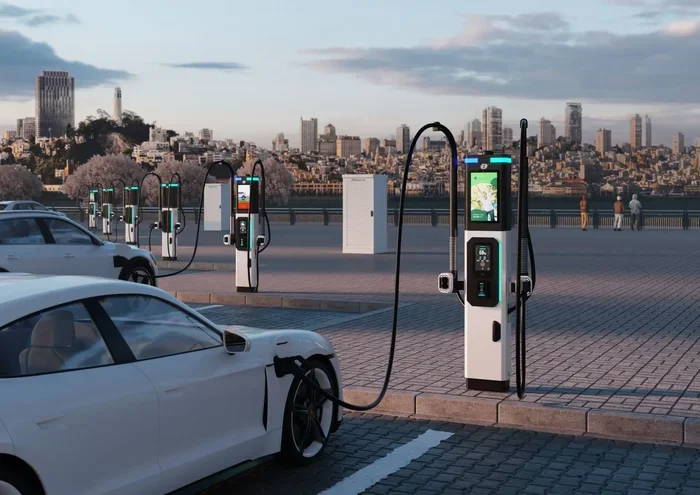
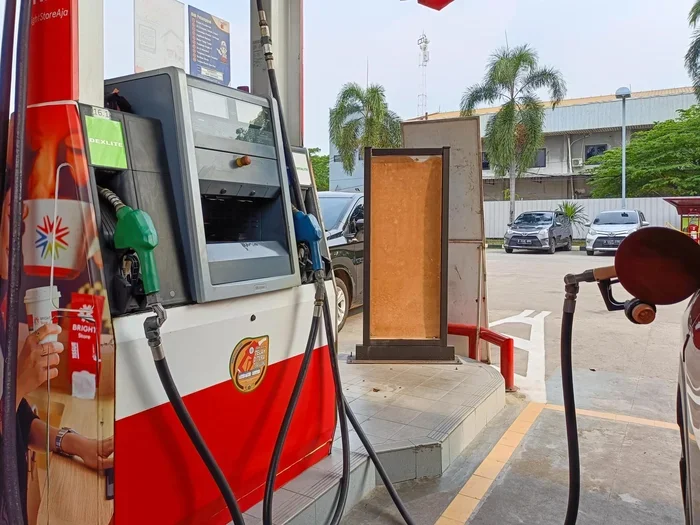
These are the big machines you see at every gas station. An automated fuel dispenser connects to large underground fuel tanks. It can serve dozens of cars per hour. These machines are built for heavy daily use.
Automated dispensers include advanced features like card readers, digital displays, and multi-nozzle setups. They are the heart of any fuel dispensing business. They handle gasoline, diesel, and sometimes even alternative fuels.
4. Manual Hand Pump Dispensers
A manual fuel pump does not need electricity. You operate it by hand, using a lever or handle. These are great for rural areas or places without reliable power. They are also useful as backup equipment.
Manual dispensers are simple to maintain. They have fewer moving parts, which means fewer things can break. However, they are slower and require more physical effort.
| Type | Best For | Power Source | Portability | Price Range |
|---|---|---|---|---|
| Portable Fuel Filling Machine | Home use, small vehicles | Electric / Battery | High | $200 – $800 |
| Desktop Fuel Dispenser | Small shops, fleet depots | Electric | Medium | $1,000 – $3,500 |
| Automated Gas Station Dispenser | Commercial gas stations | Electric / Engine | Low | $5,000 – $25,000+ |
| Manual Hand Pump Dispenser | Rural areas, backup use | Manual (hand) | High | $100 – $500 |
Benefits of Using a Car Gas Filling Machine
Using a car gas filling machine offers many advantages. Let us look at why these machines are so popular across industries.
Speed and Efficiency
Filling a car tank by hand takes forever. A fuel pump machine does the same job in minutes. The pump creates consistent pressure, so fuel flows steadily. You do not have to stand there waiting or babysitting the process.
For businesses, this speed adds up fast. A gas station can serve more customers per hour with a good dispenser. That means more revenue and happier customers.
Precision and Accuracy
One of the best things about modern automotive fueling equipment is the accuracy. The flow meter measures fuel to the exact amount. You never have to worry about overpaying or getting shortchanged.
This precision also helps businesses manage their fuel inventory. Accurate measurements mean better tracking and less waste. Over time, this saves a significant amount of money.
Safety Features
Gasoline dispensing can be dangerous if not done properly. Modern machines are built with multiple safety features. The automatic shutoff prevents overfilling. Many models also include spill containment systems.
Some fuel dispensing systems have anti-static features that reduce the risk of sparks. This is especially important when handling volatile fuels like gasoline. Safety should always come first, and these machines deliver on that front.
Cost Savings
Buying fuel in bulk and dispensing it yourself saves money. You avoid the markup that gas stations add. Over months and years, these savings really add up.
For businesses, a reliable car gas filling machine reduces fuel theft and waste. You can track exactly how much fuel goes out and where it goes. This level of control keeps costs down and profits up.
How to Choose the Right Car Gas Filling Machine
With so many options out there, picking the right machine can feel overwhelming. But it does not have to be. Here are the key factors to consider before you buy.
1. Fuel Type Compatibility
First, think about what fuel you need to dispense. Some machines work with gasoline only. Others handle diesel or even multiple fuel types. Make sure the car gas filling machine you choose matches your fuel needs.
Using the wrong machine for a fuel type can damage the equipment. It can also create safety hazards. Always check the specifications before making a purchase.
2. Flow Rate
The flow rate tells you how fast the machine dispenses fuel. It is measured in liters or gallons per minute. A higher flow rate means faster filling. For large trucks and fleets, you want a high flow rate. For personal cars, a standard rate works fine.
Keep in mind that higher flow rates usually mean a higher price tag. Balance your needs with your budget to find the sweet spot.
3. Portability vs. Stationary Setup
Do you need to move the machine around, or will it stay in one place? If you need flexibility, go with a portable model. If you are setting up a permanent station, a desktop or automated unit makes more sense.
Portable machines are great for construction sites and remote locations. Stationary machines are better for fixed locations like gas stations and warehouses.
4. Safety Certifications
Always check for safety certifications before buying. Look for standards like UL, CE, or OSHA compliance. These certifications prove the machine meets safety requirements. A certified fuel dispensing system gives you peace of mind.
5. Budget and Maintenance Costs
The purchase price is only part of the equation. Consider ongoing maintenance costs too. Some machines need frequent servicing, while others run smoothly for years with minimal care.
Read reviews and talk to other users before deciding. A slightly more expensive machine that lasts longer can save you money in the long run.
Quick Tips for Using Your Car Gas Filling Machine
Getting the most out of your fuel pump machine is easier than you think. Follow these quick tips for the best results:
- Read the manual: Every machine is different. Spend a few minutes reading the instructions before first use.
- Check for leaks: Inspect hoses and connections before each use. A small leak can become a big problem fast.
- Ground the machine: Always ensure proper grounding to prevent static buildup and sparks.
- Use the right fuel: Never put the wrong fuel type through your machine. It can damage internal parts.
- Clean regularly: Wipe down the machine after each use. Clean fuel lines prevent clogs and contamination.
- Store properly: Keep the machine in a cool, dry place when not in use. Heat and moisture can degrade components.
Common Mistakes to Avoid
Even experienced users make mistakes with their car gas filling machine. Here are the most common ones and how to avoid them.
Overfilling the Tank
Overfilling is one of the biggest mistakes people make. It can cause fuel spills, which are both wasteful and dangerous. Always trust the automatic shutoff mechanism. Never try to squeeze in extra fuel after the nozzle stops.
Ignoring Maintenance
Skipping regular maintenance leads to bigger problems down the road. Dirty filters, worn hoses, and failing pumps all reduce performance. Set a maintenance schedule and stick to it. Your machine will last much longer.
Using the Wrong Hose or Nozzle
Not all hoses and nozzles are compatible. Using the wrong one can lead to leaks or fuel contamination. Always use parts that are designed for your specific machine and fuel type.
Skipping Safety Checks
It is tempting to skip safety checks when you are in a hurry. But this is where accidents happen. Always verify that emergency shutoff valves work. Check that ventilation is adequate. A few extra minutes of caution can prevent serious incidents.
Expert Insights on Fuel Dispensing
Industry professionals have shared valuable insights about automotive fuel system best practices. Here is what the experts want you to know.
Invest in quality over price. A cheap machine might save you money upfront, but it will cost more in repairs and replacements later. Look for reputable brands with solid warranties and good customer support.
Training matters. Even the best fuel dispensing equipment can cause problems if the operator does not know how to use it properly. Invest in basic training for anyone who will operate the machine. This reduces errors and improves safety.
Keep up with technology. The fuel dispensing industry is evolving. Digital monitors, automated systems, and eco-friendly designs are becoming the norm. Staying current with technology can give you a competitive edge.
Maintenance Guide for Your Car Gas Filling Machine
Keeping your car gas filling machine in top shape is not hard. A little regular care goes a long way. Here is a simple maintenance routine you can follow:
- Daily: Wipe down the exterior and check for visible leaks. Inspect the nozzle for any damage.
- Weekly: Clean the fuel filter and check hose connections. Run a short test cycle to verify smooth operation.
- Monthly: Inspect the flow meter for accuracy. Lubricate moving parts according to the manufacturer’s guide.
- Quarterly: Have a professional inspect the pump and electrical components. Replace any worn parts before they fail.
- Annually: Perform a full system check. Calibrate the flow meter and update any software if the machine is digital.
Following this simple schedule will extend the life of your machine. It also ensures safe and accurate fueling every time. A well-maintained fuel dispensing system pays for itself many times over.
Conclusion
A car gas filling machine is an essential tool for anyone who needs to fuel vehicles efficiently and safely. From portable units for home use to large automated dispensers at gas stations, there is a machine for every need. Understanding how these machines work, what types are available, and how to maintain them gives you an edge.
Remember to always prioritize safety. Choose the right machine for your specific needs, and keep up with regular maintenance. The right fuel pump machine will serve you well for many years. Take what you have learned from this guide and apply it to your fueling setup. Your vehicle and your wallet will thank you.
Whether you are a business owner or a car enthusiast, the world of automotive fueling equipment has something for everyone. Start exploring your options today and find the perfect car gas filling machine for your needs.
Frequently Asked Questions
What is a car gas filling machine used for?
A car gas filling machine is used to dispense fuel from a storage tank into a vehicle’s fuel tank. It ensures accurate measurement and safe fuel transfer. These machines are used at gas stations, repair shops, and even in home garages for personal fueling needs.
How much does a car gas filling machine cost?
The price varies widely depending on the type and features. Portable models can cost as little as $200, while large automated dispensers can run $5,000 or more. Desktop fuel dispensers typically fall in the $1,000 to $3,500 range. Your budget and intended use will guide the best choice.
Can a car gas filling machine handle both gasoline and diesel?
Some models can handle multiple fuel types, but many are designed for one specific fuel. Always check the specifications before purchasing. Using the wrong machine for a fuel type can damage the equipment and create safety risks.
How often should I maintain my fuel filling machine?
Daily visual checks are recommended. Weekly cleaning of filters and hoses helps prevent clogs. Monthly and quarterly professional inspections keep the machine running smoothly. Annual full system checks ensure long-term reliability and accuracy.
Are portable fuel filling machines safe to use at home?
Yes, portable fuel filling machines are safe when used correctly. Always follow the manufacturer’s instructions and ensure proper grounding. Keep the machine away from open flames and heat sources. Store fuel containers in a well-ventilated area to minimize risks.
What should I look for when buying a car gas filling machine?
Consider fuel type compatibility, flow rate, portability, safety certifications, and your budget. Reading reviews from other users helps too. A machine with good warranty and customer support adds long-term value to your purchase.
=== CONCLUSION ===
A car gas filling machine is more than just a pump. It is a precision tool that makes fueling safe, fast, and accurate. From understanding the basic components to choosing the right type for your needs, this guide has covered it all. The key is to pick a machine that fits your specific situation and to maintain it properly.
Take action today. Whether you are upgrading your home setup or investing in commercial fuel dispensing equipment, the right machine makes all the difference. Share this guide with others who might benefit from it, and start your journey toward smarter, safer fueling.