The Ultimate Car Driving Sound Effect Guide You Need
The right car driving sound effect can transform any video, game, or creative project into something truly immersive. From engine revving to exhaust notes, this guide covers everything you need to know about choosing, using, and creating the perfect driving audio. Whether you are a filmmaker, gamer, or content creator, you will find practical tips and expert insights inside.
Have you ever watched a movie scene and felt like you were right inside the car? That feeling comes from a carefully chosen car driving sound effect. These sounds bring vehicles to life on screen, in games, and in audio projects of all kinds.
A great car driving sound effect does more than add noise. It sets the mood. It tells the audience what kind of car is passing by. It makes a scene feel real. Whether you need a gentle idle engine sound or a full-throttle engine roar, the right audio makes all the difference.
This guide will walk you through everything you need to know. We will cover the types of sounds available, how they are made, where to use them, and how to pick the best one. By the end, you will feel confident choosing the perfect driving audio for any project.
Key Takeaways
- Car driving sound effects come in many types, including engine revving, exhaust notes, tire screech, and horn honk sounds.
- Understanding how these effects are made helps you choose the right one for your project.
- The best car driving sound effect depends on your vehicle type, scene mood, and intended use.
- Free and paid libraries both offer high-quality driving audio options for creators.
- Avoid common mistakes like using low-quality files or ignoring licensing terms.
- Expert tips can help you layer and mix car sounds for a more realistic result.
📑 Table of Contents
- What Is a Car Driving Sound Effect?
- Types of Car Driving Sound Effects
- How Car Driving Sound Effects Are Made
- Best Uses for Car Driving Sound Effects
- How to Choose the Right Car Driving Sound Effect
- Common Mistakes When Using Car Driving Sound Effects
- Expert Tips for Getting the Most Out of Car Sound Effects
- Free vs. Paid Car Driving Sound Effects
- Conclusion
What Is a Car Driving Sound Effect?
A car driving sound effect is a recorded or created audio clip that captures the sounds of a vehicle in motion. These clips include many different noises. Think about the engine revving sound when you press the gas pedal. Or the exhaust note that deepens as speed increases. There is also the tire screech during a sharp turn and the subtle hum of tires on pavement.
These sounds are not just random noise. Each one carries specific information. A low idle engine sound tells the listener the car is stopped but running. A sharp tire screech signals sudden braking or a fast drift. The brain picks up on these details instantly.
Car sound effects are used across many industries. Filmmakers use them in movies and TV shows. Game developers add them to racing games and open-world environments. YouTubers and podcasters use them as intro or transition sounds. Even advertisers rely on driving audio to make car commercials feel exciting.
The beauty of a car driving sound effect is its versatility. One well-chosen clip can set an entire scene. It can make a quiet street feel tense or a highway feel freeing. That is the power of great audio design.
Why Do Car Sounds Matter So Much?
Sound makes up half of the viewing experience. People often underestimate how much audio affects their emotions. When you watch a car race on screen, the sound of the engine tells you how fast the car is going. A muscle car engine growl feels different from a smooth electric car whine. Both tell a story without a single word.
Good sound design also adds depth. A car pass by sound that fades correctly makes a scene feel three-dimensional. The audio moves from left to right, just like the real car would. This level of detail pulls the audience deeper into the story.
Types of Car Driving Sound Effects
Not all car sounds are the same. Different vehicles, situations, and moods require different types of audio. Let us explore the most common categories.
Engine Sounds
The engine is the heart of any vehicle, and the engine revving sound is the most sought-after car sound effect. There are many variations:
- Idle engine sound — the gentle purr when the car is stopped.
- Revving engine — the rising pitch as RPMs increase.
- Engine roar — a deep, powerful sound at full throttle.
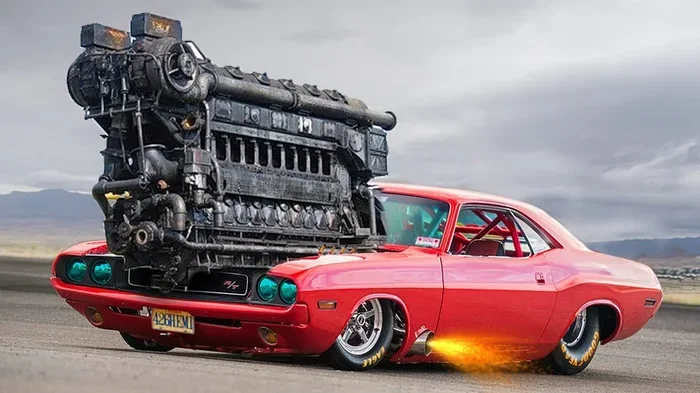
- Muscle car engine — a loud, aggressive growl from big V8 engines.
- Electric car whine — a high-pitched, futuristic hum from EVs.
Each engine type has a unique character. A sports car sound is sleek and high-pitched. A truck engine rumble is deep and heavy. Choosing the right one depends on the vehicle in your scene.
Exhaust and Acceleration Sounds
The exhaust note changes dramatically with speed. At low RPMs, it is a soft rumble. At high RPMs, it becomes a loud, throaty bark. Many creators look for car pass by sound clips that capture this full range of acceleration.
A vroom sound is one of the most recognizable car driving sound effects out there. It signals speed, power, and excitement. Whether it is a road trip sounds montage or a high-speed chase scene, the exhaust note sets the tone.
Tire and Road Noise
Do not overlook the sounds of the tires. The tire rumble changes based on road surface. Smooth highway driving sounds very different from a bumpy dirt road. A tire screech adds drama and urgency to any scene.
These subtle sounds add realism. Without them, a car scene can feel flat and artificial. Layer tire noise with engine sounds for the most convincing result.
Horn and Interior Sounds
Horn honk sounds serve a specific purpose. They alert other drivers or add comedic tension. Interior car audio effects include wind noise through the windows, click of turn signals, and the hum of the dashboard.
These details matter for immersive projects. If your audience hears the click of a blinker, they instantly feel like they are inside the car.
How Car Driving Sound Effects Are Made
Have you ever wondered where these sounds come from? Creating a car driving sound effect is a fascinating process that combines real-world recording with digital editing.
Field Recording
The most common method is field recording. Sound engineers place microphones near and inside real vehicles. They capture sounds during idling, acceleration, braking, and turning. Some recorders use multiple microphones at once to capture different angles of the engine roar and exhaust note.
Professional teams often record on closed tracks or private roads. This allows them to push the vehicle to its limits safely. They capture everything from a gentle idle engine sound to a full-throttle engine revving experience.
Foley and Sound Design
Some sounds are created in a studio using foley techniques. For example, a tire screech might be recorded by rubbing a textured material against a spinning surface. The vroom sound of a race car might be built by layering multiple recordings together.
Digital sound designers also use synthesizers and software to create vehicle noise from scratch. This is especially common for electric car whine sounds, since real EVs produce very subtle noise. The designer builds the sound from the ground up to match the car’s personality.
Post-Production Mixing
Once the raw sounds are captured, they go through mixing and editing. Sound engineers adjust pitch, volume, and EQ to fit the scene. They add reverb to simulate the environment — an open highway sounds different from a narrow city alley.
The final car driving sound effect is often a blend of multiple recordings. Layering engine noise, tire rumble, and wind sound creates a rich, immersive audio experience.
Best Uses for Car Driving Sound Effects
Where do these sounds actually get used? The answer might surprise you. Car driving sound effects are everywhere in modern media and beyond.
Film and Television
Movie scenes involving cars rely heavily on driving audio. A chase scene would feel empty without the engine roar and tire screech. Even a simple shot of a car parked on a street needs the right ambient sounds to feel real.
Sound designers often replace real car sounds with custom recordings. Real vehicles can sound thin or tinny on camera. A well-designed car sound effect makes the scene feel bigger and more cinematic.
Video Games
Racing games and open-world games need a massive library of car sound effects. Every vehicle in the game needs its own unique sound. A sports car sound should feel fast and sleek. A truck engine rumble should feel heavy and powerful.
Players notice good audio immediately. The engine revving sound when you shift gears makes the experience feel real. Developers spend countless hours perfecting these details.
Content Creation and Social Media
YouTubers and TikTok creators use car driving sound effects to make their videos more engaging. A quick car pass by sound transitions between scenes. A dramatic engine roar adds energy to a car reveal video.
Car review channels often use real recording clips to complement their footage. The exhaust note of a tested vehicle gives viewers a better sense of the driving experience.
Advertising and Marketing
Car commercials are built on sound. The deep exhaust note of a luxury sedan conveys elegance. The aggressive muscle car engine growl conveys power and performance. Even a subtle tire rumble underlines the sense of motion.
Advertisers know that the right driving audio connects emotionally with the audience. It makes viewers feel the speed, the luxury, or the ruggedness of the vehicle.
How to Choose the Right Car Driving Sound Effect
With so many options available, picking the right one can feel overwhelming. Here is a practical guide to help you decide.
Match the Sound to the Vehicle
Not every sound fits every car. A muscle car engine growl would feel wrong in a scene with a quiet hybrid. Match the car driving sound effect to the vehicle type in your project.
Consider these factors:
- Engine type — V8, V6, electric motor, or diesel engine.
- Vehicle size — compact car, SUV, truck, or sports car.
- Condition — vintage rumble or modern refined purr.
- Speed — idle, cruising, or full acceleration.
Consider the Scene Mood
The mood of your scene should guide your choice. A tense thriller needs subtle, tense sounds. A low idle engine sound with minimal road noise creates suspense. An action-packed chase scene needs a loud engine roar and sharp tire screech.
Think about what emotion you want the audience to feel. The sound should support that emotion, not distract from it.
Check the Audio Quality
Always choose high-quality files. Low-resolution audio sounds muddy and unrealistic. Look for car driving sound effects in WAV or high-bitrate MP3 format. The recording should be clean, with minimal background noise or distortion.
A vroom sound that is compressed and distorted will pull the audience out of the experience. Clean audio keeps the immersion intact.
Think About Licensing and Usage Rights
If you are using the sound in a public or commercial project, check the licensing. Many free sound libraries require attribution. Paid libraries often offer commercial use rights. Make sure you have the legal right to use the driving audio in your project.
Use Trusted Sources
There are many places to find car sound effects. Popular platforms include Freesound, Epidemic Sound, Artlist, and Pond5. Each offers different licensing options and quality levels. Choose a source that matches your project needs and budget.
Common Mistakes When Using Car Driving Sound Effects
Even experienced creators make mistakes with car audio. Here are the most common ones and how to avoid them.
Using Sounds That Do Not Match the Vehicle
This is the number one mistake. Putting a truck engine rumble behind a small sedan feels completely wrong. The audience hears the mismatch instantly. Always match the car driving sound effect to the actual vehicle on screen.
Ignoring Background Noise
A clean car driving sound effect should not compete with dialogue or other audio. If your scene has people talking, lower the volume of the driving sounds. The audio should support the scene, not overpower it.
Using the Same Clip Repeatedly
Reusing the same engine revving clip in every scene gets boring. It also breaks the illusion of different vehicles and environments. Build a diverse library of car sound effects for variety.
Skipping the Layering Process
Real car sounds are complex. They are made of many layers — engine, exhaust, tires, wind, and interior details. Using a single flat recording makes the scene feel cheap. Layer multiple sounds for a realistic, rich result.
Forgetting About Licensing
Using a car driving sound effect without proper rights can lead to legal issues. Always read the license terms before downloading or using any audio file. When in doubt, choose royalty-free or licensed libraries.
Expert Tips for Getting the Most Out of Car Sound Effects
Want to take your driving audio to the next level? Here are some tips from experienced sound designers.
Layer multiple recordings together. Combine an engine roar with a tire rumble and subtle wind noise. This creates a full, realistic soundscape that feels alive.
Adjust pitch and speed to match the scene. A car accelerating should have a rising pitch. A car slowing down should drop in pitch. Small adjustments make a huge difference in realism.
Use spatial audio techniques. Pan the sound left to right as the car moves across the screen. Add reverb to match the environment — an open highway needs less reverb than a tight alley.
Record your own sounds when possible. Even a smartphone recording of a real car can add authenticity that no library can match. Capture your own road trip sounds for unique, original audio.
Keep a personal sound library. Build a collection of high-quality car driving sound effects over time. Organize them by vehicle type, mood, and speed. This saves time and improves your workflow.
Always listen on good headphones. Studio monitors reveal details that laptop speakers hide. Check your audio mix on multiple devices to ensure it sounds great everywhere.
Free vs. Paid Car Driving Sound Effects
Both free and paid options have their place. Here is a quick comparison to help you decide.
- Free libraries — great for personal projects and experiments. Quality varies widely. Always check licensing for commercial use.
- Paid libraries — offer higher quality, more variety, and clearer licensing. Ideal for professional work and commercial projects.
- Custom recordings — the most original option. Requires equipment and effort but gives you complete control over the car driving sound effect.
The best choice depends on your project scope, budget, and quality requirements. Many professionals use a mix of all three approaches.
Conclusion
A car driving sound effect is a small piece of audio that carries enormous weight. It sets the mood, adds realism, and brings vehicles to life in any medium. From the gentle idle engine sound to the thrilling engine roar, every detail matters.
Now that you understand the types, creation process, and best practices, you are ready to choose the perfect sound for your next project. Take the time to find high-quality clips, layer them thoughtfully, and always match the sound to the vehicle and scene.
The right driving audio transforms a good project into a great one. Trust your ears, experiment with different options, and never underestimate the power of sound. Start building your car sound effects library today, and your projects will stand out from the crowd.
Frequently Asked Questions
Where can I find free car driving sound effects?
You can find free car driving sound effects on platforms like Freesound.org and BBC Sound Effects. Always check the license terms before using them, especially for commercial projects. Many free clips require attribution to the original creator.
What makes a car driving sound effect sound realistic?
Realism comes from layering multiple sounds together. Combine engine noise, tire screech, wind, and interior details for a full, believable result. Matching the sound to the actual vehicle type also makes a huge difference in how authentic it feels.
Can I use car driving sound effects in commercial projects?
Yes, but you must check the licensing terms first. Free libraries often require attribution or restrict commercial use. Paid libraries usually offer clear commercial rights. Always read the license agreement before using any car sound effect in a paid project.
How do I make my own car driving sound effect at home?
You can record car sounds with a smartphone or basic microphone. Park near a road and capture car pass by sound clips. Record engine idling and revving if you have access to a vehicle. Clean up the audio in free editing software like Audacity to remove background noise.
What is the difference between engine revving and exhaust note sound effects?
An engine revving sound captures the mechanical noise of the engine increasing in speed. An exhaust note focuses on the sound coming from the tailpipe, which is deeper and more resonant. Both are essential car driving sound effects and serve different purposes in audio design.
Are electric car sound effects different from traditional car sounds?
Yes, significantly. Electric car whine sounds are higher-pitched and much quieter than traditional engine sounds. Since EVs produce minimal noise, sound designers often create artificial vehicle noise to make them feel more engaging and safe for pedestrians in games and simulations.