All About Your Car Cigarette Lighter Socket and How It Works
The car cigarette lighter socket is one of the most useful yet overlooked features in any vehicle. Originally designed to power cigarette lighters, this 12V socket now serves as a universal power outlet for countless car accessories. Understanding how it works and how to get the most from it can save you time, money, and frustration on the road.
You have probably used your car cigarette lighter socket a hundred times without giving it a second thought. Maybe you plugged in a phone charger during a long road trip. Perhaps you used it to power a GPS device or a portable cooler. Whatever the reason, this small, round port plays a bigger role in your daily driving than you might realize.
The car cigarette lighter socket has come a long way since it first appeared in vehicles decades ago. What started as a simple heating element for lighting cigarettes has evolved into a versatile 12V power outlet that keeps all kinds of devices running. In this guide, we will walk you through everything you need to know about this essential car feature.
We will cover how the socket works, what you can plug into it, how to choose the right adapter, and how to fix common problems. Whether you are a car enthusiast or just someone who wants to keep their devices charged on the go, this article has you covered. Let us dive in.
Key Takeaways
- Universal Power Source: Your car cigarette lighter socket delivers 12V DC power, making it compatible with a wide range of car accessories and adapters.
- Simple Working Principle: The socket uses a basic electrical circuit with a fuse, and the heating element in the original lighter pops out when it reaches a set temperature.
- Many Modern Uses: Beyond lighting cigarettes, the socket powers phone chargers, GPS devices, air pumps, coolers, and even small inverters for laptops.
- Common Problems Are Fixable: Loose sockets, blown fuses, and corroded contacts are the most frequent issues, and most are easy to troubleshoot at home.
- Choose the Right Adapter: Matching the right adapter to your device ensures safe, efficient charging and prevents damage to your vehicle’s electrical system.
- Maintenance Matters: Regular cleaning and inspection of the socket can extend its lifespan and keep it working reliably for years.
📑 Table of Contents
- What Is a Car Cigarette Lighter Socket?
- How Does a Cigarette Lighter Socket Work?
- Common Uses for Your Car Cigarette Lighter Socket
- How to Choose the Right Adapter for Your Socket
- Troubleshooting Common Cigarette Lighter Socket Problems
- Tips to Keep Your Socket Working Great
- Frequently Asked Questions
- Conclusion
What Is a Car Cigarette Lighter Socket?
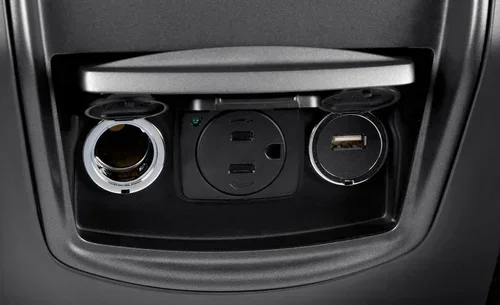
The car cigarette lighter socket is a 12V DC power outlet found in most vehicles. It is also known by many other names. Some people call it a 12V socket, a power port, or an accessory outlet. No matter what you call it, the purpose remains the same. It provides electrical power to run various devices and accessories inside your car.
The socket is usually located in the center console, the dashboard, or the rear floor area of the vehicle. It has a round shape with a metal or plastic surround. The inside contains a metal contact that connects to the vehicle’s electrical system. When you insert a plug or adapter, the circuit completes and power flows to your device.
Here are some key facts about the car cigarette lighter socket:
- Standard voltage: 12 volts DC
- Standard fuse: Usually 10 to 20 amps
- Maximum power output: Around 120 to 240 watts
- Common location: Center console, dashboard, or rear floor
- Plug type: Coaxial cylindrical plug
Most modern vehicles have at least one cigarette lighter socket, and many now include multiple sockets. Some SUVs and trucks even have them in the rear cargo area or in the center console between the front seats. This makes it easy to power devices for everyone in the vehicle.
How Does a Cigarette Lighter Socket Work?
Understanding how your car cigarette lighter socket works is simpler than you might think. The system is straightforward and relies on basic electrical principles. Let us break it down step by step.
The Original Lighter Mechanism
The socket got its name from the original device it powered. The cigarette lighter was a small heating coil that slid into the socket. When you pushed it in, the coil started to heat up. After a short time, the lighter would pop out, signaling that it was hot enough to light a cigarette. This spring-loaded mechanism was clever and practical for its time.
The socket itself is just a power source. The lighter is simply a device that plugs into it. Today, the original lighter is rarely used, but the socket remains as a reliable 12V power outlet.
The Electrical Circuit
Behind the socket is a simple electrical circuit. The vehicle’s battery supplies 12V DC power. This power travels through a fuse to the socket. The fuse protects the circuit from overloads. A typical car cigarette lighter socket fuse is rated between 10 and 20 amps.
When you plug in a device, the circuit is completed. Power flows from the battery, through the fuse, into the socket, and then to your device. The device uses this power to charge its battery or run its motor. When you unplug the device, the circuit opens and power stops flowing.
Here is a simple breakdown of the circuit path:
- Vehicle battery provides 12V DC power
- Fuse protects the circuit from overcurrent
- Wiring carries power to the socket
- Socket contact connects with the plug
- Device receives power and operates
Voltage and Power Limits
The car cigarette lighter socket delivers 12V DC power. This is the standard voltage for most automotive electrical systems. However, the actual voltage can vary slightly. When the engine is running, the alternator may boost the voltage to around 13.5 to 14.5 volts. When the engine is off, the voltage drops to around 12.6 volts from the battery.
The maximum power you can draw from the socket depends on the fuse rating. A 10-amp fuse limits the power to about 120 watts. A 20-amp fuse allows up to 240 watts. This is important to keep in mind when choosing devices and adapters. Plugging in too many high-wattage devices can blow the fuse.
Common Uses for Your Car Cigarette Lighter Socket
The car cigarette lighter socket has become one of the most versatile features in any vehicle. While it was originally designed for one purpose, people now use it for a wide variety of tasks. Let us explore the most common uses.
Charging Phones and Tablets
The most popular use for the 12V socket is charging mobile devices. Almost everyone carries a smartphone these days, and a car charger is an essential accessory. You simply plug a USB adapter into the socket, and then connect your phone with a USB cable. This keeps your phone charged during long drives, commutes, or road trips.
Many modern car chargers now offer fast charging capabilities. Some even have multiple USB ports so you can charge several devices at once. This is especially useful for families traveling together.
Powering GPS Navigation Devices
Before smartphones took over, dedicated GPS devices were the go-to navigation tool. These devices plug directly into the car cigarette lighter socket for power. Even today, many drivers still prefer standalone GPS units for their reliability and dedicated maps. The socket provides a consistent power source that keeps the GPS running throughout your journey.
Running Portable Air Pumps
Flat tires happen to everyone. A portable air pump that plugs into the 12V socket is a lifesaver. These small devices can inflate a tire in just a few minutes. They are compact, easy to store, and incredibly useful for roadside emergencies. Keeping one in your trunk gives you peace of mind on every trip.
Powering Car Coolers and Heaters
Do you need to keep drinks cold or food warm on the road? The car cigarette lighter socket can power both. Portable car coolers plug into the socket and keep your food and drinks chilled during summer road trips. On the other hand, car heaters can warm up your food or the cabin during cold weather drives.
Running Power Inverters
A power inverter converts the 12V DC power from the socket into 120V AC power, just like the outlets in your home. This allows you to plug in laptops, small televisions, or even gaming consoles while on the road. Power inverters come in different sizes, from small 100-watt models to larger 1000-watt units. They are perfect for camping trips, RV travel, or long-haul truck driving.
Other Popular Accessories
The list of things you can power with your car cigarette lighter socket goes on and on. Here are some other popular accessories:
- Dash cameras for recording your drives
- Seat warmers for cold mornings
- Phone mounts with built-in charging
- FM transmitters for playing music through your car speakers
- Vacuum cleaners for cleaning your car interior
- Car jump starters for emergency battery boosts
- USB hubs for charging multiple devices at once
How to Choose the Right Adapter for Your Socket
Not all car cigarette lighter socket adapters are created equal. With so many options on the market, choosing the right one can be confusing. Let us walk through the key factors to consider.
Check the Wattage and Amperage
The most important thing to check is the wattage or amperage rating of the adapter. As we mentioned earlier, most 12V sockets are limited to 10 to 20 amps. If you plug in a device that draws too much power, you will blow the fuse. Always check the power requirements of your device before buying an adapter.
Here is a quick reference guide for common devices:
| Device | Typical Power Draw |
|---|---|
| Smartphone charger | 5 to 15 watts |
| Tablet charger | 10 to 20 watts |
| GPS device | 1 to 5 watts |
| Portable air pump | 30 to 100 watts |
| Car cooler | 40 to 60 watts |
| Laptop (through inverter) | 45 to 90 watts |
Look for Quality Build and Safety Features
When shopping for a car adapter, look for safety features. Good adapters include overheat protection, short-circuit protection, and surge protection. These features safeguard both your device and your vehicle’s electrical system. Cheap, no-name adapters may save you a few dollars but can pose serious risks.
Also, pay attention to the build quality. A sturdy adapter with a tight fit in the socket will not wobble or fall out while driving. This might seem like a small detail, but it makes a big difference in everyday use.
Consider USB vs. Direct Plug Options
Most modern car chargers use USB outputs. This is convenient because USB cables are universal. You can use the same cable you already have for your phone or tablet. Some adapters still offer a direct cigarette lighter plug connection, which works well for devices that only accept that type of plug.
If you need to charge multiple devices, look for a multi-port USB car charger. These adapters plug into the socket and offer two or more USB ports. Some even support fast charging standards like Quick Charge or USB Power Delivery.
Match the Adapter to Your Vehicle
Not all sockets are exactly the same. Some vehicles have slightly different socket sizes or shapes. Most 12V sockets follow a standard size, but there can be slight variations. Before buying an adapter, make sure it is compatible with your vehicle. If you are unsure, check your vehicle’s owner manual or measure the socket diameter.
Troubleshooting Common Cigarette Lighter Socket Problems
A car cigarette lighter socket is a simple device, but like anything else, it can develop problems over time. The good news is that most issues are easy to diagnose and fix. Here are the most common problems and how to solve them.
The Socket Is Loose or Wobbly
If your plug falls out easily or does not make proper contact, the socket may be loose. This is a common issue, especially in older vehicles. The metal contact inside the socket can wear down over time, losing its spring tension.
You can fix this in a few ways. First, try gently bending the central contact inward with a small flathead screwdriver. This restores the spring tension and creates a tighter fit. If the socket is badly damaged, you may need to replace it entirely. Replacement sockets are inexpensive and easy to install.
The Socket Is Not Providing Power
If nothing works when you plug something in, the problem is likely a blown fuse. Locate your vehicle’s fuse box, which is usually under the dashboard or in the engine compartment. Find the fuse labeled for the cigarette lighter socket or accessory outlet. Remove it and inspect it for a broken filament.
If the fuse is blown, replace it with a new one of the same amperage rating. Do not use a higher-rated fuse, as this can damage the electrical system. If the new fuse blows again shortly after, there may be a deeper electrical issue that requires professional attention.
Corroded or Dirty Contacts
Over time, dust, moisture, and grime can build up inside the socket. This causes poor contact and intermittent power. To clean the socket, use a can of compressed air to blow out any debris. You can also use a small brush or a cotton swab dipped in rubbing alcohol to clean the contacts.
For stubborn corrosion, gently scrub the metal contacts with a pencil eraser. This removes oxidation and restores good electrical contact. After cleaning, plug in your device and test it.
Fuse Keeps Blowing
If you keep replacing the fuse and it blows again, something is drawing too much power. This could be a faulty device, a short circuit in the wiring, or too many devices plugged in at once. Disconnect all devices from the socket and try again. If the fuse holds, add devices back one at a time to find the culprit.
If the fuse still blows with nothing connected, there may be a wiring issue. In this case, it is best to take your vehicle to a qualified mechanic for diagnosis and repair.
Tips to Keep Your Socket Working Great
A little maintenance goes a long way in keeping your car cigarette lighter socket in top shape. Follow these simple tips to ensure reliable performance for years to come.
- Keep the socket clean: Regularly blow out dust and debris with compressed air. Clean contacts prevent poor connections.
- Do not exceed the wattage limit: Check the fuse rating and do not plug in devices that draw more power than the socket can handle.
- Use quality adapters: Cheap adapters can overheat, damage your devices, or even cause electrical fires. Invest in reputable brands with safety certifications.
- Unplug devices when not in use: Even when not charging, some adapters draw a small amount of power. Unplugging them saves a little battery life and reduces wear on the socket.
- Inspect the socket regularly: Look for signs of damage, discoloration, or melting. These can indicate electrical problems that need immediate attention.
- Replace blown fuses promptly: A blown fuse means the circuit is overloaded. Fix it quickly to avoid further damage to the electrical system.
Taking care of your 12V socket is one of the easiest ways to keep your vehicle running smoothly. These small habits add up over time and help you avoid frustrating breakdowns.
Frequently Asked Questions
Can I use a car cigarette lighter socket to charge a laptop?
Yes, you can charge a laptop using a car cigarette lighter socket, but you will need a power inverter. The inverter converts the 12V DC power from the socket into 120V AC power, which is what most laptops need. Make sure the inverter has enough wattage to handle your laptop’s power requirements, and never exceed the socket’s maximum power output.
Why does my car cigarette lighter socket keep blowing fuses?
A blown fuse usually means too much power is being drawn from the socket. This can happen if you plug in a high-wattage device or use multiple devices at once. It can also indicate a short circuit or a faulty adapter. Start by disconnecting all devices and replacing the fuse with the correct amperage rating. If the problem persists, have a mechanic check the wiring.
Is it safe to leave a car charger plugged in when the engine is off?
It is generally safe for short periods, but it is not recommended as a habit. When the engine is off, the car cigarette lighter socket draws power directly from the battery. A small charger may not cause noticeable battery drain, but over time it can contribute to a dead battery. Unplug your charger when you are not using it to protect your vehicle’s battery.
What is the difference between a car cigarette lighter socket and a 12V power outlet?
There is no real difference. The terms cigarette lighter socket and 12V power outlet refer to the same thing. The original design was meant for lighting cigarettes, but the socket has always been a 12V DC power source. Today, most people use it exclusively for powering accessories, so the term 12V outlet has become more common.
Can I install an additional cigarette lighter socket in my car?
Yes, you can install an extra 12V socket in your vehicle. Aftermarket sockets are widely available and relatively easy to install. You will need to tap into the vehicle’s electrical system and install a fuse for protection. If you are not comfortable working with car wiring, a professional installer can handle the job quickly and safely.
How much power can a car cigarette lighter socket handle?
Most car cigarette lighter sockets are protected by a 10 to 20 amp fuse. At 12 volts, this translates to a maximum of 120 to 240 watts. Always check your vehicle’s manual for the exact fuse rating. Exceeding this limit will blow the fuse and may potentially damage the electrical system if the problem is not addressed.
Conclusion
The car cigarette lighter socket is a small but mighty feature that makes modern driving more convenient. From charging your phone to running a portable air pump, this 12V outlet powers a surprising number of devices and accessories. Understanding how it works, what you can use it for, and how to maintain it will help you get the most out of this essential vehicle feature.
Keep your socket clean, use quality adapters, and stay within the power limits. These simple habits will keep your car cigarette lighter socket working reliably for years to come. The next time you plug in a device, you will know exactly what is happening behind that simple round port. And that small bit of knowledge can make a big difference in your daily driving experience.
So take a moment to appreciate your 12V power outlet. It may be one of the most underrated features in your car, but it sure earns its keep on every trip you take.