Car Charges Per Km How To Calculate What You Actually Pay
Car charges per km tell you the true cost of every kilometer you drive. This guide breaks down fuel costs, fixed expenses, and variable costs so you know exactly what your car costs you. You will learn simple methods to calculate cost per kilometer and reduce your driving expenses today.
If you drive a car, you pay for it. Every time you turn the key, you spend money. But do you know how much each kilometer actually costs you? Most people have no idea. They guess. They estimate. They hope for the best.
The truth is, car charges per km add up fast. Fuel, insurance, maintenance, tires, and depreciation all play a role. When you add them all together, the numbers can surprise you. This guide will show you exactly how to calculate what you actually pay for every kilometer you drive.
Whether you use your car for work, travel, or daily errands, knowing your cost per kilometer gives you power. It helps you budget better. It helps you choose a cheaper vehicle. It even helps you decide whether a second car is worth keeping. Let us break it all down in simple, easy-to-follow steps.
Key Takeaways
- Know your real cost: Understanding car charges per km helps you see the full picture of what driving actually costs you.
- Two main cost types: Fixed costs like insurance and variable costs like fuel both play a big role in your per kilometer charge.
- The logbook method works: Tracking your mileage gives you accurate data for calculating vehicle running cost per km.
- Common mistakes add up: Forgetting hidden costs like depreciation can make your km rate calculator results way off.
- Small changes save big: Simple habits like smooth driving and regular maintenance can lower your total cost of driving significantly.
- Use a driving cost calculator: Online tools make it easy to estimate your car expense per km without manual math.
📑 Table of Contents
- What Are Car Charges Per Km and Why Do They Matter
- How To Calculate Car Charges Per Km Step by Step
- Fixed Costs vs Variable Costs Per Km
- The Logbook Method and Other Ways to Track Km Charges
- Common Mistakes People Make When Calculating Per Km Costs
- How To Reduce Your Car Charges Per Km
- Expert Insights on Understanding Your True Driving Costs
- Conclusion
What Are Car Charges Per Km and Why Do They Matter
Car charges per km are the total costs of owning and running a vehicle, divided by the distance you travel. This gives you a clear number. That number tells you how much each kilometer costs you in real money.
Why does this matter so much? Because most people only think about fuel. They forget about the other costs. Insurance, registration, servicing, tires, and even the loss in value of your car all add up. When you look at the full picture, the per kilometer charge can be much higher than you expect.
The Real Cost of Driving
Think about it this way. You buy a car for $30,000. You drive it for five years and 100,000 kilometers. The car loses value over time. That loss in value is a real cost. It is called depreciation. And it happens whether you drive the car or leave it parked in the garage.
Add fuel, oil changes, tire replacements, insurance premiums, and registration fees. Now you have a big total. Divide that total by the kilometers you drove. That is your car charges per km. It is the most honest way to know what your car really costs you.
Why People Should Care About This Number
Knowing your vehicle running cost per km helps you make smarter decisions. It helps you compare cars before you buy. It helps you understand whether a fuel-efficient model actually saves you money. It also helps you budget for the months ahead.
For businesses, this number is even more important. Companies need to know the total cost of driving for their fleet vehicles. They use mileage reimbursement rates to pay employees fairly. And they use distance-based charges to price services like delivery and rideshare.
How To Calculate Car Charges Per Km Step by Step
Calculating car charges per km is easier than you think. You do not need to be a math expert. You just need a few numbers and a bit of patience. Let us walk through it together.
Step 1: List All Your Costs
Start by writing down every cost related to your car. Use a notebook or a simple spreadsheet. Here are the main categories to include:
- Fuel: How much do you spend on petrol or diesel each month?
- Insurance: What is your annual premium? Divide it by 12 for a monthly number.
- Registration and licensing: How much do you pay each year?
- Servicing and maintenance: Oil changes, tire rotations, brake pads, and more.
- Tires: How often do you replace them, and at what cost?
- Depreciation: How much value does your car lose each year?
- Finance costs: If you have a car loan, include the interest payments.
- Road user charges: Some areas charge based on distance traveled.
- Parking and tolls: These are direct driving costs.
Step 2: Track Your Kilometers
Next, you need to know how far you drive. Check your odometer at the start of the month. Check it again at the end. The difference is your monthly distance. Do this for at least three months to get a reliable average.
Many cars have trip meters that make this easy. You can also use a smartphone app. These km rate calculators and driving cost calculators do the hard work for you. They track your mileage automatically and save you time.
Step 3: Do the Math
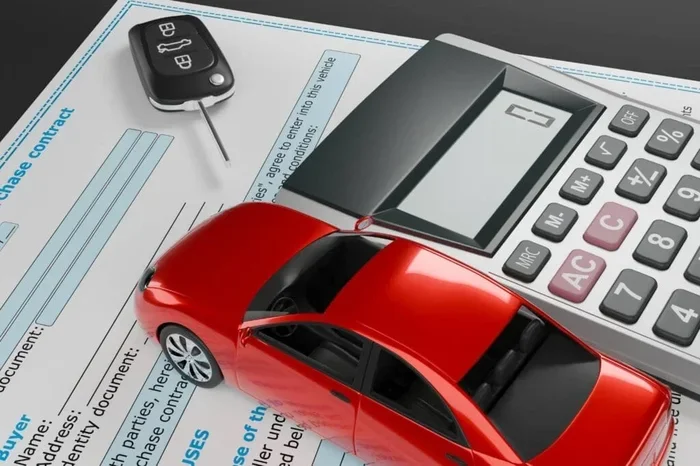
Now comes the simple part. Add up all your costs for the month. Divide that total by the number of kilometers you drove. The result is your car charges per km.
Here is a quick example:
- Monthly fuel cost: $150
- Monthly insurance: $100
- Monthly servicing set aside: $50
- Monthly registration: $40
- Monthly depreciation: $200
- Total monthly cost: $540
- Kilometers driven that month: 1,000
- Car charges per km: $0.54
So in this example, every kilometer costs 54 cents. That is the real price of driving. It includes everything, not just fuel.
Quick Tips for Accurate Calculation
- Track your costs for at least three months to smooth out irregular expenses.
- Include all costs, even the ones you might forget, like roadside assistance memberships.
- Use a cost per kilometer calculator online to double-check your numbers.
- Separate work and personal driving if you want different rates for each.
Fixed Costs vs Variable Costs Per Km
Understanding the difference between fixed and variable costs is key. These two types of expenses behave very differently. And they each affect your car charges per km in unique ways.
Fixed Costs: They Stay the Same
Fixed costs do not change much from month to month. Whether you drive 500 kilometers or 5,000 kilometers, these costs stay roughly the same. Here are the main fixed costs:
- Insurance premiums: You pay the same amount whether you drive a lot or a little.
- Registration fees: These are annual and do not depend on your mileage.
- Depreciation: Your car loses value over time, not based on distance alone.
- Loan repayments: Your monthly payment stays the same throughout the loan term.
Because fixed costs do not change with distance, they become lower per kilometer as you drive more. This is good news for people who drive a lot. It means their cost per kilometer drops as the distance increases.
Variable Costs: They Change With Every Kilometer
Variable costs go up and down based on how much you drive. The more you drive, the more you spend. Here are the main variable costs:
- Fuel: This is the biggest variable cost for most drivers.
- Oil and fluids: More driving means more frequent oil changes.
- Tire wear: More kilometers mean faster tire wear.
- Brake pads and discs: More driving leads to more brake replacements.
- Windscreen wipers and bulbs: These wear out over time and distance.
Variable costs are the ones you can directly control. By driving more efficiently, you can reduce these costs and lower your per kilometer charge.
Comparison Table: Fixed vs Variable Costs
Here is a simple comparison to help you understand the difference:
| Cost Type | Examples | Changes With Distance? | How It Affects Per Km Cost |
|---|---|---|---|
| Fixed Costs | Insurance, registration, depreciation, loan repayments | No | Decreases per km as you drive more |
| Variable Costs | Fuel, oil, tires, brakes, fluids | Yes | Increases per km as you drive more |
Both types matter. When you calculate car charges per km, you must include both. Only looking at fuel gives you a very incomplete picture.
The Logbook Method and Other Ways to Track Km Charges
There are several ways to track your driving and calculate car charges per km. The best method depends on your situation. Let us look at the most common approaches.
The Logbook Method
The logbook method is the most detailed approach. You record every trip you make. You note the date, the starting odometer reading, the ending odometer reading, and the purpose of the trip. Over time, this builds a complete picture of your driving habits.
Many tax authorities accept the logbook method for claiming vehicle expenses. If you use your car for work, this method can help you get deductions. It also gives you the most accurate data for calculating your vehicle running cost per kilometer.
To use this method, keep your logbook for at least 12 weeks. This gives you a representative sample of your driving. After that, you can calculate your average weekly or monthly kilometers with confidence.
Using Apps and Digital Tools
Today, there are many apps that do the tracking for you. These car expense per km apps use your phone GPS to record every trip. They categorize trips automatically. And they generate reports that make calculating car charges per km a breeze.
Some popular options include mileage tracker apps and fuel log apps. Many of these tools are free. They sync with your bank account to track fuel purchases. They even estimate your wear and tear cost based on your mileage.
The Flat Rate Method
Some people use a flat rate per kilometer instead of tracking every cost. This is simpler but less accurate. For example, in some countries, the tax authority sets a cents per kilometer rate for business use of a car.
This method works if you want simplicity. But it may not reflect your actual costs. If your car is expensive to run, the flat rate might not cover everything. If your car is cheap to run, you might leave money on the table.
Which Method Should You Choose?
If you want accuracy, use the logbook method with a digital app. If you want simplicity, use the flat rate method. For most people, a combination works best. Track your actual costs for a few months. Then use that data to understand your true car charges per km.
Common Mistakes People Make When Calculating Per Km Costs
Even with the best intentions, people make mistakes when calculating car charges per km. These errors lead to wrong numbers. And wrong numbers lead to bad decisions. Let us look at the most common mistakes.
Forgetting Depreciation
This is the biggest mistake people make. They focus on fuel and maintenance. They forget that their car loses value every day. Depreciation is often the single largest cost of car ownership. Ignoring it makes your total cost of driving look much lower than it really is.
To estimate depreciation, find out what your car is worth now. Then find out what it was worth when you bought it. Divide the difference by the number of kilometers you have driven since purchase. That gives you a depreciation cost per km.
Only Counting Fuel Costs
Many people think fuel is the only cost that matters. They calculate their fuel cost per km and call it done. But fuel is only part of the picture. Insurance, tires, servicing, and registration all add significant costs that fuel alone does not show.
A full car expense per km calculation includes everything. Only then do you see the real price of driving your car.
Not Tracking Miles Accurately
If your kilometer numbers are wrong, your per km cost will be wrong too. Some people estimate their mileage instead of tracking it. This leads to guesses, not facts. Always use your odometer or a tracking app for accurate data.
Ignoring Irregular Expenses
Some costs do not happen every month. You might replace a tire once a year. You might need a major service every 20,000 kilometers. If you do not account for these irregular expenses, your km rate calculator results will be too low.
The fix is simple. Add up all your annual costs. Divide by 12 to get a monthly average. Then divide by your monthly kilometers. This smooths out the irregular expenses and gives you a more accurate number.
Using the Wrong Fuel Economy Number
Your car’s fuel economy rating is not the same as your real-world fuel economy. The rating is measured under ideal conditions. Your real driving includes traffic, hills, air conditioning, and other factors. Always use your actual fuel consumption data for accurate car charges per km calculations.
How To Reduce Your Car Charges Per Km
Once you know your car charges per km, you might want to lower them. The good news is, there are many ways to do this. Some are quick and easy. Others take a bit more effort. But all of them can save you money over time.
Drive More Smoothly
Aggressive driving wastes fuel. Fast acceleration and hard braking burn more petrol. Smooth, steady driving is much more efficient. Try to accelerate gently and coast to stops when you can.
This simple change can improve your fuel economy by 10 to 30 percent. Over thousands of kilometers, that adds up to real savings. Your fuel cost per km will drop, and so will your overall car charges per km.
Keep Up With Regular Maintenance
It might seem counterintuitive. Spending money on maintenance saves you money in the long run. Regular oil changes keep your engine running efficiently. Properly inflated tires reduce rolling resistance. Fresh brake pads prevent expensive damage to rotors.
Stay on top of your service schedule. A well-maintained car uses less fuel and lasts longer. This lowers both your variable costs and your wear and tear cost per kilometer.
Reduce Unnecessary Trips
Every trip you take adds to your total cost of driving. Can you combine errands into one trip? Can you walk or cycle for short distances? Can you carpool with a colleague?
Each kilometer you avoid saves you money. Even small reductions in your monthly mileage can lower your car expense per km significantly over a year.
Choose Fuel-Efficient Vehicles
If you are in the market for a new car, fuel economy matters a lot. A car that uses 6 liters per 100 kilometers will cost less per km than one that uses 10 liters. Over 100,000 kilometers, the difference can be thousands of dollars.
Look beyond just the purchase price. Consider the vehicle running cost over the full life of the car. A cheaper car that uses more fuel might end up costing more than a slightly pricier, more efficient model.
Review Your Insurance and Finance Regularly
Insurance premiums and loan rates change over time. Shopping around can save you hundreds of dollars a year. A lower insurance premium or a better loan rate directly reduces your car charges per km.
Set a reminder to review your insurance every year. Compare quotes from different providers. You might be surprised at how much you can save.
Expert Insights on Understanding Your True Driving Costs
Industry experts agree that most drivers underestimate their car charges per km. According to transport researchers, the average person only accounts for about 60 percent of their actual driving costs. The missing 40 percent usually comes from depreciation and fixed costs that people tend to overlook.
“The biggest blind spot for most drivers is depreciation,” says automotive analyst Sarah Chen. “People focus on what they pay at the pump. They ignore the fact that their car is losing value every single day. That hidden cost is often the largest single expense of car ownership.”
Another expert, financial planner Mark Torres, adds that understanding your cost per kilometer is essential for financial planning. “When people know their true driving cost, they make better decisions,” he explains. “They might choose a smaller car, drive less, or switch to public transport for some trips. Knowledge is power, and that power comes from accurate numbers.”
The key takeaway is this. Do not guess at your driving costs. Calculate them properly. Use the methods in this guide. Get accurate data. Then use that data to make smarter choices about your car and your budget.
Conclusion
Car charges per km are more than just a number. They tell the real story of what your car costs you. From fuel to insurance, from depreciation to tires, every kilometer you drive carries a price tag. When you calculate that price accurately, you gain clarity and control over your finances.
Use the steps in this guide to calculate your own car charges per km today. List all your costs. Track your kilometers. Do the math. You might be surprised by what you find. But more importantly, you will have the knowledge to make better decisions.
Small changes can make a big difference. Drive more smoothly. Maintain your car properly. Reduce unnecessary trips. Review your insurance regularly. Each of these steps lowers your total cost of driving and puts more money back in your pocket.
Start now. Calculate your cost per kilometer. Understand what you actually pay. And take control of your driving costs for good.
Frequently Asked Questions
What is a good car charge per km?
A good car charge per km depends on your vehicle type and driving habits. For most small to medium cars, a range of 30 to 60 cents per km is typical. Electric vehicles often fall below 20 cents per km. Hybrids sit somewhere in between. Your actual number will depend on fuel prices, insurance costs, and how much you drive.
How do I calculate cost per km for tax purposes?
For tax purposes, you can use the logbook method or the flat rate method. The logbook method requires you to track your trips for at least 12 weeks. You record every trip’s distance and purpose. The flat rate method uses a set cents per kilometer rate determined by your tax authority. Check with your local tax office for the current approved rate.
What is the difference between fuel cost per km and total car charge per km?
Fuel cost per km only includes what you spend on petrol or diesel. Total car charge per km includes fuel plus insurance, registration, maintenance, tires, depreciation, and other costs. The total is always higher than fuel alone. Many people are surprised by how much higher it is when they do the full calculation.
Can I use a car charges per km calculator online?
Yes, there are many free driving cost calculators available online. These tools let you input your costs and mileage, and they calculate your cost per kilometer automatically. Some apps also track your mileage in real time using your phone GPS. They make the process much easier and more accurate than manual calculations.
Does driving more kilometers lower my per km cost?
It can, but only for fixed costs. Insurance, registration, and depreciation do not change much with distance. So when you divide those costs by more kilometers, the per km amount goes down. Variable costs like fuel go up with more driving. The overall effect depends on how much you drive and what your fixed costs are.
How often should I recalculate my car charges per km?
It is a good idea to recalculate your car charges per km every three to six months. Costs change over time. Fuel prices go up and down. Insurance premiums adjust. Your driving habits may change too. Regular recalculation keeps your numbers accurate and helps you spot trends early.