Can We Go to Badrinath by Car Everything You Need to Know
Can we go to Badrinath by car? Absolutely. You can drive all the way to the temple town, but the journey requires careful planning and respect for mountain roads. This guide covers the full route, seasonal road conditions, vehicle tips, and safety advice so your car trip to Badrinath is smooth and memorable.
Have you ever dreamed of driving to one of India’s most sacred places? The answer to the question “can we go to Badrinath by car” is a loud and clear yes. Every year, thousands of pilgrims and travelers take to the road for a Badrinath road trip that winds through the Himalayas. The journey is as much a part of the pilgrimage as the temple itself. You get to see rivers, villages, and mountain passes up close. This Badrinath travel guide will walk you through every detail of driving to Badrinath. From the best route to vehicle tips, we have you covered.
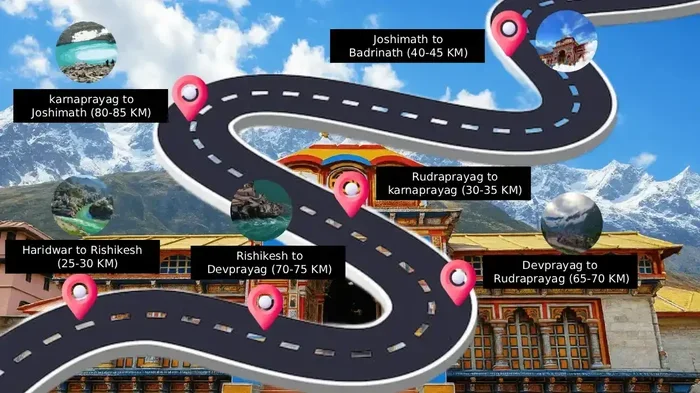
The road to Badrinath stretches about 310 kilometers from Rishikesh. It climbs from 1,200 feet to over 10,000 feet in altitude. The drive can take 10 to 12 hours depending on traffic and weather. But don’t let that scare you. With the right preparation, your car journey to Badrinath becomes an unforgettable adventure. You will pass through beautiful towns like Rudraprayag, Karnaprayag, and Joshimath. Each stop offers a glimpse of the Garhwal Himalayas. So, if you are planning a Chardham Yatra by car, read on to make your trip safe and smooth.
Key Takeaways
- Yes, you can drive to Badrinath: The road from Rishikesh is well-connected and open from late April to early November.
- Choose the right vehicle: A sturdy SUV or rented car handles the steep stretches better than a small hatchback.
- Check the weather and road reports: Landslides and rain can block the route, especially during monsoon season.
- Carry essential documents: Pollution under control certificate, ID proofs, and route maps are a must.
- Plan fuel stops: Petrol pumps are scarce after Joshimath, so fill up at every chance.
- Drive slowly and stay alert: The road has sharp turns, narrow passages, and occasional landslides.
- Book car rental in advance: Good vehicles with experienced drivers sell out fast during Chardham season.
📑 Table of Contents
Can We Go to Badrinath by Car? The Short Answer
The simple answer is yes. You can drive your own car or rent one to reach Badrinath. The route is fully paved and maintained by the Uttarakhand government. However, the road is not like a normal highway. It is a mix of national highways and steep mountain roads. The Badrinath road conditions change with the season. In summer, the route is open and busy. In monsoon, landslides can cause delays. In winter, heavy snow closes the road entirely. So, timing your trip right is the first step.
The Road Conditions You Will Face
The road to Badrinath starts from Rishikesh and follows the Alaknanda River. The first 100 kilometers are smooth national highways. After Rudraprayag, the road narrows and curves more. You will see steep drops and tight hairpin bends. The surface is mostly good, but potholes appear after rain. During the monsoon, landslides are common. The highway department works hard to clear debris, but delays happen. A sturdy vehicle with good ground clearance handles these stretches best.
Seasonal Variations
The road to Badrinath is open only for a few months. The best time to visit Badrinath is from late April to early November. Here is a quick look at each season.
- Summer (May to June): Clear skies and pleasant weather. The road is fully open. This is peak season, so expect traffic.
- Monsoon (July to August): Heavy rain brings landslides. The route can be blocked for hours or days. Driving becomes risky.
- Autumn (September to October): Clear weather returns. The road is safe and less crowded. A great window for a drive.
- Winter (November to April): Snow covers the road. The route closes after Joshimath. Only heavy vehicles with chains may move.
The Complete Road Route to Badrinath
Knowing the route helps you plan fuel stops, rest breaks, and sightseeing. The Badrinath route starts from Rishikesh or Haridwar. Most travelers begin their car rental Badrinath journey from Delhi or the Haridwar railway station. The road follows the Alaknanda River upstream. You will cross several sacred confluences called prayags. Each prayag is a holy spot worth a quick visit.
Starting Points: Rishikesh, Haridwar, or Delhi
Most people start from Rishikesh. It is the gateway to the Garhwal Himalayas. From Delhi, the drive to Rishikesh is about 230 kilometers on a smooth highway. From Haridwar, it is just 200 kilometers. If you are flying in, the nearest airport is Jolly Grant in Dehradun. From there, Rishikesh is a one-hour drive. You can pick up a car from Rishikesh or Haridwar for the full journey.
Key Towns Along the Way
The drive passes through several important towns. Each has fuel stations, food, and restrooms. Here are the main stops on the Badrinath road trip.
- Rishikesh: Start point. Good hotels, fuel stations, and car rental services.
- Devprayag: Confluence of the Alaknanda and Bhagirathi rivers. A sacred and scenic spot.
- Rudraprayag: Confluence of the Alaknanda and Mandakini rivers. A small town with basic amenities.
- Karnaprayag: Confluence of the Alaknanda and Pindar rivers. A peaceful stop.
- Vishnuprayag: Confluence of the Alaknanda and Dhauliganga rivers. Beautiful views.
- Joshimath: The last major town before Badrinath. Fuel is available here. Stay here if you feel altitude sickness.
- Badrinath: The final destination. The temple town sits at 3,133 meters above sea level.
Distance and Driving Time
The total distance from Rishikesh to Badrinath is about 310 kilometers. In ideal conditions, the drive takes around 10 hours. If you start early from Delhi, you can reach Rishikesh by evening and begin the next morning. A two-day trip is comfortable. Drive to Joshimath on Day 1 and complete the last 45 kilometers to Badrinath on Day 2. This gives you time to adjust to the altitude.
| Option | Pros | Cons |
|---|---|---|
| Self-Drive | Full control over stops and timing. | Tiring on mountain roads; requires experienced drivers. |
| Hired Car with Driver | Local knowledge; no stress; safe on steep roads. | Costs more; depends on driver availability. |
| Car Rental with Self-Drive | Flexible; good for small groups. | Not recommended for beginners on this route. |
Driving to Badrinath: What to Expect
The drive to Badrinath is not just a commute. It is a journey through changing landscapes. You will see dense forests, river gorges, and snow-capped peaks. The Badrinath altitude rises gradually. This helps your body adjust. But you must still watch for signs of altitude sickness. The weather can change fast. A sunny morning can turn into a cloudy afternoon. Always carry warm layers, even in summer.
Altitude and Weather Changes
Badrinath sits at 3,133 meters (10,279 feet) above sea level. The road climbs steadily from Rishikesh. By the time you reach Joshimath, you are already above 6,000 feet. The air thins out. You might feel a slight headache or shortness of breath. Drink plenty of water and walk slowly. The Badrinath weather is cool most of the year. Summer days are around 15 to 20°C. Nights drop near freezing. Rain is common in July and August. Snow can fall even in May at higher points.
Scenic Highlights and Stops
The road to Badrinath offers many scenic spots. Here are some must-see stops on your drive.
- Bhagirathi Shila: A sacred rock near Rudraprayag. A quick photo stop.
- Vishnuprayag: A stunning confluence with a temple nearby. Great for a short walk.
- Nanda Devi View: On clear days, you can see the majestic Nanda Devi peak near Joshimath.
- Mana Village: The last Indian village before the Tibet border. It is just 4 kilometers from Badrinath. A perfect place to stretch your legs.
Fuel and Rest Stops
Fuel stations are available in Rishikesh, Rudraprayag, Karnaprayag, and Joshimath. After Joshimath, there are no petrol pumps. So fill up your tank fully in Joshimath. Carry a spare fuel canister if you are driving a long way. Restrooms are available at most towns. In Badrinath, the temple complex has clean facilities. Plan your breaks every 2 to 3 hours to stay fresh.
Essential Tips for a Smooth Car Journey
A successful car journey to Badrinath comes down to preparation. Here are the most important tips to keep in mind.
Vehicle Preparation
Your car is your lifeline on the mountain road. Before you leave, get a full service check. Focus on brakes, tyres, and the cooling system. The roads have steep descents, so brakes will work hard. Tyres with good tread grip are essential. If you are renting a car, choose an SUV or a sedan with high clearance. Avoid small hatchbacks. They struggle on steep and rough patches.
Documents and Permits
You do not need special permits for private cars to enter Badrinath. However, carry these documents:
- Valid driving license
- Vehicle registration certificate
- Insurance papers
- Pollution under control certificate
- Identity proofs for all passengers
During the Chardham season, the police may check your documents at checkpoints. Keep them handy.
Quick Tips for the DriveHere are some quick tips to make your drive easier.
- Start early in the morning to avoid traffic and afternoon clouds.
- Keep your headlights on in the tunnels and narrow stretches.
- Use the horn before blind corners.
- Do not overtake on blind curves.
- Carry a physical map or download offline maps. Network is weak after Devprayag.
- Keep a small first-aid kit with altitude sickness medicine.
- Pack snacks and water in the car.
Common Mistakes to Avoid
Many first-time drivers make mistakes on the road to Badrinath. Avoid these to keep your trip safe.
Underestimating Road Conditions
The road looks smooth on Google Maps, but reality is different. Potholes, loose gravel, and narrow bridges are common. Do not speed, even on straight sections. A wrong patch of loose stones can spin your car. Always follow the local traffic rules. The mountain drivers know the road best. If a local truck is coming from the opposite side, pull over and let it pass.
Ignoring Weather Forecasts
Checking the Badrinath weather forecast a day before is non-negotiable. A sudden rain can trigger a landslide. The road can be blocked for hours. If the forecast looks bad, delay your drive. No temple visit is worth risking your life. Use the India Meteorological Department app or local news for updates.
Overpacking the Car
It is tempting to pack everything for a family trip. But an overloaded car struggles on uphill stretches. It also strains the brakes on downhill slopes. Pack light. Carry only essentials. Use a roof rack if needed. Keep the weight balanced inside the car.
Is It Safe to Drive to Badrinath?
Safety is the top concern for any car journey to Badrinath. The short answer is yes, if you take the right precautions. The road is well-maintained by the Border Roads Organisation and the state public works department. But mountain driving always carries risks. Landslides, fog, and sharp turns are part of the terrain.
Expert Insights on Road Safety
Local drivers and traffic police share a simple rule: never rush. The road to Badrinath is not a highway. It is a journey through the mountains. Experts advise hiring a driver who knows the route. A professional driver has navigated these curves for years. They know where the loose gravel starts and where the bridge is weak. If you are driving yourself, stay calm. Pull over whenever you feel tired. The view is beautiful, but your safety comes first.
When to Avoid Driving
There are times when you should not drive to Badrinath. If heavy rain is forecast, avoid the road. If you see a landslide warning on the news, stay back. If you are new to mountain driving, consider hiring a cab. And if you feel unwell or dizzy at high altitude, do not drive. Your health matters more than any schedule.
Key Takeaways for Your Road Trip
Here is a quick recap of the most important points for your Badrinath road trip.
- Start from Rishikesh or Haridwar: These are the most convenient gateways.
- Choose an SUV or a robust sedan: It handles the steep and rough stretches better.
- Fill fuel in Joshimath: No petrol pumps after that point.
- Check the weather and road reports daily: Landslides can change plans fast.
- Drive slowly and stay alert: The road has sharp turns and narrow bridges.
- Carry all documents and a first-aid kit: Be prepared for any checkpoint or health issue.
- Book your car rental early: Good vehicles with drivers get reserved fast during Chardham season.
Conclusion
So, can we go to Badrinath by car? Without a doubt, yes. The drive is challenging but deeply rewarding. You will see the raw beauty of the Garhwal Himalayas up close. Every bend in the road reveals a new view. The road to Badrinath connects you to the sacred Badrinath temple in a way that flying or taking a train never can. With the right vehicle, a little preparation, and a respectful attitude toward the mountains, your car journey to Badrinath will be safe and unforgettable. Plan your trip, follow the tips in this guide, and enjoy every kilometer of this incredible pilgrimage. The mountains are waiting for you.
Frequently Asked Questions
Is the road to Badrinath open all year round?
No, the road is open only from late April to early November. Heavy snow and landslides close it during winter and monsoon. Always check the latest Badrinath road conditions before you travel.
Can I drive my own car to Badrinath from Delhi?
Yes, you can drive your own car from Delhi to Badrinath. The distance is about 500 kilometers. It takes around 12 to 14 hours to reach Rishikesh from Delhi. Then another 10 hours to Badrinath. A two-day trip with an overnight stay in Joshimath is highly recommended.
What type of car is best for the drive to Badrinath?
A strong SUV or a sedan with good ground clearance works best. Small hatchbacks can manage the route, but they struggle on steep inclines and rough patches. If you are renting, ask for a 4WD or high-clearance vehicle for extra safety.
Do I need any special permit to drive a car to Badrinath?
Private cars do not need a special permit for the Badrinath route. However, you must carry valid driving licenses, vehicle registration, insurance, and pollution under control certificates. During peak Chardham season, police checkpoints are common.
Are there fuel stations after Joshimath on the way to Badrinath?
No, there are no fuel stations after Joshimath. The last 45 kilometers to Badrinath have no petrol pumps. Always fill your tank fully in Joshimath and carry a spare fuel canister if you are coming from far away.
What is the best time of day to start the drive to Badrinath?
Start early in the morning, ideally by 5 or 6 AM. This helps you avoid afternoon clouds, rain, and traffic. It also gives you plenty of daylight for the winding mountain roads. An early start makes the whole car journey to Badrinath smoother and safer.