Does Toyota Corolla Use a Lot of Fuel or Save Gas Daily
The Toyota Corolla is a fuel-efficient sedan that delivers impressive MPG, especially in hybrid form. Daily drivers will appreciate its low gas consumption, but real-world fuel use depends on your driving style, terrain, and model choice. Does Toyota Corolla use a lot of fuel? The answer is a clear no for most owners.
Every day, millions of drivers ask the same question: does Toyota Corolla use a lot of fuel? The answer is simple. The Toyota Corolla is one of the most fuel-efficient sedans on the road. Whether you drive the base model or the hybrid version, you will notice the savings at the pump. This car was built to save gas, not burn it.
If you are considering a Corolla for your daily commute, you are making a smart choice. The sedan offers excellent Toyota Corolla MPG numbers that beat many rivals. In this guide, we break down real fuel use, hybrid behavior, and simple tips to keep your gas bills low. You will learn exactly what to expect from a Corolla fuel economy standpoint.
The Corolla has earned its reputation as a reliable daily driver. Its small engine and lightweight design help it sip fuel instead of guzzling it. But does every Corolla save gas the same way? Not quite. The answer depends on the engine type, your driving style, and road conditions. Let us explore each factor in detail.
Key Takeaways
- Low Daily Fuel Use: The Corolla sips gas, with some models delivering over 40 MPG on the highway.
- Hybrid Advantage: The Corolla Hybrid uses less fuel in city traffic and can run on electric power at low speeds.
- Real-World Factors Matter: Driving habits, AC use, and tire pressure all change how much fuel you burn.
- Affordable Ownership: Lower fuel costs mean the Corolla stays cheap to run over the years.
- Hybrid Idling Insight: The hybrid system shuts off the gas engine when stopped, saving fuel at intersections.
- No Special Fuel Needed: Regular unleaded is all the Corolla needs, keeping costs down.
📑 Table of Contents
Understanding Toyota Corolla Fuel Consumption
To know if the Corolla uses a lot of fuel, you must first understand its engine options. Toyota offers two main powertrains: the standard 2.0-liter four-cylinder and the hybrid 1.8-liter four-cylinder. Both are designed for efficiency, but they work in very different ways.
The Base Engine and MPG Ratings
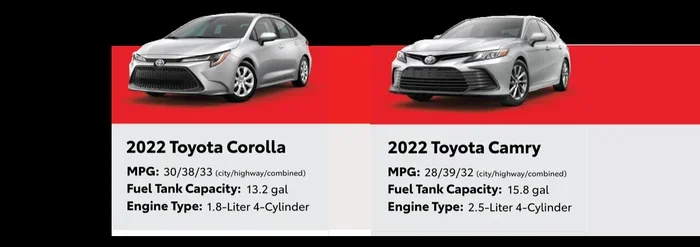
The standard Corolla sedan comes with a 2.0-liter engine paired to a CVT transmission. This setup delivers up to 32 MPG in the city and 41 MPG on the highway. That is a strong number for a non-hybrid sedan. The Corolla fuel economy here is excellent for daily commuting and weekend trips.
Corolla Hatchback models share the same engine but may see slightly different numbers due to aerodynamics. Still, you can expect similar results. The key is that the base engine does not drink gas. It stays within the Toyota Corolla MPG range that owners love.
Hybrid vs. Gas-Only Models
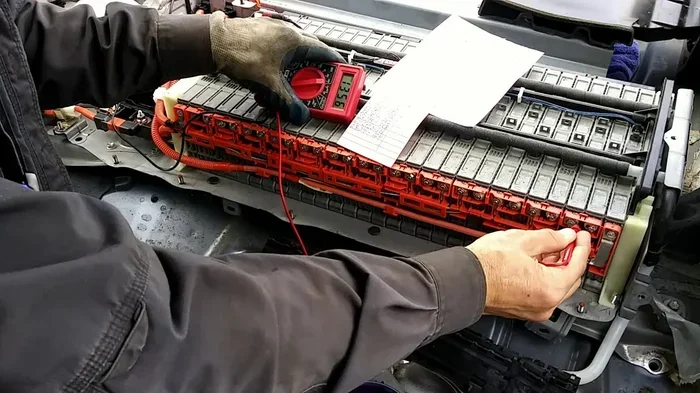
The Corolla Hybrid uses a 1.8-liter engine paired with an electric motor and a battery pack. Together, they produce 121 horsepower. The real magic happens in fuel savings. The hybrid version earns an estimated 53 MPG in the city and 52 MPG on the highway.
That is a massive jump over the gas-only model. If you drive a lot in stop-and-go traffic, the hybrid shines. The electric motor handles low-speed driving, which means the gas engine rests more often. This is why many buyers choose the hybrid to save gas daily.
Daily Driving: How Much Gas Does a Corolla Actually Use?
Real-world fuel use can differ from EPA estimates. Your driving habits, route, and environment all play a role. Let us look at how the Corolla behaves in different daily scenarios.
City Driving and Stop-and-Go Traffic
In city traffic, the Corolla Hybrid is a standout. The hybrid system uses regenerative braking to recapture energy when you slow down. The gas engine turns off at stops, so you burn zero fuel while waiting at red lights.
If you drive a gas-only Corolla in the city, you will still see good mileage, but not the hybrid-level savings. Stop-and-go traffic uses more fuel because the engine idles and accelerates repeatedly. To reduce this, keep a smooth foot on the pedal and avoid hard braking.
Many owners report getting 35 to 40 MPG in mixed city driving with the hybrid. The gas-only model might return 28 to 32 MPG in the same conditions. Both are excellent numbers for a compact sedan.
Highway Cruising and Fuel Savings
On the highway, the Corolla shines even more. The aerodynamic shape and efficient engine let the car glide at steady speeds. The gas-only model can reach 41 MPG at highway speeds, while the hybrid stays near 52 MPG.
If your daily commute includes long highway stretches, you will notice the savings quickly. The Corolla uses very little fuel to maintain 65 mph. Over a year, this can translate to hundreds of dollars saved compared to a less efficient vehicle.
Factors That Affect Toyota Corolla Fuel Economy
No two drivers get the exact same fuel numbers. Several factors can raise or lower your Corolla fuel economy. Understanding these helps you maximize efficiency.
Driving Habits and Speed
Aggressive driving kills fuel economy. Rapid acceleration and hard braking waste gas. Smooth, gradual inputs keep the engine working efficiently. If you want to save gas daily, ease off the pedal and coast to stops when safe.
Speed also matters. Driving above 65 mph increases aerodynamic drag, which forces the engine to work harder. Staying near the speed limit improves your Toyota Corolla MPG and keeps you safe.
AC and Accessories
Using the air conditioning does increase fuel use, but not as much as you might think. In the Corolla Hybrid, the AC system is powered partly by the electric motor, so the gas engine does not have to work as hard. In the gas-only model, the AC adds a small load to the engine.
On hot days, you might wonder if the AC burns gas in a hybrid car. The answer is yes, but minimally. The hybrid system compensates by using electric power when possible. If you want to learn more about this, check out our guide on does AC burn gas in a hybrid car.
Tire Pressure and Maintenance
Underinflated tires create rolling resistance, which wastes fuel. Check your Corolla’s tire pressure at least once a month. The recommended pressure is usually on the driver’s door jamb. Keeping tires properly inflated is one of the easiest ways to maintain good Corolla fuel economy.
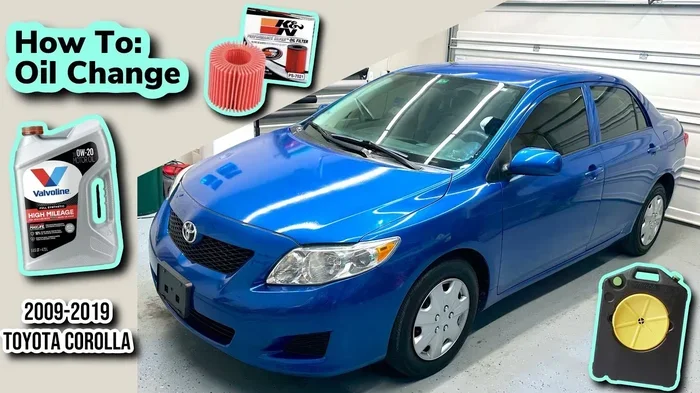
Regular maintenance also helps. Fresh engine oil, clean air filters, and properly functioning spark plugs ensure the engine runs smoothly. A well-maintained Corolla will deliver the best possible fuel numbers over time.
Hybrid Corolla: Does It Burn Gas When Idling?
The Corolla Hybrid uses a clever system that reduces idling fuel waste. When you come to a complete stop, the gasoline engine shuts off entirely. The electric motor takes over to power accessories like the radio and lights. This means you burn no fuel while waiting at a long intersection.
If you have ever asked, does a hybrid burn gas when idling, the Corolla hybrid is a great example of the answer. It does not. The system restarts the gas engine only when you press the accelerator or need extra power. This feature alone can improve city fuel economy by several MPG.
You might also wonder if the hybrid can run without any gas at all. In some cases, yes. The Corolla Hybrid can drive on electric power alone at low speeds, such as in parking lots or heavy traffic. However, it cannot run indefinitely without gas. The battery is small and relies on the engine and regenerative braking to stay charged. To learn more about this, read our article on can a hybrid run without gas.
How the Hybrid System Works
The Corolla Hybrid blends a gas engine with an electric motor and a battery. A power control unit manages the flow of energy. When you accelerate gently, the electric motor handles the work. When you need more power, the gas engine kicks in. The system constantly switches between sources to use the least fuel possible.
This seamless switching happens behind the scenes. You do not need to do anything special. Just drive normally, and the hybrid system does the rest. The result is a sedan that sips fuel in almost every situation.
Electric-Only Driving Moments
At low speeds, the Corolla Hybrid can move using only electric power. This happens during parking maneuvers, slow traffic, and initial acceleration from a stop. The gas engine stays off, which means zero fuel burned. Once you reach higher speeds or demand more power, the gas engine smoothly joins in.
These electric-only moments are why the hybrid Corolla saves so much gas in the city. They also reduce noise, making your daily commute quieter and more pleasant.
Real-World Fuel Costs and Savings
Numbers are one thing, but real-world savings are what matter most. Let us look at what owning a Corolla means for your wallet.
Monthly Fuel Budget Estimates
Assume you drive 1,000 miles per month. With a gas-only Corolla averaging 33 MPG, you will use about 30 gallons of fuel. At $3.50 per gallon, that is roughly $105 per month. With the hybrid averaging 52 MPG, you use only 19 gallons, costing about $66 per month.
Over a year, the hybrid saves you more than $450 in fuel costs. That is real money back in your pocket. The Corolla’s low fuel use makes it one of the cheapest sedans to own over the long term.
Comparing Corolla to Other Sedans
When you compare the Corolla to similar sedans, the fuel savings stand out. Many compact sedans from other brands average 30 to 35 MPG combined. The Corolla Hybrid beats most of them with over 50 MPG combined. Even the gas-only Corolla competes well against rivals.
If you want to know how the Corolla stacks up against other Toyota models, check out our comparison of when a hybrid switches to gas. It helps explain the hybrid system’s behavior in different driving situations.
Tips to Maximize Toyota Corolla Fuel Efficiency
You do not need to change your entire driving style to save gas. Small adjustments add up over time. Here are practical tips to get the best fuel economy from your Corolla.
Simple Habits That Save Gas
- Avoid idling: Turn off the engine if you expect to wait more than 60 seconds.
- Use cruise control: On highways, cruise control keeps a steady speed, which improves MPG.
- Remove excess weight: Extra items in the trunk force the engine to work harder.
- Plan your routes: Avoid heavy traffic and construction zones when possible.
- Keep windows closed at high speeds: Open windows create drag, which reduces fuel economy.
When to Use Sport Mode or AC
The Corolla offers a Sport mode that sharpens throttle response. While fun, it can lower fuel economy. Use Sport mode sparingly if you want to save gas. In the hybrid model, Sport mode may ask the gas engine to work harder, which uses more fuel.
Air conditioning is necessary in hot weather, but you can minimize its impact. Set the temperature to a comfortable level rather than the coldest setting. Recirculate the cabin air to reduce the workload on the AC compressor. If you want to dive deeper into AC use in hybrids, our article on does AC burn gas in a hybrid car covers this in detail.
Another common question is whether the Corolla Hybrid can run on gas only. Yes, it can. The hybrid system allows the gas engine to power the car directly when needed. You do not need to plug it in. To learn more about this, visit our post on can a hybrid car run on gas only.
Conclusion
So, does Toyota Corolla use a lot of fuel? The final answer is a clear no. The Corolla is a champion of fuel efficiency, whether you choose the gas-only or hybrid model. Its Toyota Corolla MPG ratings are among the best in the compact sedan class. Daily drivers will enjoy low fuel bills and fewer trips to the gas station.
The hybrid version takes savings even further. It uses electric power at low speeds, shuts off the gas engine when idling, and delivers over 50 MPG on the highway. Even the base model offers strong fuel economy that keeps ownership costs low.
By following the simple tips in this guide, you can maximize your Corolla’s efficiency. Keep your tires inflated, drive smoothly, and use the AC wisely. These habits will help you save gas daily for years to come. The Toyota Corolla remains one of the smartest choices for anyone who wants a reliable, affordable, and fuel-efficient sedan.
Frequently Asked Questions
Does the Toyota Corolla use a lot of fuel for daily commuting?
No, the Corolla is one of the most fuel-efficient sedans for daily commuting. The hybrid model delivers over 50 MPG in the city, while the gas-only version returns around 32 MPG. You will spend less on fuel compared to many other sedans.
How often do you need to fill up a Toyota Corolla?
With a 12.1-gallon fuel tank and an average of 35 MPG combined, the Corolla can travel about 420 miles on a full tank. Most drivers fill up every 10 to 14 days depending on their commute distance.
Does the Corolla Hybrid burn gas when idling at traffic lights?
No, the Corolla Hybrid shuts off the gas engine when you come to a complete stop. The electric motor powers the car until you lift your foot off the brake. This means zero fuel burned while idling at traffic lights.
Can you use regular unleaded fuel in a Toyota Corolla?
Yes, the Corolla requires regular unleaded gasoline with an octane rating of 87 or higher. Using premium fuel does not improve performance or fuel economy in this engine.
Is the Toyota Corolla cheaper to run than a Camry?
Yes, the Corolla is generally cheaper to run than the Camry. It has a smaller engine, lighter weight, and better MPG numbers. Over time, the fuel savings add up significantly.
Does driving with the windows down affect Corolla fuel economy?
Yes, driving with windows down at highway speeds increases aerodynamic drag, which reduces fuel economy. At lower city speeds, the impact is minimal. For the best MPG, keep windows closed and use the ventilation system when possible.