Are Any Toyotas Flat Towable Everything You Should Know
Not every Toyota can be flat towed behind a motorhome or RV, but several popular models are approved for dinghy towing. Understanding your specific Toyota’s drivetrain, transmission, and owner’s manual guidelines is the key to safe flat towing. This guide covers everything you need to know about flat towable Toyota vehicles, from models and requirements to essential accessories and common mistakes.
Key Takeaways
- Manual transmission Toyotas are generally the easiest and safest to flat tow behind an RV or motorhome.
- Certain AWD and automatic Toyota models can be flat towed, but only with specific procedures and accessories.
- Always check your owner’s manual before attempting to flat tow any Toyota vehicle.
- A baseplate, tow bar, and supplemental braking system are essential for safe flat towing setups.
- Flat towing incorrectly can cause serious drivetrain damage that may not be covered under warranty.
- Toyota 4Runner, Tacoma, and RAV4 are among the most popular models discussed for flat towing capability.
📑 Table of Contents
Are Any Toyotas Flat Towable? Here Is What You Need to Know
If you love road trips and own a Toyota, you have probably wondered whether your vehicle can be flat towed behind an RV or motorhome. The short answer is yes, some Toyotas can be flat towed. But the full answer is a bit more complicated. Not every Toyota model qualifies for flat towing, and using the wrong setup can lead to expensive damage.
Flat towing, also called dinghy towing, means pulling a vehicle behind another vehicle with all four wheels on the ground. It is a popular choice among RV enthusiasts who want a toyota flat towable setup for exploring destinations without bringing a separate trailer. However, flat towing puts unique stress on a vehicle’s drivetrain, transmission, and braking system.
This guide breaks down everything you need to know about flat towing a Toyota. We will cover which models work, what equipment you need, common mistakes to avoid, and expert tips to keep your vehicle safe on the road. Whether you are a first-timer or a seasoned RVer, this article has practical advice you can use right away.
Toyota is one of the most reliable brands on the road, and Japanese cars from Toyota and other brands are known for their durability. That reputation extends to their towing capabilities as well. Let us dive into the details of flat towable Toyota options.
What Does Flat Towable Mean?
Before we look at specific Toyota models, it helps to understand what flat towing actually means. Flat towing is when a vehicle is pulled behind another vehicle with all four wheels resting on the ground. No trailer is used. The towed vehicle simply glides behind the tow vehicle, connected by a tow bar or similar setup.
This is different from using a car carrier or trailer, where the vehicle is lifted off the ground. Flat towing is convenient because it takes up less space and is easier to set up. However, it requires specific vehicle compatibility.
Why Does Flat Towing Compatibility Matter?
Not every vehicle can be safely flat towed. The main reason comes down to the transmission. Many automatic transmissions rely on engine-driven pumps to circulate fluid and lubricate internal components. When the engine is off during flat towing, the transmission pump stops working. This can cause heat buildup and serious internal damage over time.
Some vehicles have transmissions with built-in provisions for flat towing. Others do not. This is why checking your vehicle’s specifications before attempting to flat tow is so important. A flat towable Toyota will have specific transmission designs, transfer case configurations, or manufacturer-approved towing procedures that make it safe.
Flat Towing vs. Other Towing Methods
There are three main ways to tow a vehicle behind an RV:
- Flat towing (dinghy towing): All four wheels are on the ground. Requires a compatible vehicle.
- Car trailer towing: The vehicle is loaded onto a trailer with all wheels off the ground. Works with almost any vehicle but requires more space.
- Dolly towing: The front wheels sit on a small dolly while the rear wheels stay on the ground. A middle-ground option but adds weight and complexity.
Flat towing is the most popular method among RV owners because it is the simplest to set up and requires no additional storage space. But it only works if your vehicle is rated for it.
Which Toyota Models Can Be Flat Towed?
Now for the big question. Which specific Toyota models can you flat tow? The answer depends on the model year, drivetrain, and transmission type. Below are the most commonly discussed Toyota vehicles and their flat towing status.
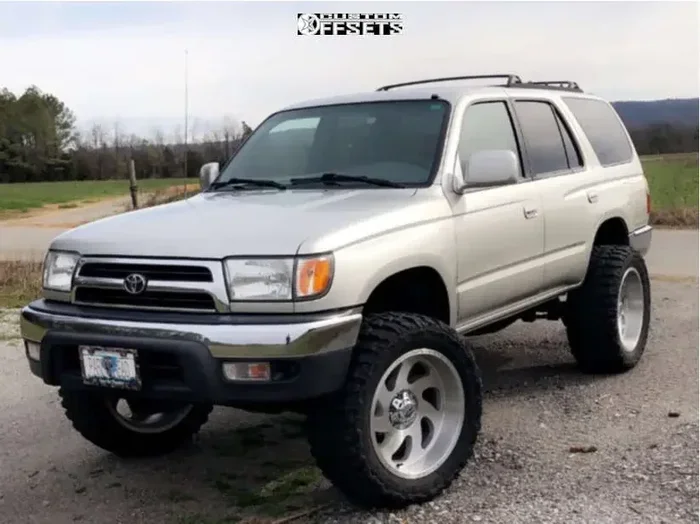
Toyota 4Runner
The Toyota 4Runner is one of the most popular SUVs for RV owners, and many people ask whether a 4Runner can be flat towed. The answer depends on the generation and drivetrain. Some older 4Runner models with manual transmissions are flat towable. Certain automatic 4Runner models can also be flat towed, but only with the transfer case in the correct position and following the exact procedures outlined in the owner’s manual.
Always double-check the specific model year. Towing procedures can change between generations. Using a toyota flat towable guide specific to your 4Runner year will save you from costly mistakes.
Toyota Tacoma
The Toyota Tacoma is a beloved midsize pickup truck, and many owners want to know if it can be flat towed. The Tacoma with a manual transmission is generally flat towable. Automatic transmission Tacomas require more careful attention. Some model years of automatic Tacomas can be flat towed with the transfer case in neutral, but this varies by generation.
Always consult the owner’s manual for your specific Tacoma model year. Towing an automatic Tacoma incorrectly can void your warranty and cause drivetrain damage.
Toyota RAV4
The Toyota RAV4 is a compact SUV with a large following. Flat towing a RAV4 depends heavily on whether it is front-wheel drive, all-wheel drive, or has a manual transmission. Some RAV4 models with manual transmissions can be flat towed. AWD models present more challenges because the transfer case and drivetrain need specific configurations.
Newer RAV4 models with electronic systems may have additional restrictions. Always verify with the manufacturer’s guidelines before attempting to flat tow a RAV4.
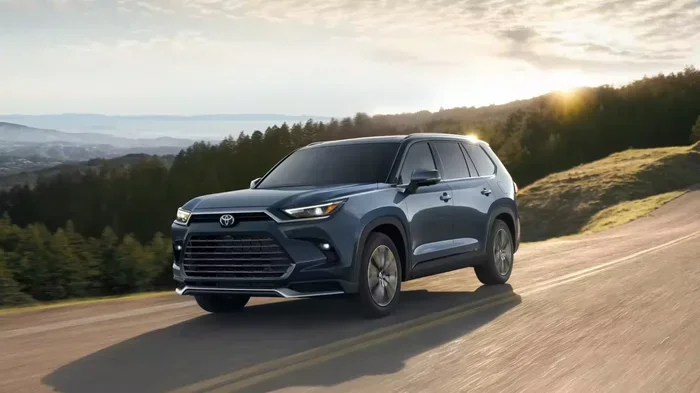
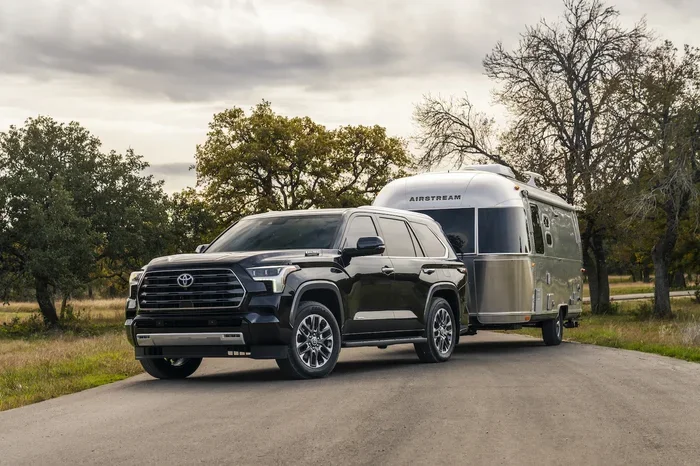
Toyota Highlander
The Toyota Highlander is a three-row SUV that some owners consider for flat towing. However, most Highlander models are not designed for flat towing. The drivetrain and transmission configurations in most Highlanders do not support all-four-wheels-on-the-ground towing. Car trailer towing is usually the safer option for Highlander owners who want to bring their vehicle along on trips.
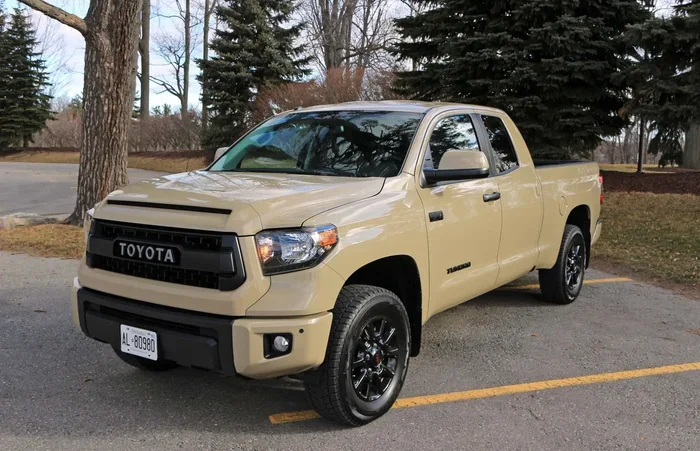
Toyota Tundra
The Toyota Tundra is a full-size pickup truck. Flat towing a Tundra is generally not recommended or approved by Toyota. The heavy weight and drivetrain design make it better suited for trailer towing. If you need to bring your Tundra along, a car trailer is the safest choice.
Toyota Prius and Hybrid Models
Toyota hybrid vehicles like the Prius add another layer of complexity. The electric motor and regenerative braking systems in hybrids create unique challenges for flat towing. Most Toyota hybrid models are not approved for flat towing. Always check the owner’s manual for specific hybrid models before making any towing plans.
Flat Towing Requirements and Setup
If your Toyota is flat towable, you need the right equipment and setup. Flat towing is not just about connecting a tow bar and driving away. There are specific requirements that ensure safety and protect your vehicle.
Tow Bar and Baseplate
A quality tow bar is the centerpiece of any flat towing setup. The tow bar connects the tow vehicle to the flat towed Toyota. A baseplate is bolted to the front of the Toyota and provides the attachment point for the tow bar. Baseplates are vehicle-specific, so you need one designed for your exact Toyota model and year.
Look for tow bars that are rated for your Toyota’s weight. Most flat tow bars are rated between 3,000 and 5,000 pounds. The baseplate and tow bar should be easy to install and remove without tools, making the setup process quick at each stop.
Supplemental Braking System
One of the most critical pieces of flat towing equipment is a supplemental braking system. When your Toyota is being towed with all four wheels on the ground, it still has momentum. Without its own engine running, the towed vehicle relies entirely on the tow vehicle’s brakes to slow down.
A supplemental braking system adds independent braking capability to the flat towed vehicle. This system activates the Toyota’s brakes in sync with the tow vehicle’s brakes. It reduces stopping distance, prevents wear on the tow vehicle’s brakes, and most importantly, it is required by law in many states and provinces.
Towing Lights and Safety Cables
Safety cables provide a backup connection between the tow vehicle and the flat towed Toyota. If the tow bar fails, the cables prevent the towed vehicle from separating and becoming a hazard on the road.
Towing lights are also essential. The flat towed Toyota’s brake lights and turn signals need to work in sync with the tow vehicle. A simple wiring harness or plug-in system connects the two vehicles’ lighting circuits. This keeps you legal on the road and visible to other drivers.
Transfer Case and Transmission Position
For AWD and 4WD Toyotas, the transfer case position is critical. When flat towing, the transfer case must be in neutral to allow the wheels to turn freely without engaging the drivetrain. This prevents damage to the transfer case, transmission, and driveshafts.
Always follow the exact procedures in your owner’s manual for setting the transfer case and ignition key position during flat towing. Some vehicles require the ignition to be in the accessory position rather than off, which allows the steering column to unlock while preventing the steering wheels from turning freely.
Common Mistakes When Flat Towing a Toyota
Flat towing is straightforward once you understand the basics. But even experienced RV owners make mistakes that can lead to costly repairs. Here are the most common errors to avoid.
Skipping the Owner’s Manual
This is the number one mistake people make. Every Toyota model has specific towing guidelines in the owner’s manual. These guidelines cover transmission type, transfer case position, speed limits, and maximum tow distances. Ignoring these guidelines can void your warranty and cause serious drivetrain damage.
Before you even think about flat towing, read the relevant section of your Toyota’s owner’s manual. If the manual says your vehicle is not flat towable, respect that guidance. There is always a car trailer as a backup option.
Using the Wrong Drivetrain Configuration
Not every drivetrain is created equal when it comes to flat towing. Front-wheel drive vehicles are generally easier to flat tow than all-wheel drive vehicles. Rear-wheel drive vehicles also have specific requirements. AWD vehicles add complexity because all four wheels are connected to the drivetrain, and improper flat towing can damage the transfer case and center differential.
If you are unsure about your Toyota’s drivetrain compatibility, consult a Toyota dealership or a qualified mechanic. They can confirm whether your specific model and year is rated for flat towing.
Forgetting the Supplemental Brake
Skipping the supplemental braking system is dangerous and often illegal. Without independent braking on the towed vehicle, stopping distances increase significantly. In an emergency stop, the towed Toyota will keep moving forward with its full momentum, putting excessive strain on the tow vehicle’s brakes and potentially causing a collision.
Invest in a quality supplemental braking system. It is one of the most important safety upgrades you can make for your flat towing setup.
Ignoring Speed and Distance Limits
Some flat towable Toyotas have speed limits, typically around 55 miles per hour. Others have distance limits, meaning you cannot tow continuously for more than a certain number of miles without stopping to let the transmission cool down. These limits exist for a reason.
Follow the speed and distance guidelines in your owner’s manual. Pushing past these limits can cause overheating and premature wear on internal transmission components.
Neglecting Regular Maintenance
Flat towing puts additional stress on your Toyota’s drivetrain components. After a long towing trip, inspect your vehicle for any signs of wear or damage. Check the transmission fluid, inspect the tow bar and baseplate connections, and look for any unusual noises or vibrations.
Regular maintenance keeps your Toyota in top shape and ensures it remains safe and reliable for future flat towing adventures.
Essential Accessories for Flat Towing a Toyota
Having the right accessories makes flat towing safer, easier, and more convenient. Here is a rundown of the essential gear you will need for your flat towable Toyota setup.
- Vehicle-specific baseplate: Bolted to the front bumper, provides a secure attachment point for the tow bar.
- Tow bar: Connects the baseplate to the tow vehicle. Choose a quality brand with proper weight ratings.
- Supplemental braking system: Adds independent braking to the towed vehicle. Required by law in many areas.
- Safety cables: Backup connection that prevents separation if the tow bar fails.
- Towing light wiring harness: Connects the brake lights and turn signals between the two vehicles.
- Steering lock override: Some vehicles need a specific key position or steering lock bypass during flat towing.
- Transmission fluid check: Not an accessory per se, but checking fluid levels before and after towing trips is essential.
Investing in quality accessories pays off in safety and peace of mind. Cheap or incompatible equipment can fail on the road, creating dangerous situations. Stick with reputable brands and make sure every piece of your setup is rated for your Toyota’s weight and towing configuration.
Expert Tips for Safe Flat Towing
Here are some expert insights and practical tips to help you flat tow your Toyota safely and confidently.
Do a Test Run Before Your Trip
Before hitting the open road, practice your flat towing setup in a safe, empty area. Connect the tow bar, baseplate, supplemental brake, and safety cables. Test the braking system, check all lights, and verify that the towed vehicle tracks straight behind the tow vehicle. A test run helps you catch any issues before they become problems on the highway.
Keep Your Speed Under Control
Most flat towable Toyotas have a recommended speed limit of 55 miles per hour. Staying at or below this limit reduces stress on the drivetrain and gives you more time to react to road conditions. It also helps with fuel economy, which benefits both vehicles.
Monitor Your Toyota While Towing
Periodically check your flat towed Toyota during rest stops. Look at the wheels for any unusual wear, check the tow bar connections, and listen for any strange sounds. A quick inspection every few hours can catch small problems before they become big issues.
Know Your Vehicle’s Limits
Every flat towable Toyota has limits. These include maximum towing speed, maximum continuous towing distance, and weight capacity. Know your vehicle’s specific limits and stay within them. Pushing past these boundaries is how drivetrain damage happens.
Store Your Equipment Properly
When you are not using your flat towing gear, store it in a dry, protected area. Tow bars and baseplates can rust if left exposed to the elements. Keep your supplemental brake controller and wiring harness organized and free of tangles. Proper storage extends the life of your equipment and ensures everything works when you need it.
When planning your road trips, it is also worth considering the overall safety and reliability of your Toyota. Toyota vehicles are known for their dependability, and Japanese cars from Toyota and other brands have a strong reputation for reliability. This reliability extends to their towing capabilities when properly maintained and used according to manufacturer guidelines.
Conclusion
The answer to whether any Toyotas are flat towable is yes, but with important caveats. Only specific Toyota models with compatible drivetrains and transmissions are rated for flat towing. Always check your owner’s manual, use the right equipment, and follow all manufacturer guidelines.
A flat towable Toyota can open up a world of adventure for RV enthusiasts. Whether you own a 4Runner, Tacoma, or another compatible model, proper flat towing setup and procedures keep your vehicle safe and your trips stress-free. Invest in quality accessories, respect your vehicle’s limits, and enjoy the freedom of bringing your Toyota along for the journey.
Flat towing is a convenient and popular way to travel with your vehicle. But convenience never comes at the expense of safety. Take the time to understand your Toyota’s flat towing requirements, set up your equipment correctly, and drive with confidence knowing you have done things the right way.
Frequently Asked Questions
Can any Toyota be flat towed behind an RV?
No, not every Toyota model is flat towable. Only specific models with compatible transmissions and drivetrains can be safely flat towed. Always check your Toyota’s owner’s manual to confirm flat towing compatibility before attempting to dinghy tow.
What is the easiest Toyota to flat tow?
Toyota models with manual transmissions are generally the easiest to flat tow. Vehicles like older 4Runner and Tacoma models with manual gearboxes tend to have fewer restrictions and simpler flat towing procedures compared to automatic transmission models.
Do I need a supplemental braking system for flat towing a Toyota?
Yes, a supplemental braking system is highly recommended and often required by law. It provides independent braking for the towed Toyota, reduces stopping distance, and protects the tow vehicle’s brake system from excessive wear during emergency stops.
Can I flat tow a Toyota 4Runner with all-wheel drive?
Some AWD 4Runner models can be flat towed, but only with the transfer case in neutral and following exact procedures from the owner’s manual. AWD vehicles require extra care because all four wheels are connected to the drivetrain, and improper towing can cause damage to the transfer case and center differential.
What speed should I tow a flat towable Toyota at?
Most flat towable Toyotas have a speed limit of around 55 miles per hour. Always follow the specific speed and distance guidelines in your owner’s manual. Exceeding these limits can cause overheating and premature wear on transmission components.
Does flat towing void a Toyota warranty?
Flat towing according to the manufacturer’s guidelines does not void your warranty. However, flat towing a vehicle that is not rated for it, or not following the correct procedures, can cause drivetrain damage that may not be covered under warranty. Always read your owner’s manual and follow the recommended towing procedures exactly.