Are 1999 4Runners Reliable Find Out Why Owners Love Them
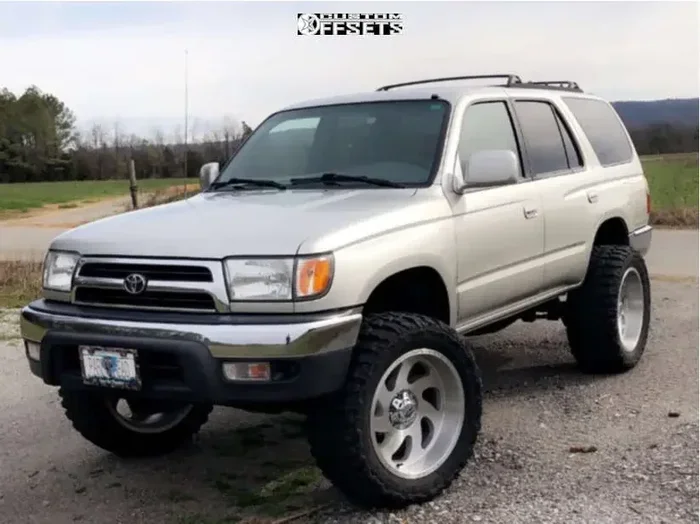
The 1999 Toyota 4Runner is widely considered a reliable SUV thanks to its tough build and proven V6 engine. Owners love it for off-road ability, strong resale value, and simple mechanics that are easy to fix. With regular care, this third-generation 4Runner can easily exceed 200,000 miles.
The 1999 Toyota 4Runner is one of those vehicles that just refuses to go away. You see them on the road every day, and they still look tough and ready for anything. But the real question is whether this classic SUV can truly be counted on for daily driving and long adventures.
If you are thinking about buying a 1999 4Runner or already own one, you want to know the truth about its reliability. Does it hold up over time? What problems should you watch for? Is it worth the investment? This guide answers all of those questions and more.
The 1999 4Runner belongs to the third generation of Toyota’s legendary SUV line. It was built from 1996 to 2002 and quickly earned a reputation as one of the most dependable trucks on the road. Toyota reliability is not just a marketing slogan. It is backed by decades of real-world performance and millions of miles driven by satisfied owners.
So why do people still seek out the 1999 model today? The answer comes down to simplicity, durability, and honest engineering. Unlike modern vehicles packed with complex electronics, this 4Runner keeps things basic. That simplicity is exactly what makes it so reliable and easy to work on.
In this article, we will dive deep into the 1999 Toyota 4Runner reliability rating, common issues, maintenance needs, and what owners really say about their experiences. By the end, you will have a clear picture of whether this SUV is right for you.
Key Takeaways
- Solid Reliability: The 1999 4Runner has a strong reputation for long-term durability and low repair costs.
- Proven Engine: The 3.4-liter V6 engine is known for lasting well over 200,000 miles with proper maintenance.
- Off-Road Champion: This generation offers excellent off-road capability with solid axles and good ground clearance.
- High Resale Value: The 1999 4Runner holds its value exceptionally well compared to other SUVs of its era.
- Common Issues Exist: Some known problems include rust, transmission wear, and aging electrical components.
- Easy to Maintain: Parts are widely available and mechanics familiar with Toyota vehicles can service this model easily.
- Great for Daily Use: Despite its off-road roots, the 1999 4Runner works well as a daily driver too.
📑 Table of Contents
Why the 1999 Toyota 4Runner Is Considered Reliable
The 1999 4Runner earned its strong reliability reputation through a combination of proven engineering and high-quality build materials. Toyota designed this vehicle with longevity in mind. Every major component was tested to handle tough conditions and heavy use.
One of the biggest reasons the 1999 4Runner remains reliable is its body-on-frame construction. This design uses a separate steel frame that supports the vehicle, while the body mounts on top. It is a simpler and stronger setup than unibody designs found in many modern SUVs.
This frame design gives the 1999 4Runner excellent structural integrity. It handles heavy loads and rough terrain without flexing or breaking. Many owners report driving their 1999 models well past the 250,000-mile mark with only routine maintenance.
The Legendary 3.4-Liter V6 Engine
At the heart of the 1999 4Runner is the 3.4-liter V6 engine. This engine produces about 190 horsepower and 220 pound-feet of torque. Those numbers may not sound impressive by today’s standards, but they were more than enough for a mid-size SUV in 1999.
What makes this engine so reliable? Toyota used robust internal components that can handle high mileage and stress. The engine block is cast iron, which adds durability. The timing chain is designed to last the life of the vehicle with proper maintenance.
Owners consistently report that the 3.4-liter V6 is one of the most dependable engines Toyota ever produced. Regular oil changes and timely belt replacements go a long way toward keeping this engine running strong for hundreds of thousands of miles.
Simple Electronics and Easy Repairs
Modern vehicles are essentially computers on wheels. The 1999 4Runner keeps things refreshingly simple. There are fewer electronic modules, sensors, and complex systems that can fail. When something does go wrong, the fix is usually straightforward and affordable.
You do not need specialized diagnostic equipment to work on a 1999 4Runner. Most repairs can be done with basic hand tools. This simplicity lowers ownership costs and makes DIY repairs much more accessible for handy owners.
Common Problems With the 1999 4Runner
No vehicle is perfect, and the 1999 4Runner has its share of known issues. Understanding these problems before buying helps you make a smarter decision and avoid costly surprises down the road.
Rust and Corrosion
Rust is one of the most common complaints about the 1999 4Runner. The frame and body panels are susceptible to corrosion, especially in regions that use road salt during winter months. The rocker panels, wheel wells, and undercarriage are the most vulnerable areas.
If you are considering a 1999 4Runner, inspect the undercarriage carefully. Look for any signs of surface rust or deep pitting. Small rust spots can be treated, but extensive frame rust can compromise the vehicle’s structural integrity and safety.
Transmission Wear
The 1999 4Runner came with either a manual or automatic transmission. The automatic option, the A750F, has been known to develop issues as the vehicle ages. Common problems include rough shifting, slipping gears, and delayed engagement.
Transmission fluid changes are critical for longevity. Many owners recommend changing the fluid every 60,000 miles to keep the automatic transmission running smoothly. Ignoring this maintenance item can lead to expensive rebuilds or replacements.
Aging Electrical Components
After more than two decades on the road, electrical components in the 1999 4Runner can start to fail. Common electrical issues include flickering headlights, faulty power window motors, and malfunctioning cruise control switches.
These problems are usually minor and inexpensive to fix. However, they can become more frequent as the vehicle ages. Regular inspections of wiring harnesses and connectors can help catch small issues before they become bigger problems.
Maintenance Tips for Long-Term Reliability
Keeping your 1999 4Runner running strong comes down to consistent and proper maintenance. Follow these tips to maximize the lifespan of your vehicle.
Regular Oil Changes
Oil changes are the single most important maintenance task for any vehicle. For the 1999 4Runner, you should change the oil every 5,000 to 7,500 miles. Use high-quality conventional or synthetic oil that meets Toyota’s specifications.
Clean oil lubricates the engine components and prevents premature wear. Over time, oil breaks down and loses its effectiveness. Skipping oil changes is one of the fastest ways to shorten your engine’s lifespan.
Transmission Fluid Service
As mentioned earlier, transmission fluid changes are crucial for the 1999 4Runner. Replace the fluid and filter every 60,000 miles. This simple service can prevent transmission problems and extend the life of your drivetrain significantly.
Brake System Maintenance
The 1999 4Runner uses a conventional brake system with disc brakes in the front and drum brakes in the rear. Inspect your brake pads regularly and replace them when they wear down. Brake rotors should be checked for warping and resurfaced or replaced as needed.
Proper brake maintenance ensures safe stopping power and prevents damage to other components like calipers and wheel bearings.
Suspension Inspection
The 1999 4Runner has a solid front axle and rear solid axle setup with coil springs. Over time, bushings, ball joints, and shocks wear out. Inspect these components regularly and replace worn parts promptly.
Keeping the suspension in good shape improves ride quality, handling, and safety. It also prevents uneven tire wear, which saves you money on replacement tires.
1999 4Runner vs. Other SUVs of Its Era
When shopping for a used SUV from the late 1990s, you have several options. Let us compare the 1999 4Runner to some of its closest competitors.
| Model | Engine | Reliability Rating | Off-Road Capability | Fuel Economy |
|---|---|---|---|---|
| 1999 Toyota 4Runner | 3.4L V6 | Excellent | Excellent | 16/19 mpg |
| 1999 Ford Explorer | 4.0L V6 | Good | Good | 15/18 mpg |
| 1999 Chevy Blazer | 4.3L V6 | Good | Good | 14/19 mpg |
As you can see from the table, the 1999 Toyota 4Runner leads in both reliability and off-road capability. Its fuel economy is also slightly better than the competition. This makes it a well-rounded choice for buyers who want both on-road comfort and off-road adventure.
Compared to American SUVs like the Ford Explorer and Chevy Blazer, the 1999 4Runner stands out for its proven track record. Are 2004 Ford F 150s Reliable is a common question among truck buyers, and the answer shows that American vehicles have improved over time. However, the 4Runner’s reputation for durability has remained consistent across all model years.
Japanese vehicles in general have a strong reputation for reliability. If you want to learn more about Are Cars From Japan Reliable, the answer is a resounding yes, and the 1999 4Runner is a perfect example of this quality.
Owner Reviews and Real-World Feedback
What do actual owners say about the 1999 4Runner? The feedback is overwhelmingly positive. Most owners praise the vehicle for its durability, simplicity, and off-road performance.
Many owners report driving their 1999 4Runners for 15 to 20 years without major issues. Common praise points include:
- Exceptional durability: Owners love that the vehicle keeps running year after year with minimal problems.
- Great off-road performance: The solid axles and good ground clearance make it a favorite for trail enthusiasts.
- Easy to work on: DIY owners appreciate the simple design and availability of parts.
- Strong resale value: Even after 20+ years, these vehicles hold their value remarkably well.
Some owners do note the common issues we discussed earlier, like rust and transmission wear. But overall, the consensus is clear. The 1999 4Runner is a dependable and capable SUV that delivers excellent value for the money.
Should You Buy a 1999 4Runner Today?
The 1999 Toyota 4Runner is a fantastic choice if you are looking for a reliable used SUV. It offers proven durability, strong off-road capability, and low ownership costs. These vehicles are still going strong on roads across the country, and they will likely continue to do so for many more years.
Before buying, make sure to get a thorough inspection. Check for rust, verify the maintenance history, and test drive the vehicle carefully. A well-maintained 1999 4Runner can provide years of trouble-free service and countless memorable adventures.
If you are also curious about safety ratings and recall history for other Toyota or SUV models, you might want to check Are There Any Recalls On A 2012 Ford F 150 for a broader understanding of how recalls work across different brands and model years.
The bottom line is that the 1999 4Runner is a reliable, capable, and trustworthy SUV. It represents everything that made Toyota a leader in the automotive world. Whether you use it for daily commuting, weekend adventures, or serious off-roading, this vehicle delivers on its promises.
Final Thoughts on 1999 4Runner Reliability
The 1999 Toyota 4Runner has earned its place as one of the most reliable SUVs ever built. Its simple design, proven engine, and robust construction make it a standout choice for buyers who prioritize durability and capability.
While no vehicle is immune to problems, the 1999 4Runner’s issues are well-documented and manageable with proper maintenance. Rust, transmission wear, and aging electrical components are the main concerns, but they are far from dealbreakers for most buyers.
If you find a clean, well-maintained example of the 1999 4Runner, you are looking at a vehicle that can easily serve you for another 10 to 15 years. That kind of long-term value is hard to beat in today’s used car market.
Do your homework, inspect any vehicle carefully, and keep up with regular maintenance. The 1999 Toyota 4Runner will reward you with years of dependable service and countless miles of enjoyment. This is one SUV that truly lives up to the Toyota reputation for reliability and longevity.
Frequently Asked Questions
Is the 1999 Toyota 4Runner a good daily driver?
Yes, the 1999 4Runner works well as a daily driver. It is comfortable, reliable, and easy to maintain. The V6 engine provides enough power for city driving and highway cruising. Just be prepared for slightly lower fuel economy compared to modern SUVs.
How many miles can a 1999 4Runner last?
With proper maintenance, a 1999 4Runner can easily last 200,000 to 300,000 miles. Many owners report driving their vehicles well past the 250,000-mile mark without major engine or transmission failures. Regular oil changes and timely repairs are key to reaching these high mileage milestones.
What is the most common problem with the 1999 4Runner?
The most common problem is rust, particularly on the frame and rocker panels. Transmission issues in the automatic model are also frequently reported. Regular inspections and prompt repairs can prevent these problems from becoming serious and expensive.
Is the 1999 4Runner good for off-roading?
Absolutely. The 1999 4Runner is an excellent off-road vehicle. It features a solid front and rear axle, good ground clearance, and available four-wheel drive. These characteristics make it a favorite among off-road enthusiasts who value capability over modern technology.
How much does it cost to maintain a 1999 4Runner?
Maintenance costs for the 1999 4Runner are generally low. Parts are widely available and affordable. Routine services like oil changes, brake jobs, and suspension work are straightforward and reasonably priced. The simplicity of the design keeps repair costs down compared to more complex modern vehicles.
Should I buy a manual or automatic 1999 4Runner?
Both transmissions have their merits. The manual offers better control and engagement for off-road driving. The automatic is more convenient for daily use and city driving. Choose based on your driving preferences and intended use. Both options are generally reliable when properly maintained.