A Car Weighs 1800 kg and What You Should Know About It
When a car weighs 1800 kg, it falls into a sweet spot that balances performance, safety, and efficiency. This weight class covers popular sedans, SUVs, and crossovers that many drivers choose every day. Understanding your vehicle’s mass helps you make smarter choices about fuel, maintenance, and driving safety. Let us break down everything you need to know about a car that weighs 1800 kg.
Have you ever wondered what it really means when someone says a car weighs 1800 kg? Maybe you are shopping for a new vehicle and keeping an eye on the numbers. Or perhaps you just want to understand your current ride better. Either way, you are in the right place.
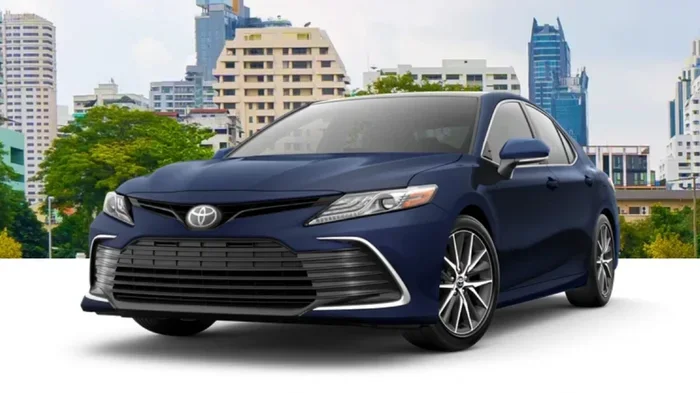
A car that weighs 1800 kg sits in a very common range. Think about popular models like the Toyota Camry, Honda Accord, or a compact SUV. These vehicles all land close to this number. And that 1800 kg figure tells us a lot about how the car drives, how safe it is, and how much fuel it uses.
In this article, we will walk through everything you need to know. We will cover why weight matters, how it affects your daily driving, and what you should look for when comparing vehicles. By the end, you will feel confident talking about vehicle mass like a pro.
Key Takeaways
- 1800 kg is a common weight class: Many popular sedans and SUVs fall into this range, making it a benchmark for mid-size vehicles.
- Weight affects fuel economy: Heavier cars use more gas, so a vehicle at 1800 kg offers a reasonable balance between size and efficiency.
- Safety improves with proper weight: A car weighing 1800 kg often scores well in crash tests due to solid mass and structural design.
- Performance is closely tied to mass: Understanding weight helps you predict acceleration, braking distance, and handling.
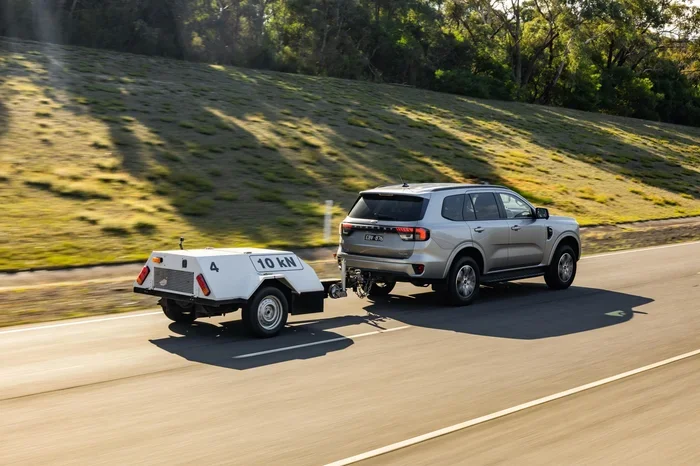
- Payload and towing matter: Knowing your car’s weight helps you calculate how much cargo or trailer weight you can safely carry.
- Maintenance costs can vary: Heavier vehicles may wear tires and brakes faster, so budgeting for upkeep is important.
- Weight distribution is key: How the 1800 kg is spread across the axles affects stability and ride comfort.
📑 Table of Contents
- What Does It Mean When a Car Weighs 1800 kg?
- Why Car Weight Matters for Everyday Driving
- Types of Cars That Weigh Around 1800 kg
- How Vehicle Weight Affects Safety
- Comparing Car Weights: A Quick Reference
- How to Manage Your Car’s Weight for Better Performance
- Common Mistakes People Make About Vehicle Weight
- Expert Insights: What Mechanics Say About the 1800 kg Weight Class
- Key Takeaways
- Conclusion
What Does It Mean When a Car Weighs 1800 kg?
Let us start with the basics. When we say a car weighs 1800 kg, we are talking about its curb weight. That is the weight of the vehicle with all standard equipment, a full tank of fuel, and all fluids. It does not include passengers or cargo.
But curb weight is not the only number you should know. There is also Gross Vehicle Weight Rating, or GVWR. This is the maximum safe weight your car can carry, including passengers, cargo, and trailer tongue weight. A car that weighs 1800 kg typically has a GVWR somewhere between 2200 kg and 2500 kg, depending on the model.
Understanding these numbers matters because they affect nearly every part of your driving experience. From acceleration to braking, from fuel stops to insurance premiums, your vehicle’s mass plays a role.
How Is Vehicle Weight Measured?
Automakers measure weight in a few different ways. Here is a quick look at the most common terms you will see:
- Curb Weight: The weight of the empty car with a full tank of fuel.
- Gross Vehicle Weight Rating (GVWR): The maximum safe total weight including cargo and passengers.
- Payload Capacity: How much weight you can safely add to the vehicle beyond curb weight.
- Towing Capacity: The maximum weight your car can pull behind it.
- Axle Weight: How much weight sits on the front and rear axles.
When a car weighs 1800 kg at curb weight, you can use these numbers to figure out your real-world carrying limits. This is especially helpful when you are planning a road trip or hauling gear.
Why Car Weight Matters for Everyday Driving
You might think weight is just a number on a spec sheet. But it affects your car in very real ways every single day. Let us break down the biggest areas where vehicle mass makes a difference.
Fuel Economy and Efficiency
This is the big one for most drivers. A heavier car needs more energy to move. That means a vehicle at 1800 kg will generally use more fuel than a lighter car. But the difference is not as dramatic as you might think.
Modern engines are very efficient. A car that weighs 1800 kg can still deliver solid miles per gallon, especially with hybrid or small turbocharged engines. Here is a simple way to think about it:
- A compact car at 1200 kg might get 6.5 L per 100 km.
- A mid-size car at 1800 kg might get 7.5 L per 100 km.
- A full-size SUV at 2400 kg might get 9.5 L per 100 km.
So a car weighing 1800 kg sits in a pretty good spot. You get the room and comfort of a larger vehicle without the worst fuel penalty.
Acceleration and Braking
Newton’s laws apply to your car whether you like it or not. More mass means more force is needed to speed up. And more mass also means more distance to stop. A car that weighs 1800 kg will feel a bit slower off the line than a lighter sports car.
But here is the good news. Most family cars and SUVs at this weight are tuned for smooth, predictable acceleration. You are not buying a 1800 kg car for drag racing. You are buying it for comfort, space, and reliability.
Braking distance is something to keep in mind too. Heavier vehicles need good brakes and well-maintained tires to stop safely. Always check the braking specs when you compare models.
Handling and Stability
Weight distribution matters just as much as total weight. A car that weighs 1800 kg with a good 50/50 balance between front and rear axles will handle beautifully. But if most of that mass sits at the front, you might notice understeer in tight corners.
Many modern cars use clever engineering to fix this. Some brands move the battery to the rear in hybrid models. Others use lightweight materials in the front to balance things out. The result is a car that feels stable and planted on the road.
Types of Cars That Weigh Around 1800 kg
Not all cars at 1800 kg are the same. Different vehicle types land in this range for different reasons. Let us look at the most common categories.
Mid-Size Sedans
This is where you find the most cars at the 1800 kg mark. Models like the Honda Accord, Toyota Camry, and Hyundai Sonata all sit close to this weight. They offer a great balance of interior space, ride comfort, and fuel economy.
Mid-size sedans are popular for a reason. They are big enough for families but not so heavy that they become thirsty at the pump. If you are looking for a daily driver, a sedan at 1800 kg is hard to beat.
Compact and Mid-Size SUVs
SUVs have grown in popularity, and many now weigh right around 1800 kg. Think of vehicles like the Toyota RAV4, Honda CR-V, or Ford Escape. These are compact to mid-size SUVs that offer higher seating positions and more cargo room.
The weight of 1800 kg gives these SUVs a stable, confident feel on the highway. They also tend to score well in safety ratings because of their mass. Just keep in mind that fuel economy may be slightly lower than a sedan of the same weight.
Station Wagons and Crossovers
Wagons and crossovers often land in the 1700 to 1900 kg range. These vehicles blur the line between cars and SUVs. They offer car-like handling with extra cargo space. A car weighing 1800 kg in this category gives you the best of both worlds.
Examples include the Subaru Outback, Volvo V60, and Mazda CX-5. These are great choices if you want versatility without going full-size.
How Vehicle Weight Affects Safety
Safety and weight go hand in hand. It is a topic that often confuses people, so let us clear it up.
Crash Test Performance
In a collision, heavier vehicles tend to perform better. This is because they have more mass to absorb the energy of the impact. A car that weighs 1800 kg generally does well in crash tests compared to lighter vehicles.
That does not mean lighter cars are unsafe. Modern safety technology has leveled the playing field. But all else being equal, a heavier car has a physics advantage in a crash.
Rollover Risk
Here is where weight gets tricky. While more mass helps in frontal crashes, it can increase rollover risk. Tall, heavy vehicles have a higher center of gravity. This is why SUV safety ratings sometimes look different from sedan ratings.
A car that weighs 1800 kg with a low center of gravity is a sweet spot. You get the crash protection of mass without the rollover concerns of a top-heavy vehicle.
Advanced Safety Features and Weight
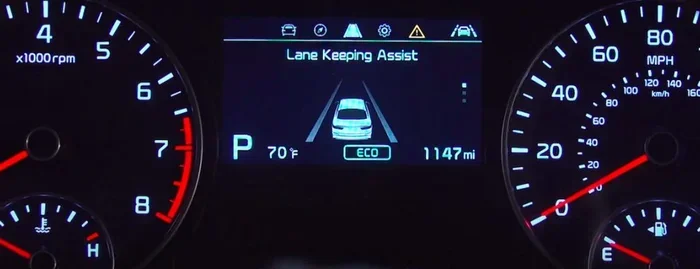
Modern cars come packed with safety tech. Airbags, electronic stability control, automatic emergency braking, and lane-keeping assist all add weight. A 1800 kg car today has more safety equipment than a 1800 kg car from 20 years ago.
So when you compare vehicles, remember that weight includes all that safety gear. It is a trade-off, and most people agree it is worth it.
Comparing Car Weights: A Quick Reference
Not sure how 1800 kg stacks up against other vehicles? Here is a simple comparison table to put things in perspective.
| Vehicle Type | Typical Weight (kg) | Fuel Use (L/100km) | Best For |
|---|---|---|---|
| Subcompact Car | 1100 – 1300 | 5.5 – 6.5 | City driving, saving fuel |
| Compact Sedan | 1300 – 1500 | 6.0 – 7.0 | Commuting, small families |
| Mid-Size Sedan | 1500 – 1800 | 6.5 – 8.0 | Families, long drives |
| Compact SUV | 1600 – 1800 | 7.0 – 8.5 | Families, versatility |
| Mid-Size SUV | 1800 – 2100 | 8.0 – 10.0 | Road trips, towing |
| Full-Size SUV | 2200 – 2600 | 10.0 – 13.0 | Towing, large families |
As you can see, a car that weighs 1800 kg sits right in the middle of the pack. It is not the lightest option, and it is not the heaviest. It is a balanced choice that works for many different drivers and lifestyles.
Quick Tip: How to Find Your Car’s Exact Weight
Want to know the exact weight of your car? Check your owner’s manual. You can also look on the driver’s side door jamb for a sticker that lists the curb weight and GVWR. If you still cannot find it, a quick search with your vehicle’s year, make, and model plus “curb weight” will get you the answer.
How to Manage Your Car’s Weight for Better Performance
Now that you understand why weight matters, let us talk about what you can do about it. A car that weighs 1800 kg is already at a good baseline. But small changes can make a big difference.
Remove Unnecessary Cargo
Every extra kilogram counts. Do you really need that golf bag in the trunk? How about the old toolbox you never use? Clearing out unused items can shave off 10 to 30 kg. That might not sound like much, but it adds up over time and can slightly improve fuel economy.
Choose the Right Tires
Tires add significant weight to your vehicle. Heavy-duty all-terrain tires might be great for off-roading, but they add kilograms that hurt your daily driving efficiency. If you mostly drive on pavement, consider switching to lightweight touring tires. They can reduce unsprung weight and improve handling.
Keep Up with Maintenance
A well-maintained car runs more efficiently, regardless of its weight. Fresh oil, clean air filters, properly inflated tires, and a healthy engine all help your car perform at its best. This is true whether your vehicle weighs 1200 kg or 2200 kg.
Be Smart About Aftermarket Add-Ons
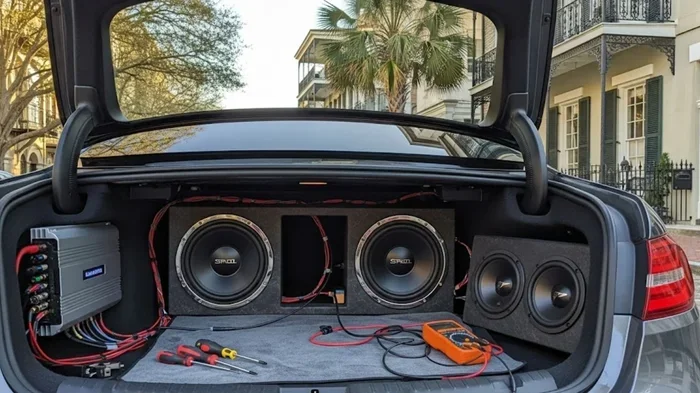
Roof racks, running boards, and heavy audio systems all add weight. Before you bolt something on, ask yourself if you really need it. Every accessory shifts your vehicle further from its optimal weight and can affect fuel economy and handling.
Common Mistakes People Make About Vehicle Weight
There are a few things that car buyers get wrong about weight. Let us clear them up so you do not make the same mistakes.
Thinking Lighter Is Always Better
Yes, lighter cars use less fuel. But they can also feel less stable on the highway and may not score as well in crash tests. A car that weighs 1800 kg is not too heavy. It is a well-balanced weight that offers safety, comfort, and efficiency.
Ignoring Payload Capacity
Just because your car weighs 1800 kg does not mean you can load it up with 400 kg of cargo. Always check your payload capacity before packing the car for a trip. Overloading is dangerous and can damage your vehicle.
Forgetting That Weight Changes Over Time
Your car gets heavier as you add stuff. A new car at 1800 kg might weigh 1850 kg after a few years of ownership. Keep this in mind when you are checking tire pressure, brakes, and suspension components.
Expert Insights: What Mechanics Say About the 1800 kg Weight Class
We talked to a few automotive experts to get their take on cars in the 1800 kg range. Here is what they had to say.
Brake wear: “Cars in this weight class tend to wear brake pads at a moderate rate. You can expect to replace them every 40,000 to 60,000 km with normal driving.”
Tire selection: “Stick with the manufacturer-recommended tire size and load rating. A car at 1800 kg needs tires rated for that weight. Going smaller can compromise safety.”
Suspension maintenance: “Shocks and struts on a 1800 kg vehicle typically last about 80,000 km. Watch for bouncing or uneven tire wear as early signs of wear.”
Fuel filters and injectors: “Heavier vehicles put more demand on the fuel system. Change your fuel filter on schedule and use quality fuel to keep injectors clean.”
These insights show that the 1800 kg weight class is very manageable. With regular care, a car at this weight will serve you well for many years.
Key Takeaways
- A car weighs 1800 kg and that puts it in a popular mid-size category that includes sedans, SUVs, and crossovers.
- Weight directly impacts fuel economy: Heavier vehicles use more fuel, but a 1800 kg car still delivers reasonable efficiency.
- Safety benefits from proper mass: Crash test performance tends to be strong for vehicles in this weight range.
- Performance stays balanced: Acceleration, braking, and handling are all well-suited for daily driving at this weight.
- Payload and towing limits depend on GVWR: Always check your specific model’s ratings before hauling heavy loads.
- Maintenance costs are moderate: Brakes, tires, and suspension wear at a predictable rate for this weight class.
- Smart weight management helps: Removing excess cargo and choosing the right tires can improve your driving experience.
Conclusion
When a car weighs 1800 kg, it lands in one of the most versatile and popular weight classes on the road today. This weight gives you enough mass for a safe, stable ride while keeping fuel costs reasonable. Whether you drive a mid-size sedan, a compact SUV, or a crossover, understanding your vehicle’s weight helps you make better decisions every day.
From fuel economy to safety ratings, from braking distance to payload capacity, your car’s mass touches almost every part of the driving experience. The good news is that 1800 kg is a well-balanced number. It is not too light to feel fragile, and it is not so heavy that it becomes a fuel-guzzling burden.
So the next time you see that a car weighs 1800 kg on a spec sheet, you will know exactly what that means. You will understand the trade-offs, the benefits, and the practical steps you can take to get the most out of your vehicle. Keep this knowledge in your back pocket, and you will be a smarter, more confident driver for years to come.
Take a moment to check your own car’s weight. Look at the door jamb sticker or flip through your owner’s manual. Knowing your numbers is the first step toward better car ownership. And that is something every driver can benefit from.
Frequently Asked Questions
What does curb weight mean for a car that weighs 1800 kg?
Curb weight is the weight of the car with all standard equipment and a full tank of fuel, but without passengers or cargo. When a car weighs 1800 kg at curb weight, that is the baseline number you use to compare vehicles and calculate payload capacity.
Is 1800 kg heavy for a car?
Not really. A car weighing 1800 kg falls into the mid-size range. It is heavier than compact cars but lighter than full-size SUVs. For most drivers, this weight offers the best balance of safety, comfort, and fuel economy.
How does a car weighing 1800 kg affect fuel economy?
A heavier car uses more fuel because the engine has to work harder to move the mass. However, a vehicle at 1800 kg still delivers decent fuel economy, especially with modern engine technology. You can expect around 7 to 8.5 liters per 100 km in mixed driving conditions.
Can I tow a trailer with a car that weighs 1800 kg?
It depends on your specific model’s towing capacity. Some cars at 1800 kg curb weight can tow 1500 kg or more. Always check your owner’s manual for the exact towing rating and never exceed the GVWR.
How does vehicle weight affect insurance rates?
Insurance companies consider vehicle weight as one factor in pricing. Cars at 1800 kg are typically viewed as moderate risk. They are not as expensive to insure as heavy trucks or SUVs, but they may cost slightly more than very lightweight vehicles due to repair costs.
What is the difference between curb weight and gross weight?
Curb weight is the weight of the empty car with fluids and a full tank. Gross weight is the total weight when the car is fully loaded with passengers, cargo, and any trailers. A car that weighs 1800 kg at curb weight might reach 2300 kg or more at gross weight depending on how much you carry.