Why Is My Truck Running Hot And How To Fix It Fast
Why Is My Truck Running Hot? The most common culprits include a low coolant level, a stuck thermostat, a failing water pump, or a broken radiator fan. Left unchecked, an overheating truck engine can cause serious damage like a blown head gasket or cracked engine block. This guide walks you through every cause, symptom, and fix so you can get back on the road safely and quickly.
Why Is My Truck Running Hot And How To Fix It Fast
Your truck engine works incredibly hard. It generates massive amounts of heat every single time you turn the key. A cooling system keeps everything in check. But when that system fails, things go wrong fast. You see steam rising from the hood. The temperature gauge climbs into the red. And suddenly you are stranded on the side of the road wondering what went wrong.
Why Is My Truck Running Hot? The answer is usually simpler than you think. In most cases, it comes down to one of a handful of common problems. A leak in the coolant system, a stuck thermostat, or a failing water pump are responsible for the vast majority of overheating incidents. The good news? Most of these fixes are affordable and straightforward. You can handle many of them yourself with basic tools and a little know-how.
This guide covers every major cause of truck overheating. We break down the symptoms so you can spot trouble early. We walk you through each fix step by step. And we share preventive maintenance tips that keep your engine running cool for years. Whether you drive a Ford, Chevy, Ram, or Toyota, this article has the answers you need.
Key Takeaways
- Low coolant is the #1 reason: A simple top-off often solves the problem fast.
- A stuck thermostat blocks coolant flow: Replacing it is cheap and easy.
- Watch the temperature gauge: It tells you everything you need to know early.
- Don’t ignore steam or smoke: These are emergency signs that need immediate action.
- Regular maintenance prevents overheating: Flush your coolant and inspect hoses every 30,000 miles.
- Some fixes need a pro: Head gasket and water pump issues are best left to a mechanic.
📑 Table of Contents
Common Reasons Why Your Truck Is Running Hot
Understanding the root cause is the first step to fixing the problem. Trucks overheat for many different reasons. Some are minor. Others signal serious engine trouble. Let us break them down one by one.
Low Coolant Level
This is the most common reason trucks overheat. Coolant, also called antifreeze, absorbs heat from the engine and carries it to the truck radiator where it cools down. When the level drops too low, there is not enough coolant to do its job. The engine heats up quickly.
Coolant leaks happen over time. Hoses crack. The radiator develops pinholes. The water pump seal wears out. Even a small leak can drain your system over days or weeks. Check your coolant reservoir regularly. If the level is low, top it off and watch for puddles under your truck.
Thermostat Stuck Closed
The thermostat controls coolant flow. It opens when the engine gets hot and closes when it needs to warm up. When the thermostat gets stuck closed, coolant cannot reach the radiator. The heat has nowhere to go. The engine temperature skyrockets.
A stuck thermostat is one of the easiest overheating engine repair jobs. The part costs under $20. Replacement takes about 30 minutes for most truck owners. If your truck runs hot but the heater blows cold air, a stuck thermostat is very likely the cause.
Water Pump Failure
The water pump is the heart of your cooling system. It pushes coolant through the engine block and hoses. When it fails, coolant stops moving. Heat builds up fast. Water pump failure can happen from age, a worn impeller, or a leaking seal.
Signs of a bad water pump include coolant leaks near the front of the engine, a whining noise, and visible corrosion on the pump. This repair costs more than a thermostat fix. But it is still very doable for most shade-tree mechanics. A water pump replacement typically runs $150 to $300 for parts and labor if you do it yourself.
Radiator Problems
The truck radiator releases heat from the coolant into the air. When the radiator gets clogged or damaged, it cannot cool the coolant properly. Debris, bugs, and sediment build up over time. Internal rust can block flow too.
A clogged radiator often causes overheating at highway speeds or under heavy load. The radiator fan also plays a big role here. If the fan clutch fails or the electric fan motor burns out, the radiator cannot pull enough air through at low speeds or idling.
Blown Head Gasket
A blown head gasket is one of the most serious overheating causes. The head gasket sits between the engine block and the cylinder head. It keeps coolant and oil where they belong. When it fails, coolant can leak into the combustion chambers or oil passages.
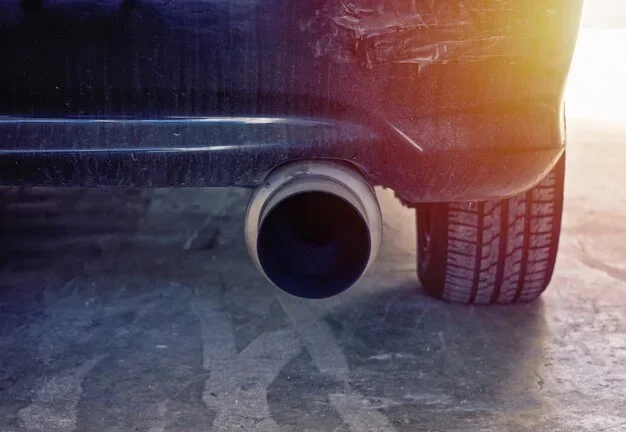
Signs of a blown head gasket include white smoke from the exhaust, a milky residue on the oil cap, bubbling in the coolant reservoir, and loss of power. This repair is expensive. It requires removing the cylinder head. But catching it early prevents catastrophic engine damage.
Cooling System Air Pockets
Air pockets trapped in the cooling system block coolant flow. They create hot spots inside the engine. Even with the right coolant level, air pockets can cause overheating. This often happens after a coolant flush or hose replacement.
Bleeding the system properly solves this. Most trucks have a bleed screw or a specific procedure to remove air. Check your owner’s manual for the exact steps. Taking a few extra minutes to bleed the system can save you from repeat overheating problems.
Broken or Slipping Serpentine Belt
The serpentine belt drives the water pump and often the radiator fan. If the belt breaks or slips, the water pump stops spinning. Coolant stops flowing. The engine overheats within minutes.
Inspect your belt regularly. Look for cracks, fraying, or glazing. A belt that slips squeals when you start the truck. Replacing a serpentine belt is one of the cheapest and easiest repairs you can do. A new belt costs around $15 to $40.
Wrong Coolant Type or Mixture
Not all coolants are the same. Using the wrong type can cause poor heat transfer and corrosion inside the cooling system. A 50/50 mix of coolant and distilled water is the standard for most trucks. Too much water lowers the boiling point. Too much coolant reduces cooling efficiency.
Always use the coolant type recommended in your owner’s manual. Mixing different coolant brands can also cause chemical reactions that clog the system. When in doubt, flush the system and refill with the correct mixture.
Warning Signs Your Truck Engine Is Overheating
Catching overheating early saves your engine. You do not want to wait until steam pours from under the hood. Watch for these warning signs every time you drive.
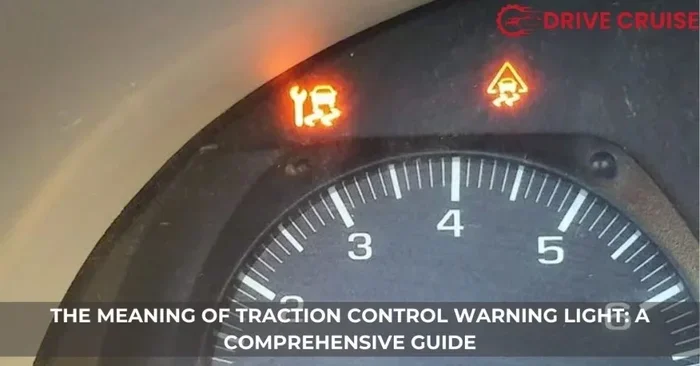
The temperature gauge climbs into the red zone. This is the most obvious signal. Your dashboard has a gauge or a warning light for a reason. Do not ignore it. Pull over safely and shut off the engine.
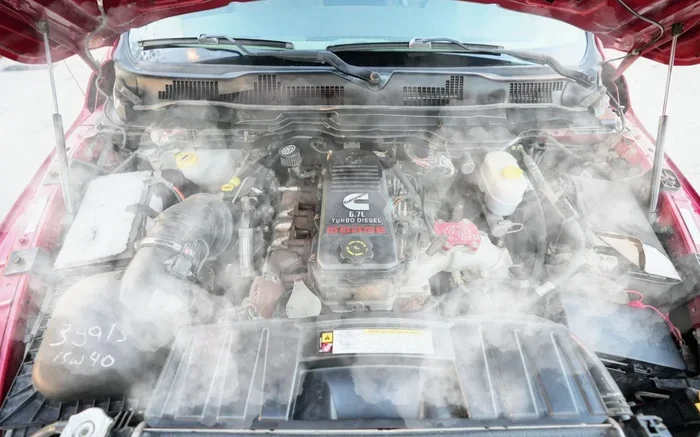
Steam or smoke from the hood. This is an emergency. Steam means coolant is boiling. Pull over immediately. Do not open the hood right away. Hot coolant can cause severe burns. Wait at least 15 minutes for the engine to cool.
Unusual smells from the engine bay. A sweet smell often means coolant is leaking and hitting hot engine parts. A burning smell could indicate oil overheating. Both are serious warnings.
The heater blows cold air. This sounds counterintuitive. But if the coolant is not flowing properly, the heater core gets no hot fluid. A cold heater in summer is a red flag for cooling system problems.
Coolant puddles under your truck. Green, orange, or pink fluid on the ground means a leak. Check the ground where you park regularly. Even small drips add up over time.
Engine runs rough or loses power. Overheating affects combustion. If your truck feels sluggish or misfires, the engine heat could be the cause.
| Warning Sign | Likely Cause | Urgency Level |
|---|---|---|
| Temperature gauge in the red | Any cooling system failure | High – stop and check immediately |
| Steam from hood | Coolant boiling or leak | Emergency – pull over now |
| Sweet smell from engine | Coolant leak on hot surface | High – check for leaks soon |
| Cold heater air | Low coolant or stuck thermostat | Medium – inspect within days |
| Coolant puddle under truck | Hose, radiator, or pump leak | High – check and refill coolant |
| Engine misfires or loses power | Overheating affecting combustion | High – stop driving and cool down |
How To Diagnose the Problem Yourself
You do not need a mechanic to start diagnosing your truck. A few simple checks can point you in the right direction. Here is a step-by-step approach.
Step 1: Check the Coolant Level
Make sure the engine is cool before you open the radiator cap. Place a rag over the cap and twist it off slowly. Release any pressure first. Look at the coolant level in the reservoir or radiator. If it is low, top it off with the correct coolant mix. Watch the temperature gauge after driving for a few minutes. If the level drops again, you have a leak somewhere.
Step 2: Inspect for Visible Leaks
Crawl under your truck and look for wet spots. Check the hoses, radiator, water pump, and heater core connections. A hose that is cracked or soft to the touch needs replacing. A water pump that is weeping coolant from the weep hole is failing.
Step 3: Test the Thermostat
Start the truck cold. Feel the upper radiator hose. It should stay cool until the engine reaches operating temperature. Then it should get hot quickly. If the hose stays cold even when the gauge climbs, the thermostat is stuck closed. If the hose gets hot right away and the engine overheats, the thermostat may be stuck open.
Step 4: Check the Radiator Fan
Let the truck idle until it reaches normal temperature. The radiator fan should kick on when the thermostat calls for cooling. If you do not see or hear the fan activate, check the fan relay, fuse, and wiring. A fan that does not work will cause overheating at idle and low speeds.
Step 5: Look at the Serpentine Belt
Inspect the belt for cracks, glazing, or looseness. A belt that spins freely without tension will not drive the water pump properly. Replace it if it shows any signs of wear.
Step-by-Step Fixes for an Overheating Truck
Once you identify the cause, you can start fixing it. Here are the most common repairs laid out in simple steps.
Fix 1: Topping Off or Replacing Coolant
If your coolant is low, this is the fastest fix. Buy the correct coolant type for your truck. Mix it with distilled water at a 50/50 ratio. Pour it into the reservoir. Start the engine and let it run. Watch the temperature gauge. If it stays normal, you are good to go. If it climbs again, you have a leak to find.
Fix 2: Replacing a Stuck Thermostat
Locate the thermostat housing on your truck. It is usually near the engine block where the upper radiator hose connects. Drain some coolant. Remove the housing bolts. Pull out the old thermostat. Note which way it faces. Install the new one with a fresh gasket. Refill the coolant. Bleed any air from the system. This fix takes about 30 minutes.
Fix 3: Flushing the Cooling System
Over time, rust and sediment build up inside the radiator and engine block. A full coolant flush removes this debris. Drain the old coolant. Flush the system with a radiator flush solution and water. Run the engine for 10 to 15 minutes. Drain again. Refill with fresh coolant mix. A flush is recommended every 30,000 miles or every two years.
Fix 4: Replacing the Water Pump
This is a more involved repair. Locate the water pump on the front of the engine. Remove the serpentine belt. Unbolt the pump from the engine block. Scrape off the old gasket. Install the new pump with a fresh gasket. Torque the bolts to the manufacturer’s specification. Reinstall the belt. Refill and bleed the cooling system.
Fix 5: Repairing or Replacing the Radiator
A small radiator leak can sometimes be repaired with a sealant product. Larger leaks or a clogged radiator need replacement. Remove the hoses and mounting brackets. Take out the old radiator. Install the new one. Reconnect everything. Refill the coolant and bleed the system. A new radiator costs $150 to $400 depending on your truck model.
Preventive Maintenance to Keep Your Truck Cool
Prevention is always better than repair. A few simple habits keep your cooling system working perfectly year after year.
- Check coolant level monthly. A five-minute check catches leaks before they become big problems.
- Flush coolant every 30,000 miles. Old coolant loses its effectiveness. Fresh coolant protects better.
- Inspect hoses and clamps every oil change. Cracked hoses fail without warning. Replace any that feel soft or look worn.
- Test the thermostat annually. A simple test with boiling water checks if it opens at the right temperature.
- Keep the radiator clean. Hose out bugs and debris from the front of the radiator. A clean radiator cools more efficiently.
- Replace the serpentine belt on schedule. Most belts last 60,000 to 100,000 miles. Replace before they fail.
- Monitor the temperature gauge while driving. Make it a habit to glance at the gauge every few minutes.
When To Call a Professional Mechanic
Not every overheating problem is a DIY fix. Some issues require professional tools and expertise. Here is when you should call a mechanic.
If you notice white smoke from the exhaust that will not go away, suspect a blown head gasket. This repair involves removing the cylinder head. It requires special tools like a torque wrench and a head gasket set. The labor is complex and mistakes can lead to expensive engine damage.
If your truck overheats repeatedly after you have fixed the obvious causes, there may be a deeper problem. Internal engine block cracks, a faulty radiator cap, or a malfunctioning cooling system sensor can all cause persistent overheating. A mechanic can run pressure tests and diagnostic scans to find hidden issues.
Also call a pro if you are not comfortable working under the hood. Cooling system repairs involve hot fluids and pressurized components. Safety always comes first. A trusted mechanic can diagnose and fix the problem quickly and correctly.
Key Takeaways
- Low coolant is the #1 reason: A simple top-off often solves the problem fast.
- A stuck thermostat blocks coolant flow: Replacing it is cheap and easy.
- Watch the temperature gauge: It tells you everything you need to know early.
- Don’t ignore steam or smoke: These are emergency signs that need immediate action.
- Don’t ignore steam or smoke: These are emergency signs that need immediate action.
- Regular maintenance prevents overheating: Flush your coolant and inspect hoses every 30,000 miles.
- Some fixes need a pro: Head gasket and water pump issues are best left to a mechanic.
Conclusion
Why Is My Truck Running Hot does not have to be a mystery. Most overheating problems come down to a handful of common causes. Low coolant, a stuck thermostat, a failing water pump, or a clogged radiator account for the vast majority of cases. The key is catching the problem early and acting before engine damage occurs.
Use the warning signs we covered to spot trouble. Check your temperature gauge, watch for steam, and inspect your coolant level regularly. When you find the problem, follow the step-by-step fixes in this guide. Many overheating repairs are simple and affordable. You can do them yourself with basic tools and a little patience.
Prevention is your best long-term strategy. Flush your coolant on schedule, inspect hoses and belts, and keep the radiator clean. These small habits save you from costly repairs and keep your truck running strong for years to come.
If the problem persists or you are unsure about a repair, do not hesitate to call a professional mechanic. Your truck engine is worth protecting. A quick diagnosis and proper fix will get you back on the road safely and confidently.
Frequently Asked Questions
Can I drive my truck while it is overheating?
You should not. Driving an overheating truck can cause serious engine damage like a cracked head gasket or warped cylinder head. Pull over safely, turn off the engine, and let it cool down for at least 15 minutes before checking anything.
How much does it cost to fix an overheating truck?
The cost depends on the cause. A thermostat replacement costs $50 to $150. A water pump repair runs $150 to $300. A radiator replacement can be $150 to $400. A head gasket repair is the most expensive, often ranging from $1,000 to $2,000 or more.
How do I know if my head gasket is blown?
Look for white smoke from the exhaust, a milky residue on the oil cap, bubbles in the coolant reservoir, and unexplained coolant loss. If you notice these signs together, have a mechanic test for head gasket failure right away.
What coolant should I use in my truck?
Always use the coolant type specified in your owner’s manual. Most modern trucks use OAT or HOAT coolant. Mixing different coolant types can cause chemical reactions that clog the cooling system and reduce cooling efficiency.
Can a bad radiator cap cause overheating?
Yes. The radiator cap maintains pressure in the cooling system. A weak or faulty cap lowers the boiling point of the coolant and can cause overheating. Replacing a radiator cap is cheap and takes less than five minutes.
How often should I flush my truck’s cooling system?
A coolant flush every 30,000 miles or every two years is the standard recommendation. Check your owner’s manual for the exact schedule for your truck model. Fresh coolant protects the engine better than old, degraded fluid.