Why Is My Traction Control Light On Heres What To Know
Your traction control light is on and you’re wondering why? This guide explains the most common causes, what it means for your safety, and how to fix it. Read on to learn when to drive and when to stop.
Your traction control light is on and you’re staring at it on the dashboard. That little yellow or red symbol can feel scary, but it’s actually trying to tell you something important. The traction control light is part of your car’s safety system that stops wheels from slipping when the road is wet or uneven. When it stays lit, the system may not be able to help you keep grip. In this article, you’ll learn what the light means, the most common reasons it turns on, and what you should do next. We’ll also cover whether it’s safe to keep driving and how to fix the problem.
Many drivers ignore a traction control warning until something goes wrong on a rainy day. That’s a mistake. The traction control system works closely with your ABS and stability control to keep the car stable. If a sensor or module fails, the light warns you that this protection is reduced. Understanding the cause helps you act fast and stay safe. Let’s break down everything you need to know about that glowing symbol on your dash.
Key Takeaways
- A lit traction control light means the system that prevents wheel slip is not working properly.
- Common causes include bad wheel speed sensors, low brake fluid, and wiring problems.
- Driving is risky on wet or icy roads when the light is on because you can lose control.
- Simple resets like turning the car off and on may fix a temporary glitch.
- See a mechanic if the light stays on, flashes, or comes with other warning lights.
- Regular maintenance such as checking brake fluid and sensors helps prevent the issue.
📑 Table of Contents
What Does the Traction Control Light Mean?
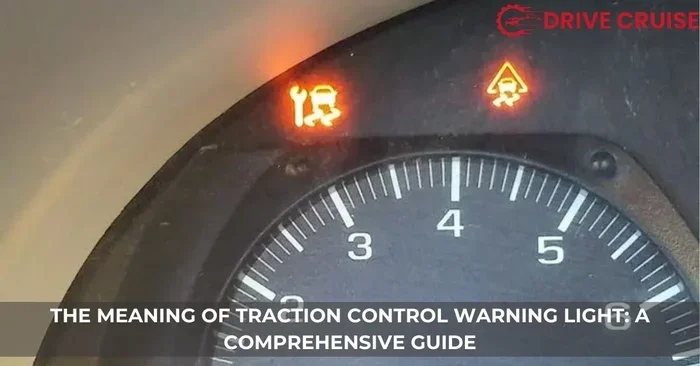
The traction control light looks like a car with squiggly lines behind it, or sometimes just the letters TRAC. It’s part of the dashboard warning light family. When the light is solid, it means the system is off or has a problem. If it flashes, the system is actively trying to regain traction, often because the wheels are slipping. A steady light usually signals a fault that needs attention.
Traction control uses sensors at each wheel to monitor speed. If one wheel spins faster than the others on a slippery surface, the system cuts power or applies the brake to that wheel. This helps you accelerate smoothly and stay on course. When the traction control light stays on, that safety net is disabled. You may still be able to drive, but the car is more likely to slide, especially in rainy weather or on icy roads.
Common Reasons Why Your Traction Control Light Is On
Several issues can trigger the traction control light. Most are not emergencies, but they do need fixing. Here are the top causes you should know about.
Faulty Wheel Speed Sensors
The most common reason for a lit traction control light is a bad wheel speed sensor. These small devices sit near the wheels and measure how fast each one turns. Dirt, metal shavings, or damage can make them send wrong signals. When the system can’t read the speed correctly, it shuts down and turns on the light. You might also notice the ABS light coming on at the same time because both systems share these sensors.
Low Brake Fluid or ABS Issues
Your traction control system relies on the same hydraulic system as your brakes. If the brake fluid is low, the light may turn on. A leak in a brake line or a failing ABS pump can also cause the problem. The ABS, or anti-lock braking system, works hand in hand with traction control. When the ABS has a fault, the traction control light often follows. Check your brake fluid reservoir under the hood to see if it’s below the minimum line.
Traction Control System Malfunction
Sometimes the issue is in the control module itself. The traction control module is a small computer that processes sensor data and tells the brakes or engine what to do. Water damage, heat, or age can fry the module. When it fails, the traction control light stays on and you may see a message like “Traction Control Off.” In this case, the system cannot be reset until the module is repaired or replaced.
Steering Angle Sensor Problems
The steering angle sensor tells the car where the wheels are pointed. If it’s out of calibration or faulty, the stability control system gets confused. This can light up the traction control light and the check engine light too. A steering angle sensor reset often fixes this, but you’ll need a scan tool to do it properly.
Electrical or Wiring Issues
Corroded connectors, damaged wires, or a blown fuse can interrupt the signal to the traction control system. The traction control light may come on after hitting a pothole or going through a deep puddle. A simple fuse check can reveal if a traction control fuse has blown. Repairing a wire or cleaning a connector often solves the issue without expensive parts.
Is It Safe to Drive With the Traction Control Light On?
The short answer is: it depends. On a dry, clear road at low speed, you can likely drive a short distance to a safe spot. The car will still brake and steer, but you lose the extra grip help. However, driving with the traction control light on in heavy rain, snow, or ice is risky. Without traction control, your wheels can spin when you accelerate, and the car may slide during turns. You could lose control and cause an accident.
If the light comes on while you’re on the highway, stay calm and reduce your speed gently. Avoid sudden acceleration or sharp turns. Find a safe place to pull over and check the dashboard for other warning lights. If you see the ABS light or a red brake warning too, stop driving and call for help. A traction control malfunction should never be ignored when road conditions are poor.
How to Reset the Traction Control Light
A simple reset can fix a temporary glitch. Try these steps before heading to a shop:
- Turn the car off and back on. This reboots the sensors and module. Many lights go away after a full restart.
- Check the fuse. Look up your owner’s manual for the traction control fuse location. Replace it if it’s blown.
- Inspect the sensors. Wipe the wheel speed sensors clean with a cloth. Dirt buildup is a common culprit.
- Use an OBD2 scanner. Plug it into the diagnostic port under the dash. It can read the error code and clear it if the problem is fixed.
If the light returns after a reset, the issue is real and needs a proper fix. Don’t keep resetting it without finding the root cause.
When to See a Mechanic
Some fixes are simple, but others need a professional. You should see a mechanic if:
- The traction control light stays on after a reset.
- The light flashes repeatedly and the car feels unstable.
- You see multiple warning lights at once, like ABS, check engine, or brake lights.
- You hear strange noises from the wheels or brakes.
- The car has been in a collision or hit a deep puddle.
A mechanic can run a full diagnostic scan, check the wiring, and test the control module. They’ll tell you if you need a new sensor, a brake fluid top-up, or a module replacement. Getting the fix done early keeps you safe and prevents bigger repair bills later.
Preventing Traction Control Light Issues
You can reduce the chances of seeing that traction control light on your dash. Follow these simple tips:
- Check brake fluid regularly. Top it up with the correct type if it’s low.
- Keep sensors clean. During car washes, avoid high-pressure sprays directly at the wheel speed sensors.
- Drive carefully over potholes and speed bumps. Impact damage can jar sensors and loosen wiring.
- Replace worn brake parts. Old brake pads or leaky seals can affect the ABS and traction systems.
- Get routine inspections. A quick check during oil changes can spot loose connectors or damaged wires early.
Taking care of your car’s braking and stability systems means the traction control system stays ready when you need it most. A little prevention goes a long way toward avoiding unexpected warning lights.
That glowing traction control light is your car’s way of asking for attention. Most causes are easy and affordable to fix, from a dirty sensor to a low brake fluid level. Ignoring it, though, can leave you vulnerable on slippery roads. Now you know what the light means, the common reasons it turns on, and how to respond safely. Pay attention to the warning, act quickly, and you’ll keep your car’s safety systems working as they should.
Frequently Asked Questions
What does it mean when the traction control light comes on?
It means the system that stops your wheels from slipping has detected a problem. The light could be triggered by a bad sensor, low brake fluid, or a wiring fault. It’s a warning that traction control is not fully active.
Can I drive my car with the traction control light on?
You can drive a short distance on dry roads, but it’s not safe in rain or ice. The system won’t help you keep grip, so you could slide. Have the car checked as soon as possible.
How much does it cost to fix a traction control light?
The cost depends on the cause. Cleaning a sensor or replacing a fuse might cost under $50. A new wheel speed sensor or control module can run from $100 to $400 or more, depending on your car.
Will the traction control light turn off by itself?
Yes, if the issue is temporary, like a dirty sensor or a brief electrical glitch. After a restart or cleaning, the light may go away. If it stays on, you need to find and fix the real problem.
What is the difference between the traction control light and the ABS light?
Both lights relate to wheel grip and braking. The ABS light means the anti-lock braking system has a fault. The traction control light means the system that prevents wheel spin during acceleration has a problem. They often share sensors, so one can trigger the other.
Can a low battery cause the traction control light to come on?
Yes, a weak battery or low voltage can confuse the car’s computer and trigger warning lights, including the traction control light. If the light appears after a jump start or when the battery is old, have the electrical system tested.