How Much Is Car Insurance in Nevada and What Affects It
Car insurance in Nevada typically costs between $1,200 and $2,000 per year for full coverage. Rates depend on your driving record, credit score, vehicle type, and location within the state. Understanding what drives these costs helps you find the best deal.
Car insurance is one of the biggest ongoing costs of owning a vehicle. If you live in Nevada or are thinking about moving there, you probably want to know what to expect. How much is car insurance in Nevada? The answer depends on a lot of factors. In this guide, we break down average costs, what drives those numbers, and how you can save money.
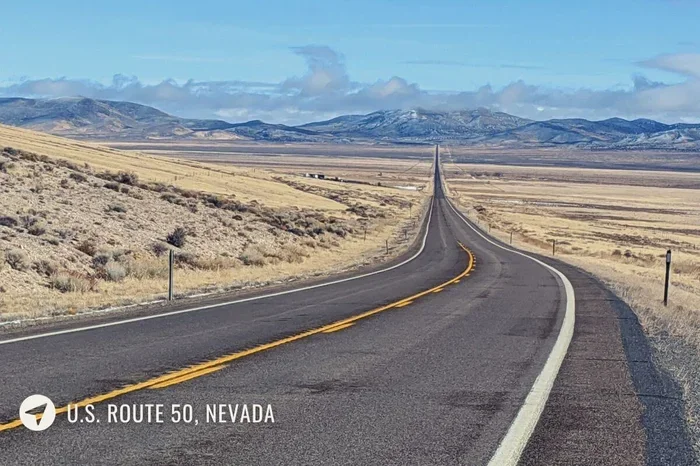
Nevada is a beautiful state with deserts, mountains, and vibrant cities. But living here comes with unique insurance considerations. From the busy streets of Las Vegas to the quiet highways of rural counties, your location plays a big role in what you pay. Let us dive into everything you need to know about car insurance rates in Nevada.
Key Takeaways
- Average Cost: Nevada drivers pay around $1,400 to $1,800 annually for full coverage car insurance.
- Minimum Requirements: Nevada mandates liability coverage of $25,000 per person and $50,000 per accident for bodily injury.
- Key Factors: Your driving record, credit score, age, vehicle type, and location all impact your premium.
- Money-Saving Tips: Bundling policies, raising deductibles, and maintaining a clean driving record can lower costs.
- Urban vs. Rural: Drivers in Las Vegas and Reno pay more than those in rural areas due to higher risk.
- Comparison Shopping: Getting quotes from multiple insurers helps you find the best rate for your situation.
📑 Table of Contents
- Average Cost of Car Insurance in Nevada
- What Affects Car Insurance Rates in Nevada
- Nevada Car Insurance Requirements
- How to Save Money on Car Insurance in Nevada
- Common Mistakes That Increase Your Insurance Costs
- Expert Tips for Nevada Drivers
- How to Get the Best Car Insurance Quote in Nevada
- The Future of Car Insurance in Nevada
- Frequently Asked Questions
- Conclusion
Average Cost of Car Insurance in Nevada
So, what does the typical Nevada driver pay? On average, full coverage car insurance in Nevada costs between $1,200 and $2,000 per year. That breaks down to roughly $100 to $170 per month. Minimum coverage is cheaper, usually around $500 to $800 per year.
But these numbers are just averages. Your personal rate could be much higher or lower depending on your situation. Let us look at what drives these differences.
Full Coverage vs. Minimum Coverage
Full coverage includes liability, collision, and comprehensive insurance. It protects your car from damage in accidents, theft, and weather events. Minimum coverage only meets the state requirements. It covers other people’s injuries and property damage if you are at fault.
Here is a quick comparison:
- Minimum Coverage: $500 to $800 per year. Meets Nevada legal requirements.
- Full Coverage: $1,200 to $2,000 per year. Includes collision and comprehensive.
- Add-Ons (Roadside, Rental, etc.): Adds $200 to $500 per year depending on coverage.
Most drivers in Nevada choose full coverage. It offers better protection and peace of mind. Especially if you have a newer car or a loan on your vehicle.
What Affects Car Insurance Rates in Nevada
Insurance companies use many factors to set your premium. Understanding these can help you make smart choices. Here are the biggest factors that affect auto insurance rates in Nevada.
Your Driving Record
This is probably the biggest factor. If you have a clean driving record with no accidents or tickets, you pay less. Speeding tickets, DUIs, and at-fault accidents raise your rates significantly. A single DUI in Nevada can increase your premium by 30% or more.
Insurance companies view drivers with violations as higher risk. They charge more to offset that risk. The good news? Your record improves over time. Most violations stop affecting your rates after three to five years.
Credit Score
In most states, including Nevada, insurers check your credit score. A higher credit score usually means lower premiums. This might seem unfair, but studies show a correlation between credit scores and claim frequency.
If your credit score is less than perfect, do not worry. There are other ways to save. Maintaining continuous coverage and avoiding claims can help offset a lower credit score. Some insurers also offer programs that look beyond just your credit.
Your Vehicle Type
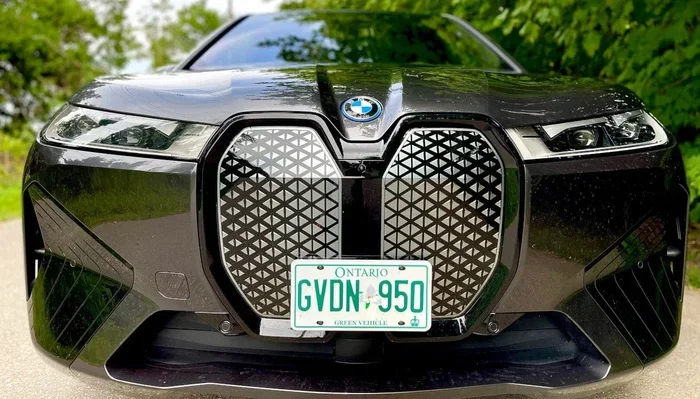
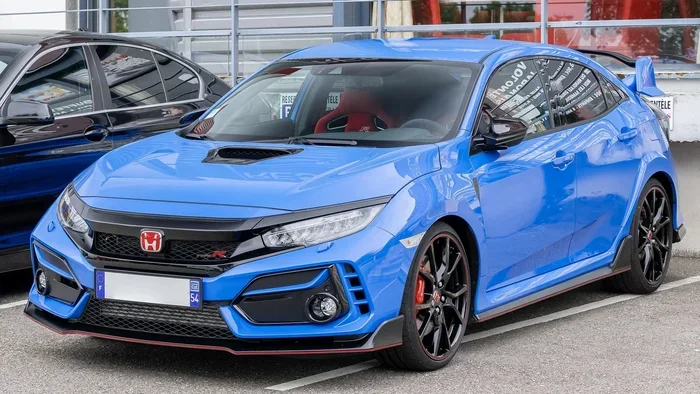
The car you drive matters a lot. A brand-new luxury SUV costs more to insure than a ten-year-old sedan. Here is why:
- Repair Costs: Luxury and imported vehicles cost more to fix.
- Safety Ratings: Cars with high safety ratings often get discounts.
- Theft Risk: Popular stolen vehicles carry higher premiums.
- Vehicle Age: Older cars may not need comprehensive or collision coverage.
Before buying a car, check how much it will cost to insure. This is a step many buyers forget. It can save you from a nasty surprise on your first bill.
Your Age and Driving Experience
Young drivers pay the most. In Nevada, drivers under 25 face the highest premiums. This is because statistics show younger drivers are more likely to get into accidents.
Rates start to drop around age 25. They continue to improve as you gain experience. Drivers over 55 often qualify for additional discounts. Senior drivers with clean records can enjoy some of the lowest rates.
Location Within Nevada
Where you live in Nevada matters a lot. Urban areas like Las Vegas and Reno have higher rates than rural areas. More cars on the road means more accidents and more claims.
Here is a rough breakdown:
- Las Vegas: Highest rates due to traffic density and tourist volume.
- Reno: Slightly lower than Las Vegas but still above average.
- Carson City: Moderate rates, below the state average.
- Rural Nevada: Lowest rates. Less traffic means less risk.
If you move from one city to another, your insurance bill can change a lot. Always notify your insurer when you move.
Nevada Car Insurance Requirements
Nevada has specific laws about how much insurance you must carry. Understanding these requirements helps you avoid fines and legal trouble.
Minimum Liability Coverage
Nevada requires all drivers to carry a minimum amount of liability insurance. The current minimums are:
- $25,000 per person for bodily injury.
- $50,000 per accident for bodily injury.
- $20,000 per accident for property damage.
This is often written as 25/50/20. While this meets the legal requirement, it may not be enough to protect you financially. A serious accident can easily exceed these limits.
Uninsured Motorist Coverage
Nevada does not require uninsured motorist coverage, but it is a smart add-on. If someone without insurance hits you, this coverage pays for your medical bills and car repairs. Given that about 10% of Nevada drivers lack insurance, this coverage is worth considering.
Personal Injury Protection (PIP)
Nevada is not a no-fault state, so PIP is not required. However, it can be very helpful. PIP covers your medical expenses regardless of who caused the accident. It also covers lost wages and other related costs.
How to Save Money on Car Insurance in Nevada
Everyone wants to pay less for insurance. The good news is there are many ways to reduce your Nevada car insurance premium. Here are proven strategies that work.
Shop Around and Compare Quotes
Never settle for the first quote you get. Different insurers price the same risk very differently. Getting quotes from at least three companies can save you hundreds of dollars per year. Use online comparison tools to make this process faster.
Also, check insurers that specialize in Nevada. They understand local risk factors better than national companies. This local knowledge can translate into better rates for you.
Bundle Your Insurance Policies
Most insurance companies offer discounts when you combine home and auto insurance. Bundling can save you 10% to 25% on your overall premiums. If you own a home or rent, ask about bundle options.
Raise Your Deductible
A higher deductible means lower monthly payments. If you can afford to pay more out of pocket in a claim, this is an easy way to save. Raising your deductible from $500 to $1,000 can reduce your premium by 15% to 30%.
Maintain a Clean Driving Record
Drive safely and avoid tickets. This is the most straightforward way to keep your rates low. Consider taking a defensive driving course. Many insurers offer discounts for completing these courses.
Ask About Discounts
Insurers offer many discounts that most people never ask about. Here are some common ones:
- Good Driver Discount: For drivers with no violations in 3+ years.
- Good Student Discount: For students maintaining a B average or higher.
- Multi-Car Discount: For insuring more than one vehicle.
- Low-Mileage Discount: For drivers who put fewer than 7,500 miles per year.
- Safe Vehicle Discount: For cars with advanced safety features.
Always ask your agent about available discounts. You might be surprised at what you qualify for.
Maintain Continuous Coverage
Letting your insurance lapse can cause your rates to spike when you reapply. Even if you do not drive often, keep a policy active. Nevada law requires continuous coverage, and insurers penalize gaps heavily.
One way to maintain coverage without driving much is to consider a low-mileage policy. Some insurers offer special rates for people who drive infrequently.
Common Mistakes That Increase Your Insurance Costs
Many Nevada drivers unknowingly make mistakes that raise their premiums. Here are the most common ones to avoid.
Not Reviewing Your Policy Annually
Insurance needs change over time. If you paid off your car loan, you might not need full coverage anymore. Or maybe you moved to a safer neighborhood. Reviewing your policy each year ensures you are not overpaying.
Choosing the Wrong Deductible
Some people pick the lowest deductible to keep monthly payments low. But this means paying more in the long run. Choose a deductible you can comfortably afford in an emergency.
Ignoring Your Credit Score
Since insurers use credit scores in Nevada, ignoring yours is a mistake. Work on improving your credit, and you will see the benefits on your insurance bill too.
Not Disclosing All Drivers
If someone else regularly drives your car, they should be listed on your policy. Leaving them off can lead to denied claims. Always be honest with your insurer about who drives your vehicle.
Skipping Roadside Assistance
Some people drop roadside assistance to save money. But a single tow can cost $200 or more. For a small annual fee, roadside assistance can pay for itself quickly. Think of it as insurance for your insurance.
Expert Tips for Nevada Drivers
Here are some insider tips from insurance professionals who know the Nevada market well.
Tip 1: Know Your Neighborhood. Insurers rate zip codes differently. Two houses five miles apart can have very different rates. Before buying a home, check insurance costs for the area.
Tip 2: Pay Annually If Possible. Many insurers charge a fee for monthly payments. Paying your premium once a year avoids these fees and can save you $50 to $100 per year.
Tip 3: Keep Your Car Garaged. Parking your car in a garage rather than on the street can lower comprehensive premiums. It reduces the risk of theft and weather damage.
Tip 4: Consider Usage-Based Insurance. If you drive less than average, telematics programs can save you significant money. These programs track your driving habits and reward safe behavior with lower rates.
Tip 5: Stay Loyal But Not Too Loyal. Staying with one insurer for years can earn loyalty discounts. But shopping around every two to three years ensures you are still getting the best deal. The insurance market changes fast, and a better deal may appear.
How to Get the Best Car Insurance Quote in Nevada
Getting a good quote is about more than just filling out a form. Here is a step-by-step approach to getting the best possible rate.
First, gather your information before you start. You will need your driver’s license number, vehicle identification number (VIN), and current policy details if you are switching. Having everything ready speeds up the process and ensures accurate quotes.
Next, get quotes from at least five different companies. Use both online comparison sites and direct insurer websites. Each channel may offer different rates.
Then, compare coverage levels, not just prices. A cheaper quote might offer less coverage. Make sure you are comparing apples to apples. Look at deductibles, coverage limits, and included benefits.
Finally, read reviews before you decide. A cheap policy means nothing if the insurer handles claims poorly. Check customer satisfaction ratings and claims processing times.
Also, consider working with an independent insurance agent. They can access quotes from multiple companies and help you find the best fit for your needs. Many agents offer free consultations and can save you hours of research.
The Future of Car Insurance in Nevada
The insurance industry is changing fast. Technology is reshaping how policies are priced and managed. Here are some trends Nevada drivers should watch.
Telematics and Pay-Per-Mile Insurance. More insurers now offer usage-based policies. These track how much you drive and how safely you drive. Low-mileage drivers can save significantly with these programs.
Electric Vehicle Insurance. As EVs become more popular in Nevada, insurers are developing specialized policies. EV insurance can be cheaper due to lower theft risk but may cost more for repairs. The market is still evolving.
Autonomous Vehicles. Self-driving cars are on the horizon. Insurers are already preparing for how these will change risk calculations. When autonomous vehicles become common, premiums may drop significantly for certain models.
Digital Claims Processing. Many insurers now offer app-based claims. You can file a claim, upload photos, and get a settlement offer in minutes. This makes the post-accident process much less stressful.
Frequently Asked Questions
What is the minimum car insurance required in Nevada?
Nevada requires 25/50/20 liability coverage. This means $25,000 per person for bodily injury, $50,000 per accident for bodily injury, and $20,000 for property damage. These minimums are the legal floor, but higher coverage is recommended for better protection.
How much does full coverage car insurance cost in Nevada?
Full coverage in Nevada averages $1,200 to $2,000 per year. This includes liability, collision, and comprehensive coverage. Your exact cost depends on your driving record, vehicle type, location, and credit score.
Does your credit score affect car insurance rates in Nevada?
Yes, in Nevada, insurers use credit scores as a rating factor. Drivers with higher credit scores generally pay lower premiums. Improving your credit can lead to meaningful savings on your insurance bill over time.
Can you get cheap car insurance in Nevada if you have a bad driving record?
It is possible, but options are limited. Some insurers specialize in high-risk drivers. You can also improve your record over time by driving safely and taking defensive driving courses. Rates typically decrease as violations age off your record.
Is car insurance more expensive in Las Vegas than in rural Nevada?
Yes, Las Vegas has higher rates than rural areas. The higher traffic volume, accident rates, and theft risk in urban areas drive up premiums. Rural Nevada drivers enjoy some of the lowest rates in the state.
What discounts can help lower my car insurance in Nevada?
Common discounts include good driver, good student, multi-car, low-mileage, and safe vehicle discounts. Bundling home and auto insurance also saves money. Ask your insurer about every available discount, as many go unclaimed.
Conclusion
Car insurance in Nevada is a necessary cost that every driver must budget for. The average full coverage policy runs between $1,200 and $2,000 per year, but your personal rate depends on many factors. Your driving record, credit score, vehicle type, age, and location all play a role in determining what you pay.
The good news is you have control over many of these factors. Drive safely, maintain good credit, and shop around for the best quotes. Use discounts wisely and review your policy annually. These simple steps can save you hundreds of dollars every year.
Nevada is a great place to live and drive. With the right insurance strategy, you can protect yourself on the road without breaking the bank. Take action today, compare your options, and find the best car insurance in Nevada for your needs. Your future self will thank you.