How Do You Release Gas From a Tank And Feel Amazing
Releasing gas from a tank is a simple but important skill every car owner should know. Whether you need to drain old fuel, perform maintenance, or prepare your vehicle for storage, this guide walks you through the entire process safely. You will learn proven methods, essential safety tips, and common mistakes to avoid.
Have you ever wondered how to release gas from a tank without making a mess or putting yourself at risk? Whether you are preparing a vehicle for long-term storage, dealing with old fuel, or just performing routine maintenance, knowing how to safely drain fuel is a valuable skill. This guide breaks everything down into simple steps that anyone can follow. You do not need to be a mechanic to get this done right.
Fuel management is an overlooked part of vehicle care. Many drivers ignore their gas tank until something goes wrong. But taking the time to understand your fuel system can save you money, prevent repairs, and keep your car running smoothly. Releasing gas from a tank might sound intimidating, but it is actually quite straightforward once you know what you are doing.
In this article, we will cover every aspect of fuel release. From the tools you need to the safety precautions that protect you. We will also share expert tips and common mistakes so you can avoid costly errors. By the end, you will feel confident handling your vehicle’s fuel system like a pro.
Key Takeaways
- Point 1: Releasing gas from a tank requires the right tools and safety gear to do it properly.
- Point 2: There are multiple methods including siphoning, draining, and using a fuel release valve.
- Point 3: Safety must come first when handling fuel due to fire and health risks.
- Point 4: Knowing when to release gas can save you money on repairs and improve fuel efficiency.
- Point 5: Common mistakes like improper ventilation and open flames can be dangerous.
- Point 6: Regular fuel system maintenance keeps your vehicle running smoothly and extends its life.
📑 Table of Contents
- Understanding Your Vehicle Fuel System
- Reasons You Might Need to Release Gas From a Tank
- Tools and Equipment You Will Need
- Step-by-Step Guide to Releasing Gas From a Tank
- Safety Precautions When Releasing Fuel
- Common Mistakes to Avoid When Releasing Gas
- Expert Tips for Better Fuel Management
- When to Seek Professional Help
- Conclusion
Understanding Your Vehicle Fuel System
Before you start draining fuel, it helps to understand how your gas tank and fuel system work. A basic fuel system includes the tank, fuel pump, fuel lines, fuel filter, and the engine. Each part plays a role in delivering fuel from the tank to the engine efficiently.
The gas tank stores your fuel securely. It is designed to handle pressurized liquids and prevent leaks. Modern vehicles often have a fuel release valve or a drain plug at the bottom of the tank. Older vehicles may not have this feature, which means you need to use a siphoning method instead.
How the Fuel System Works
Here is a simple breakdown of how fuel moves through your vehicle:
- Fuel Tank: Stores the gasoline or diesel safely.
- Fuel Pump: Pushes fuel from the tank through the lines.
- Fuel Filter: Removes dirt and debris before fuel reaches the engine.
- Fuel Lines: Transport fuel from the tank to the engine.
- Engine: Uses the fuel to create combustion and power the vehicle.
Understanding this system makes it easier to figure out the best way to release fuel. For example, if you want to know can a hybrid run without gas, the answer depends on your specific hybrid type. Some hybrids use gas to generate electricity, while others rely on the gas engine directly. Either way, knowing your fuel system is the first step to proper maintenance.
Reasons You Might Need to Release Gas From a Tank
There are several practical reasons why you would need to drain fuel from your tank. Not every reason is an emergency, but each one matters for keeping your vehicle in good shape.
Storing Your Vehicle Long-Term
If you plan to store a car for several months, old fuel can cause problems. Gasoline breaks down over time. It loses its volatility and can leave sticky residues inside the fuel lines and carburetor. This leads to hard starts and poor performance when you try to use the vehicle again.
Draining the tank before storage prevents these issues. It also reduces the risk of fuel degradation clogging your fuel system. Many mechanics recommend releasing gas from the tank before putting a vehicle in storage for more than 30 days.
Contaminated Fuel or Water in the Tank
Sometimes water or debris gets into the fuel tank. This can happen through condensation or a faulty gas cap. Contaminated fuel can cause engine stalling, rough idling, and reduced gas mileage. Draining the tank and refilling with fresh fuel is often the best fix.
Switching Fuel Types
If you are switching from regular gas to a different octane level or even switching to an ethanol blend, you may want to clear the old fuel first. This ensures a clean transition and prevents mixing issues that could affect engine performance.
Tools and Equipment You Will Need
Releasing gas from a tank is much easier when you have the right tools. You do not need anything fancy, but having the proper equipment makes the job safer and faster.
| Tool | Purpose |
|---|---|
| Fuel-safe siphon pump | Transfers fuel without spills |
| Drain pan or container | Catches the drained fuel safely |
| Wrench set | Opens drain plugs or fuel line fittings |
| Fuel-resistant gloves | Protects your hands from chemicals |
| Safety goggles | Protects your eyes from splashes |
| Fire extinguisher | Emergency safety measure |
| Funnel | Helps transfer fuel cleanly |
Always use containers that are rated for fuel storage. Regular plastic containers can degrade and leak. A proper fuel-safe container keeps you and your vehicle safe during the process.
Quick Tips for Tool Selection
- Choose a siphon pump that matches your vehicle’s fuel type.
- Make sure your drain pan is large enough to hold the full tank volume.
- Keep a rag or towel handy for quick spills and cleanup.
- Never use tools made of incompatible materials with fuel.
Step-by-Step Guide to Releasing Gas From a Tank
Now let us get into the actual process. Follow these steps carefully and you will release gas from your tank safely and efficiently.
Step 1: Park on a Level Surface
Find a flat, stable surface to work on. A level driveway or garage floor is ideal. This prevents fuel from flowing unevenly and reduces the risk of spills. Always work in a well-ventilated area away from any open flames or sparks.
Step 2: Turn Off the Engine and Let It Cool
Make sure the engine is completely off and has cooled down. Hot engine parts can ignite fuel vapors. Wait at least 10 to 15 minutes after driving before you start any fuel-related work. This is one of the most important safety precautions you can take.
Step 3: Locate the Drain Plug or Fuel Release Valve
Check underneath your vehicle for a drain plug or fuel release valve. Not all vehicles have one. If your car does, place your drain pan directly below it. Use a wrench to slowly open the plug and let the fuel flow out.
If your vehicle does not have a drain plug, you will need to use the siphoning method described in the next step.
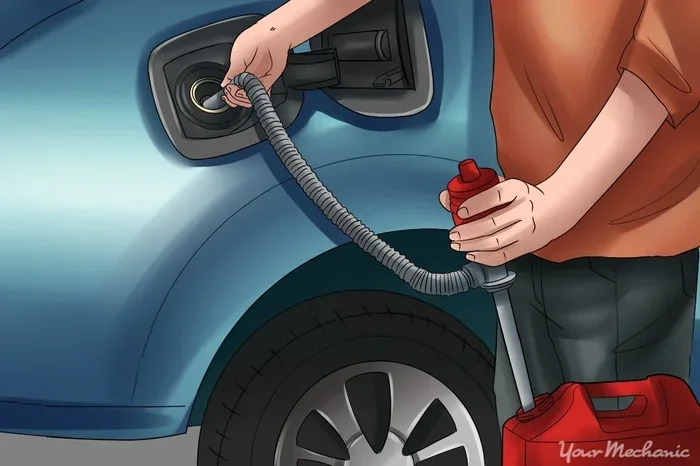
Step 4: Use a Siphon Pump (For Vehicles Without a Drain Plug)
A siphon pump is the most common tool for releasing fuel. Here is how to use one:
- Insert the siphon tube into the fuel tank through the gas cap.
- Place the other end of the tube into your drain container.
- Start the siphon by pumping the handle or using gravity.
- Let the fuel flow out steadily until the tank is empty or at your desired level.
- Remove the tube and cap the fuel container tightly.
This method works well for most passenger vehicles. It is clean, simple, and does not require any vehicle modifications.
Step 5: Dispose of the Fuel Properly
Never dump old fuel on the ground or into a drain. Take it to a local recycling center or auto parts store that accepts used fuel. Many places offer free fuel recycling services. Proper disposal protects the environment and keeps you on the right side of local regulations.
Step 6: Inspect and Refill
After draining, take a moment to inspect the tank and fuel lines. Look for any signs of rust, corrosion, or damage. If everything looks good, refill with fresh fuel and you are all set.
Safety Precautions When Releasing Fuel
Working with fuel requires respect and caution. Gasoline is highly flammable and can cause serious health issues if handled improperly. Here are the key safety rules you must follow.
First, always work in a well-ventilated area. Fuel vapors are heavier than air and can collect in low spaces. A closed garage might seem convenient, but it is extremely dangerous. Move your vehicle outside or work in an open-air space.
Second, keep all ignition sources away from your work area. This includes cigarettes, lighters, and even static electricity. Disconnect any electrical equipment nearby and avoid using cell phones while handling fuel.
Third, wear protective gear. Fuel-resistant gloves and safety goggles protect your skin and eyes from splashes. Fuel can cause chemical burns and irritation with prolonged contact.
Fourth, keep a fire extinguisher within arm’s reach. You never know when an accident might happen, and being prepared can prevent a disaster. A small Class B fire extinguisher is perfect for fuel-related emergencies.
What Not to Do
- Do not smoke anywhere near the fuel release area.
- Do not use open flames to check for leaks.
- Do not let fuel come into contact with painted surfaces.
- Do not breathe in fuel vapors directly.
- Do not leave a fuel container uncovered while working.
Following these simple rules keeps you safe and makes the entire process much smoother. If you ever feel unsure about any step, consult a professional mechanic. There is no shame in asking for help.
Common Mistakes to Avoid When Releasing Gas
Even with the best intentions, mistakes happen. Here are the most common errors people make when trying to release gas from a tank and how to avoid them.
Skipping Ventilation
Working in an enclosed space is the number one mistake. Fuel vapors can build up quickly and create a serious fire hazard. Always work outside or in a space with open airflow.
Using the Wrong Container
Regular water bottles or non-rated containers can melt or leak when exposed to gasoline. Always use a container specifically designed for fuel storage. These containers are made from materials that resist fuel degradation.
Forgetting to Disconnect the Fuel Pump
On some vehicles, the electric fuel pump can create pressure in the fuel lines. If you open a line without relieving this pressure, fuel can spray out forcefully. Always relieve fuel system pressure before disconnecting any lines.
Not Checking for Leaks After Refilling
After you finish and refill the tank, inspect the area underneath the vehicle for any leaks. A small drip today can become a big problem tomorrow. Catching leaks early saves you from costly repairs and keeps your vehicle safe.
Expert Tips for Better Fuel Management
Releasing gas from a tank is just one part of overall fuel management. Here are some expert tips to help you get the most out of your fuel system and improve your vehicle’s performance.
Keep Your Fuel Tank at Least Half Full
Running your tank too low can cause the fuel pump to overheat. It also increases the chance of condensation forming inside the tank. Keeping at least half a tank reduces these risks and helps maintain consistent fuel efficiency.
Use Fuel Stabilizer for Long-Term Storage
If you are storing a vehicle, add a fuel stabilizer to the tank before your last drive. This slows down fuel degradation and keeps the fuel system clean. It is a simple step that pays off big when you are ready to use the vehicle again.
Replace Your Fuel Filter Regularly
A clogged fuel filter restricts fuel flow and reduces engine performance. Most manufacturers recommend replacing the fuel filter every 20,000 to 40,000 miles. Check your owner’s manual for the exact interval for your vehicle.
Monitor Your Gas Mileage
Tracking your gas mileage over time can reveal early warning signs of fuel system problems. If you notice a sudden drop in efficiency, it might be time to inspect your fuel tank, lines, or filter. This simple habit can save you from expensive repairs down the road.
For those wondering about hybrid vehicles, it is worth noting that how fast do hybrids switch to gas depends on several factors including battery charge and driving conditions. Hybrids offer excellent fuel efficiency, but they still rely on a gas tank for part of their operation. Understanding your specific vehicle type helps you make better fuel management decisions.
Similarly, knowing whether does AC burn gas in a hybrid car can help you manage your fuel usage more effectively. Air conditioning systems in hybrids use electric power when possible, but they can draw from the gas engine under heavy load. Being aware of these dynamics helps you optimize your fuel strategy.
When to Seek Professional Help
Most fuel release tasks are DIY-friendly, but some situations call for a professional. If you notice fuel leaking from the tank, if the fuel pump is malfunctioning, or if you are dealing with a complex fuel system issue, it is best to consult a mechanic. Trying to fix serious fuel system problems on your own can be dangerous and may cause more damage.
A trusted mechanic can inspect your entire fuel system, identify hidden issues, and perform repairs safely. They have specialized tools and diagnostic equipment that make the job faster and more accurate. When in doubt, do not hesitate to seek expert help.
For more information on related topics, check out our guide on can a hybrid run without gas or learn about does AC burn gas in a hybrid car. These articles provide helpful context for understanding your vehicle’s fuel system better.
Conclusion
Releasing gas from a tank is a practical skill that every car owner can benefit from. Whether you are preparing for storage, dealing with contaminated fuel, or simply performing routine maintenance, the steps in this guide make the process safe and straightforward. With the right tools, proper safety precautions, and a little patience, you can handle fuel release like a seasoned pro.
Remember to always prioritize safety. Work in a ventilated area, wear protective gear, and keep fire extinguishers nearby. Avoid common mistakes like using the wrong containers or skipping ventilation. And when you are unsure, reach out to a professional mechanic for assistance.
Taking care of your fuel system pays off in the long run. You will enjoy better gas mileage, fewer breakdowns, and a vehicle that runs smoothly for years to come. So the next time you need to release gas from a tank, you will know exactly what to do. Happy driving!
Frequently Asked Questions
Is it safe to release gas from a tank at home?
Yes, it is safe as long as you follow proper safety precautions. Work in a well-ventilated area, wear protective gloves and goggles, keep a fire extinguisher nearby, and never use open flames. If you feel uncertain at any point, consult a professional mechanic for help.
How long does it take to release gas from a tank?
The process typically takes 15 to 30 minutes depending on the vehicle and method used. Siphoning takes a bit longer than using a drain plug. Having all your tools ready before you start helps speed things up considerably.
Can I reuse the gas I drained from my tank?
You can reuse drained gas if it is not contaminated with water or debris. Strain it through a fine cloth and store it in a fuel-safe container. However, if the gas has been sitting for more than a few months, it is best to recycle it properly rather than risk engine damage.
Do I need special tools to release gas from a tank?
You need a fuel-safe siphon pump, a drain pan, protective gloves, and safety goggles. These items are affordable and widely available at auto parts stores. A wrench set is also helpful if your vehicle has a drain plug.
How often should I drain my gas tank?
Most drivers do not need to drain their tank regularly. It is only necessary when storing a vehicle long-term, dealing with contaminated fuel, or performing specific maintenance tasks. Routine fuel system maintenance like filter changes is more important for daily driving.
What happens if I do not release old gas before storage?
Old fuel breaks down over time and can leave sticky residues in your fuel lines and engine. This leads to hard starts, poor performance, and potential clogs when you try to use the vehicle again. Draining the tank before storage prevents these issues and keeps your vehicle in top shape.