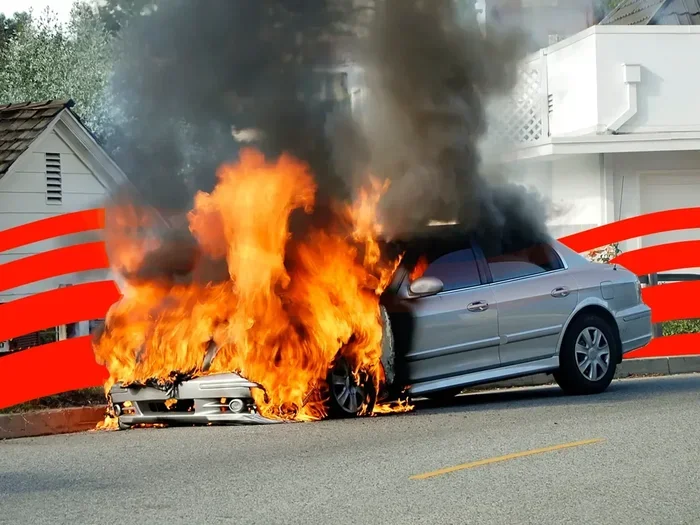
Does Car Insurance Cover Fire Damage to Your Vehicle
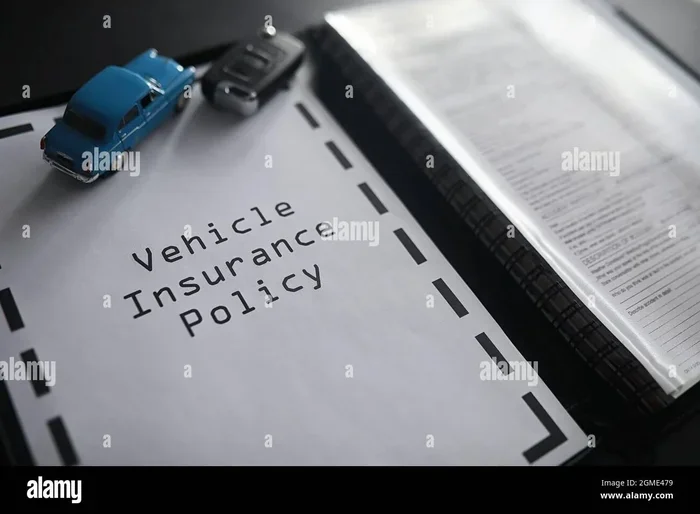
Does car insurance cover fire damage? The answer depends on your policy type. Comprehensive coverage typically includes fire damage, while basic liability plans usually do not. This guide breaks down exactly what your car insurance policy covers, how to file a claim, and what steps to take after a vehicle fire to protect your investment.
Car fires are terrifying. They happen in seconds and can turn your vehicle into a charred shell. If you have ever parked your car and walked back to find smoke or flames, you know how devastating this experience can be. The first question that comes to mind is almost always the same: will your car insurance cover the damage?
The short answer is: it depends on your coverage. Not all insurance policies treat fire damage the same way. Some pay for everything. Others pay for nothing at all. This article explains exactly what to expect, how to file a claim, and what you can do to protect yourself.
Understanding your car insurance policy before disaster strikes is one of the smartest things you can do. It saves you from surprises and helps you make informed decisions. Let us walk through everything you need to know about fire damage and insurance coverage.
Key Takeaways
- Comprehensive coverage is key: It is the primary policy type that covers fire damage to your vehicle.
- Liability-only policies fall short: They cover damage you cause to others, not your own vehicle.
- Act quickly after a fire: Filing your claim promptly and documenting everything strengthens your case.
- Know your deductible: You will pay this amount out of pocket before your insurer covers the rest.
- Prevention matters: Simple steps like keeping a fire extinguisher in your car can reduce risk.
- Total loss scenarios exist: If repair costs exceed your car’s value, your insurer may declare it a total loss.
📑 Table of Contents
- What Does Car Insurance Cover?
- Does Car Insurance Cover Fire Damage to Your Vehicle?
- How to File a Fire Damage Insurance Claim
- Understanding Deductibles and Payouts
- Common Causes of Vehicle Fires
- Tips to Protect Your Car from Fire Damage
- What to Do If Your Claim Is Denied
- How to Choose the Right Car Insurance for Fire Protection
- Expert Insights on Fire Damage and Insurance
- Conclusion
What Does Car Insurance Cover?
Most drivers know that car insurance is mandatory. But many do not realize that the type of coverage they choose determines what gets paid after a fire. There are two main categories of auto insurance that matter here.
Liability Coverage
Liability coverage pays for damage you cause to other people or their property. If you rear-end someone, your liability insurance helps pay for their repairs. But here is the catch: liability coverage does not cover your own vehicle. If your car catches fire, liability insurance will not help you pay for repairs or replacement.
This is why many experts recommend going beyond the minimum legal requirements. Minimum coverage keeps you legal on the road. But it leaves your own vehicle exposed.
Comprehensive Coverage
Comprehensive coverage is the hero when it comes to fire damage. This optional coverage pays for damage to your vehicle caused by events other than collisions. Fire is one of those events. So is theft, vandalism, flooding, and falling objects.
When you have comprehensive coverage, your insurance company steps in to cover fire damage after you pay your deductible. This is the coverage you want if you live in an area prone to wildfires or if your vehicle sits near heat sources.
Collision Coverage
Collision coverage pays for damage from accidents involving another vehicle or object. It does not typically cover fire damage on its own. However, if a collision causes a fire, your collision coverage may apply. For example, if you crash into a guardrail and the impact sparks a flame, your collision policy might help pay for the resulting fire damage.
Does Car Insurance Cover Fire Damage to Your Vehicle?
This is the big question. And the answer is more nuanced than a simple yes or no. Does car insurance cover fire damage? Yes, but only if you have the right type of coverage. Let us break down the scenarios.
When Your Policy Covers Fire Damage
Your insurance will likely cover fire damage if you have comprehensive coverage. Common situations include:
- Engine fire caused by mechanical failure
- Electrical short circuits leading to flames
- Wildfires or brush fires spreading to your parked car
- Arson or intentional fire damage
- Fire from a nearby gas station or fuel leak
In all these cases, your comprehensive insurance policy should step in. You will pay your deductible first, and your insurer covers the rest up to your policy limits.
When Your Policy Does Not Cover Fire Damage
There are situations where insurance may deny your fire damage claim. These include:
- You only have liability coverage with no comprehensive or collision
- The fire resulted from illegal activity
- The fire was caused by intentional neglect, like ignoring known engine problems
- Your policy has expired or lapsed before the fire occurred
- The damage falls outside your coverage limits
Always read your policy documents carefully. Understanding exclusions before you need them can save you from a world of frustration.
How to File a Fire Damage Insurance Claim
If your vehicle suffers fire damage, time is of the essence. Filing a claim quickly can make a big difference in how smoothly the process goes. Here is what you need to do step by step.
Step 1: Ensure Safety First
Your safety comes before everything else. Move away from the vehicle if there is any danger of re-ignition. Call 911 if there are active flames or smoke. Do not attempt to fight a large fire yourself. Wait for the fire department to arrive.
Step 2: Contact Your Insurance Company
Once you are safe, call your insurance provider right away. Most companies have 24-hour claims hotlines. Report the incident as soon as possible. Have your policy number ready, along with details about what happened.
Step 3: Document Everything
Take photos and videos of the damage from multiple angles. Capture the entire vehicle and any close-up shots of burned areas. If the fire department responded, ask for a copy of their report. This document is critical evidence for your insurance claim.
Step 4: Get an Assessment
Your insurance company will assign an adjuster to evaluate the damage. The adjuster determines whether the repairs are worth the cost or if your vehicle is a total loss. Cooperate fully and provide any additional information they request.
Step 5: Receive Your Payout
After the assessment, your insurer will issue a payout. This amount is based on your car’s actual cash value minus your deductible. If you disagree with the payout, you can negotiate or hire an independent appraiser.
Understanding Deductibles and Payouts
When fire damage is covered, you still need to understand how much money you will actually receive. Two factors play a big role: your deductible and your coverage limits.
What Is a Deductible?
A deductible is the amount you pay out of pocket before your insurance kicks in. If your deductible is $500 and fire damage costs $5,000 to repair, you pay $500 and your insurer pays $4,500. Higher deductibles usually mean lower monthly premiums. But they also mean more money from your pocket when disaster strikes.
What Is a Coverage Limit?
Your coverage limit is the maximum amount your insurer will pay. For comprehensive coverage, this limit is typically based on your vehicle’s actual cash value. If your car is worth $10,000 and your limit is $10,000, that is the most you will receive. Keep this in mind when choosing your policy.
Total Loss vs. Repairable Damage
Sometimes fire damage is so severe that repairs cost more than the vehicle is worth. In this case, your insurance company may declare your car a total loss. They will pay you the actual cash value of the vehicle instead of repair costs. You can then use that money toward a replacement car.
Common Causes of Vehicle Fires
Understanding what causes car fires can help you take preventive steps. Many vehicle fires are preventable with basic awareness and maintenance.
Electrical System Failures
Old or faulty wiring is one of the leading causes of vehicle fires. As cars age, their electrical systems can degrade. Short circuits in the dashboard or engine bay can spark flames. Regular inspections by a qualified mechanic can catch these issues early.
Fuel Leaks
A fuel leak near a hot engine component is a recipe for disaster. Gasoline is highly flammable, and even a small drip can ignite. If you smell gas while driving, pull over safely and have your vehicle inspected immediately.
Engine Overheating
An overheating engine can reach temperatures high enough to ignite fluids and rubber hoses inside the engine bay. Keep your coolant levels topped off and watch your temperature gauge while driving.
External Fires
Wildfires, building fires, and other external sources can spread to your parked car. This is where comprehensive coverage really proves its value. Even if you did nothing wrong, your policy can still protect you financially.
Accidents and Collisions
Car crashes can rupture fuel lines and damage electrical systems. The resulting fire can cause extensive damage beyond the initial collision. This is why having both collision and comprehensive coverage is a smart combination.
Tips to Protect Your Car from Fire Damage
Prevention is always better than dealing with a claim. Here are some practical tips to reduce your risk of a vehicle fire.
- Schedule regular maintenance: Keep up with oil changes, fluid checks, and electrical inspections.
- Install a fire extinguisher: A small 1 kg car fire extinguisher mounted in your trunk can help you tackle small flames before they spread.
- Park wisely: Avoid parking near dry grass, brush, or heat sources whenever possible.
- Use a windshield cover: A car windshield sunshade helps reduce interior heat buildup, which can stress electrical components and fluids.
- Check for recalls: Manufacturers sometimes issue recalls for fire-related defects. Stay informed about recalls for your vehicle model.
- Do not smoke in your car: Discarded cigarettes are a common cause of interior fires.
Taking these simple precautions can lower your risk significantly. And if a fire does occur, having the right coverage in place means you will not be left paying for everything yourself.
What to Do If Your Claim Is Denied
Sometimes insurance companies deny fire damage claims. This does not mean you are out of options. You have the right to appeal the decision.
Start by asking your insurer for a written explanation of the denial. Review it carefully to understand their reasoning. If you believe the denial is unfair, gather your evidence including photos, police reports, and the fire department report. You can file a formal appeal with your insurance company.
If the appeal does not work, you can file a complaint with your state’s insurance regulator. In some cases, consulting an attorney who specializes in insurance disputes may be necessary. Most importantly, do not give up. Many denied claims are overturned on appeal.
How to Choose the Right Car Insurance for Fire Protection
Not all insurance policies are created equal. When shopping for coverage, look for these key features:
- Comprehensive coverage with fire damage included: This is non-negotiable if you want fire protection.
- Adequate coverage limits: Make sure your limits match your vehicle’s current market value.
- Reasonable deductible amounts: Choose a deductible you can afford to pay out of pocket in an emergency.
- Gap coverage: If you have a loan or lease, gap insurance covers the difference between what you owe and what your car is worth.
- Good customer reviews: Look for insurers known for fair claims processing and quick payouts.
Take time to compare quotes from multiple providers. A few extra minutes of research can save you thousands of dollars down the road.
Expert Insights on Fire Damage and Insurance
Insurance professionals agree that comprehensive coverage is essential for fire protection. According to industry experts, many drivers underestimate their risk of a vehicle fire. Mechanical failures, electrical issues, and external fires happen more often than most people think.
One agent shared that the most common mistake she sees is drivers dropping comprehensive coverage to save on premiums. While this reduces monthly costs, it leaves you completely exposed if a fire occurs. A single vehicle fire can cost thousands of dollars in repairs or total loss.
Another expert recommends keeping a detailed inventory of your vehicle’s condition. Regular photos and maintenance records make filing a claim much easier. They also help counter any suspicion of fraud that can slow down the claims process.
The bottom line is clear: invest in the right coverage and be prepared. Fire damage is unpredictable, but your response does not have to be.
Conclusion
So, does car insurance cover fire damage? Yes, it can. But only if you have comprehensive coverage as part of your policy. Liability-only plans will not pay for fire damage to your own vehicle. Comprehensive coverage is the safety net that protects you when flames strike.
Understanding your policy, knowing how to file a claim, and taking preventive steps all work together to keep you financially protected. A vehicle fire is stressful enough without the added burden of an unpaid repair bill. With the right coverage in place, you can focus on recovery instead of worrying about the cost.
Take a moment today to review your insurance policy. Make sure you have comprehensive coverage, understand your deductible, and know exactly what your policy includes. A little preparation now can save you from a big headache later.
Frequently Asked Questions
Does full coverage car insurance cover fire damage?
Yes, full coverage typically includes both comprehensive and collision coverage. Since comprehensive coverage covers fire damage, having full coverage means your insurer will likely pay for fire-related repairs. However, always confirm the specifics of your individual policy.
Will my insurance cover a car fire caused by an electrical short?
Most likely, yes. Electrical short circuits are a common cause of vehicle fires and fall under comprehensive coverage. As long as you have comprehensive coverage and your policy is active, your insurer should cover the damage after your deductible.
How long does it take to process a fire damage insurance claim?
Claim processing times vary. Simple claims may be resolved in a few weeks. Complex cases involving total loss or disputes can take several months. Filing your claim quickly and providing complete documentation helps speed up the process.
What if my car was completely destroyed by fire?
If your car is a total loss, your insurer will pay you the actual cash value of the vehicle minus your deductible. This amount is based on your car’s market value before the fire. You can use this payout to purchase a replacement vehicle.
Does car insurance cover fire damage if the fire started in the engine?
Yes, if you have comprehensive coverage, engine fires are typically covered. Mechanical or electrical failures that cause a fire in the engine bay fall within the scope of comprehensive insurance. Your insurer will assess the damage and process your claim accordingly.
Can I drive my car after fire damage if it still runs?
It is not recommended. Even if the car appears to run, hidden damage from fire can be dangerous. Structural damage, compromised electrical systems, and lingering toxic fumes pose serious safety risks. Have a professional inspect the vehicle before driving it again.