Do I Have to Use Subaru Coolant or Can I Use Another
You do not always have to use genuine Subaru coolant, but using the right type matters for your engine’s health. Many aftermarket coolants work well with Subaru engines, as long as they meet the specifications your vehicle needs. Using the wrong coolant can cause overheating, corrosion, and costly repairs.
If you own a Subaru, you have probably wondered whether you need to use the factory-recommended coolant or if you can switch to something else. It is a question that comes up a lot in forums and at repair shops. The short answer is that you have options, but those options come with some important rules you need to follow.
Subaru coolant is specifically formulated for Subaru engines. It helps regulate engine temperature, prevents corrosion, and keeps the cooling system running smoothly. But does that mean you are stuck with nothing but the genuine Subaru product? Not necessarily. There are aftermarket coolants that can work just as well. The key is understanding what goes into your cooling system and why it matters.
In this article, we will break down everything you need to know about Subaru coolant. We will look at what it does, what happens if you use a different type, and how to choose the right coolant for your specific Subaru model. Whether you are a DIY mechanic or just someone who wants to understand your car better, this guide has you covered.
Key Takeaways
- Subaru coolant is designed specifically for Subaru engines and cooling systems.
- Aftermarket coolants can work if they meet OEM specifications.
- Using the wrong coolant risks overheating, corrosion, and engine damage.
- Always check your owner’s manual before choosing a coolant type.
- Regular coolant flushes keep your cooling system in top shape.
- Mixing coolant types can cause problems, so stick with one type.
📑 Table of Contents
What Is Subaru Coolant and Why Does It Matter?
Engine coolant is a fluid that circulates through your engine to keep it at a safe operating temperature. Without it, your engine would overheat quickly, leading to serious damage. Subaru coolant is not just water. It is a carefully balanced mixture of water, antifreeze, and additives that protect your engine from multiple threats.
The Role of Coolant in Your Subaru
Your Subaru’s cooling system does more than just keep the engine from overheating. It also helps heat your cabin in the winter and protects metal and rubber components from corrosion. The coolant flows through the engine block, absorbs heat, and then moves through the radiator where it cools down before cycling back through.
Here is what good engine coolant does for your Subaru:
- Regulates engine temperature during hot weather and heavy driving
- Prevents freezing in cold climates so your system does not crack
- Protects metal parts from rust and corrosion
- Lubricates the water pump and other moving parts in the cooling system
- Prevents scale buildup inside the radiator and hoses
What Makes Subaru Coolant Different?
Subaru uses a specific type of coolant that is typically blue or pink in color. This is not just for looks. The additives in Subaru coolant are designed to work with the materials used in Subaru engines, including the aluminum components and rubber seals. Using a coolant with the wrong additives can break down these materials over time.
Subaru also specifies a particular coolant mixture ratio, usually a 50/50 split of coolant and distilled water. This ratio gives you the best protection for both hot and cold weather. If you deviate too far from this ratio, you lose some of the protective benefits.
Can You Use Another Coolant in a Subaru?
The honest answer is yes, but with caveats. You are not locked into using only genuine Subaru coolant. However, you need to make sure any alternative coolant type you choose is compatible with your Subaru’s engine and cooling system.
Aftermarket Coolant Options
There are many aftermarket coolants on the market that can work with Subarus. Some popular brands include Prestone, Zerex, and Peak. These coolants are designed to be universal and work with a wide range of vehicles. But universal does not always mean perfect for every car.
When looking at an aftermarket coolant, check the label for compatibility. Look for coolants that meet the same specifications as your Subaru’s OEM coolant. The most common specifications you will see are:
- HOAT (Hybrid Organic Acid Technology)
- OAT (Organic Acid Technology)
- Si-OAT (Silicate Organic Acid Technology)
Subaru generally recommends coolants that fall into the OAT or HOAT categories. Make sure the aftermarket coolant you choose matches one of these types. If you are unsure, check your owner’s manual or ask a trusted mechanic.
Can You Mix Coolants?
One of the biggest mistakes people make is mixing different coolant types. If you have been using genuine Subaru coolant and want to switch to an aftermarket option, you should flush the system first. Mixing coolants can cause chemical reactions that reduce the effectiveness of both products.
Think of it like mixing different brands of motor oil. They might both be 5W-30, but the additive packages are different. Just like you would not mix oil brands without flushing, you should not mix coolant types either.
Similarly, if you are wondering whether you can use a different viscosity oil, the same principle applies. For example, can I use 5W20 instead of 0W20? The answer depends on your engine’s specifications, and the same logic applies to coolant compatibility.
What Happens If You Use the Wrong Coolant?
Using the wrong coolant type in your Subaru can lead to a range of problems. Some are minor and easy to fix. Others can cause serious and expensive damage. Here is what can go wrong.
Overheating and Engine Damage
The most immediate risk of using the wrong coolant is overheating. If the coolant does not properly regulate temperature, your engine can run hot. This is especially dangerous during summer driving or when towing heavy loads.
If your engine overheats, you could face serious consequences. A blown head gasket, warped engine block, or cracked cylinder head are all possible outcomes. If you ever find yourself in a situation where your engine has overheated, you might wonder can I drive my car after it overheats. The short answer is no. You should let it cool down completely and address the root cause before driving again.
Corrosion and System Degradation
Wrong coolant can cause corrosion inside your cooling system. The additives in incompatible coolants may not protect the aluminum parts and rubber seals in your Subaru. Over time, this corrosion can lead to coolant leaks, clogged passages, and a failing water pump.
Corrosion in the cooling system is not always visible right away. It builds up slowly and can be hard to detect until a major component fails. This is why using the right coolant type from the start is so important.
Reduced Cooling Efficiency
Even if the wrong coolant does not cause immediate damage, it can reduce the efficiency of your cooling system over time. The coolant may not flow as well through the radiator, or it may not absorb heat as effectively. This means your engine works harder, which can reduce fuel economy and shorten the life of your engine.
The Cost of Using the Wrong Coolant
Some people choose a cheaper coolant to save money upfront. But the long-term costs can far outweigh the savings. Replacing a corroded radiator, fixing a head gasket, or rebuilding a water pump can cost hundreds or even thousands of dollars. Using the right engine coolant is one of the cheapest ways to protect your Subaru.
How to Choose the Right Coolant for Your Subaru
Choosing the right coolant type for your Subaru does not have to be complicated. Follow these steps to make sure you get the right product for your vehicle.
Step 1: Check Your Owner’s Manual
Your owner’s manual is the best place to start. It will tell you exactly what type of coolant Subaru recommends for your specific model and year. The manual will also specify the correct coolant mixture ratio and any special requirements.
Different Subaru models may use slightly different coolants. For example, a 2015 Subaru Outback might have different coolant specifications than a 2020 Subaru WRX. Always check for your specific vehicle.
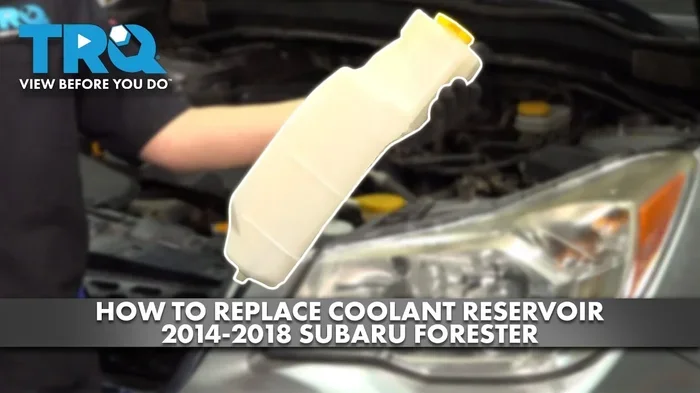
Step 2: Look at the Coolant Reservoir
Open the hood and look at your coolant reservoir. The cap usually has the coolant type or specification printed on it. This can give you a quick reference point when shopping for coolant.
The color of the coolant in the reservoir can also give you clues. Subaru typically uses blue or pink coolant. If the coolant in your system looks different or has changed color, it may be time for a cooling system flush.
Step 3: Check Compatibility Labels
When shopping for aftermarket coolant, look for compatibility labels on the bottle. Reputable brands will clearly state which vehicles and specifications their products meet. Look for labels that mention compatibility with Japanese vehicles or specifically Subaru.
Step 4: Consider Your Climate
Your climate plays a role in choosing the right coolant. If you live in a very cold area, you need a coolant with strong antifreeze properties. If you live in a hot climate, you need a coolant that resists boiling. The 50/50 mixture works well for most climates, but you may need to adjust the ratio slightly depending on where you live.
Comparison: Genuine Subaru Coolant vs. Aftermarket Coolant
| Feature | Genuine Subaru Coolant | Quality Aftermarket Coolant |
|---|---|---|
| Compatibility | Guaranteed for all Subaru models | Check label for Subaru compatibility |
| Price | Higher cost | More affordable options available |
| Additive Package | Optimized for Subaru engines | Varies by brand; look for OAT/HOAT |
| Availability | Subaru dealerships only | Available at auto parts stores |
| Warranty Coverage | May be required for warranty claims | Check if it meets warranty specs |
Both options can work well. The genuine Subaru coolant offers peace of mind and guaranteed compatibility. Aftermarket coolants can save you money as long as you choose a reputable brand that meets the same specifications.
Subaru Coolant Maintenance Tips
Choosing the right coolant is only half the battle. Proper maintenance of your cooling system is just as important for keeping your Subaru running smoothly.
When to Flush Your Cooling System
Subaru recommends flushing and replacing your coolant every 60,000 miles or 5 years, whichever comes first. However, if you drive in extreme conditions, such as very hot weather or heavy stop-and-go traffic, you may need to flush it more often.
Signs that your cooling system flush is overdue include:
- Coolant that looks rusty or discolored
- Coolant reservoir low even after topping off
- Engine temperature gauge running higher than normal
- Sweet smell coming from under the hood
- Visible coolant leaks under the car
Quick Tips for Coolant Maintenance
- Check coolant levels monthly as part of your routine Subaru maintenance
- Use distilled water when mixing coolant, not tap water
- Inspect hoses and connections for cracks or leaks during oil changes
- Keep a spare bottle of the correct coolant in your trunk for emergencies
- Never ignore a rising temperature gauge — pull over safely and investigate
What About the AWD System?
If you drive a Subaru with all-wheel drive, you know how important it is to keep all systems running properly. A warning light on the dashboard can be concerning. For instance, if you notice your AWD light comes on, it could be related to a variety of issues, and maintaining proper fluid levels, including coolant, is part of keeping everything running smoothly.
Final Verdict: Should You Stick with Subaru Coolant?
So, do you have to use Subaru coolant? The answer is no, but with a big asterisk. You can use aftermarket coolant as long as it meets the specifications outlined in your owner’s manual. The key is compatibility. Using the right coolant type protects your engine, prevents corrosion, and keeps your cooling system working efficiently.
Sticking with genuine Subaru coolant gives you the simplest path. You know exactly what you are getting, and it is guaranteed to work with your engine. But if you want to save money or prefer a specific aftermarket brand, you absolutely can — just do your homework first.
Remember, the cooling system is one of the most important systems in your vehicle. Taking shortcuts with coolant can lead to expensive repairs down the road. Whether you choose genuine Subaru coolant or a quality aftermarket option, the most important thing is that you use the right product and maintain it properly.
If you ever find yourself in a bind with a low coolant level and no access to the right fluid, be careful about what you top off with. Just like you should not grab just any fuel, you should not grab just any coolant. And speaking of fuel, if you ever wonder can I put 88 gas in my car, the answer depends on your engine’s requirements — and the same principle applies to coolant. Always match the product to your vehicle’s specifications.
Your Subaru is a well-engineered machine. Treat its cooling system with the care it deserves, and it will keep you running smoothly for years to come.
Frequently Asked Questions
Can I use any aftermarket coolant in my Subaru?
Not all aftermarket coolants are compatible with Subarus. You need to choose a coolant that meets the OAT or HOAT specifications recommended by Subaru. Always check the label for compatibility before purchasing.
How often should I flush my Subaru coolant?
Subaru recommends flushing and replacing coolant every 60,000 miles or 5 years, whichever comes first. If you drive in extreme conditions, you may need to do it more frequently.
What color is Subaru coolant?
Subaru coolant is typically blue or pink, depending on the model and year. If the coolant in your reservoir looks different or has changed color, it may be time for a cooling system flush.
Can I mix different coolant brands?
It is best to avoid mixing different coolant brands or types. Different products use different additive packages that can react badly when combined. Always flush the system before switching to a different coolant.
Is it okay to use water instead of coolant?
Water should never be used as a long-term coolant replacement. It lacks the additives needed to prevent corrosion and freezing, and it can cause mineral buildup in your cooling system over time.
What happens if my Subaru overheats?
If your Subaru overheats, pull over safely and turn off the engine. Let it cool down completely before checking the coolant level. Driving an overheated engine can cause serious damage, including a blown head gasket or cracked engine block.