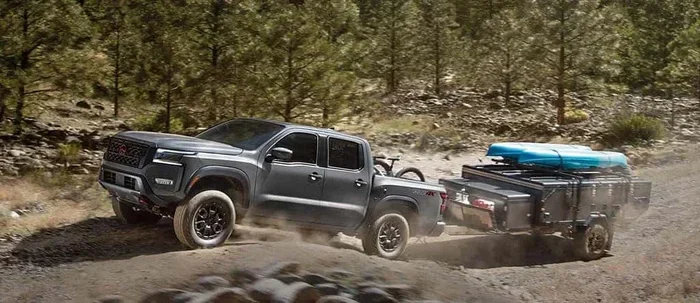
Can You Flat Tow a Nissan Frontier The Answer Inside
Yes, you can flat tow a Nissan Frontier, but only under specific conditions. The key factor is whether your Frontier has a manual or automatic transmission and whether it supports four-wheel-down towing. Always consult your owner’s manual before attempting any flat towing setup, as doing it wrong can cause serious damage to your drivetrain.
This is a comprehensive guide about Can You Flat Tow a Nissan Frontier?.
Key Takeaways
- Manual Transmission Models: Most manual transmission Nissan Frontiers can be flat towed safely with all four wheels on the ground.
- Automatic Transmission Models: Many automatic Frontiers cannot be flat towed without modifications or a tow dolly due to transmission lubrication concerns.
- You Need the Right Equipment: A quality tow bar, base plate, and safety cables are essential for safe flat towing.
- Check Your Owner’s Manual: The manufacturer’s guidelines are the final authority on whether flat towing is safe for your specific model year.
- Drive Shaft Disconnection: For some models, disconnecting the drive shaft may be necessary to prevent transmission damage.
- Practice Before Your Trip: Set up your towing rig at home first to work out any issues before hitting the road.
[FEATURED_IMAGE_PLACEHOLDER]
Can You Flat Tow a Nissan Frontier?
The short answer is yes but with important caveats. Flat towing means pulling your vehicle behind another vehicle with all four wheels on the ground. This method is popular among RV owners and road trippers who want a supplemental vehicle at their destination. However, not every vehicle handles flat towing the same way.
The Nissan Frontier has been a reliable midsize truck for years. It is tough, capable, and versatile. But when it comes to flat towing, the answer depends on your specific model year, transmission type, and drivetrain configuration. Some Frontier models can be flat towed safely, while others need extra precautions or alternative towing methods.
Before you hook up your Frontier to an RV or another towing vehicle, you need to understand the rules. Flat towing the wrong way can destroy your transmission, damage the drivetrain, or void your warranty. This guide breaks down everything you need to know. We will cover transmission types, required equipment, step-by-step setup, and common mistakes to avoid.
Whether you are planning a camping trip or need a second vehicle at your campsite, this article will help you make the right call. Let us dive into the details of flat towing a Nissan Frontier the right way.
Understanding Flat Towing Basics
What Is Flat Towing?
Flat towing is also called four-down towing or dinghy towing. It means your towed vehicle rolls freely behind the tow vehicle with all four wheels touching the ground. This is different from using a car carrier or trailer, where the vehicle is lifted off the ground entirely.
Flat towing is popular because it is simple. You do not need a trailer. You do not need extra space. The towed vehicle follows right behind the RV or truck pulling it. When you arrive at your destination, you just unhook and drive away.
However, flat towing puts unique stress on a vehicle. The transmission, steering, and brakes all operate while being pulled. This is why not every vehicle is flat tow compatible. Manufacturers design some cars and trucks with flat towing in mind, while others are not built to handle it.
Why Transmission Type Matters
The biggest factor in whether you can flat tow a Nissan Frontier is the transmission type. Here is why this matters so much:
When a vehicle is in motion and the engine is off, the transmission still needs lubrication. In a running vehicle, the engine drives the transmission pump, which circulates fluid through the gears. When the engine is off and the vehicle is being pulled, there is no pump action. This can cause metal-on-metal contact inside the transmission.
Manual transmissions generally handle this better. The gears are manually engaged, and the lubrication requirements are simpler. Automatic transmissions are more complex and sensitive. Without proper fluid circulation, the internal components can overheat and wear out quickly.
This is the primary reason some automatic transmission Frontiers cannot be flat towed without additional measures. Always check your specific model year and transmission type before proceeding.
Nissan Frontier Models and Flat Towing Compatibility
Not all Nissan Frontiers are created equal when it comes to flat towing. The compatibility varies by model year and configuration. Here is a breakdown of what you need to know.
Manual Transmission Frontiers
Manual transmission Nissan Frontiers are generally the best candidates for flat towing. The driver can easily shift the transmission into neutral, which disengages the gears and allows the wheels to turn freely. This reduces the risk of transmission damage during flat towing.
Older Frontier models from the early 2000s through mid-2010s with manual transmissions are often flat tow approved. However, you should still verify this with your specific owner’s manual. Some manual transmission models may have additional requirements, such as:
- Disabling the steering lock before towing
- Ensuring the transfer case is in the correct position
- Using a specific towing speed limit
If you own a manual Frontier, you are in a much better position for flat towing. Just make sure you follow all the steps outlined in your vehicle’s documentation.
Automatic Transmission Frontiers
Automatic transmission Nissan Frontiers present more challenges for flat towing. Many automatic transmission models from Nissan are not approved for flat towing in the owner’s manual. This is because the automatic transmission relies on engine-driven fluid pumps for lubrication.
When an automatic transmission is flat towed with the engine off, the lack of fluid circulation can cause severe damage. The internal gears, clutch packs, and bearings can overheat and fail. Repairing this type of damage can cost thousands of dollars.
Some automatic Frontier models may allow flat towing with the engine running, but this is impractical for most setups. You cannot leave an engine running while being towed behind an RV. It is simply not safe or feasible.
If your Frontier has an automatic transmission, you may need to consider alternatives. A tow dolly or a car trailer can keep two wheels off the ground, which eliminates the transmission lubrication problem. This is a safe and effective solution for automatic transmission vehicles.
Four-Wheel Drive vs Two-Wheel Drive
The drivetrain configuration also plays a role in flat towing compatibility. Here is how the two systems compare:
- Two-Wheel Drive (2WD): These models are generally simpler to flat tow. Only two wheels are powered, which reduces the complexity of the towing setup.
- Four-Wheel Drive (4WD): These models require extra attention. The transfer case and front drivetrain must be in the correct position. Some 4WD Frontiers cannot be flat towed at all without disconnecting the drive shafts.
Always check your owner’s manual for the specific drivetrain requirements. If you are unsure, contact a Nissan dealer with your VIN number. They can confirm whether your specific Frontier is flat tow compatible.
Required Equipment for Flat Towing a Nissan Frontier
If your Nissan Frontier is approved for flat towing, you will need the right equipment. Using the proper gear is not optional. It is essential for safety and for preventing damage to your vehicle.
Tow Bar
A tow bar is the primary piece of equipment. It connects the towed vehicle to the towing vehicle. For a Nissan Frontier, you need a tow bar rated for the weight of your truck. Frontiers can weigh between 4,000 and 5,500 pounds depending on the configuration.
Look for a tow bar that is specifically designed for your vehicle or is rated for your Frontier’s weight class. Popular brands include Blue Ox, Demco, and Roadmaster. These companies make base plates and tow bars tailored to specific vehicles, which makes setup easier and safer.
When choosing a tow bar, consider these factors:
- Weight capacity rating
- Ease of attachment and detachment
- Built-in safety cables
- Adjustable arms for a snug fit
- Breakaway brake system
Base Plate
A base plate is a custom-fitted mounting bracket that attaches to the front of your Frontier. The tow bar connects to the base plate, creating a secure and stable link between the two vehicles. Base plates are vehicle-specific, so you need one designed for your Frontier model year.
Installation of a base plate usually requires professional help. It involves drilling or bolting brackets to the front frame of the truck. Once installed, the base plate stays on the vehicle permanently, which makes setup and removal of the tow bar quick and easy.
Some owners worry that a base plate affects the appearance or resale value of their truck. This is a valid concern. However, a properly installed base plate is virtually invisible and can be removed without leaving marks. If you plan to sell your Frontier later, you can take the base plate off before listing the vehicle.
Safety Cables
Safety cables are a backup connection between the towed vehicle and the tow vehicle. If the tow bar fails for any reason, the safety cables prevent the towed vehicle from separating and becoming a dangerous projectile on the road.
Always use safety cables rated for your vehicle’s weight. Cross the cables under the trailer tongue to create a cradle in case of a failure. Attach one cable to each side of the tow bar or base plate. This ensures balanced support in all scenarios.
Additional Accessories
Beyond the core towing equipment, you may need a few additional items for a safe flat towing setup:
- Auxiliary braking system: Many states require an auxiliary brake on the towed vehicle if it exceeds a certain weight. This brake is activated by the tow vehicle’s braking system.
- Extended side mirrors: The towed vehicle may extend beyond the width of the tow vehicle. Extended mirrors give you better visibility.
- Lighting harness: The towed vehicle’s brake lights and turn signals need to sync with the tow vehicle. A wiring harness makes this connection possible.
- Towing mirrors: These clip-on mirrors help you see around the towed vehicle, especially when changing lanes or turning.
Some of these accessories overlap with what you would need for towing equipment in general. The principles are similar regardless of what you are towing.
Step-by-Step Flat Towing Setup
Once you have the right equipment and confirmed your Frontier can be flat towed, the setup process is straightforward. Here is a step-by-step guide to follow every time you tow.
Step 1: Read the Owner’s Manual
This cannot be stressed enough. Your owner’s manual contains the manufacturer’s specific towing instructions for your exact model. It will tell you the maximum towing speed, whether you need to disconnect the drive shaft, and any other special requirements. Skipping this step can lead to expensive damage.
Step 2: Attach the Base Plate
If you have a removable base plate, attach it to the front of your Frontier. Make sure all bolts are tightened to the proper torque specification. Give each connection point a firm tug to confirm it is secure.
Step 3: Connect the Tow Bar
Attach the tow bar to the base plate on the Frontier. Then connect the other end of the tow bar to the hitch receiver on the towing vehicle. Lock all pins and latches according to the manufacturer’s instructions.
Step 4: Install Safety Cables
Connect the safety cables to both vehicles. Cross them under the tow bar tongue. Make sure there is enough slack for turning but not so much that they drag on the ground.
Step 5: Connect the Lighting Harness
Plug in the wiring harness that connects the brake lights and turn signals of the towed vehicle to the tow vehicle. Test all lights before you start driving. Have someone stand behind the Frontier and check that the brake lights and turn signals work correctly.
Step 6: Put the Frontier in Neutral
Shift the transmission into neutral. This is critical. If you forget this step, you risk serious damage to the transmission and drivetrain. Double-check that the transmission is fully in neutral before you begin towing.
Step 7: Disable the Steering Lock
Turn the ignition key to the accessory or on position (without starting the engine). This releases the steering lock and allows the front wheels to turn freely. Without this step, the steering column can be damaged during towing.
Some owners worry about leaving the ignition in the accessory position. It is perfectly safe for short periods of towing. The electrical systems will not drain the battery significantly during normal towing distances.
Step 8: Check All Connections
Before you pull away, do a final walk-around. Check the tow bar, safety cables, base plate connections, lighting harness, and tire pressure on the Frontier. Everything should be tight, secure, and functioning properly.
Common Mistakes to Avoid When Flat Towing
Flat towing is not complicated, but mistakes happen. Here are the most common errors people make and how to avoid them.
Skipping the Owner’s Manual
This is the number one mistake. Every vehicle has specific towing guidelines. What works for one Frontier model may damage another. Your owner’s manual is the ultimate authority. Read it thoroughly before your first towing trip.
Forgetting to Put the Transmission in Neutral
This mistake can destroy your transmission in minutes. Always double-check the gear position before towing. Make it a habit to check every single time you set up for towing.
Using the Wrong Tow Bar
Not all tow bars are created equal. Using a tow bar that is not rated for your vehicle’s weight is dangerous. It can bend, break, or fail under stress. Invest in a quality tow bar that is specifically designed for your Nissan Frontier.
Ignoring Local Towing Laws
Towing regulations vary by state and even by municipality. Some states require auxiliary brakes on towed vehicles. Others have speed limits for flat towing. Some require specific lighting or mirror configurations. Research the laws in every state you plan to travel through.
If you have questions about towing regulations, it is similar to understanding rules around towing permissions and local requirements. Always comply with the law to avoid fines and ensure safety.
Not Practicing Before the Trip
Set up your flat towing rig in your driveway or a large empty parking lot before your actual trip. This lets you work out any issues with the connections, lighting, or steering. It also gives you confidence that everything is set up correctly before you are on a busy highway.
Ignoring Tire Pressure
Proper tire pressure on the towed vehicle is critical. Underinflated tires can cause handling problems, overheating, and even blowouts. Check the tire pressure on your Frontier before every towing trip. Follow the pressure recommendations in your owner’s manual.
Alternatives to Flat Towing
If your Nissan Frontier cannot be flat towed, do not worry. There are safe alternatives that get the job done.
Tow Dolly
A tow dolly lifts the front two wheels of the towed vehicle off the ground while the rear wheels remain on the road. This is a great option for automatic transmission Frontiers. It eliminates the transmission lubrication problem because the front wheels are not spinning freely.
Tow dollies are lighter and easier to maneuver than full trailers. They are a popular choice for RV travelers who need a second vehicle at their destination. The trade-off is that a tow dolly takes up more space and requires more setup time than flat towing.
Car Trailer
A full car trailer lifts all four wheels of the towed vehicle off the ground. This is the safest option for any vehicle, including automatic transmission trucks. There is no stress on the transmission, drivetrain, or steering system because none of those components are in use during transport.
The downside of a car trailer is size and weight. A trailer for a Nissan Frontier takes up significant space on the road and requires a towing vehicle with substantial capacity. However, if safety and versatility are your priorities, a car trailer is hard to beat.
When considering towing options, think about it like choosing the right driving setup for your vehicle. The right choice depends on your specific situation, vehicle type, and travel plans.
Expert Tips for Safe Flat Towing
Here are some insider tips from experienced flat towing enthusiasts to help you get the most out of your setup.
- Keep a towing journal: Note down any issues, adjustments, or observations after each trip. This helps you refine your setup over time.
- Check hitch compatibility: Make sure your tow vehicle’s hitch receiver matches the tow bar’s hitch ball size. A mismatch can be dangerous.
- Test brakes before departure: Apply the tow vehicle’s brakes gently and feel for any pulling or resistance from the towed vehicle.
- Pack an emergency kit: Include basic tools, spare safety cables, and a flashlight in your tow vehicle for roadside emergencies.
- Drive smoothly: Avoid sudden braking, sharp turns, and aggressive acceleration. The towed vehicle has no engine power to help with stability.
- Stay within towing limits: Every vehicle has a maximum towing capacity. Exceeding this limit strains the engine, brakes, and transmission of the tow vehicle.
These tips apply whether you are flat towing a Frontier or using any other towing method. Safety always comes first on the road.
Final Thoughts
So, can you flat tow a Nissan Frontier? The answer is yes, for many models, especially those with manual transmissions and the right drivetrain configuration. However, it is not a one-size-fits-all situation. You must verify your specific model’s compatibility before attempting any flat towing.
The process requires the right equipment, careful setup, and strict adherence to the manufacturer’s guidelines. But once you have everything dial in, flat towing is a convenient and practical way to bring your Frontier along on your adventures. You get the freedom of a truck at your destination without needing a separate trailer or carrier.
Take the time to read your owner’s manual, invest in quality towing equipment, and practice your setup before your first real trip. These steps will protect your investment and keep you safe on the road. Flat towing a Nissan Frontier is entirely doable when you do it the right way.
Whether you are heading to a remote campsite or simply need a second vehicle for your travels, knowing how to flat tow properly gives you confidence and flexibility. Happy trails, and safe travels with your Frontier in tow.
Frequently Asked Questions
Can all Nissan Frontier models be flat towed?
No, not all models are flat tow compatible. Manual transmission models from most years can generally be flat towed safely. However, many automatic transmission models cannot be flat towed without risking transmission damage. Always check your specific model year in the owner’s manual before attempting flat towing.
What is the maximum speed for flat towing a Nissan Frontier?
The maximum speed varies by model year and manufacturer specifications. Most owners manuals recommend staying under 55 miles per hour when flat towing. Exceeding the recommended speed can cause excessive wear on the drivetrain and transmission components. Always refer to your specific Frontier’s manual for the exact speed limit.
Do I need to disconnect the drive shaft for flat towing?
Some Nissan Frontier models require drive shaft disconnection before flat towing, especially 4WD models. This prevents damage to the transfer case and front drivetrain. Check your owner’s manual for your specific model. If disconnection is required, it is usually a simple process with basic tools.
Can I flat tow a Nissan Frontier behind an RV?
Yes, you can flat tow a compatible Nissan Frontier behind an RV. This is a common setup for RV owners who want a vehicle at their campsite. Make sure the Frontier meets flat towing requirements for your model year, and use proper towing equipment including a tow bar, base plate, and safety cables.
What happens if I flat tow a Nissan Frontier that is not approved for it?
Flat towing an unapproved vehicle can cause severe transmission damage, drivetrain wear, and steering column issues. The repair costs can be substantial, often running into thousands of dollars. It can also void your vehicle warranty. Always confirm flat towing compatibility before attempting this towing method.
Is flat towing legal in all states?
Flat towing is legal in all 50 states, but regulations vary regarding equipment requirements. Some states mandate auxiliary brakes, specific lighting connections, or extended mirrors on the towed vehicle. Research the laws for every state on your route to ensure full compliance and safe travels.