What Is the Biggest Problem With Hybrids Here Is Why
The biggest problem with hybrids comes down to battery degradation and rising maintenance costs over time. Hybrid vehicles promise great fuel economy, but their dual powertrain complexity creates unique challenges that traditional cars simply do not face. Understanding these issues before you buy can save you money, time, and a lot of headaches.
Hybrid cars have become a common sight on roads across the country. They offer a promising mix of fuel economy and lower emissions. But behind the green badges and eco-friendly marketing lies a set of real-world challenges. Many buyers discover these issues only after they have already signed the paperwork.
The biggest problem with hybrids is not always what you might expect. It is not just about the electric motor or the gas engine. The real trouble comes from how these two systems interact over months and years of daily driving. Battery health, repair complexity, and ownership costs all play a role. In this article, we will walk through each of these issues in detail.
Key Takeaways
- Battery degradation is the number one long-term issue hybrid owners face
- Hybrid maintenance costs run higher than traditional vehicles due to dual systems
- Cold weather performance can significantly reduce hybrid fuel economy
- Resale value depends heavily on battery health and warranty coverage
- Regular monitoring of the high-voltage battery pack helps prevent costly surprises
- Understanding hybrid warranty terms protects you from unexpected repair bills
- Hybrid vehicles still offer strong fuel savings despite their drawbacks
📑 Table of Contents
The Hidden Challenges of Hybrid Ownership
When you first buy a hybrid vehicle, everything feels smooth and futuristic. The car glides silently on electric power at low speeds. The fuel economy numbers look fantastic on paper. But as ownership stretches into year two, three, and beyond, the hidden challenges start to surface.
Why Hybrids Are More Complex Than They Look
A hybrid powertrain packs far more components into the same vehicle footprint. You have an electric motor, a gas engine, a transmission, and a high-voltage battery all working together. Each of these parts needs regular attention. When something goes wrong, the hybrid repair costs can climb quickly.
Compare this to a traditional gas car. A conventional vehicle has far fewer moving parts in its drivetrain. There is no regenerative braking system to maintain. No dual powertrain software to update. The simplicity of a gas-only engine is part of its long-term reliability.
Here is a quick look at how the two compare:
| Component | Hybrid Vehicle | Traditional Gas Vehicle |
|---|---|---|
| Engine Type | Gas + Electric Motor | Gas Only |
| Battery System | High-Voltage Battery Pack | Standard 12V Battery |
| Braking System | Regenerative + Friction Brakes | Friction Brakes Only |
| Transmission | CVT or e-CVT | Automatic or Manual |
| Maintenance Complexity | High | Moderate |
| Repair Cost (Average) | Higher | Lower |
This table shows why hybrid maintenance demands more attention. Every system adds a potential point of failure. The powertrain complexity is the root of many owner complaints.
The Dual Powertrain Dilemma
The dual powertrain setup is both a strength and a weakness. On one hand, it gives you electric-only driving for short trips. On the other hand, it doubles the number of parts that can wear out. The electric motor relies on the battery pack to function. If the battery weakens, the motor loses power.
Many owners report that their hybrid transmission behaves differently from a standard automatic. The e-CVT or continuously variable transmission in hybrids uses planetary gear sets and electric motors to adjust speed. This design is clever, but it adds another layer of potential problems. When the hybrid transmission starts to fail, repairs can be extremely expensive.
Expert Insight: According to automotive engineers, the hybrid powertrain is engineered for efficiency first and longevity second. The added complexity means more things can go wrong over a long ownership period. Regular hybrid service intervals are essential to catch small issues before they become big ones.
Battery Degradation: The Silent Problem
Let us talk about the elephant in the room. The biggest problem with hybrids for most owners is battery degradation. The high-voltage battery that powers the electric motor does not last forever. Over time, it loses its ability to hold a full charge.
How Hybrid Batteries Lose Capacity Over Time
Every time you charge and discharge a hybrid battery, it loses a tiny bit of capacity. This is called battery degradation. In a plug-in hybrid, this process is more noticeable because the battery is larger and cycles more frequently.
Most hybrid battery packs are designed to last between eight and ten years. After that, owners may notice the fuel economy dropping. The car relies more on the gas engine and less on electric power. Some drivers also experience reduced electric-only range.
Factors that speed up battery degradation include:
- Frequent fast charging in plug-in models
- Extreme hot or cold temperatures
- Deep discharging the battery regularly
- Lack of regular hybrid maintenance
- Driving habits that put heavy loads on the battery
Quick Tips: To extend your hybrid battery life, avoid letting the charge drop below 20 percent. Park in shaded or climate-controlled garages when possible. Follow the manufacturer’s recommended hybrid service schedule without skipping visits.
Signs Your Battery Is Starting to Fail
How do you know if your hybrid battery is wearing out? Watch for these warning signs:
- The fuel economy drops noticeably even with normal driving
- The battery gauge shows lower charge levels than before
- The car switches to gas-only mode more often than usual
- You hear strange clicking or humming sounds from the powertrain area
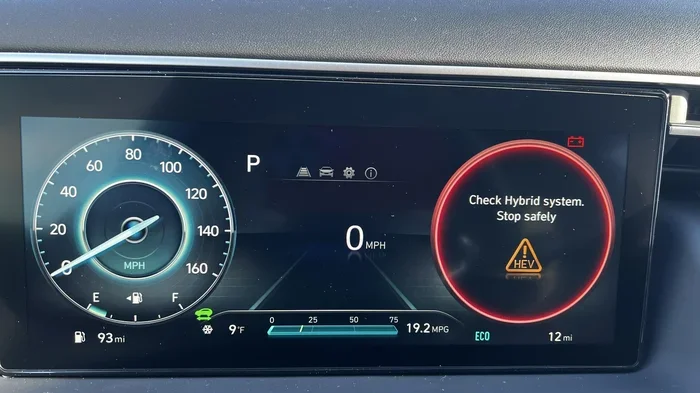
- The dashboard displays a hybrid system warning light
- Regenerative braking feels less responsive
If you notice any of these signs, get your vehicle checked right away. Catching battery degradation early can help you plan for a replacement instead of facing a sudden breakdown.
Maintenance Costs That Surprise Owners
One of the most common complaints about hybrid vehicles is the cost of keeping them running. The hybrid maintenance bill is often higher than what owners expect.
Why Hybrid Repairs Cost More
When something goes wrong with a hybrid car, the repair bill tends to be steeper. Specialized technicians are needed for high-voltage battery work. Not every mechanic is trained or equipped to handle hybrid repair safely. This limited availability of skilled workers drives up labor costs.
The hybrid battery replacement cost is the biggest financial shock for owners. A new battery pack can cost anywhere from $2,000 to $8,000 depending on the vehicle model. Some Toyota Prius owners have reported paying close to $4,000 for a replacement pack. While hybrid warranty coverage helps during the first few years, out-of-warranty repairs can be painful.
Other expensive hybrid repair costs include:
- Inverter replacement – typically $1,500 to $3,000
- Electric motor failure – can exceed $2,500
- Power electronics repairs – varying costs depending on the component
- Coolant system servicing for the battery thermal management system
Quick Tips to Reduce Hybrid Maintenance Costs
You can lower your hybrid maintenance expenses with a few smart habits:
- Stay on top of the recommended hybrid service schedule
- Keep records of all repairs and battery health checks
- Check the hybrid battery health during every oil change
- Use a certified hybrid technician for all major repairs
- Consider an extended warranty if you plan to keep the car long-term
Common Mistakes: Many owners skip hybrid service appointments because the car seems to run fine. This is a mistake. Hybrid vehicles have hidden systems that need regular monitoring. Ignoring them can lead to expensive repairs down the road.
Cold Weather and Performance Issues
If you live in a colder climate, you already know that hybrid performance takes a hit during winter. The biggest problem with hybrids in cold weather is reduced fuel economy and limited electric driving range.
Why Hybrids Struggle in Winter
Cold temperatures affect the high-voltage battery directly. The battery chemistry slows down in freezing conditions. This means the electric motor has less power available. The car compensates by using the gas engine more often, which defeats the purpose of fuel economy savings.
Here is what happens in a cold hybrid vehicle:
- The battery pack takes longer to warm up
- Electric-only driving is limited or unavailable
- The gas engine runs more frequently
- Fuel economy can drop by 20 to 30 percent
- Regenerative braking is less effective on icy roads
For owners in northern states, this is a serious concern. The very benefit that attracts people to hybrid vehicles – excellent fuel economy – shrinks during the coldest months.
Common Mistakes Owners Make in Cold Climates
There are a few habits that make cold weather hybrid problems worse:
- Leaving the car unplugged overnight in freezing temperatures
- Using the heater on maximum power right after starting the car
- Ignoring the battery preconditioning feature
- Driving short trips without giving the battery time to recover
- Not using the recommended winter-grade hybrid coolant
Expert Insight: Automotive experts recommend pre-conditioning your hybrid battery while the car is still plugged in. This warms the battery before you drive, improving cold weather performance and protecting the battery pack from unnecessary strain.
Resale Value and Long-Term Ownership
Buying a hybrid vehicle is a long-term commitment. The biggest problem with hybrids does not just affect how the car drives today. It also impacts what the car is worth when you decide to sell.
Do Hybrids Hold Their Value?
The resale value of a hybrid car depends on several factors. Battery health is the single most important one. A hybrid vehicle with a degraded battery will sell for much less than one with a healthy pack. Buyers know that a hybrid battery replacement costs thousands of dollars, so they factor that into their offer.
That said, some hybrid models hold their value remarkably well. The Toyota Prius has a strong reputation for reliability, which helps its resale value. Popular plug-in hybrid models from Toyota and Ford also retain value better than lesser-known brands.
Here is a quick comparison of hybrid resale value by model type:
| Model Type | Avg. Resale Value at 5 Years | Battery Impact on Value |
|---|---|---|
| Toyota Prius (Standard Hybrid) | 55-60% of original price | Moderate |
| Toyota RAV4 Hybrid | 50-55% of original price | Moderate |
| Ford Escape PHEV | 40-45% of original price | High |
| Chevrolet Volt (Discontinued) | 30-35% of original price | Very High |
| Honda Accord Hybrid | 50-55% of original price | Moderate |
As you can see, the battery pack condition plays a huge role in resale value. A well-maintained high-voltage battery can make a significant difference in what you get when you sell.
The Real Cost of Long-Term Hybrid Ownership
When you look at the full picture, the biggest problem with hybrids from a cost perspective is the gap between promised savings and real-world expenses. Yes, fuel economy is better than a comparable gas car. But the higher purchase price, maintenance costs, and potential battery replacement can offset those savings.
Here is a simple breakdown of long-term hybrid ownership costs:
- Higher purchase price: $1,500 to $5,000 more than the gas version
- Annual maintenance: $200 to $400 more per year on average
- Battery replacement (if needed): $2,000 to $8,000 after warranty expires
- Fuel savings: $500 to $1,000 per year depending on driving habits
Over five to seven years, the math works out differently for every driver. Your mileage, climate, and driving habits all matter. But one thing is clear: hybrid vehicles are not the automatic money-savers that marketing suggests.
Is the Biggest Problem With Hybrids Fixable?
The good news is that the automotive industry is actively working on solutions. The biggest problem with hybrids today may not be the same problem tomorrow.
What Manufacturers Are Doing to Improve
Car companies are investing heavily in hybrid technology improvements. Newer battery chemistries like lithium-ion and solid-state batteries promise longer lifespans. These advanced battery packs degrade more slowly and perform better in extreme temperatures.
Manufacturers are also expanding hybrid warranty coverage. Toyota, for example, offers an 8-year or 100,000-mile warranty on hybrid battery components. Honda provides similar coverage for their hybrid vehicles. These warranties give buyers more confidence about long-term ownership.
Here are some key improvements we are seeing:
- Better thermal management systems for the battery pack
- More efficient regenerative braking systems
- Improved hybrid transmission designs with fewer moving parts
- Smarter powertrain software that optimizes battery usage
- Longer-lasting electric motors with reduced wear
Should You Still Buy a Hybrid?
The answer depends on your situation. If you drive a lot of short trips and live in a moderate climate, a hybrid vehicle can still be a great choice. The fuel economy benefits are real, and the hybrid battery will likely last the life of the car under those conditions.
However, if you live in an extremely cold or hot climate and plan to keep the car for more than ten years, you should carefully weigh the risks. The hybrid battery replacement cost is significant, and cold weather performance will be a constant frustration.
The biggest problem with hybrids is manageable if you go in with your eyes open. Do your research. Get a pre-purchase hybrid battery health check. Understand the warranty terms. And budget for potential repairs down the road.
Conclusion
The biggest problem with hybrids is clear: battery degradation, rising maintenance costs, and hybrid repair complexity create real ownership challenges. These vehicles are not perfect, and they are not for everyone.
But they are far from a bad choice. If you understand the risks and plan accordingly, a hybrid vehicle can still deliver excellent fuel economy and a satisfying driving experience. The key is to stay informed, keep up with hybrid maintenance, and never ignore warning signs from your high-voltage battery or hybrid system.
Before you commit to a hybrid car, ask yourself honest questions about your driving habits, climate, and budget. The biggest problem with hybrids only becomes a dealbreaker if you are unprepared for it. Do your homework, and a hybrid can still be a smart, efficient choice for your next vehicle.
Frequently Asked Questions
How long do hybrid batteries actually last?
Most hybrid battery packs are engineered to last between eight and ten years or roughly 100,000 to 150,000 miles. However, this depends heavily on driving habits, climate, and how well you maintain the high-voltage battery. Some owners report their hybrid batteries lasting well beyond 150,000 miles with proper care.
Are hybrids worth the extra cost compared to gas cars?
It depends on how much you drive and where you live. If you commute long distances in moderate weather, the fuel economy savings can offset the higher purchase price within five to seven years. But if you drive short trips in extreme cold, the savings may not materialize. The biggest problem with hybrids is that they do not save money for every driver in every situation.
Can you still drive a hybrid if the battery dies?
Yes, most hybrid vehicles can still run on gas power alone if the electric motor or battery pack fails. However, you will lose the fuel economy benefits and may notice rough shifting or warning lights. It is important to get the vehicle towed to a qualified technician rather than continuing to drive long distances.
Do hybrids require special maintenance compared to regular cars?
Yes, hybrid vehicles need maintenance that goes beyond standard oil changes and tire rotations. You need regular checks on the high-voltage battery, hybrid cooling system, and regenerative braking components. Always use a technician who is certified in hybrid repair to ensure safety and proper diagnostics.
What happens to a hybrid in extremely cold weather?
Cold weather reduces the efficiency of the hybrid battery, which means less electric-only driving and lower fuel economy. The gas engine takes over more often. Some owners also report slower acceleration and reduced regenerative braking effectiveness. Pre-conditioning the battery while plugged in can help minimize these issues.
How much does it cost to replace a hybrid battery?
The hybrid battery replacement cost typically ranges from $2,000 to $8,000 depending on the vehicle model and battery type. Newer plug-in hybrid models with larger batteries tend to cost more. However, many manufacturers offer extended warranties that cover battery replacement, so check your hybrid warranty details before assuming the full cost.