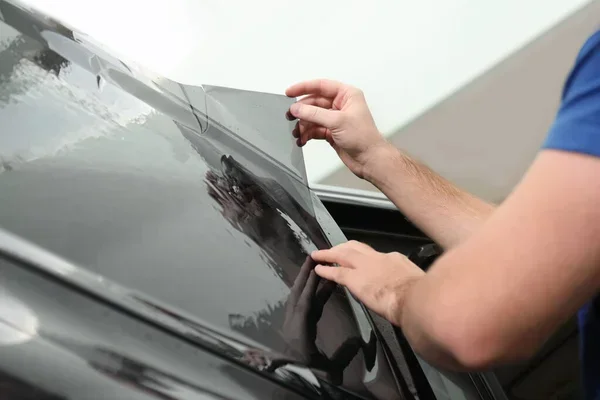
Tinting the Front Windshield: What You Need to Know
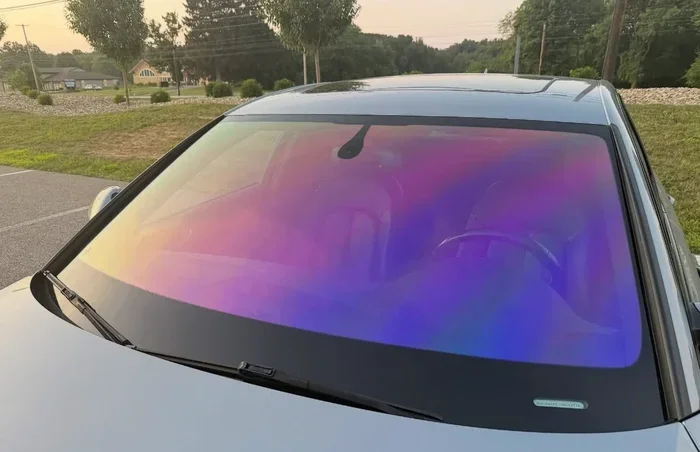
Tinting the front windshield is a topic many car owners explore for heat reduction, UV protection, and style. However, front windshield tint laws vary by state, and choosing the wrong tint percentage can lead to fines or failed inspections. This guide covers visible light transmission, tint types, costs, and everything you need to make a smart choice.
Key Takeaways
- Legal Limits Matter: Most states only allow a small tint strip on the front windshield. Knowing your local windshield tint laws keeps you safe and legal.
- Tint Type Affects Performance: Ceramic tint and carbon tint offer superior heat rejection and UV protection compared to dye-based options.
- VLT Is the Key Metric: Visible light transmission determines how dark your tint is, and it directly impacts legality.
- Professional Installation Wins: A pro ensures bubble-free, durable results that last for years.
- Cost Varies Widely: Expect to pay between $100 and $400 depending on the tint film quality and your vehicle.
- Safety First: Glare reduction and sun protection improve driving comfort, but over-tinting can reduce visibility.
📑 Table of Contents
- Tinting the Front Windshield: What You Need to Know
- Why People Tint Their Front Windshield
- Understanding Windshield Tint Laws
- Types of Windshield Tint Film
- Comparison Table: Tint Types for Front Windshield
- How to Choose the Right Tint for Your Windshield
- Common Mistakes People Make When Tinting the Front Windshield
- Expert Insights on Front Windshield Tinting
- Key Takeaways
- Conclusion
Tinting the Front Windshield: What You Need to Know
You see them every day. Cars rolling down the road with tinted windows that look sleek, cool, and mysterious. But tinting the front windshield is a whole different ball game. It is not just about looks. There are laws, safety concerns, and science behind the film you stick on your glass. If you are thinking about front windshield tinting, you have come to the right place. Let us walk through everything you need to know before you make that decision.
The front windshield is the most important window on your car. It gives you the widest view of the road. It lets in natural light. And it plays a huge role in keeping you safe during a crash. That is why tinting regulations for the front windshield are stricter than for side or rear windows. Whether you want heat reduction, UV protection, or just a cleaner look, understanding the rules and options is essential. This guide breaks it all down in simple terms.
We will cover the legal limits, the different types of auto tinting films, what visible light transmission means, and how to pick the right tint percentage for your needs. By the end, you will feel confident and informed. No guesswork. No confusion. Just clear, practical advice you can use right away.
Why People Tint Their Front Windshield
Not everyone who tints their car goes for the front windshield. Many drivers focus on the side and rear windows first. But there are strong reasons to consider tinting the front windshield too. Let us look at the top motivations.
Heat Rejection and Comfort
When you park your car under the sun, the interior turns into an oven. The solar heat builds up fast. Windshield tint film can block a huge portion of that heat. This means a cooler cabin when you get back in. You do not have to blast the air conditioning for ten minutes just to make the car bearable. Heat rejection is one of the biggest reasons drivers choose car window tint for their windshield.
UV Protection for Your Health
The sun sends out harmful ultraviolet rays every single day. Even on cloudy days, UV radiation passes through glass. Over time, this exposure can damage your skin and eyes. High-quality window film blocks up to 99 percent of UV rays. This is especially important for people who drive long hours. Sun protection for your windshield is not a luxury. It is a health move.
Glare Reduction for Safer Driving
Driving into the setting sun can be blinding. Headlights from oncoming cars at night can cause serious eye strain. Glare reduction is a real benefit of front windshield tinting. A good film cuts through that harsh light without making the glass too dark. You stay more comfortable and more alert behind the wheel.
Aesthetics and Privacy
Let us be honest. A privacy tint on the front windshield just looks good. It gives the car a polished, finished look. Some drivers also feel more private with a slight tint. But keep in mind that too much tint on the front windshield can reduce your ability to see clearly. Balance matters here.
Understanding Windshield Tint Laws
This is the part most people skip. And skipping it can cost you money. Front windshield tint laws exist in every state and many countries. They are not suggestions. They are rules backed by fines, points on your license, and even vehicle inspection failures. Before you tint anything, learn the law in your area.
What Is Visible Light Transmission (VLT)?
Visible light transmission, or VLT, is the percentage of light that passes through your glass and tint film. A higher VLT means more light comes through. A lower VLT means a darker tint. For example, a tint percentage of 70 percent lets in 70 percent of light. A 50 percent tint lets in half. The front windshield usually needs a higher VLT than side windows because drivers need maximum visibility.
General Rules in the United States
Most U.S. states allow a windshield tint strip across the top of the glass. This strip is usually no wider than a few inches. The exact measurement varies. Some states allow up to four inches from the top. Others limit it to two inches. The tint strip must also be a certain VLT level, often 70 percent or higher. Side and rear windows have different rules, but the front windshield is always the most regulated.
Why These Laws Exist
Safety is the main reason. The front windshield provides critical visibility for driving. If the tint is too dark, it becomes harder to see pedestrians, other cars, traffic signals, and road signs. Lawmakers balance personal freedom with public safety. That is why legal tint limits for the front windshield are more restrictive than for other windows. Always check your state tint laws before you buy any film.
Types of Windshield Tint Film
Not all auto tinting films are the same. The type of film you choose affects performance, price, durability, and appearance. Here are the most common options for tinting the front windshield.
Dye-Based Tint
Dye-based window film is the most affordable option. It uses a layer of dye between an adhesive and a protective coating. It looks good when first installed. But it has downsides. Dye-based tint fades over time. It bubbles more easily. And it offers only basic heat rejection. If you want a cheap short-term fix, this might work. But for long-term quality, it falls short.
Metalized Tint
Metalized tint film contains tiny metallic particles that reflect heat and UV rays. It is more durable than dye-based options. It also provides better heat reduction. The downside? Metalized tint can interfere with cell phone signals and GPS. It also has a shiny, reflective look that some people do not prefer. For the front windshield, this type is less common because of the reflective appearance.
Carbon Tint
Carbon tint is a popular middle-ground choice. It does not contain metal, so it does not interfere with electronics. It offers excellent heat rejection and UV protection. Carbon film has a matte, non-reflective finish that looks clean and modern. It is also very durable and resists fading. Many drivers choose carbon for their front windshield tinting projects.
Ceramic Tint
Ceramic tint is the premium option. It uses nano-ceramic particles to block heat and UV rays without adding color or metal. The result is the highest level of heat rejection and optical clarity. Ceramic film does not fade, bubble, or interfere with electronics. It is also the most expensive. If you want the best performance for tinting the front windshield, ceramic is the top choice.
Hybrid Tint
Hybrid window film combines dye and metal layers. It aims to give you the best of both worlds. Better heat reduction than pure dye, less signal interference than full metalized film. Hybrid tint is a solid option if you want quality without the premium price tag of ceramic.
Comparison Table: Tint Types for Front Windshield
| Tint Type | Heat Rejection | UV Protection | Signal Interference | Durability | Price Range |
|---|---|---|---|---|---|
| Dye-Based | Low | Moderate | None | Low | $50 – $100 |
| Metalized | High | Good | Yes | High | $100 – $200 |
| Carbon | High | Excellent | None | High | $150 – $250 |
| Ceramic | Very High | Excellent | None | Very High | $200 – $400 |
| Hybrid | Moderate-High | Good | Minimal | Moderate | $100 – $180 |
How to Choose the Right Tint for Your Windshield
Choosing the right auto tinting film for your front windshield is not just about picking the darkest option. There are several factors to consider. Let us go through them one by one.
Check Your State Laws First
This cannot be stressed enough. Before you spend a single dollar, look up your state tint laws. Know the maximum allowed tint percentage for the front windshield. Know the width of the permitted windshield tint strip. If you go darker than the law allows, you risk getting pulled over, fined, or forced to remove the tint. Stay legal from the start.
Think About Your Driving Conditions
Do you drive mostly in hot, sunny climates? Then heat rejection should be a top priority. Do you drive a lot at night? Then you need a film that maintains high visible light transmission. Do you spend hours on the highway? UV protection and glare reduction become more important. Match your tint film choice to your actual driving habits.
Set a Realistic Budget
Front windshield tinting costs vary a lot. A basic dye film might cost you around $50 to $100 installed. A premium ceramic film can run $300 to $400 or more. Do not just go for the cheapest option. Cheap tint fades, bubbles, and peels. You will end up replacing it anyway. Invest in quality, especially for the front windshield where visibility matters most.
Choose a Reputable Installer
The film is only half the equation. Installation quality matters just as much. A poor install leads to bubbles, creases, peeling edges, and reduced visibility. Look for a local auto tinting shop with strong reviews. Ask about their warranty. A good installer will clean the glass properly, cut the film precisely, and squeegee out all the air bubbles. Do not try a DIY install for the front windshield unless you have experience.
Consider the Brand and Warranty
Reputable tint film brands like 3M, Llumar, and SunTek offer warranties that cover bubbling, peeling, and fading. These warranties give you peace of mind. When you are tinting the front windshield, you want a product that will last for years. Check what the warranty covers and how long it lasts before you commit.
Quick Tips for a Great Tinting Experience
- Wait at least 3 to 5 days before rolling down your windows after installation. This lets the adhesive cure fully.
- Clean the tinted glass with a soft cloth and ammonia-free cleaner. Harsh chemicals can damage the film.
- Avoid parking in direct sunlight for the first 48 hours. Heat can affect the curing process.
- Keep a small bubble kit on hand. Small air bubbles often disappear on their own within a few weeks.
- Ask your installer about the VLT of the film before they apply it. You want to know exactly what you are getting.
Common Mistakes People Make When Tinting the Front Windshield
Even well-meaning car owners make mistakes with front windshield tinting. These errors can lead to wasted money, legal trouble, or safety risks. Here are the most common ones to avoid.
Ignoring Local Tint Laws
This is the number one mistake. People see a cool tint percentage online and just order it without checking if it is legal. Then they get pulled over. Then they pay a fine. Then they have to remove it. Save yourself the headache. Know the law first.
Choosing the Darkest Option
Darker does not always mean better. For the front windshield, you need clear visibility. Choosing a very dark privacy tint for the front glass can reduce your ability to see in low-light conditions, at night, or in bad weather. Safety should always come first.
Skipping Quality for Price
Everyone loves a deal. But ultra-cheap tint film often means poor heat rejection, weak UV protection, and a short lifespan. You get what you pay for. Invest in a quality film from a trusted brand. Your front windshield deserves it.
Going the DIY Route
Installing window film on a curved surface like the front windshield is extremely difficult. Dust, bubbles, creases, and misalignment are almost guaranteed with a DIY attempt on the windshield. Leave this job to the professionals. The extra cost is worth the flawless result.
Forgetting About Curing Time
After installation, the adhesive needs time to cure. During this time, you might see small bubbles or haziness. This is normal. But if you roll your windows down too soon or wipe the glass too aggressively, you can disrupt the curing process. Patience is key.
Expert Insights on Front Windshield Tinting
We asked a few professional auto tinting specialists about the most common questions they hear. Here is what they had to say.
What Is the Best Tint for the Front Windshield?
Most experts agree that ceramic tint is the best choice for the front windshield. It offers the highest heat rejection, excellent UV protection, and zero signal interference. It also maintains excellent optical clarity, which is critical for the front glass. If budget allows, ceramic is the clear winner.
How Long Does Windshield Tint Last?
A quality window film can last 5 to 10 years or more with proper care. Dye-based films may only last 2 to 3 years before showing signs of fading or bubbling. Carbon and ceramic films hold up much longer. The key is to follow the care tips your installer gives you.
Can I Tint the Entire Front Windshield?
In most states, no. The law typically only allows a windshield tint strip at the top of the glass. Some states have slightly different rules, but full-coverage tint on the front windshield is generally not legal. Always verify with your local tinting regulations before proceeding.
Key Takeaways
- Know the Law: Front windshield tint laws are strict for good reason. Always check your state tint laws before tinting.
- VLT Matters: Visible light transmission determines how dark your tint is and whether it is legal for the front windshield.
- Choose Quality: Ceramic tint and carbon tint offer the best heat rejection, UV protection, and durability.
- Professional Installation Is Key: A skilled installer delivers a clean, bubble-free finish that lasts.
- Avoid Common Mistakes: Do not ignore the law, skip quality, or attempt a DIY install on the front windshield.
- Think About Your Needs: Consider your climate, driving habits, and budget when choosing a tint percentage and tint film type.
- Care for Your Tint: Proper cleaning and patience during the curing process extend the life of your auto tinting investment.
Conclusion
Tinting the front windshield is a smart move when done right. It brings real benefits like heat reduction, UV protection, and glare reduction. It also gives your car a polished, finished look. But it comes with responsibilities. You must follow the law. You must choose the right tint type. And you must invest in quality installation.
Take the time to research your options. Understand visible light transmission and legal tint limits in your area. Pick a film that fits your needs and budget. Find a reputable installer you can trust. When you do all of this, tinting the front windshield becomes one of the best upgrades you can make to your vehicle.
Do not rush the process. Do not skip the research. And never, ever go darker than the law allows on your front windshield. A little patience and preparation go a long way. Your future self will thank you every time you get behind the wheel of a cooler, safer, and better-looking car.
Frequently Asked Questions
Is tinting the front windshield legal in all states?
No, front windshield tint laws vary by state and country. Most U.S. states only allow a small windshield tint strip at the top of the glass. The width and tint percentage allowed depend on your local tinting regulations. Always check your state laws before tinting.
What VLT is best for front windshield tinting?
For the front windshield, a VLT of 70 percent or higher is usually required by law. This allows enough light through for safe driving. Some states allow slightly lower visible light transmission, but the front windshield is always the most regulated window on the car.
How much does it cost to tint the front windshield?
The cost depends on the tint film type and your location. Dye-based film might cost $50 to $100. Premium ceramic tint can run $300 to $400 or more. Professional installation is usually included in the price. Always get quotes from at least two or three local auto tinting shops.
Can I tint my entire front windshield?
In most places, full front windshield tinting is not legal. The law typically restricts you to a small strip at the top. This rule exists for safety and visibility reasons. Going beyond the allowed tint percentage or coverage can result in fines and mandatory removal.
How long does windshield tint take to dry?
The curing process usually takes 3 to 5 days, sometimes longer in humid conditions. During this time, you may notice small bubbles or haziness. This is normal. Avoid rolling your windows down, wiping the glass, or parking in direct sunlight for the first 48 hours.
What is the best type of tint for UV protection?
Ceramic tint and carbon tint offer the best UV protection. Both block up to 99 percent of harmful ultraviolet rays. Dye-based tint provides moderate protection but fades over time. If sun protection is your priority, ceramic or carbon film is the way to go.