How to Fix the ESP BAS Light on Your Dodge Charger
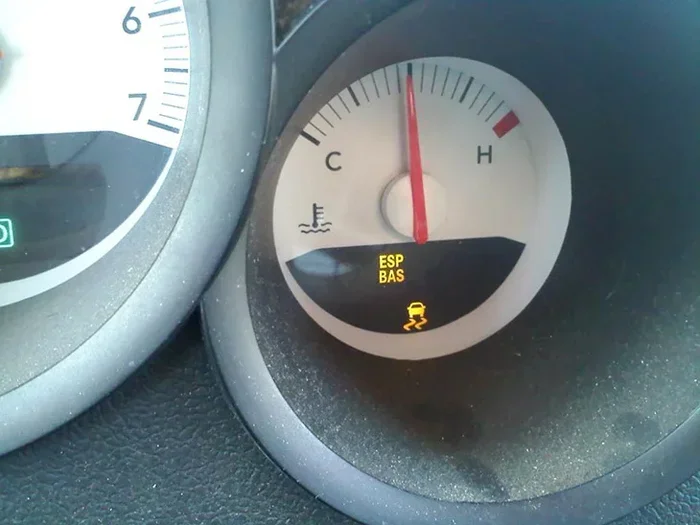
The ESP BAS light on your Dodge Charger can be scary, but it is often fixable with simple steps. This light means your electronic stability program or brake assist system has detected a problem. We will walk you through the most common causes, what tools you need, and how to reset the light yourself.
Key Takeaways
- ESP BAS stands for Electronic Stability Program and Brake Assist System: these safety features help you stay in control during tricky driving conditions.
- Common causes include faulty wheel speed sensors, low brake fluid, and bad steering angle sensors: most fixes are affordable and doable at home.
- An OBD2 scanner is your best friend: it reads fault codes and tells you exactly what is wrong with your Dodge Charger.
- Resetting the light is simple: but only do it after fixing the root cause, or the light will come right back on.
- Driving with the ESP BAS light on is risky: your stability and brake assist systems may not work properly in emergencies.
- Regular maintenance prevents ESP BAS warnings: check your brake fluid, sensors, and fuses on a routine basis.
- Some fixes cost under $50: while others may need a mechanic, most ESP BAS issues are not expensive to resolve.
📑 Table of Contents
- How to Fix the ESP BAS Light on Your Dodge Charger
- What Does the ESP BAS Light Mean?
- How to Diagnose the ESP BAS Light
- Common ESP BAS Light Fixes for Dodge Charger
- When to See a Professional Mechanic
- Can You Drive with the ESP BAS Light On?
- Preventing the ESP BAS Light from Coming Back
- Quick Tips for Fixing the ESP BAS Light
- Common Mistakes People Make When Fixing the ESP BAS Light
- Expert Insight: Why Dodge Chargers Are Prone to ESP BAS Issues
- Key Takeaways
How to Fix the ESP BAS Light on Your Dodge Charger
That little yellow or orange warning light on your Dodge Charger dashboard can really set off alarm bells. You see it and immediately think the worst. But here is the good news. The ESP BAS light on a Dodge Charger is one of the most common dashboard warnings, and it is usually fixable without a trip to the dealer.
ESP stands for Electronic Stability Program. BAS stands for Brake Assist System. Together, these two systems work to keep your Charger stable and safe. When the light comes on, it means one of these systems has detected a problem. The good news is that you can often diagnose and fix the issue yourself. You just need to know what to look for.
In this guide, we will go through every possible cause of the ESP BAS light on a Dodge Charger. We will cover simple fixes you can do in your garage. We will also cover more complex issues that may need a professional. By the end, you will know exactly what to do and how to get that annoying light turned off for good.
Before you start, grab your OBD2 scanner if you have one. This little tool is a game changer. It plugs right into your Dodge Charger and reads the fault codes stored in your car’s computer. Without it, you are basically guessing. With it, you know exactly what is wrong. You can find a basic OBD2 scanner for under $30 at most auto parts stores.
What Does the ESP BAS Light Mean?
Understanding what the light actually means is the first step to fixing it. The ESP BAS light is a combined warning. It tells you that something is wrong with either the Electronic Stability Program or the Brake Assist System. These are both critical safety features on your Dodge Charger.
The Electronic Stability Program helps you keep control when your car starts to slide. It works by slowing down individual wheels and adjusting engine power. The Brake Assist System detects when you are braking hard in an emergency. It then applies maximum braking force to help you stop faster.
When the light comes on, one or both of these systems may not be working correctly. This does not mean your car will stop working. But it does mean your safety systems are compromised. You should address the issue as soon as possible.
Why the ESP BAS Light Comes On
There are many reasons the ESP BAS light might illuminate on your Dodge Charger. Some are simple and cheap to fix. Others require more attention. Here are the most common reasons:
- Faulty wheel speed sensors: These sensors monitor how fast each wheel is spinning. When one fails, the system loses important data.
- Low brake fluid: The Brake Assist System relies on proper brake fluid levels to function.
- Bad steering angle sensor: This sensor tells the system what direction your wheels are pointing.
- Wiring or connector issues: Corroded or damaged wires can send incorrect signals to the computer.
- Failing ABS module: The Anti-Lock Braking System module controls both ABS and ESP functions.
- Dead or weak battery: A low battery voltage can trigger ESP BAS warnings.
- Blown fuse: A simple blown fuse in the fuse box can disable the system entirely.
How to Diagnose the ESP BAS Light
Diagnosing the problem is the most important step. You cannot fix what you do not understand. The process is straightforward and takes about 10 to 15 minutes.
Step 1: Use an OBD2 Scanner
Plug your OBD2 scanner into the diagnostic port under your Dodge Charger dashboard. The port is usually located near the steering column on the driver side. Turn the key to the ON position but do not start the engine.
Follow the scanner instructions to read the fault codes. Write down every code you see. These codes will tell you exactly which sensor or system is causing the problem. Common codes related to ESP BAS include C0034, C0035, C0040, and C1200. Each one points to a specific issue in the stability or braking system.
If you do not own a scanner, many auto parts stores like AutoZone will read the codes for free. Just drive in and ask a team member for help.
Step 2: Check Brake Fluid Level
Open the hood and locate the brake fluid reservoir. It is usually on the driver side near the back of the engine bay. Check the fluid level against the MIN and MAX marks on the side of the reservoir.
If the level is low, top it off with the correct brake fluid type for your Dodge Charger. Check your owner manual for the right specification. Low brake fluid is one of the simplest and most common causes of the ESP BAS light.
Step 3: Inspect Wheel Speed Sensors
Each wheel has a speed sensor attached to it. These sensors can get dirty, damaged, or worn out over time. Start by visually inspecting each sensor and its wiring. Look for cracks, corrosion, or loose connections.
If a sensor looks damaged, you will need to replace it. Wheel speed sensors for a Dodge Charger are relatively affordable. Most cost between $15 and $50 each. The replacement process is also straightforward. You remove the old sensor, clean the mounting area, and install the new one.
Common ESP BAS Light Fixes for Dodge Charger
Once you have identified the cause, it is time to fix the problem. Here are the most common fixes for the ESP BAS light on a Dodge Charger.
Fix 1: Reset the System After a Simple Repair
Sometimes the light stays on even after you have fixed the actual problem. This happens because the car’s computer stores the fault code in memory. You need to clear it to turn off the light.
Use your OBD2 scanner to clear the fault codes. Turn the scanner on, connect it, and select the option to clear codes. The ESP BAS light should turn off. Drive your Charger for a few miles and see if the light comes back. If it does, there is still an underlying issue you have not resolved yet.
Fix 2: Replace a Faulty Wheel Speed Sensor
A bad wheel speed sensor is the number one cause of ESP BAS lights on Dodge Chargers. The sensor is usually located near the wheel hub or rear axle. Here is how to replace it:
- Jack up the car and secure it on jack stands.
- Locate the sensor and unplug the electrical connector.
- Remove the mounting bolt holding the sensor in place.
- Pull the old sensor out and clean the mounting hole.
- Insert the new sensor and bolt it in place.
- Reconnect the electrical connector.
- Repeat for any other affected wheels.
After replacing the sensor, use your OBD2 scanner to clear the codes. The light should stay off if the sensor was the only problem.
Fix 3: Top Off or Replace Brake Fluid
If your brake fluid was low, simply adding more may fix the ESP BAS light. But if the fluid is old or contaminated, you should do a full brake fluid flush. Dirty brake fluid can cause all sorts of problems with your braking and stability systems.
Brake fluid is inexpensive. A quart costs around $10 to $15. A full flush and refill might cost a bit more if you take it to a shop. But it is a critical maintenance item that keeps your Dodge Charger safe and responsive.
Fix 4: Replace the Steering Angle Sensor
The steering angle sensor is located in the steering column. It tells the car’s computer exactly how much your steering wheel is turned. When this sensor fails, the ESP system cannot work properly.
Replacing the steering angle sensor requires more mechanical knowledge. You need to access it through the steering column. After installing the new sensor, you will need to perform a steering angle calibration using your OBD2 scanner or a dealership tool. This calibration tells the car that the steering wheel is centered.
Fix 5: Check the Electrical System
Sometimes the problem is not a sensor at all. It could be a wiring issue or a power supply problem. A weak battery or a bad 12V to 230V car inverter connected to your electrical system can cause voltage fluctuations. These fluctuations can trigger the ESP BAS light unexpectedly.
Check your battery voltage with a multimeter. It should read around 12.6 volts when the engine is off and 13.7 to 14.7 volts when running. If your battery is weak, replace it. If you have any aftermarket electrical accessories, disconnect them temporarily to see if the light goes off.
Also check your 12V car socket to 3 pin adapters if you use any. A faulty adapter can create electrical noise that interferes with your car’s sensors. Remove any non-essential electrical devices and see if the ESP BAS light clears up.
When to See a Professional Mechanic
Not every ESP BAS issue is a DIY fix. Some problems require specialized tools and expertise. Here are the signs that you should take your Dodge Charger to a professional:
- The light comes back immediately after you reset it.
- You get multiple fault codes related to different systems.
- Your ABS light is also on along with the ESP BAS light.
- You notice unusual behavior when braking or turning.
- The steering feels different or unresponsive.
- You have checked all sensors and fluid levels but the light persists.
A professional mechanic has access to advanced diagnostic tools. They can perform deep system scans and pinpoint issues that a basic OBD2 scanner might miss. The ABS module itself can sometimes fail, and replacing or reprogramming it requires specialized equipment. This is not a job for most DIYers.
Also, if your Dodge Charger is still under warranty, take it to the dealer. Fixing ESP BAS issues yourself could void your warranty. Let the professionals handle it and save yourself the headache.
Can You Drive with the ESP BAS Light On?
This is a question many Dodge Charger owners ask. The short answer is yes, you can drive with the light on. But you should be very careful. When the ESP BAS light is on, your stability control and brake assist systems may not work at full capacity.
In normal driving conditions on dry roads, you will probably be fine. But in wet, icy, or slippery conditions, the lack of stability control can be dangerous. Your car might not respond the way you expect during emergency maneuvers. The brake assist system might not kick in when you need it most.
If you must drive with the light on, reduce your speed. Increase your following distance. Avoid sharp turns and sudden braking. Get the issue fixed as soon as possible. Do not ignore the warning light. It is there for your safety.
Preventing the ESP BAS Light from Coming Back
Once you have fixed the ESP BAS light, you want to keep it off. Here are some tips to prevent the problem from returning:
- Check your brake fluid regularly: look at it every time you check your oil.
- Keep your sensors clean: wheel speed sensors can get dirty from road grime and debris.
- Inspect wiring harnesses: look for frayed wires or loose connectors, especially near the wheels.
- Use quality replacement parts: cheap sensors fail faster and can cause the same problems again.
- Do not ignore early warning signs: if you notice any unusual behavior in your brakes or steering, get it checked right away.
Regular maintenance goes a long way. Your Dodge Charger is a powerful and capable car. Keep it well-maintained and the ESP BAS light should stay off where it belongs.
Quick Tips for Fixing the ESP BAS Light
- Always start with the OBD2 scanner: it tells you exactly what is wrong and saves you time.
- Do not clear the codes before fixing the problem: the light will just come back on.
- Check the simplest things first: brake fluid level, battery voltage, and fuses are free to check.
- Keep your owner manual handy: it has specific fuse locations and fluid specifications for your model year.
- Take photos before disconnecting anything: this helps you remember how everything connects when you are putting it back together.
Common Mistakes People Make When Fixing the ESP BAS Light
Avoid these common mistakes to save time and money:
- Clearing the codes without fixing the root cause: this is the number one mistake people make. The light always comes back.
- Ignoring the ABS light: if both the ABS and ESP BAS lights are on, the problem is likely shared between both systems.
- Using the wrong brake fluid: always use the DOT specification listed in your owner manual.
- Skipping the steering angle calibration: after replacing the steering angle sensor, you must recalibrate it or the light will not go off.
- Assuming it is always a sensor: sometimes the problem is a simple wiring issue or a blown fuse that costs pennies to fix.
Expert Insight: Why Dodge Chargers Are Prone to ESP BAS Issues
Dodge Chargers are powerful cars with heavy rear ends. This puts extra stress on the braking and stability systems. Over time, the components that make up the ESP BAS system can wear out faster than on lighter vehicles. The wheel speed sensors on the rear wheels are particularly prone to failure.
Additionally, the Charger’s electrical system can be sensitive to voltage fluctuations. If you have aftermarket accessories or if your battery is aging, the ESP BAS system may throw a warning even when nothing is mechanically wrong. Keeping your electrical system healthy is one of the best ways to prevent these phantom warnings.
Some older model year Chargers have known issues with the ABS module itself. If you own a Charger from the mid-2000s to early 2010s, be aware that the ABS module may need to be rebuilt or replaced. This is a more expensive fix but it is a known issue that many Dodge Charger owners experience.
Key Takeaways
- The ESP BAS light means your stability or brake assist system has a fault: do not ignore it.
- Start diagnosis with an OBD2 scanner: it gives you the exact fault codes you need.
- Most common causes are wheel speed sensors, low brake fluid, and steering angle sensors: all are fixable at home.
- Always fix the root cause before clearing codes: otherwise the light will return.
- Some issues need a professional mechanic: especially ABS module failures or wiring problems deep in the car.
- Regular maintenance prevents most ESP BAS problems: check your fluids and sensors on a schedule.
- Driving with the light on is risky in bad weather: get it fixed promptly for your safety.
Frequently Asked Questions
What does ESP BAS mean on a Dodge Charger?
ESP BAS stands for Electronic Stability Program and Brake Assist System. These are two safety features that work together to help you maintain control and stop safely. When the light comes on, one of these systems has detected a problem that needs attention.
Can I drive my Dodge Charger with the ESP BAS light on?
You can drive with the light on, but it is not recommended. Your stability and brake assist systems may not work properly. In wet or icy conditions, this can be very dangerous. Get the issue diagnosed and fixed as soon as possible.
How much does it cost to fix the ESP BAS light on a Dodge Charger?
The cost depends on the cause. A wheel speed sensor replacement might cost $50 to $100. Brake fluid top-off costs just a few dollars. More complex repairs like ABS module replacement can cost $300 to $800. Always get a diagnosis first so you know exactly what you are dealing with.
Will disconnecting the battery reset the ESP BAS light?
Disconnecting the battery may temporarily reset the light. But if the underlying problem is not fixed, the light will come back on. Use an OBD2 scanner to clear the codes properly after you have repaired the issue. This ensures the light stays off.
How do I know if my wheel speed sensor is bad?
A bad wheel speed sensor usually triggers the ESP BAS light and sometimes the ABS light too. You may also notice erratic speedometer readings or the traction control light coming on. An OBD2 scanner will confirm the exact sensor that is failing by showing the related fault code.
What year Dodge Chargers have ESP BAS problems?
ESP BAS issues can affect any model year of the Dodge Charger. However, Chargers from 2006 to 2014 tend to have more reported problems with wheel speed sensors and ABS modules. If you own a Charger in this range, pay extra attention to your braking and stability systems.
=== CONCLUSION ===
Fixing the ESP BAS light on your Dodge Charger does not have to be stressful. In most cases, the problem is a simple sensor failure or low brake fluid. With a basic OBD2 scanner and a few common tools, you can diagnose and fix the issue yourself. Save money, learn something new, and get your Charger back to running safely.
Remember to always fix the root cause before clearing the codes. Do not just reset the light and hope for the best. Take your time, follow the steps in this guide, and you will have that warning light off and your Dodge Charger running safely again. Your safety on the road depends on these systems working properly. So take the ESP BAS light seriously and fix it promptly.
Keep up with regular maintenance on your Charger and these issues will stay away. Your car will thank you with reliable performance and peace of mind every time you hit the road.