How to Find Out Gear Ratio on Your Chevrolet Truck
Finding the gear ratio on your Chevrolet truck is easier than you think. You can check your vehicle identification number, inspect the axle tag, or use online lookup tools. Knowing your gear ratio helps you understand towing capacity, fuel economy, and overall truck performance.
Your Chevrolet truck is a machine built for power, durability, and versatility. But did you know that one small number hidden in your vehicle can change how it performs on the road? That number is your gear ratio. Whether you tow heavy loads, haul gear, or simply want better fuel economy, understanding your gear ratio makes a big difference. In this guide, we will walk you through every method to find out gear ratio on your Chevrolet truck. You do not need to be a mechanic. You just need a little patience and the right information.
The gear ratio tells you how many times the driveshaft spins for every single turn of the wheels. A lower number like 3.42 means your truck moves faster with less engine strain. A higher number like 4.10 gives you more pulling power but uses more fuel. Both have their place. The key is knowing which one your truck has. Let us dive into the simplest ways to find this information.
Key Takeaways
- Multiple Methods Available: You can find your gear ratio through the VIN, axle tag inspection, online tools, or manual counting.
- VIN Decoding Is Quick: The 10th character and other VIN positions reveal important gearing information.
- Gear Ratio Affects Performance: Your ratio impacts towing power, highway fuel economy, and acceleration.
- Common Ratios Exist: Most Chevrolet trucks use ratios like 3.42, 3.73, or 4.10 depending on the model.
- Accessories Matter Too: Adding items like a 12V to 230V car inverter or upgrading your 12V car socket to 3-pin setup can complement your truck’s gearing for better utility.
- Professional Help Is Always an Option: A mechanic can quickly confirm your gear ratio if DIY methods feel confusing.
📑 Table of Contents
- What Is a Gear Ratio and Why Does It Matter?
- Method 1: Check Your Vehicle Identification Number
- Method 2: Inspect the Axle Tag
- Method 3: Count the Gear Teeth Manually
- Method 4: Use Online Gear Ratio Lookup Tools
- Why Knowing Your Gear Ratio Helps You Make Better Choices
- Common Chevrolet Truck Gear Ratios by Model
- When to Consult a Professional
- Quick Tips to Remember
- Common Mistakes to Avoid
- Expert Insights on Gear Ratio Selection
- Conclusion
What Is a Gear Ratio and Why Does It Matter?
Before we get into the how-to, let us quickly understand what a gear ratio actually does. Think of it like the gears on a bicycle. When you use a lower gear, you pedal harder but move slower. When you use a higher gear, you pedal easier and move faster. Your truck works the same way.
The gear ratio is a number written as two figures separated by a colon. For example, 3.73:1. This means the driveshaft turns 3.73 times for every one turn of the wheel. Here is why this matters:
- Towing Power: A higher gear ratio gives your engine more torque at the wheels. This makes pulling trailers much easier.
- Fuel Economy: A lower gear ratio lets your engine work less at highway speeds. This saves gas over time.
- Acceleration: The right gear ratio helps your truck accelerate smoothly without straining the engine.
- Tire Size Compatibility: If you change your tire size, your gear ratio affects how accurate your speedometer reads.
Knowing your gear ratio helps you make smart decisions about towing, upgrades, and even buying used trucks. It is one of those small details that has a big impact.
Method 1: Check Your Vehicle Identification Number
The VIN is like your truck’s fingerprint. Every Chevrolet truck has a unique 17-character code. This code holds a wealth of information, including details about your gearing. You do not need any special tools to decode it.
Where to Find the VIN
You can find the VIN in several places on your truck:
- On the dashboard near the windshield (driver side)
- On the driver side door jamb sticker
- On the vehicle registration or insurance documents
- On the frame near the front of the truck
How to Decode the VIN for Gear Ratio
Not every VIN position tells you the gear ratio directly. However, the 10th character tells you the model year. Characters 4 through 8 reveal the body style, restraint system, and engine type. Once you know the engine and model, you can narrow down the likely gear ratio. Many free online VIN decoders will give you this information instantly.
Here is a quick way to do it:
- Write down your full 17-character VIN.
- Visit a trusted VIN decoder website.
- Enter the VIN and look for the “axle ratio” or “gear ratio” section in the results.
- Note the number and compare it to standard Chevrolet ratios.
This method is fast, free, and very accurate. It works for Silverado, Colorado, Tahoe, and Suburban models alike. If you want to dig deeper into your truck’s capabilities, you might also explore what speed triggers certain system changes, like when hybrids switch to gas for a different perspective on vehicle systems.
Method 2: Inspect the Axle Tag
This is one of the most direct ways to find your gear ratio. Every Chevrolet truck with a solid axle has a metal tag bolted to the axle housing. This tag is usually found on the rear differential. It contains a series of numbers and codes.
How to Locate the Axle Tag
Follow these steps to find the tag:
- Jack up the rear of your truck safely using a jack stand.
- Look at the rear differential housing.
- Find a small metal plate bolted to the housing. It is usually about the size of a credit card.
- The tag will have stamped numbers and letters on it.
Reading the Axle Tag Numbers
The axle tag can look confusing at first glance. But here is the trick. Look for a ratio number. It is usually written as something like “G80” or “3.73” or “4.10.” The number after the decimal point is your gear ratio. For example, if you see “3.73,” your gear ratio is 3.73:1.
Some common Chevrolet gear ratios you might see include:
- 3.42: Good for highway driving and moderate towing.
- 3.73: A popular all-around ratio for trucks and SUVs.
- 4.10: Best for heavy towing and off-road use.
- 4.56: Extreme towing or very large tire setups.
If the tag is missing or worn out, do not worry. You still have other methods to try. Sometimes rust or road debris covers the tag, so clean it carefully with a wire brush before reading the numbers.
Method 3: Count the Gear Teeth Manually
This method takes a bit more effort, but it gives you a precise answer. You will need to physically count the teeth on the ring gear and pinion gear inside the differential.
What You Will Need
- A flashlight
- A ratchet and socket set
- A pen and paper to write down numbers
- A helper (optional but helpful)
Step-by-Step Process
- Remove the differential cover bolts using your ratchet.
- Carefully lower the cover to expose the gears inside.
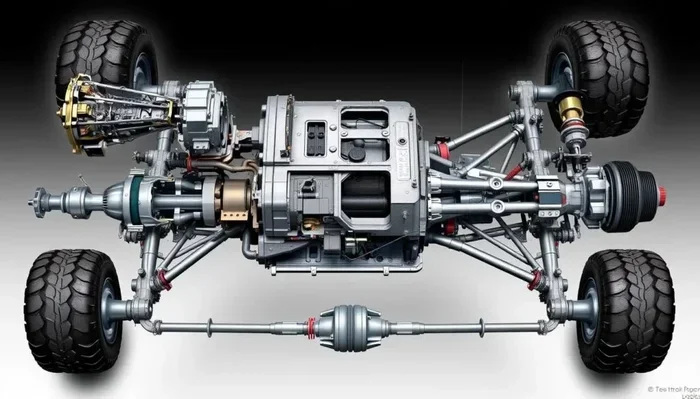
- Look for the ring gear (the large ring-shaped gear) and the pinion gear (the small gear that meshes with it).
- Count the teeth on the ring gear.
- Count the teeth on the pinion gear.
- Divide the ring gear teeth by the pinion gear teeth.
For example, if the ring gear has 41 teeth and the pinion has 11 teeth, you divide 41 by 11. The result is 3.73. So your gear ratio is 3.73:1.
Quick Tip: Write down the numbers before removing any parts. It is easy to forget what you counted in the excitement. Also, make sure the truck is on a flat surface and the parking brake is engaged for safety.
This method works great if you are already underneath the truck for other repairs. It is also a good way to verify the information from the axle tag or VIN decoder.
Method 4: Use Online Gear Ratio Lookup Tools
If you do not want to get under your truck, online tools are your best friend. Several websites let you look up your Chevrolet gear ratio using just the VIN or the year, make, model, and trim level.
Best Online Tools to Try
- Chevrolet Official Website: Enter your VIN on the Chevy parts and accessories page for detailed specs.
- VINDecoder.net: A free tool that provides comprehensive vehicle information.
- RockAuto.com: Great for cross-referencing parts and ratios.
- Truck Forums: Sites like SilveradoForum.com let you search by year and model.
These tools are especially helpful if you bought the truck used and the previous owner did not keep maintenance records. You can also check what accessories and add-ons work best with your specific gearing. For instance, if you are planning to add electrical upgrades, you might look into a 12V car socket to 3-pin adapter for your truck’s accessory setup.
Why Knowing Your Gear Ratio Helps You Make Better Choices
Now that you know how to find your gear ratio, let us talk about why this knowledge is so valuable. Understanding your ratio helps you in several real-world situations.
Towing and Hauling Decisions
If you plan to tow a boat, a trailer, or a caravan, your gear ratio directly affects how well your truck handles the load. A higher ratio like 4.10 gives you more low-end torque. This means less strain on the engine when pulling heavy weight from a stop. A lower ratio like 3.42 is better for lighter loads and highway cruising.
Fuel Economy Considerations
Gear ratios also impact your miles per gallon. If you mostly drive on highways, a lower ratio saves fuel because the engine does not need to work as hard. If you drive mostly in the city or tow frequently, a higher ratio might be worth the slight fuel penalty because it protects your engine from overworking.
Tire Size Changes
Many truck owners upgrade to larger tires for off-road adventures or a more aggressive look. When you change tire size, the effective gear ratio changes too. Larger tires make your effective ratio numerically lower. You may need to re-gear your truck to compensate. Knowing your current ratio helps you plan this upgrade correctly.
Resale Value
Believe it or not, gear ratio affects resale value. Buyers of towing packages and performance-oriented trucks look for specific ratios. If your truck has a desirable ratio, it can sell faster and for a higher price. Always keep records of your gear ratio and any related upgrades.
When considering how different vehicles handle power delivery, it is also interesting to explore how other systems work, such as when a hybrid switches to gas, which shows how vehicles manage different power modes based on driving conditions.
Common Chevrolet Truck Gear Ratios by Model
To help you quickly identify what ratio your truck might have, here is a handy reference table. Keep in mind that options vary by year and trim level.
| Chevrolet Model | Common Gear Ratios | Best For |
|---|---|---|
| Silverado 1500 | 3.42, 3.73, 4.10 | Towing, hauling, highway driving |
| Silverado 2500HD | 3.73, 4.10, 4.56 | Heavy towing and hauling |
| Silverado 3500HD | 3.73, 4.10, 4.56 | Extreme towing and heavy loads |
| Colorado | 3.42, 3.73 | Daily driving and light towing |
| Tahoe | 3.42, 3.73 | Family hauling and highway cruising |
| Suburban | 3.42, 3.73 | Large family transport and towing |
These numbers are general guidelines. Always verify with your specific truck using the methods above. Optional towing packages sometimes include different ratios than standard configurations.
When to Consult a Professional
While all the methods above are DIY-friendly, there are times when you should let a professional handle it. If you cannot find the axle tag, if the VIN decoder gives unclear results, or if you are unsure about your manual count, a trusted mechanic can help.
A mechanic can also check your gear ratio using diagnostic equipment. They plug a scanner into the truck’s OBD-II port and read the data directly. This method is the fastest and most accurate. Many repair shops will check this for free or for a small fee.
If you are renting a truck for a move or a project, knowing the gear ratio ahead of time helps you choose the right vehicle. For example, when looking at options like an 8-seater car on rent in Pune for group transport, understanding vehicle specs helps you make informed rental decisions for any vehicle type.
Quick Tips to Remember
- Always write down your gear ratio and keep it in your truck records.
- Check the axle tag first. It is the fastest method.
- Use a VIN decoder as a backup if the tag is missing.
- Count gear teeth only if you are already underneath the truck.
- Compare your ratio to common Chevrolet values to double-check.
- Keep your truck clean around the differential area to make future tag reading easier.
Common Mistakes to Avoid
- Assuming all trucks of the same year have the same ratio: Trim levels and packages change the ratio.
- Ignoring the differential cover label: Sometimes the tag falls off and gets lost. Check the cover for any stamped numbers.
- Forgetting to account for tire size changes: New tires change your effective ratio even if the gears stay the same.
- Guessing instead of checking: Always verify with a reliable method before making purchase or upgrade decisions.
Expert Insights on Gear Ratio Selection
Automotive experts agree that gear ratio is one of the most overlooked aspects of truck ownership. Many buyers focus on engine horsepower and forget about gearing. But a powerful engine with the wrong gear ratio will not perform its best.
“The gear ratio is the bridge between your engine and the road,” says many experienced truck mechanics. “Get it right, and your truck feels responsive and efficient. Get it wrong, and you waste fuel and strain your drivetrain.”
If you are buying a used Chevrolet truck, always ask the seller for the gear ratio. If they do not know, use the methods in this article to find out yourself. It is a simple check that saves you from costly surprises later.
Conclusion
Finding out the gear ratio on your Chevrolet truck does not have to be complicated. You have multiple reliable methods at your fingertips. You can decode your VIN, read the axle tag, count gear teeth manually, or use an online lookup tool. Each method has its strengths, and using more than one gives you confidence in your answer.
Your gear ratio affects towing power, fuel economy, acceleration, and even resale value. It is a small number with a big impact. Once you know your ratio, you can make smarter decisions about upgrades, tire changes, and towing setups. Keep this information handy. It will serve you well for as long as you own your Chevrolet truck.
Take a few minutes today to check your gear ratio. You will be glad you did. Your truck will thank you with better performance and fewer surprises down the road.
Frequently Asked Questions
Can I find my gear ratio without getting under the truck?
Yes, you can. The easiest way is to use your VIN and an online decoder. You can also check your vehicle registration or owner’s manual, which often lists the axle ratio. These methods require no physical work under the truck.
What is the most common gear ratio for Chevrolet Silverado trucks?
The most common gear ratio for the Chevrolet Silverado 1500 is 3.42 or 3.73. For heavier models like the 2500HD and 3500HD, 3.73 and 4.10 are very common. The exact ratio depends on the trim level and whether a towing package was selected.
Does changing my gear ratio require replacing the entire differential?
No, changing gear ratio usually means replacing the ring gear and pinion gear set inside the existing differential. This is a routine repair that a qualified mechanic can perform in a few hours. The differential housing stays the same.
How does gear ratio affect my speedometer reading?
Your speedometer is calibrated based on the original gear ratio and tire size. If you change either one, your speedometer may read inaccurately. Larger tires with the same gear ratio make the speedometer read slower than your actual speed. Re-gearing or reprogramming the ECM can fix this.
Is a higher gear ratio always better for towing?
A higher gear ratio generally provides more towing torque, which helps with heavy loads. However, it also reduces fuel economy and increases engine RPM at highway speeds. The best ratio depends on how often you tow and what you typically haul.
Can I have two different gear ratios on the same truck?
Yes, some Chevrolet trucks come with different ratios on the front and rear axles. This is called a dual-ratio setup and is more common in heavy-duty models. It helps balance traction and handling. Check your VIN or both axle tags to confirm if your truck has this configuration.
=== CONCLUSION ===
Your gear ratio is one of the most important specs your Chevrolet truck carries. It shapes how your truck drives, tows, and burns fuel. Now that you know how to find it using multiple simple methods, you have the power to make informed decisions about your vehicle. Whether you use the VIN decoder, inspect the axle tag, or count gear teeth by hand, each approach gives you reliable results. Keep your gear ratio recorded, share it with trusted mechanics, and use it to plan future upgrades. Your Chevrolet truck will perform at its best when every detail, including the gear ratio, is working in your favor.