How to Clean a GMC 66 Duramax Exhaust Filter Properly
Keeping your GMC 6.6 Duramax exhaust filter clean is essential for engine performance and fuel efficiency. A clogged diesel particulate filter can cause power loss, warning lights, and costly repairs. This guide walks you through every step of cleaning your exhaust filter safely at home, from spotting early warning signs to choosing the right cleaning method. You will learn the tools you need, the proper techniques, and simple tips to prevent future buildup.
Key Takeaways
- Regular cleaning prevents costly repairs: A clean exhaust filter keeps your Duramax engine running smoothly and avoids DPF-related issues.
- You can clean it yourself: With the right tools and a step-by-step approach, home cleaning saves hundreds of dollars.
- Watch for warning signs early: Reduced fuel economy, rough idling, and dashboard warning lights signal a clogged filter.
- Use proper cleaning methods: Whether you choose a cleaning solution or professional service, the method matters for long-term filter health.
- Prevention is easier than cure: Regular highway driving and proper maintenance habits keep soot buildup to a minimum.
- Know when to replace: Sometimes cleaning is not enough, and a new filter is the safest choice for your truck.
📑 Table of Contents
- Why Your GMC 6.6 Duramax Exhaust Filter Needs Regular Cleaning
- Signs Your GMC 66 Duramax Exhaust Filter Is Clogged
- Tools and Supplies You Will Need
- Step-by-Step Guide to Cleaning Your Duramax Exhaust Filter
- Tips to Keep Your Duramax Exhaust Filter Healthy Long-Term
- When to Replace the Filter Instead of Cleaning
- Common Mistakes to Avoid When Cleaning Your Exhaust Filter
- Final Thoughts on GMC 66 Duramax Exhaust Filter Maintenance
Why Your GMC 6.6 Duramax Exhaust Filter Needs Regular Cleaning
The GMC 6.6 Duramax is a powerhouse. Whether you use your truck for towing, hauling, or daily commuting, the engine works hard. And with that hard work comes a byproduct every diesel owner must manage: soot. The exhaust filter, also known as a diesel particulate filter or DPF, traps these harmful particles before they reach the atmosphere.
Over time, that filter fills up. When it does, your truck starts losing performance. Fuel economy drops. The engine works harder than it needs to. This is exactly why cleaning your GMC 66 Duramax exhaust filter matters so much. A clean filter lets exhaust flow freely, keeps the engine breathing properly, and prevents expensive damage down the road.
Many truck owners ignore the problem until warning lights appear. By then, the buildup has already caused stress on the entire exhaust system. The good news? You can prevent this with regular maintenance. And in many cases, you can do the cleaning yourself at home with basic tools and a little patience.
Some people wonder if accessories like a 12V to 230V car inverter or other power devices affect the exhaust system. While these accessories draw power from the electrical system, they do not directly impact the DPF. However, keeping your truck’s overall systems in good shape supports better engine performance and cleaner emissions.
How the DPF Works in a Duramax Engine
The diesel particulate filter sits in the exhaust stream. It catches soot particles as gases pass through tiny channels inside the filter. Over time, those channels fill up with trapped ash and soot. The engine then needs to burn off that buildup through a process called regeneration. When regeneration cannot keep up, the filter becomes clogged.
There are two types of regeneration: passive and active. Passive regeneration happens during highway driving when exhaust temperatures are high enough to burn off soot naturally. Active regeneration occurs when the engine control module initiates a burn cycle to clean the filter. If neither process works properly, manual cleaning becomes necessary.
Signs Your GMC 66 Duramax Exhaust Filter Is Clogged
Spotting a clogged filter early can save you from a much bigger problem. Here are the most common signs that your exhaust filter needs attention:
- Check engine or DPF warning light: This is the most obvious sign. Your dashboard will alert you when the filter is too full.
- Reduced fuel economy: A clogged filter forces the engine to work harder, burning more fuel than usual.
- Loss of power: You may notice sluggish acceleration or a general lack of responsiveness.
- Rough idling: The engine may shake or run unevenly when sitting idle.
- Increased exhaust back pressure: This can cause the engine to overheat or run hot.
- Failed regeneration attempts: If the truck tries to clean the filter automatically and fails repeatedly, manual intervention is needed.
Ignoring these signs leads to bigger problems. The engine may go into limp mode, which limits your speed and power. In severe cases, the filter may need complete replacement, which can cost over a thousand dollars. Regular cleaning keeps all of that at bay.
Some owners also notice that their truck feels heavier on the throttle or that the exhaust sounds different. These subtle changes are worth investigating before they turn into major repairs.
Tools and Supplies You Will Need
Before you start, gather everything you need. Having the right tools makes the job faster, safer, and more effective. Here is a checklist:
- DPF cleaning solution: A quality chemical cleaner designed specifically for diesel particulate filters.
- Pressure washer: A garden hose with a pressure nozzle works, but a proper pressure washer gives better results.
- Socket set and wrenches: You will need basic tools to remove the filter from the exhaust system.
- Safety gloves and goggles: Soot and cleaning chemicals can irritate your skin and eyes.
- Clean workspace: A garage or covered area keeps dirt and chemicals away from the ground.
- Drain pan: The filter holds liquid, so you need something to catch the runoff.
- Compressed air (optional): This helps blow out loosened soot from the filter channels.
You do not need expensive professional equipment to get the job done. A basic setup with a pressure washer and quality cleaning solution handles most home cleaning jobs effectively. Just make sure you work in a well-ventilated area and follow all safety precautions.
It is also worth noting that the weight of your truck matters when working underneath it. A vehicle as heavy as a GMC Sierra can shift or roll, so always use jack stands and never rely solely on a jack. The truck’s total weight, which can reach over 6000 lbs for a loaded Sierra, means safety precautions are non-negotiable.
Step-by-Step Guide to Cleaning Your Duramax Exhaust Filter
Now let us get into the actual process. Follow these steps carefully for the best results. Each step builds on the last, so do not skip ahead.
Step 1: Let the Engine Cool Completely
Start with a cool engine. The exhaust system retains heat for a long time after driving. Wait at least two to three hours after your last drive. Working on a hot exhaust can cause burns and may also warp sensitive components. Safety first, always.
Step 2: Locate the Exhaust Filter
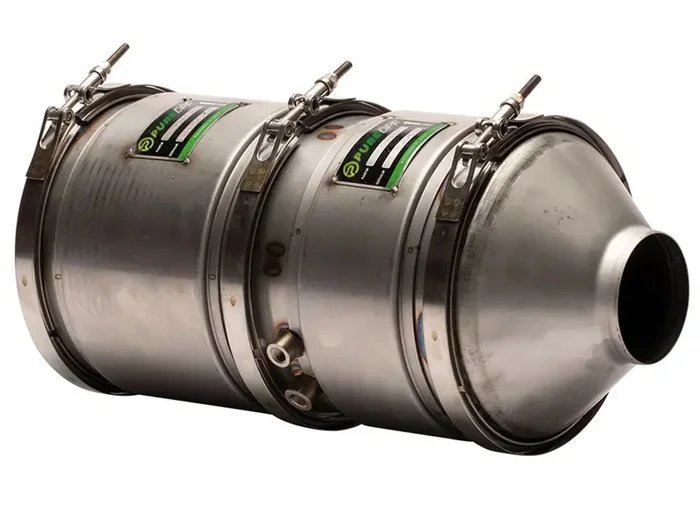
The DPF sits in the middle of the exhaust system, usually between the engine and the muffler. On a GMC 6.6 Duramax, you will find it along the underbody of the truck. Consult your owner’s manual if you are unsure of the exact location. The filter looks like a large cylindrical metal canister connected to the exhaust pipes.
Step 3: Remove the Filter
Using your socket set, carefully loosen the bolts or clamps holding the filter in place. There may be sensors or brackets attached, so take your time and note where everything goes. Take a photo before disconnecting anything to help with reassembly. Gently pull the filter out once all fasteners are removed.
Step 4: Apply the Cleaning Solution
Spray the DPF cleaning solution generously onto the filter. Work it into the channels and pores of the filter material. Let the solution sit for the time recommended on the product label, usually between 10 and 30 minutes. The chemical reaction helps break down trapped soot and ash particles.
Step 5: Pressure Wash the Filter
Using your pressure washer, rinse the filter thoroughly. Start from the inside and work outward. Use a medium-pressure setting to avoid damaging the filter structure. Keep rinsing until the water runs clear. This may take several minutes of steady spraying.
For stubborn buildup, you can use compressed air to blow out loosened debris from the channels. This step makes a real difference in how clean the filter gets. Some owners repeat the cleaning solution and pressure wash cycle twice for heavily clogged filters.
Step 6: Dry the Filter Completely
Shake off excess water and let the filter air dry completely. You can also use compressed air to speed up the process. A completely dry filter is essential before reinstallation. Moisture trapped inside the exhaust system can cause rust and other problems.
Step 7: Reinstall the Filter
Once the filter is dry, place it back in position. Reattach all bolts, clamps, sensors, and brackets. Double-check every connection to make sure nothing is loose. Start the engine and let it idle for a few minutes. Check for any exhaust leaks around the connections.
Step 8: Clear the Warning Codes
After reinstallation, use an OBD-II scanner to clear any stored DPF fault codes. Take the truck for a short drive on a highway to allow the system to run a self-check. The warning light should turn off if the cleaning was successful.
Tips to Keep Your Duramax Exhaust Filter Healthy Long-Term
Cleaning is only half the battle. Prevention keeps your filter healthy for years. Here are practical tips that make a real difference:
- Drive on highways regularly: Highway driving generates the exhaust heat needed for passive regeneration. If you only drive short trips around town, your filter may never fully clean itself.
- Use quality diesel fuel: Low-quality fuel produces more soot. Stick with reputable brands and consider using diesel additives that promote cleaner combustion.
- Do not ignore warning lights: The moment a DPF warning appears, address it. Waiting only makes the problem worse.
- Perform regular maintenance: Change your oil on schedule and keep air filters clean. A well-maintained engine produces less soot.
- Avoid excessive idling: Long idling periods do not generate enough heat for proper regeneration.
- Check for exhaust leaks: Leaks in the exhaust system can affect DPF performance. Inspect connections and gaskets regularly.
Some owners also install aftermarket exhaust accessories that improve airflow. While a 6-channel car amplifier or a 12V car socket to 3-pin adapter will not affect the exhaust system directly, keeping your truck’s electrical and accessory systems in good shape supports overall vehicle health and reliability.
Another helpful habit is monitoring your fuel economy. A sudden drop in MPG often signals that the DPF is starting to clog. Catching this early gives you time to address the problem before it escalates.
When to Replace the Filter Instead of Cleaning
Not all filters can be saved. There comes a point where cleaning no longer restores proper function. Here is how to know when replacement is the better option:
- The filter is physically damaged: Cracks, dents, or structural damage cannot be fixed with cleaning.
- Cleaning has been done multiple times: After several cleaning cycles, the filter material degrades and loses its effectiveness.
- Warning lights return immediately after cleaning: This suggests the filter is too far gone for a simple cleaning to help.
- The filter is heavily saturated with ash: Ash does not burn off during regeneration. Over many years, ash buildup becomes permanent and cannot be removed through standard cleaning.
A new OEM or high-quality aftermarket filter typically costs between $800 and $1500, depending on the model year and brand. While that is a significant investment, it is far cheaper than replacing an entire exhaust system or dealing with engine damage caused by a completely blocked DPF.
If you are unsure whether cleaning or replacement is the right choice, consult a qualified diesel mechanic. They can run diagnostic tests to measure the filter’s condition and give you a clear recommendation. Sometimes a professional assessment saves you from buying a new filter that you did not actually need.
Common Mistakes to Avoid When Cleaning Your Exhaust Filter
Even with the best intentions, mistakes happen. Here are the most common errors truck owners make during DPF cleaning:
- Using the wrong cleaning solution: Not all DPF cleaners are created equal. Some are designed for specific filter materials. Always check compatibility before spraying anything on your filter.
- Skipping the drying step: Reinstalling a wet filter traps moisture in the exhaust system. This leads to rust, corrosion, and potential sensor damage.
- Using too much pressure when washing: High-pressure settings can damage the delicate filter structure. Stick to medium pressure and be patient.
- Forgetting to clear fault codes: After cleaning, the truck’s computer may still store old error codes. Always use a scanner to reset them.
- Neglecting the root cause: If your filter clogs frequently, there is an underlying issue. It could be faulty injectors, a bad turbocharger seal, or an oil consumption problem. Cleaning the filter without fixing the root cause just leads to repeat clogs.
Taking shortcuts may seem tempting, but they almost always lead to more problems down the road. Follow the process carefully, and your exhaust filter will serve you well for many miles to come.
Final Thoughts on GMC 66 Duramax Exhaust Filter Maintenance
Cleaning your GMC 6.6 Duramax exhaust filter is not as intimidating as it sounds. With the right tools, a little time, and this guide, you can handle the job yourself and keep your truck running at its best. The process is straightforward, the savings are real, and the satisfaction of doing it yourself is hard to beat.
Remember that prevention is the best strategy. Regular highway drives, quality fuel, and prompt attention to warning signs keep your DPF healthy for years. When cleaning is needed, follow the steps in this guide carefully and never rush the process.
Your Duramax engine is built to last. With proper care and attention to the exhaust system, it will keep delivering the power and reliability you expect from a GMC truck. Stay on top of your maintenance schedule, and your exhaust filter will reward you with better performance, improved fuel economy, and fewer trips to the repair shop.
Take action today. The next time you notice a drop in fuel economy or see that DPF light flicker on, you will know exactly what to do. Your truck depends on you to keep it in top shape, and now you have the knowledge to do just that.
Frequently Asked Questions
How often should I clean my GMC 6.6 Duramax exhaust filter?
Most owners should clean their DPF every 100,000 to 150,000 miles under normal driving conditions. However, if you frequently tow heavy loads or drive in stop-and-go traffic, you may need to clean it more often, around every 75,000 miles. Watch for warning signs and do not wait until the filter is completely clogged.
Can I clean the exhaust filter without removing it from the truck?
Yes, some cleaning methods allow you to clean the filter in place using specialized equipment. However, removing the filter gives you better access and allows for a more thorough cleaning. If you choose to clean it in place, use a DPF cleaning solution that can be introduced through the vacuum port.
What happens if I ignore a clogged DPF on my Duramax?
Ignoring a clogged DPF leads to progressively worse performance. Your truck will lose power, fuel economy will drop significantly, and eventually the engine may enter limp mode. In severe cases, a completely blocked filter can cause exhaust back pressure to build up, potentially damaging the turbocharger or cracking the exhaust manifold.
Is it cheaper to clean or replace a GMC 66 Duramax exhaust filter?
Cleaning is significantly cheaper than replacement. A quality DPF cleaning kit costs between $50 and $150, while a new OEM filter can run $800 to $1500 or more. However, cleaning only works if the filter is not physically damaged or too far gone with ash buildup. A professional cleaning service typically costs between $300 and $600.
Can I use a pressure washer to clean my diesel particulate filter?
Yes, a pressure washer is one of the most effective tools for cleaning a DPF. Use a medium-pressure setting and rinse from the inside out. Avoid using the highest pressure setting, as it can damage the filter’s internal structure. Always let the filter dry completely before reinstalling it.
Will cleaning the exhaust filter reset the DPF warning light?
Cleaning the filter often resolves the issue, but you must manually clear the fault codes using an OBD-II scanner. Simply driving the truck will not reset the light in most cases. After clearing the codes, take the truck on a highway drive to allow the system to run a self-check and confirm the filter is functioning properly.
=== CONCLUSION ===
Cleaning your GMC 66 Duramax exhaust filter is one of the most important maintenance tasks you can do for your truck. A clean filter means better performance, improved fuel economy, and a longer-lasting exhaust system. The process is straightforward when you follow the right steps, and it saves you significant money compared to professional services or full filter replacement.
Stay proactive with your maintenance. Watch for warning signs, address problems early, and keep your Duramax engine breathing freely. Your truck will thank you with years of reliable, powerful performance. Take the knowledge you have gained here and put it into action today. Your GMC deserves the best care you can give it.