How Much Does a Jeep Rubicon Weigh and Why It Matters
The Jeep Rubicon weight varies by model year and trim, but most versions sit between 4,400 and 5,000 pounds. Understanding your Rubicon’s weight helps with towing, fuel economy, and off-road performance decisions.
Have you ever wondered about the Jeep Rubicon weight? Maybe you are shopping for one, or maybe you already own one and want to understand what all those numbers on the door jamb really mean. Either way, you are in the right place.
The weight of a Jeep Rubicon is not just a random number. It affects how the truck drives, how much it can tow, and even how it handles on the trail. Whether you are planning a weekend off-road adventure or just trying to figure out if your trailer will fit, knowing the Rubicon curb weight is essential.
In this guide, we break down everything you need to know about the Jeep Rubicon weight. We cover curb weight, gross vehicle weight rating, how weight changes across different model years, and why it all matters for your daily driving or off-road plans.
Let us get into it.
Key Takeaways
- Rubicon curb weight typically ranges from 4,400 to 5,000 lbs depending on the year and trim.
- Gross Vehicle Weight Rating (GVWR) determines how much load your Rubicon can safely carry.
- Heavier Rubicon models offer more stability but may impact fuel economy and acceleration.
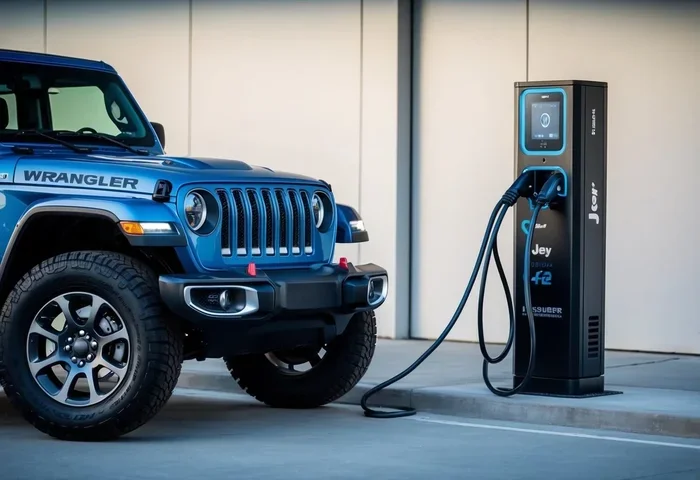
- The Rubicon 4xe hybrid adds battery weight but gains electric-only driving benefits.
- Aftermarket accessories can add significant weight that affects handling and towing capacity.
- Knowing your Rubicon’s weight helps you choose the right axle ratio, tires, and suspension setup.
- Weight differences between trims are small but matter for specific use cases like towing or off-roading.
📑 Table of Contents
- What Is the Jeep Rubicon Weight?
- Curb Weight vs Gross Vehicle Weight Rating
- How Rubicon Weight Affects Performance
- Comparing Rubicon Weight Across Trims and Years
- How Weight Impacts Towing and Payload
- Tips for Managing Your Rubicon’s Weight
- Common Mistakes People Make With Rubicon Weight
- Expert Insights on Rubicon Weight
- Conclusion
What Is the Jeep Rubicon Weight?
The Jeep Rubicon weight refers to how much the vehicle weighs when fully assembled. This number changes depending on the model year, engine type, and trim level. But most Rubicon models fall within a pretty consistent range.
Here is a quick look at the typical weight ranges:
- Two-door Rubicon: Around 4,400 to 4,600 lbs
- Four-door Rubicon: Around 4,700 to 5,000 lbs
- Rubicon 392: Around 5,100 to 5,300 lbs
- Rubicon 4xe (Hybrid): Around 5,000 to 5,300 lbs
These numbers are for curb weight, which means the vehicle is fully fueled but has no passengers or cargo. This is the standard way manufacturers measure vehicle weight specs.
Why Curb Weight Matters
Curb weight is the baseline number you need to know. It tells you how much the truck weighs on its own. From there, you add passengers, gear, and cargo to get the actual weight you are pulling down the road.
Think of it like this. Your Rubicon is like a backpack. The curb weight is the empty backpack. Everything you stuff inside adds to the total load. The more you carry, the harder your engine works, and the more fuel you burn.
Curb Weight vs Gross Vehicle Weight Rating
Two terms come up a lot when people talk about Jeep Rubicon weight: curb weight and gross vehicle weight rating (GVWR). These are different numbers, and both matter a lot.
Curb weight is the weight of the empty vehicle. GVWR is the maximum safe weight the truck can handle, including itself, passengers, cargo, and trailer tongue weight.
Here is how they compare:
- Curb Weight: The base weight of the Rubicon with a full tank of gas and all standard fluids.
- GVWR: The absolute maximum weight the Rubicon can safely carry, set by the manufacturer.
- Payload Capacity: GVWR minus curb weight. This tells you how much stuff you can add.
For most Rubicon models, the payload capacity falls between 1,000 and 1,500 lbs. That covers passengers, gear, and a small trailer. Going over this limit can strain your brakes, suspension, and engine.
How to Find Your Rubicon’s Exact Numbers
You can find your specific Rubicon’s weight in a few places. Check the door jamb sticker on the driver’s side door. It lists the curb weight, GVWR, and tire pressure. You can also look in your owner’s manual or check the VIN-specific build sheet online.
These numbers matter if you are planning to haul heavy gear or tow a trailer. You want to stay well within the GVWR to keep your Rubicon running safely.
How Rubicon Weight Affects Performance
The Jeep Rubicon weight directly impacts how the truck performs. A heavier truck is not always a bad thing, but it does change the driving experience in several ways.
Acceleration and Power
A heavier Rubicon needs more power to move. The base 3.6-liter V6 engine works hard to push a 4,700-pound truck down the road. The 2.0-liter turbo four-cylinder feels the weight even more. If you want quicker acceleration, a lighter setup helps.
That is why the Rubicon 392 with its 6.4-liter V8 feels so strong. It has the torque to move all that weight with ease. But even then, you are looking at a truck that weighs over 5,100 lbs.
Fuel Economy
Weight and fuel economy are closely linked. Heavier trucks burn more gas. A lighter Rubicon will always get better mileage than a heavier one with the same engine. Here is a rough idea:
- Two-door Rubicon (lighter): Around 22 mpg highway
- Four-door Rubicon (heavier): Around 20 mpg highway
- Rubicon 392 (heaviest): Around 16 mpg combined
- Rubicon 4xe (hybrid): Around 49 MPGe combined
If fuel economy matters to you, keeping your Rubicon as light as possible helps a lot. Remove roof racks when you are not using them. Skip the heavy aftermarket bumpers if you do not need them. Every pound counts.
Off-Road Capability
Here is something interesting. More weight can actually help off-road. A heavier truck puts more weight on the tires, which gives you better traction in mud, sand, and snow. This is why the Jeep Rubicon weight is not always a bad thing for trail riders.
But there is a balance. Too much weight can overload the suspension and make the truck feel sluggish. The key is to add weight smartly, like with proper off-road tires and essential gear, not with unnecessary extras.
Braking and Handling
Heavier trucks need more stopping power. The Rubicon comes with strong brakes, but when you add weight from cargo or a trailer, stopping distances increase. Always leave extra following room when your Rubicon is loaded up.
Handling also changes with weight. A heavier truck leans more in turns and takes longer to change direction. This is especially noticeable when you are pushing the Rubicon hard on a twisty trail or backroad.
Comparing Rubicon Weight Across Trims and Years
The Jeep Rubicon weight is not the same across all years and trims. Let us look at how the numbers change.
JK vs JL Generation
The JK Rubicon (2007-2018) was generally lighter than the JL Rubicon (2018-present). The JK two-door weighed around 4,400 to 4,600 lbs. The JL two-door starts around 4,500 to 4,700 lbs. The added years of safety features, electronics, and stronger body structure add weight.
That is not necessarily a bad thing. The JL Rubicon is safer and more refined. But if you are chasing a lighter setup, an older JK might be the way to go.
Engine Options and Their Weight Impact
Different engines add different amounts of weight. Here is a quick breakdown:
- 2.0L Turbo I4: Lightest engine option, adds minimal weight
- 3.6L V6: Standard engine, moderate weight
- 6.4L V8 (392): Heaviest engine, adds roughly 100-150 lbs over the V6
- 4xe Hybrid: Adds battery pack weight, roughly 200 lbs more than the standard V6
The Rubicon 4xe weight is higher because of the dual battery system. But the hybrid system also adds electric-only driving, which can offset some of the fuel economy penalty that extra weight brings.
When Does a Hybrid Switch to Gas?
The Rubicon 4xe starts in electric mode at low speeds and light loads. But at what point does a hybrid switch to gas? The answer depends on your driving conditions. Under heavy load, steep inclines, or high speeds, the gas engine kicks in to assist. Understanding this switch helps you manage the Jeep Rubicon weight and its impact on fuel use. You can find more details on this topic here.
How Weight Impacts Towing and Payload
The Jeep Rubicon weight plays a big role in towing and payload capacity. These numbers are not just marketing figures. They are safety limits set by the manufacturer.
Towing Capacity
Most Rubicon models can tow between 3,500 and 7,000 lbs, depending on the engine and axle ratio. The heavier the Rubicon, the more stable it feels when towing. But you still need to stay within the rated limits.
Here are the key towing numbers to remember:
- Base V6 with 2.72 axle ratio: Up to 3,500 lbs towing
- V6 with 4.10 axle ratio: Up to 7,000 lbs towing
- Rubicon 392: Up to 7,000 lbs towing
- Rubicon 4xe: Up to 6,200 lbs towing
The axle ratio matters a lot. A higher numerical ratio (like 4.10) gives you more towing power but can reduce fuel economy. It is a trade-off you need to consider based on how you use your Rubicon.
Payload Capacity
Payload is what your Rubicon can carry in the cabin and bed combined. With a curb weight around 4,700 lbs and a GVWR around 6,000 lbs, you have roughly 1,300 lbs of payload capacity.
This covers:
- Driver and passengers (about 150 lbs each)
- Gear, coolers, and off-road equipment
- Any items stored in the bed or on the roof
Keep in mind that adding heavy aftermarket parts like steel bumpers or rock rails eats into your payload. If you add 200 lbs of accessories, you lose 200 lbs of available payload capacity.
Tips for Managing Your Rubicon’s Weight
Whether you want to improve performance, save fuel, or stay safe, managing your Jeep Rubicon weight is a smart move. Here are some practical tips.
Remove Unnecessary Accessories
Every pound of aftermarket gear adds up. Do you really need that second set of off-road lights? Can you swap a steel bumper for an aluminum one? Small changes can shave off 50 to 100 lbs, which adds up over time.
Some owners find that their Rubicon is 000 lbs heavy for a car when they add too many accessories. Keeping it lean helps with acceleration, braking, and fuel economy. You can read more about what makes a vehicle too heavy here.
Choose Lighter Tires Wisely
Off-road tires are heavy. A set of 37-inch all-terrain tires can add 50 to 80 lbs per tire compared to smaller all-season tires. That is 200 to 320 lbs added to the overall Rubicon curb weight.
You do not have to give up off-road capability. Look for lightweight aftermarket wheels paired with smaller all-terrain tires. You can gain significant weight savings without sacrificing trail performance.
Watch Your Cargo Load
Before you load up for a trip, weigh your gear. A tent, cooler, recovery equipment, and spare tires can quickly add 300 to 500 lbs. Stay within your payload limit to keep the Rubicon balanced and safe.
Consider the 4xe for Efficiency
The Rubicon 4xe adds weight from its battery pack, but it also delivers impressive electric-only range for short trips. If your daily driving is mostly around town, the hybrid can save fuel and offset some of the extra weight with electric power.
Keep Up with Maintenance
A well-maintained Rubicon handles weight better. Fresh shocks, properly inflated tires, and a healthy suspension system all help your truck manage its Jeep Rubicon weight more effectively on and off the road.
Common Mistakes People Make With Rubicon Weight
There are a few mistakes Rubicon owners make when it comes to weight. Avoiding these can save you money and keep you safe.
- Ignoring GVWR limits. Many owners add so much gear that they exceed the gross vehicle weight rating. This is dangerous and can cause component failure.
- Overloading the rear axle. Putting too much weight in the back affects steering and handling. Spread your gear evenly.
- Adding weight without upgrading suspension. If you add heavy accessories, consider upgrading your shock absorbers and springs to handle the extra load.
- Forgetting tongue weight. When towing, 10-15% of the trailer weight should sit on the hitch. Too much tongue weight shifts weight off the front axle and affects control.
- Assuming all Rubicon years weigh the same. Model years differ. Always check the specific weight for your year and trim.
Expert Insights on Rubicon Weight
Experienced Rubicon owners and off-road pros agree on a few things when it comes to Jeep Rubicon weight. First, the stock weight is well-balanced for most use cases. Jeep engineers have spent years getting the weight distribution right for both on-road comfort and off-road capability.
Second, aftermarket upgrades should be intentional. Every pound you add should earn its place. A quality winch or recovery gear might add 100 lbs, but it could save your trip if you get stuck. A decorative hood scoop that adds 20 lbs and does nothing? Skip it.
Finally, know your numbers. Check your Rubicon’s specific curb weight, GVWR, and payload capacity before any major trip or modification. These numbers are your guide to safe and capable driving.
Conclusion
The Jeep Rubicon weight is more than just a number on a spec sheet. It shapes how your truck drives, how much it can tow, and how it performs on the trail. From curb weight to GVWR, understanding these numbers helps you make smarter decisions about gear, upgrades, and towing setups.
Whether you drive a lightweight two-door JK or a loaded four-door JL 392, knowing your Rubicon’s weight puts you in control. You can plan trips with confidence, stay within safe limits, and get the most out of your off-road adventures.
Take a few minutes to check your Rubicon’s specific weight numbers. Use that knowledge to balance your gear, choose the right tires, and enjoy every mile in one of the most capable off-road trucks on the market.
Frequently Asked Questions
How much does a Jeep Rubicon weigh in pounds?
Most Jeep Rubicon models weigh between 4,400 and 5,300 pounds depending on the year, trim, and engine. The curb weight is the base number, and adding passengers, gear, and cargo increases the total weight.
What is the curb weight of a Jeep Wrangler Rubicon?
The curb weight of a Jeep Wrangler Rubicon typically ranges from 4,500 to 5,000 pounds for the JL generation. The JK generation was slightly lighter, ranging from 4,400 to 4,700 pounds.
Does the Rubicon 4xe weigh more than the standard Rubicon?
Yes. The Rubicon 4xe hybrid adds roughly 200 pounds compared to the standard V6 model, mostly due to the dual battery pack and electric motor components.
How does Rubicon weight affect towing capacity?
Heavier Rubicon models tend to have higher towing capacities because the drivetrain and frame are built to handle more load. However, you must stay within the GVWR limits for safe towing.
Can I reduce my Rubicon’s weight?
Yes. You can reduce weight by removing unnecessary accessories, swapping to lighter aftermarket wheels and tires, and being mindful of cargo loads. Even 50 to 100 pounds of savings can improve performance.
Why is knowing the Jeep Rubicon weight important?
Knowing the weight helps you stay within safe payload and towing limits, choose the right axle ratio and tires, and understand how the truck will perform on and off the road. It also keeps you safe on the trail and on the highway.