How Many Catalytic Converters Does a Jeep Patriot Have
The Jeep Patriot typically has two catalytic converters as part of its exhaust system, one for each exhaust bank. These converters play a vital role in reducing harmful emissions and keeping your vehicle running smoothly. Understanding how they work and when they need replacement can save you time and money.
This is a comprehensive guide about How Many Catalytic Converters Does a Jeep Patriot Have?.
Key Takeaways
- Two Converters Standard: The Jeep Patriot comes equipped with two catalytic converters as part of its factory exhaust setup.
- Emission Control is Key: Catalytic converters reduce harmful gases like carbon monoxide and nitrogen oxides before they exit the exhaust.
- Watch for Warning Signs: A failing converter can trigger the check engine light, reduce fuel efficiency, and cause rough idling.
- Replacement Costs Vary: Expect to pay between $1,000 and $2,500 depending on the model year and whether you go OEM or aftermarket.
- Maintenance Matters: Regular oil changes and clean fuel keep your converters healthy for longer.
- Hybrid Vehicles Differ: If you are curious about how when does a hybrid switch to gas, note that hybrid versions may have different exhaust configurations.
- Vehicle Weight Plays a Role: Heavier vehicles put more strain on exhaust components, which is why knowing if 000 lbs is heavy for a car helps you understand your Patriot’s load limits.
[FEATURED_IMAGE_PLACEHOLDER]
What Is a Catalytic Converter and Why Does It Matter?
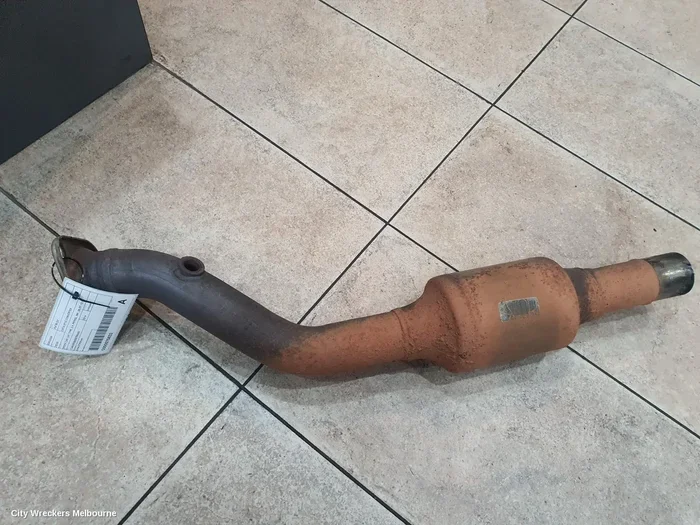
A catalytic converter is one of the most important parts of your vehicle’s exhaust system. It sits between the exhaust manifold and the muffler. Its job is simple but critical. It cleans up the gases that come out of your engine before they reach the atmosphere.
Without a catalytic converter, your Jeep Patriot would release harmful pollutants directly into the air. Things like carbon monoxide, nitrogen oxides, and hydrocarbons would flood the environment. That is bad for the planet and bad for your health.
The converter uses a chemical process to turn these dangerous gases into less harmful ones. It converts carbon monoxide into carbon dioxide. It turns nitrogen oxides into nitrogen and oxygen. And it burns off unburned hydrocarbons. All of this happens inside a small ceramic or metal honeycomb structure coated with precious metals like platinum, palladium, and rhodium.
Your Jeep Patriot relies on its catalytic converters to pass emissions tests. It also relies on them for smooth engine performance. If a converter fails, you will notice it right away. The engine may run rough. Fuel economy can drop. And your check engine light will almost certainly come on.
Understanding how these parts work helps you take better care of your vehicle. It also helps you spot problems early before they turn into expensive repairs. Let us dive deeper into exactly how many converters your Jeep Patriot has.
How Many Catalytic Converters Does a Jeep Patriot Have?
The short answer is two. The Jeep Patriot comes standard with two catalytic converters. This is the typical setup for most four-cylinder engines. Each converter handles exhaust from one side of the engine, which is known as a bank.
But why two? Most four-cylinder engines use a split exhaust design. The exhaust gases from the front cylinders and the rear cylinders travel through separate paths. This is where the dual converter setup comes in. Each path gets its own catalytic converter to treat the exhaust gases independently.
This design is not unique to the Jeep Patriot. Most compact SUVs and sedans with four-cylinder engines use the same approach. The two-converter setup allows for better exhaust flow. It also helps the converters reach their optimal operating temperature faster. When the converters are at the right temperature, they work much more efficiently.
The Standard Setup for the Jeep Patriot
The Jeep Patriot uses a 2.4-liter Tigershark four-cylinder engine in most trims. This engine produces around 172 horsepower. To handle the exhaust output, the factory engineers installed two catalytic converters. One is located near the front of the exhaust system, close to the engine. The second is further back, closer to the muffler.
This front-and-back placement is important. The first converter, often called the upstream converter, handles the bulk of emission treatment. It works hardest because it processes the hottest exhaust gases. The second converter, known as the downstream converter, acts as a backup. It catches any remaining pollutants that the first converter missed.
Together, these two converters ensure that the Jeep Patriot meets federal emission standards. They also help the vehicle run cleanly and efficiently. If either converter fails, you will feel the difference in performance.
Why Two Converters Matter for Your Jeep
Having two converters instead of one gives your Jeep Patriot several advantages. First, it spreads the workload. Each converter does not have to process as much exhaust at once. This means they last longer and run cooler.
Second, dual converters provide better emission control. The exhaust gases are treated more thoroughly before leaving the vehicle. This is especially important for meeting strict emission standards in states like California and other states that follow California Air Resources Board (CARB) regulations.
Third, two converters can improve exhaust flow. When the exhaust system has less restriction, the engine can breathe better. This translates to slightly better performance and fuel economy. It is a small benefit, but it adds up over time.
Some people wonder if removing one converter would improve performance. This is a bad idea. Not only will it fail emissions tests, but it can also damage your engine. The oxygen sensors rely on the converters to provide accurate readings. Without both converters, your engine runs lean or rich. That causes long-term damage.
Signs Your Catalytic Converter May Be Failing
Catalytic converters do not last forever. They wear out over time. The good news is that they give you plenty of warning before they fail completely. Knowing the signs can save you from a breakdown on the side of the road.
Most catalytic converters last between 70,000 and 100,000 miles. But that number can vary. Driving habits, fuel quality, and engine health all play a role. If you drive your Jeep Patriot hard or use low-quality fuel, your converters may wear out faster.
Warning Lights and Symptoms to Watch For
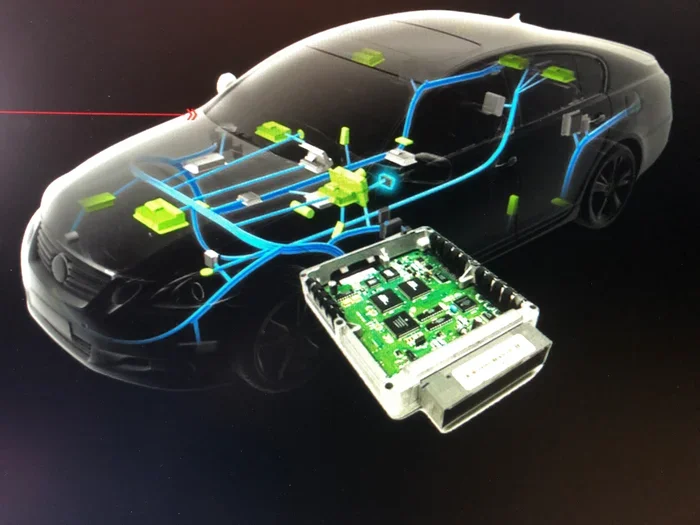
The check engine light is the most common sign of a failing catalytic converter. When the oxygen sensors detect that the converter is not working properly, they send a signal to the engine control unit. This triggers the warning light on your dashboard.
Other symptoms to watch for include:
- Reduced Engine Performance: Your Jeep may feel sluggish or slow to accelerate. This happens when the converter becomes clogged and restricts exhaust flow.
- Poor Fuel Economy: A failing converter forces the engine to work harder. You will notice more trips to the gas station.
- Rotten Egg Smell: A sulfur or rotten egg odor from the exhaust is a classic sign of converter failure. This happens when sulfur compounds are not being properly converted.
- Dark Exhaust Smoke: Black or dark smoke coming from the tailpipe indicates unburned fuel is passing through the system.
- Rattling Noise: A rattling sound from underneath the vehicle can mean the ceramic honeycomb inside the converter has broken apart.
When to Get It Checked
Do not ignore these warning signs. The longer you wait, the worse the problem gets. A clogged converter can eventually cause the engine to stall. It can also damage the oxygen sensors and the muffler over time.
If you notice any of these symptoms, get your Jeep Patriot to a mechanic as soon as possible. A simple diagnostic scan can confirm whether the converter is the culprit. Early detection saves you money and prevents bigger problems down the road.
Catalytic Converter Replacement Cost for the Jeep Patriot
Replacing a catalytic converter is not cheap. But the exact cost depends on several factors. Knowing what to expect helps you budget and avoid surprises at the repair shop.
Factors That Affect the Price
The cost of replacing a catalytic converter on a Jeep Patriot can range from $1,000 to $2,500 for both converters. Here is what drives that price:
- OEM vs Aftermarket Parts: Original equipment manufacturer converters cost more but last longer. Aftermarket options are cheaper but may not meet the same quality standards.
- Labor Costs: Replacing a converter requires lifting the vehicle and accessing the exhaust system. Labor rates vary by location and shop.
- Model Year: Newer Jeep Patriots may have more expensive converters due to advanced emission control technology.
- State Emission Laws: Some states require specific certified converters. These can cost more than standard units.
DIY vs Professional Installation
Some car owners consider replacing the converter themselves. While this is possible for experienced DIYers, it is not recommended for most people. The converter is located underneath the vehicle and can be difficult to access. It also requires proper torque specifications and new gaskets.
Going to a professional ensures the job is done right. A mechanic will also check the oxygen sensors and exhaust system for any other issues while they are at it. This can prevent future problems and save you money in the long run.
Before you authorize the replacement, ask the mechanic to show you the old converter. A healthy converter should have an intact ceramic structure. If it is melted or broken, that confirms the diagnosis. It also helps you understand exactly what you are paying for.
How to Keep Your Catalytic Converter Healthy
Prevention is always better than replacement. There are several things you can do to extend the life of your Jeep Patriot’s catalytic converters. These simple habits keep your exhaust system running strong for years.
Regular Maintenance Tips
- Change Your Oil on Schedule: Fresh oil keeps the engine running cleanly. Old oil can create carbon deposits that damage the converter over time.
- Use Quality Fuel: Cheap or contaminated fuel can introduce harmful additives into the exhaust system. Stick with reputable gas stations.
- Fix Engine Misfires Promptly: Unburned fuel from a misfiring engine can overheat the converter. If you notice a rough idle or hesitation, get it checked.
- Replace Oxygen Sensors When Needed: Faulty oxygen sensors send incorrect data to the engine computer. This can cause the converter to work harder than it should.
- Keep the Exhaust System Intact: Rust and corrosion can damage exhaust components. Inspect the system regularly for holes or leaks.
Driving Habits That Help
How you drive your Jeep Patriot also affects the catalytic converter’s lifespan. Short trips are especially hard on converters. The engine does not reach full operating temperature, which means the converter cannot burn off all the pollutants. Over time, this buildup causes clogging.
Try to take longer drives when possible. This allows the exhaust system to reach full temperature and burn off any accumulated deposits. If you only use your Jeep for short commutes, consider taking it on a longer drive once a week to clear out the system.
Avoid towing heavy loads beyond your vehicle’s capacity. The extra strain on the engine produces more exhaust and higher temperatures. This can stress the converters and reduce their lifespan. If you are unsure about your vehicle’s towing capacity, check the owner’s manual or consult a trusted mechanic.
Final Thoughts on Your Jeep Patriot’s Catalytic Converters
Your Jeep Patriot has two catalytic converters, and they are essential for clean, efficient driving. These parts work hard every time you turn the key. They reduce harmful emissions, help your engine perform at its best, and keep you on the right side of emission laws.
Taking care of your converters means taking care of your entire vehicle. Regular maintenance, quality fuel, and prompt attention to warning signs go a long way. You will save money on repairs and enjoy a smoother ride for years to come.
If you ever notice symptoms of converter failure, do not wait. Get it checked right away. A small problem today can become a big expense tomorrow. Your Jeep Patriot is a capable and reliable SUV. With the right care, it will serve you well for many miles ahead.
Remember, the exhaust system is a team effort. The catalytic converters, oxygen sensors, muffler, and exhaust pipes all work together. When one part fails, the others suffer too. Keep the whole system healthy, and your Jeep will thank you with strong performance and great fuel economy.
FAQs
How long do catalytic converters last on a Jeep Patriot?
Most catalytic converters on a Jeep Patriot last between 70,000 and 100,000 miles. However, this depends on driving habits, fuel quality, and how well you maintain the engine. Regular oil changes and clean fuel can extend the life significantly.
Can I drive my Jeep Patriot with a bad catalytic converter?
You can drive short distances with a failing converter, but it is not recommended. A bad converter can cause engine damage over time. It can also cause your vehicle to fail emissions tests. Get it repaired as soon as possible to avoid bigger problems.
Why does my Jeep Patriot have two catalytic converters instead of one?
The Jeep Patriot uses a four-cylinder engine with a split exhaust design. Each exhaust bank gets its own catalytic converter. This setup provides better emission control, improved exhaust flow, and longer converter life compared to a single converter design.
Can a clogged catalytic converter cause the engine to stall?
Yes, a severely clogged converter can restrict exhaust flow enough to cause the engine to stall. This is a serious issue that requires immediate attention. If your Jeep Patriot stalls or struggles to start, check the catalytic converter right away.
Is it illegal to remove catalytic converters from a Jeep Patriot?
Yes, removing catalytic converters is illegal in most states. It violates federal emission laws and can result in heavy fines. It also causes your vehicle to fail emissions inspections. Always keep both converters installed and functioning properly.
What precious metals are inside a catalytic converter?
Catalytic converters contain precious metals like platinum, palladium, and rhodium. These metals act as catalysts to convert harmful gases into less toxic substances. This is also why converters are targeted by thieves, as the precious metals have significant scrap value.
Frequently Asked Questions
What is How Many Catalytic Converters Does a Jeep Patriot Have??
How Many Catalytic Converters Does a Jeep Patriot Have? is an important topic with many practical applications.