Is There a Way to Turn Off Adaptive Cruise Control
Yes, you can turn off adaptive cruise control, and it is simpler than most drivers think. Whether you use a button on the steering wheel, the cruise control stalk, or the infotainment screen, every vehicle offers a way to disable ACC. This guide walks you through each method step by step, so you stay in full control of your car.
Driving a modern car can feel like sitting inside a smart robot. Adaptive cruise control, or ACC, handles your speed for you. It slows down when traffic ahead slows. It speeds back up when the road clears. Many drivers love this feature. But sometimes, you just want full control.
Maybe you are stuck in a twisty mountain road. Maybe the weather is bad and you do not trust the system. Or maybe the ACC keeps acting up and annoying you. Whatever the reason, you are not alone. A lot of drivers ask the same question. They want to know if there is a way to turn off adaptive cruise control.
The short answer is yes. You absolutely can turn off adaptive cruise control. Every car with this feature also has a way to shut it off. The method depends on your car’s make and model. Some vehicles use a simple button on the steering wheel. Others use the cruise control stalk near the steering column. A few newer models let you disable it through the infotainment screen.
In this article, I will walk you through every method. I will cover popular brands like Ford, Toyota, Honda, and more. I will also explain common problems that stop ACC from working. And I will share tips on when to use ACC and when to turn it off. By the end, you will know exactly how to take back full control of your vehicle.
Key Takeaways
- Multiple ways to disable ACC: You can turn off adaptive cruise control using steering wheel buttons, the gear stalk, the brake pedal, or the infotainment screen depending on your car.
- It is safe and easy: Disabling ACC does not harm your vehicle or void your warranty. It simply returns you to manual speed control.
- Different cars use different methods: Ford, Toyota, Honda, and other brands each have their own ACC off procedure.
- Common issues can block ACC: Dirty sensors, blown fuses, or software glitches can prevent adaptive cruise control from working properly.
- You can re-enable it anytime: Turning ACC back on is just as easy as turning it off.
- Know when to use it: Adaptive cruise control is great for highway driving but may not suit all road conditions.
📑 Table of Contents
- What Is Adaptive Cruise Control?
- How to Turn Off Adaptive Cruise Control
- Brand-Specific Guide: How Different Cars Handle ACC
- Common Problems That Affect Adaptive Cruise Control
- When Should You Turn Off Adaptive Cruise Control?
- Quick Tips for Managing Adaptive Cruise Control
- Expert Insights on Disabling Adaptive Cruise Control
- Key Takeaways
- Conclusion
What Is Adaptive Cruise Control?
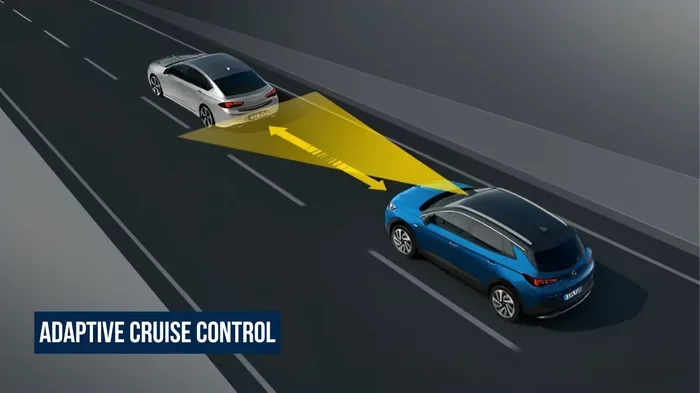
Before we dive into how to turn it off, let us quickly understand what ACC does. Adaptive cruise control is a driver assistance feature. It uses a radar sensor or camera to watch the road ahead. When it sees a slower vehicle, it eases off the throttle. It slows your car down automatically. When the road opens up, it accelerates back to your set speed.
This is different from traditional cruise control. Old cruise control just keeps your car at one speed. It does not adjust for traffic. Adaptive cruise control does. It is a big upgrade for highway driving. It reduces driver fatigue on long trips. It helps maintain a safe following distance.
But here is the thing. ACC is not perfect. It can struggle in bad weather. Heavy rain or snow can mess with the radar sensor. The system may not detect stopped cars in some cases. That is why knowing how to disable it matters. You need a backup plan when the tech is not enough.
How to Turn Off Adaptive Cruise Control
Now let us get to the main part. How exactly do you turn off adaptive cruise control? The method varies by car brand and model. Below, I will cover the most common ways. Pick the one that matches your vehicle.
Method 1: Press the Cancel Button on the Steering Wheel
This is the most common way to disable ACC. Almost every car with adaptive cruise control has a cancel button. It is usually on the steering wheel. Look for a button labeled “Cancel” or one with a cruise control icon. Press it once, and the system turns off.
When you press cancel, the car does not shut off. It simply stops managing your speed. You take over with the gas pedal and brake. The car will not accelerate on its own anymore. This is the fastest and easiest method. I recommend trying this first if you are not sure how your car works.
Method 2: Use the Cruise Control Stalk
Many cars use a stalk on the left side of the steering column. This is the same stalk that controls traditional cruise control. Pull the stalk toward you or push it away. This action typically cancels the adaptive cruise control system.
For example, many Toyota and Honda models use this method. You pull the stalk down and the ACC turns off. The car returns to manual driving mode. Your speedometer shows your current speed. The dashboard display also turns off the ACC icon. This method works well and feels natural for drivers who are used to older cruise systems.
Method 3: Tap the Brake Pedal
Here is a neat trick. In most vehicles, tapping the brake pedal will turn off adaptive cruise control. The system is designed to give priority to the driver. When you hit the brake, it assumes you want manual control. It immediately disengages the ACC.
This is a safety feature built into every system. It ensures that you always have the final say. Even if you forget where the cancel button is, just tap the brake. It works every time. This method is especially useful in emergencies. If something unexpected happens on the road, slamming the brake will kill the ACC instantly.
Method 4: Use the Infotainment Screen
Newer cars with advanced tech often let you manage ACC through the infotainment screen. You can go into the vehicle settings menu. Find the driver assistance section. Look for the adaptive cruise control option. Toggle it off on the screen.
Brands like Tesla, BMW, and Mercedes-Benz use this approach. Tesla vehicles, for instance, let you control cruise settings right from the touchscreen. This method is great for drivers who like digital controls. It also gives you access to fine-tune your ACC settings. You can adjust the following distance or change the sensitivity. All from the same screen.
Method 5: Turn Off the Car
This is the most obvious method, but it works. Simply turning off the engine will disable adaptive cruise control. When you restart the car, ACC will not come back on automatically in most models. You have to manually re-enable it.
However, this is not a practical daily solution. You do not want to shut off your car every time you need to disable ACC. Use this method only if the others fail. Or use it if you are parking for a long time.
Brand-Specific Guide: How Different Cars Handle ACC
Every car brand has its own way of managing adaptive cruise control. Let me walk you through some popular brands. This will help you find the exact method for your vehicle.
Ford Adaptive Cruise Control Off
Ford vehicles make it easy to turn off ACC. Most Ford models have a cruise control button on the steering wheel. Press the “Cancel” button to disable the system. On newer Ford models with the SYNC infotainment system, you can also go to the settings menu. From there, you can toggle the driver assistance features on or off.
Ford trucks like the F-150 and the Ford Explorer use the steering wheel controls. The cancel button is clearly labeled. You will see the ACC icon disappear from the dashboard when you press it. This gives you a visual confirmation that the system is off.
Toyota and Honda ACC Disable Steps
Toyota and Honda use the cruise control stalk method for most of their models. On a Toyota Camry or Honda Accord, you pull the cruise control stalk toward you. This cancels the adaptive cruise control. The system beeps once to confirm the action.
Both brands also have a cancel button on the steering wheel. It works the same way as the stalk. Just press it and the ACC turns off. Toyota and Honda vehicles also respond to the brake pedal method. Tap the brake and the system disengages immediately. These cars give you three different ways to turn off ACC, which is very convenient.
Tesla and EV-Specific Methods
Electric vehicles like Tesla handle cruise control differently. Tesla uses the touchscreen as the main control hub. You can access cruise settings by tapping the cruise icon on the screen. From there, you can turn off the system or switch to manual driving mode.
Tesla also has a feature called Autopilot. Autopilot is a more advanced form of ACC. To turn off Autopilot, you can pull the cruise stalk twice quickly. This disables the system and gives you full manual control. Electric vehicles also use regenerative braking, which can feel different when ACC is off. You may notice more resistance on the brake pedal when the system is disabled.
Common Problems That Affect Adaptive Cruise Control
Sometimes the issue is not that you want to turn off ACC. Sometimes ACC will not work properly. It may keep turning on by itself. Or it may not turn off when you press the button. Let us look at common problems and what causes them.
Dirty Radar Sensor or Camera
The radar sensor on your car is usually located behind the front grille or the windshield. Over time, dirt, mud, or ice can cover the sensor. When the sensor is dirty, it cannot read the road ahead properly. The ACC may malfunction or refuse to work.
To fix this, clean the sensor area carefully. Use a soft cloth and warm water. Do not use harsh chemicals. They can damage the sensor lens. In winter, scrape ice off the sensor area before driving. A clean sensor means a working ACC system. It also means the system will turn on and off when you want it to.
Faulty Brake Light Switch
Your car has a brake light switch. It tells the ACC system when you are pressing the brake. If this switch fails, the system may not respond to your brake taps. It may not turn off when you hit the brake pedal. This is a common issue in older vehicles.
A mechanic can check the brake light switch easily. It is a small and inexpensive part to replace. Once fixed, the brake pedal method for disabling ACC will work again. If you notice your brake lights are not working or the ACC ignores the brake, get this checked right away.
Software Glitches and Updates
Modern cars run on software. Just like your phone, car software can have glitches. An outdated software version can cause ACC to behave strangely. It might not turn off when you press the cancel button. Or it might turn off and then turn back on by itself.
Check with your dealer for software updates. Many manufacturers release updates that fix ACC bugs. Some brands even let you update the software over Wi-Fi. Keeping your car software current is one of the best ways to prevent ACC problems. It also improves the overall performance of your driver assistance features.
Blown Fuse or Wiring Issues
Every car has a fuse box. The ACC system is protected by a specific fuse. If that fuse blows, the entire system shuts down. You may lose all cruise control functions, including the ability to turn ACC on or off.
Check your owner manual to find the ACC fuse location. It is usually under the dashboard or in the engine bay. Replacing a fuse is simple and cheap. If the fuse keeps blowing, there may be a deeper wiring issue. In that case, take your car to a qualified mechanic.
When Should You Turn Off Adaptive Cruise Control?
Knowing how to turn off ACC is important. But knowing when to turn it off is just as important. Not every driving situation is ideal for adaptive cruise control. Here are some scenarios where you should disable the system.
Bad weather conditions. Heavy rain, snow, or fog can confuse the radar sensor. The system may not detect vehicles ahead properly. In these conditions, manual driving is safer. Turn off ACC and take full control of your speed.
Winding roads. ACC works best on straight highways. On curvy roads, the system may not handle turns well. It might accelerate when you need to slow down for a curve. Disabling ACC on mountain roads or tight back roads keeps you safer.
Stop-and-go traffic. While ACC handles stop-and-go traffic well in newer cars, older systems may not. If your ACC feels jerky or unresponsive in traffic, turn it off. Manual control gives you smoother braking and acceleration in these situations.
Heavy traffic with frequent lane changes. If traffic is chaotic and cars are constantly cutting in, ACC may struggle to keep up. The system relies on a clear path ahead. When that path keeps changing, manual driving is the better choice.
Quick Tips for Managing Adaptive Cruise Control
Here are some practical tips to help you get the most out of your ACC system. These tips also help you stay safe when you need to disable it.
- Read your owner manual. Every car is different. Your manual has the exact steps for your model. It also explains what each ACC icon means on your dashboard.
- Keep the sensor clean. A clean radar sensor means reliable ACC performance. Make it a habit to wipe the front grille area when you wash your car.
- Practice in safe conditions first. Try turning ACC on and off in a quiet parking lot or empty road. This builds your confidence before you need it in real traffic.
- Do not rely on ACC alone. Adaptive cruise control is a helper, not a replacement for attentive driving. Always keep your hands near the wheel and your eyes on the road.
- Update your software regularly. Software updates fix bugs and improve performance. Check for updates at least once every few months.
- Know the warning signs. If your ACC light flashes on the dashboard, something may be wrong. Do not ignore it. Pull over safely and check the system.
Expert Insights on Disabling Adaptive Cruise Control
Automotive experts agree that ACC is a great tool. But they also stress the importance of knowing how to turn it off. According to the AAA Foundation for Traffic Safety, driver assistance features work best when drivers understand their limits. A driver who knows how to disable ACC is a more confident and safer driver.
Many driving instructors recommend practicing with ACC in controlled environments first. Get comfortable with how the system works. Then practice disabling it. Learn where the cancel button is without looking. This muscle memory can save precious seconds in an emergency.
Experts also suggest reviewing your car’s driver assistance settings every few months. Manufacturers update these features through software patches. A setting that was on by default last year might have changed. Staying informed keeps you in control of your vehicle at all times.
Key Takeaways
- Multiple ways to disable ACC: You can turn off adaptive cruise control using steering wheel buttons, the cruise control stalk, the brake pedal, the infotainment screen, or by turning off the car.
- It is safe and easy: Disabling ACC does not harm your vehicle or void your warranty. It simply returns you to manual speed control.
- Different cars use different methods: Ford, Toyota, Honda, Tesla, and other brands each have their own ACC off procedure.
- Common issues can block ACC: Dirty sensors, blown fuses, faulty brake switches, or software glitches can prevent adaptive cruise control from working properly.
- You can re-enable it anytime: Turning ACC back on is just as easy as turning it off.
- Know when to use it: Adaptive cruise control is great for highway driving but may not suit bad weather, winding roads, or chaotic traffic.
- Stay proactive: Keep your sensors clean, update your software, and practice disabling ACC so you are ready for any situation.
Conclusion
So, is there a way to turn off adaptive cruise control? Absolutely. You have at least five different methods to choose from. Whether you prefer the steering wheel cancel button, the cruise control stalk, or a simple tap on the brake pedal, there is an option that works for you. Every vehicle on the road today gives drivers the power to disable ACC whenever they want.
Understanding how to turn off adaptive cruise control makes you a better, safer driver. You are never stuck with a system that does not fit the road conditions. You can always take back manual control. And that peace of mind is invaluable. Whether you drive a Ford truck, a Honda sedan, a Toyota SUV, or a Tesla EV, the knowledge in this article applies to you.
Take a few minutes today. Find the cancel button on your steering wheel. Familiarize yourself with the stalk and the brake pedal method. Know where your infotainment settings are. This small effort pays off big time. It could make the difference between a smooth, safe drive and a stressful one. Stay in control, stay informed, and enjoy the road ahead.
Is There a Way to Turn Off Adaptive Cruise Control on All Cars?
Yes, virtually every car equipped with adaptive cruise control has a way to turn it off. The method may vary. Some cars use a steering wheel button. Others use the cruise control stalk or the brake pedal. A few modern vehicles let you disable it through the infotainment screen. Check your owner manual to find the exact method for your car model.
Will Turning Off ACC Affect My Car’s Warranty?
No, turning off adaptive cruise control does not affect your car’s warranty. Disabling a driver assistance feature is considered normal vehicle operation. Manufacturers design these systems to be turned on and off by the driver. If you experience issues with ACC after turning it off and back on, contact your dealer for service.
Does ACC Turn Back On Automatically After I Turn It Off?
In most cars, ACC does not turn back on automatically after you disable it. You have to manually re-enable it by pressing the “Set” or “Resume” button. However, some vehicles may default to ACC being active when you start the engine. Check your owner manual to understand how your specific car handles this.
Can a Dirty Windshield Affect My Adaptive Cruise Control?
Yes, a dirty windshield can seriously affect your ACC system. Many cars mount the radar sensor or camera behind the rearview mirror area on the windshield. Dirt, mud, or ice on this area can block the sensor’s view. This causes the ACC to malfunction or refuse to work. Keep the windshield clean, especially near the sensor area, for reliable performance.
Is It Safe to Drive Without Adaptive Cruise Control?
Absolutely. Driving without adaptive cruise control is perfectly safe. In fact, many drivers prefer manual control in certain conditions. ACC is a helpful feature, but it is not required for safe driving. Manual control gives you full responsiveness to road conditions. Many experienced drivers choose to disable ACC in heavy traffic or bad weather.
What Should I Do If My ACC Will Not Turn Off?
If your adaptive cruise control will not turn off, try tapping the brake pedal firmly. This is the most reliable override method in all vehicles. If the brake pedal does not work, try pressing the cancel button on the steering wheel. If neither method works, turn off the engine and restart the car. If the problem persists, there may be a sensor or electrical issue. Visit a qualified mechanic or your car dealer for a diagnostic check.
Frequently Asked Questions
What is Is There a Way to Turn Off Adaptive Cruise Control??
Is There a Way to Turn Off Adaptive Cruise Control? is an important topic with many practical applications.