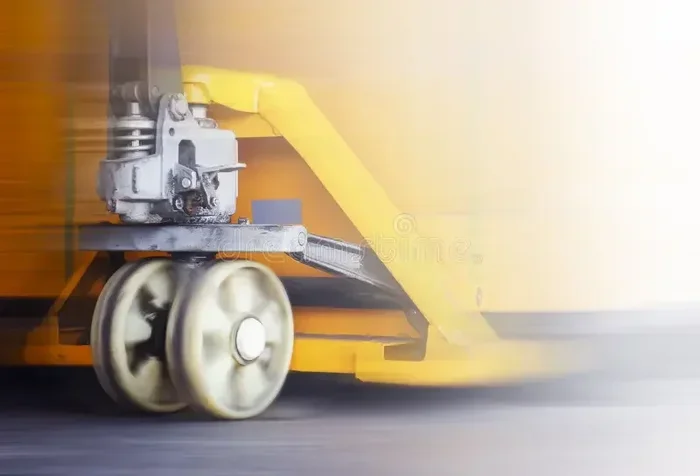
How to Make Pallet Jack Faster with These Simple Tips
Learning how to make a pallet jack faster can transform your warehouse workflow and save hours every week. This guide covers easy maintenance tips, smart upgrades, and operator techniques that noticeably improve pallet jack speed. Whether you use a manual pallet jack or an electric model, these simple steps deliver real results.
Key Takeaways
- Regular maintenance like lubrication and wheel replacement keeps your pallet jack running at peak speed.
- Worn wheels and dirty hydraulic fluid are the top culprits behind a slow pallet jack.
- Operator technique matters just as much as equipment condition for increasing pallet jack speed.
- Simple upgrades such as polyurethane wheels and better seals can make a big difference.
- Knowing when to replace rather than repair saves time and money in the long run.
- Proper load distribution reduces strain and helps the pallet jack move faster and smoother.
📑 Table of Contents
- Why Speed Matters for Your Pallet Jack
- Common Reasons Your Pallet Jack Is Running Slow
- Maintenance Tips to Keep Your Pallet Jack Running Fast
- Upgrades and Modifications for a Faster Pallet Jack
- Operator Techniques That Increase Pallet Jack Speed
- Quick Tips for Immediate Speed Gains
- When to Replace Instead of Repair
- Conclusion
Why Speed Matters for Your Pallet Jack
Every warehouse manager knows the frustration of slow-moving equipment. A pallet jack that drags or struggles to lift eats up valuable time. In a busy warehouse, those lost minutes add up fast. The good news is that making your pallet jack speed better does not require expensive fixes every time.
Whether you handle a few loads a day or move hundreds, a faster pallet jack means more work done in less time. Warehouse productivity depends heavily on how smoothly your material handling equipment runs. When your tools work well, your whole operation benefits.
In this guide, we will walk you through everything you need to know about how to make pallet jack faster. We will cover common problems, easy fixes, upgrades, and smart techniques. By the end, you will have a clear action plan to boost your pallet jack performance right away.
Common Reasons Your Pallet Jack Is Running Slow
Before you can fix the speed problem, you need to understand what is causing it. Most slow pallet jacks share a few common issues. Let us look at each one closely.
Worn Out Wheels
The wheels on your pallet jack take the biggest beating. Over time, they wear down, crack, or lose their shape. Worn pallet jack wheels create friction, which slows everything down. You might notice grinding noises or uneven movement when this happens.
Polyurethane wheels are a popular choice because they roll smoothly and last long. If your wheels look flat or chipped, it is time for pallet jack wheels replacement. This single fix can dramatically improve how fast your jack moves across the floor.
Low or Dirty Hydraulic Fluid
The hydraulic system is the heart of your hydraulic pallet jack. When the fluid level drops or becomes contaminated, the lifting mechanism slows way down. Dirty fluid creates internal friction that makes the jack work harder than it needs to.
Checking your hydraulic fluid level should be part of your weekly routine. If the fluid looks dark or gritty, flush the system and refill it with fresh oil. This simple step can restore smooth, fast lifting action.
Overloaded or Improperly Loaded Pallets
Every pallet jack has a load capacity rating. Pushing it beyond that limit forces the equipment to strain. Even being slightly over the limit can reduce speed and cause premature wear on critical pallet jack parts.
Make sure loads are centered and balanced before you move them. An uneven load forces the jack to drag to one side, which slows you down and risks tipping. Keeping loads within the rated capacity helps everything run faster and safer.
Lack of Regular Maintenance
Neglect is the silent killer of equipment speed. A pallet jack that does not get regular care slowly loses its edge. Dust, debris, and lack of lubrication all contribute to a sluggish machine.
Pallet jack maintenance does not have to be complicated. A few minutes of attention each week can keep your jack running like new. Let us look at exactly what to do.
Maintenance Tips to Keep Your Pallet Jack Running Fast
Consistent care is the foundation of fast equipment. These maintenance steps are easy to follow and make a huge difference in your pallet jack efficiency.
Regular Lubrication
Every moving part on your pallet jack needs lubrication. The forks, the hydraulic pump, and the wheels all benefit from a good grease job. Use a silicone-based or lithium grease for best results.
Focus on these key areas:
- Wheel bearings — spin them by hand and feel for roughness
- Fork rails — wipe down and grease the vertical channels
- Hydraulic pump — apply a few drops of oil to the pump rod
- Steering joints — keep the pivot points moving freely
Lubricating these parts weekly can cut resistance and boost pallet jack speed noticeably. It takes less than ten minutes and pays off big time.
Wheel Inspection and Replacement
Walk around your pallet jack every week and inspect the wheels. Look for flat spots, cracks, or excessive wear. Pallet jack wheels replacement is one of the easiest and cheapest upgrades you can make.
When choosing new wheels, consider the floor surface in your warehouse. Smooth polyurethane wheels work great on concrete floors. For rougher surfaces, rubber wheels absorb shocks better. Matching the right wheel to your floor type is a small change that improves pallet jack performance significantly.
Hydraulic System Check
The hydraulic system needs attention just like any other part of your warehouse equipment. Start by checking the fluid level. If it is low, top it off with the manufacturer-recommended oil.
Next, look for leaks around the pump, hoses, and cylinder. Even a small leak reduces pressure and slows the lifting mechanism. Pallet jack troubleshooting for hydraulic issues usually starts with a visual inspection. If you see any oil residue or drips, address them immediately.
Cleaning and Debris Removal
Dirt, grease, and debris build up on your pallet jack over time. This buildup creates drag and slows movement. A quick wipe-down after each shift keeps things running smoothly.
Pay special attention to the wheel area. Debris trapped around the wheels creates resistance and can cause uneven wear. A clean pallet jack is a fast pallet jack.
Upgrades and Modifications for a Faster Pallet Jack
Sometimes maintenance alone is not enough. If your jack is old or you need a serious speed boost, upgrades are the way to go. These modifications are affordable and deliver real results.
Upgraded Wheels for Better Roll
Swapping out factory wheels for high-quality aftermarket wheels is one of the best upgrades you can make. Polyurethane wheels roll faster and smoother than standard rubber. They also last longer and protect your warehouse floors.
Look for wheels with precision bearings. These reduce friction even further and make your manual pallet jack feel almost effortless to push. The cost is minimal compared to the speed and efficiency gains you will see.
Better Hydraulic Components
If your hydraulic pump is sluggish, consider upgrading to a high-performance pump kit. These kits are designed to increase flow rate and pressure, giving you faster lift times.
Upgraded seals and valves also prevent internal leaks that slow down the system. When your lifting mechanism works efficiently, you spend less time waiting for forks to raise and lower. This is especially important in high-volume warehouses where every second counts.
Handle and Grip Improvements
This one might surprise you, but the handle makes a real difference. A comfortable, ergonomic handle lets you steer and push the jack with less effort. When you are not fighting the equipment, you move faster.
Look for handles with soft-grip coatings and adjustable height. Some aftermarket handles also include built-in speed controls for electric pallet jack models. A better handle improves your entire workflow and reduces fatigue during long shifts.
Operator Techniques That Increase Pallet Jack Speed
Equipment condition matters, but how you operate the pallet jack matters just as much. Good technique reduces effort and increases speed without any mechanical changes.
Proper Steering and Turning
Sharp, jerky turns waste time and energy. Smooth, wide turns keep the jack moving at a consistent pace. Practice gentle steering motions and let the wheels do the work.
When navigating tight corners, slow down before the turn and accelerate gently through it. This technique prevents skidding and keeps the load stable. Over time, smooth steering becomes second nature and your warehouse productivity improves.
Load Distribution Matters
How you place the load on the forks directly affects speed. An uneven or off-center load forces the jack to pull to one side. You end up fighting the equipment instead of working with it.
Always center the load on the forks and keep it as low as possible during transport. A lower center of gravity makes the jack more stable and faster to move. This is one of the simplest ways to increase pallet jack speed without touching a single tool.
Smooth and Controlled Movements
Jerky movements slow you down and risk damaging both the equipment and the load. Apply steady, even pressure on the handle and let the jack build momentum naturally.
Start slow, then gradually increase speed once the jack is rolling. Avoid sudden stops and starts. Smooth, rhythmic movements not only save time but also reduce wear on the wheels and hydraulic system. Your pallet jack efficiency will thank you for it.
Quick Tips for Immediate Speed Gains
Want fast results without a big project? Try these quick wins today:
- Inflate or replace flat wheels — even a small loss of air creates drag
- Add a drop of oil to the pump — this alone can improve lifting speed
- Clear your path — remove debris and obstacles from your travel route
- Check tire pressure — properly inflated wheels roll faster and smoother
- Use the right jack for the job — match the equipment to your load type and weight
These small changes take only minutes but deliver noticeable improvements in pallet jack speed right away.
When to Replace Instead of Repair
Knowing when to repair and when to replace is a key skill for any warehouse operator. Some problems are cheap and easy to fix. Others signal that the jack has reached the end of its useful life.
If your hydraulic pallet jack has a cracked frame, a failing pump, or wheels that keep wearing out despite replacement, it is time for a new one. Continuing to repair old equipment costs more in downtime and parts than a fresh investment.
Consider your warehouse workflow optimization goals. A new, faster pallet jack can pay for itself in saved time within weeks. Look at the total cost of ownership, not just the upfront price. Sometimes replacing an old jack is the smartest move you can make for your operation.
Conclusion
Making your pallet jack faster does not require a degree in engineering or a huge budget. It starts with understanding the basics of pallet jack maintenance, making smart upgrades, and using good operator techniques. Every tip in this guide is designed to help you get more done in less time.
Start with the simple fixes like lubrication, wheel inspection, and hydraulic fluid checks. Then consider upgrades like better wheels and improved seals. Finally, refine your operator habits for the biggest long-term gains. Your warehouse equipment will run smoother, your team will be more productive, and your bottom line will thank you.
Take action today. Pick one tip from this guide and apply it right now. Small changes add up to big improvements in pallet jack speed and overall warehouse productivity. You have everything you need to make your pallet jack faster starting today.
Frequently Asked Questions
What is the most common reason a pallet jack becomes slow?
The most common reason is worn-out wheels. Flat, cracked, or dirty wheels create friction and drag, which significantly reduces pallet jack speed. Regular wheel inspection and timely pallet jack wheels replacement solve this problem quickly and affordably.
Can I use any hydraulic fluid in my pallet jack?
No, you should always use the hydraulic fluid recommended by the manufacturer. Using the wrong fluid can damage the hydraulic system, reduce pallet jack performance, and void your warranty. Check your owner’s manual for the correct fluid type and grade.
How often should I lubricate my pallet jack?
You should lubricate your pallet jack at least once a week in a busy warehouse environment. Focus on wheel bearings, fork rails, the hydraulic pump rod, and steering joints. Regular lubrication is one of the easiest ways to increase pallet jack speed and extend equipment life.
Do upgraded wheels really make a pallet jack faster?
Yes, upgraded wheels make a noticeable difference. High-quality polyurethane wheels with precision bearings reduce friction significantly. Many warehouse operators report faster movement and smoother handling after switching to better wheels. It is one of the most cost-effective upgrades you can make.
Is it better to repair or replace an old pallet jack?
It depends on the condition and age of the jack. If the frame is intact and only a few parts need replacement, repair makes sense. However, if the hydraulic system is failing repeatedly or the frame is cracked, replacing the unit is more cost-effective in the long run and improves warehouse workflow optimization.
How does operator technique affect pallet jack speed?
Operator technique has a huge impact on speed. Smooth steering, balanced loads, and steady movements reduce resistance and prevent unnecessary strain on the equipment. Training your team on proper handling techniques is one of the simplest ways to boost pallet jack efficiency across your entire operation.