How Often Should Leather Car Seats Be Conditioned
How often should leather car seats be conditioned depends on your climate, driving habits, and seat age. Most experts recommend conditioning every 3 to 6 months for regular use. Conditioning leather car seats prevents cracking, fading, and drying while keeping the interior looking premium. A simple routine can extend the life of your seats by years.
Your leather car seats are one of the most expensive parts of your vehicle’s interior. They look amazing when they are new. But over time, they can dry out, crack, and fade if you do not take care of them. One of the best ways to protect your investment is to condition leather car seats on a regular basis. But how often should leather car seats be conditioned? The answer is not always straightforward. It depends on several factors like your climate, how often you drive, and the type of leather your car has.
In this guide, we will walk you through everything you need to know about car seat maintenance and conditioning schedules. You will learn the signs that your seats need attention, the best products to use, and simple steps to keep your leather looking great for years. Whether you drive a new SUV or a classic truck, this article has practical advice you can use right away.
Key Takeaways
- Condition every 3 to 6 months: This is the general rule for most drivers with regular use.
- Climate matters a lot: Hot, dry, or cold climates may require conditioning every 2 to 3 months.
- Watch for warning signs: Dryness, fading, and cracking mean it is time to condition immediately.
- Use the right product: Not all leather conditioners are created equal. Choose pH-balanced formulas.
- Clean before conditioning: Dirt and debris block conditioner from absorbing properly.
- Avoid over-conditioning: Too much product can clog leather pores and create a greasy surface.
📑 Table of Contents
- Why Conditioning Leather Car Seats Matters
- How Often Should You Condition Leather Car Seats
- Signs Your Leather Seats Need Conditioning
- Best Leather Conditioner Products
- Step-by-Step Guide to Conditioning Leather Seats
- Common Mistakes to Avoid
- How Often Should Leather Car Seats Be Conditioned in Different Situations
- Key Takeaways
- Conclusion
Why Conditioning Leather Car Seats Matters
Leather is a natural material. It comes from animal hide, and it needs moisture to stay healthy. Without proper care, leather can lose its natural oils. This leads to a host of problems that no car owner wants to deal with.
The Science Behind Leather Drying
Leather has tiny pores that release and absorb moisture. When you sit on your seats, your body heat and natural oils transfer to the leather. Over time, these oils get stripped away by friction, sun exposure, and everyday use. UV protection is critical here. Sunlight breaks down the collagen fibers in leather, causing it to become stiff and brittle.
When leather loses too much moisture, it starts to crack. Small lines appear on the surface. These cracks grow over time and can eventually lead to permanent damage. Leather restoration is much harder and more expensive than simple prevention through regular leather care.
Benefits of Regular Conditioning
conditioning your leather seats offers several key benefits:
- Prevents cracking and splitting: Moisturized leather stays flexible and resilient.
- Maintains a rich color: Conditioned leather retains its deep, luxurious look longer.
- Extends the lifespan: Well-maintained leather seats can last 10 to 15 years or more.
- Improves comfort: Soft, supple leather feels much better against your skin in hot weather.
- Protects against stains: Healthy leather is more resistant to spills and dirt absorption.
- Preserves resale value: A well-maintained interior adds significant value when you sell or trade in your car.
Think of conditioning leather car seats like moisturizing your skin. Your skin gets dry and cracked without lotion. Leather works the same way. It needs regular hydration to stay in top shape.
How Often Should You Condition Leather Car Seats
The short answer is every 3 to 6 months for most drivers. But this is just a baseline. Your actual schedule may vary based on several important factors. Let us break this down so you can create the perfect conditioning schedule for your situation.
Factors That Affect Conditioning Frequency
Several things determine how often you need to condition leather car seats:
- Climate and weather: If you live in a hot, dry area, the sun and heat will dry out your leather faster. You may need to condition every 2 to 3 months. In humid climates, conditioning every 4 to 6 months is usually enough.
- How often you drive: Daily drivers need more frequent conditioning than weekend cars. If you spend two or more hours a day in your car, plan for every 3 months.
- Sun exposure: Cars parked in direct sunlight for long periods need extra protection. UV rays are the number one enemy of leather.
- Seat age: New leather seats may need more frequent conditioning in the first year. Older seats that have already dried out may need more attention as well.
- Leather type: Full-grain leather is more durable but still needs care. Aniline leather is more delicate and requires more frequent treatment. Synthetic leather or vinyl seats need conditioning less often.
Seasonal Conditioning Guide
A great way to remember your schedule is to tie conditioning to the seasons:
- Spring: After winter, your seats may have lost moisture from cold, dry air. This is a great time for a deep conditioning session.
- Summer: Before the intense heat hits, apply conditioner to add a layer of UV protection.
- Fall: As temperatures drop, leather can dry out from the change in humidity. Another round of conditioning helps.
- Winter: If you live in a very cold or dry climate, consider a light conditioning in mid-winter.
This four-times-a-year approach works well for most drivers. It keeps your leather seats protected through every weather change.
Signs Your Leather Seats Need Conditioning
You do not always need to follow a strict calendar. Your seats will tell you when they need attention. Learning to recognize these signs helps you catch problems early before they become expensive repairs.
Visual Cues
Look for these visible signs that your leather car seats need leather care:
- Fading color: If the rich color looks dull or uneven, the leather is losing its natural oils.
- Dry appearance: Leather that looks matte instead of glossy needs moisture.
- Small cracks: Tiny lines on the surface are an early warning sign of dehydration.
- White residue: This can appear when old conditioner builds up or when leather is drying out.
Touch and Feel
Your hands are great tools for checking leather health:
- Rough texture: Healthy leather should feel smooth and soft. If it feels rough or gritty, it is time to condition.
- Stiffness: Seats that feel hard or rigid have lost their flexibility.
- Tightness: If the leather looks like it is pulling or stretching slightly, it needs moisture.
Smell Test
Do not underestimate your nose. Freshly conditioned leather has a mild, pleasant scent. If your seats smell dry or musty, the leather is likely dehydrated. A good leather conditioner will restore a healthy, natural smell to your car interior.
Best Leather Conditioner Products
Not all leather care products are the same. Choosing the right leather conditioner makes a big difference in the results. Here are some tips for picking the best product for your needs.
What to Look For
When shopping for a leather conditioner, look for these qualities:
- pH-balanced formula: This matches the natural pH of leather and prevents damage.
- UV protectants: Look for products that offer sun protection to prevent fading.
- Natural oils and waxes: Ingredients like lanolin, beeswax, and vitamin E nourish leather deeply.
- No petroleum-based ingredients: These can clog leather pores and cause long-term damage.
- Synthetic vs. natural leather compatibility: Make sure the product works with your specific seat material.
Popular Product Types
There are several types of leather care products on the market:
- Spray conditioners: Easy to apply and great for quick touch-ups between deep conditioning sessions.
- Sponge applicators: These come with the conditioner and help you spread the product evenly.
- Foam cleaners and conditioners: Two-in-one products save time but may not condition as deeply.
- Premium cream conditioners: These offer the deepest hydration and are ideal for seats that are already dry or damaged.
Quick Tips for Choosing
Here are some practical tips to help you pick the right product:
- Read reviews from other car owners with the same type of seats.
- Test a small area first to make sure the product does not discolor your leather.
- Avoid products that leave a greasy residue. Your seats should feel smooth, not slippery.
- Invest in a quality product. Cheap conditioners may do more harm than good over time.
Step-by-Step Guide to Conditioning Leather Seats
conditioning your leather seats is simple and does not require a lot of time. Follow these steps for the best results every time.
Step 1: Clean the Seats First
Before you apply any conditioner, you must clean the seats. Dirt and debris create a barrier that prevents the conditioner from soaking into the leather. Use a mild leather cleaner and a soft cloth. Wipe down every surface, including the seams and creases. Let the seats dry completely before moving to the next step.
Step 2: Apply the Conditioner
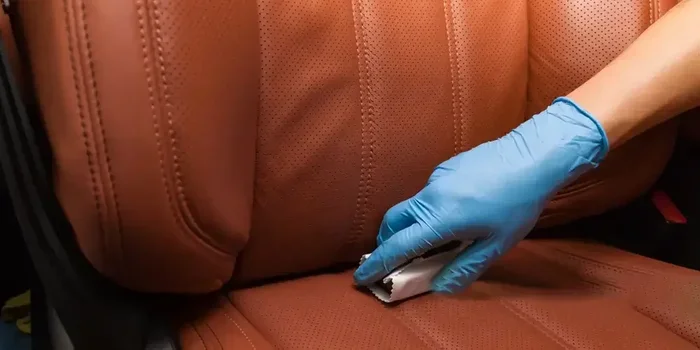
Squeeze a small amount of leather conditioner onto a microfiber cloth or applicator pad. Work in small sections, using circular motions. Apply a thin, even layer. Do not use too much product. A little goes a long way with quality conditioners.
Step 3: Let It Absorb
Allow the conditioner to sit for 10 to 15 minutes. This gives the leather time to absorb the moisture and nutrients. In hot weather, the product may absorb faster. In cool weather, give it extra time.
Step 4: Buff the Seats
Use a clean, dry microfiber cloth to gently buff the seats. This removes any excess product and creates a smooth, natural finish. Your seats should feel soft and look slightly glossy, not wet or greasy.
Step 5: Let Them Cure
Keep your car parked in a shaded area for at least 2 to 3 hours after conditioning. This allows the leather to fully absorb the product. Avoid driving immediately after conditioning if possible.
Expert Insight: How Much Product to Use
More product does not mean better results. Using too much conditioner can lead to buildup on the surface. This blocks the leather pores and can actually trap moisture inside, leading to mold and mildew over time. A thin, even layer is all you need for effective leather restoration and protection.
Common Mistakes to Avoid
Even well-meaning car owners can make mistakes when caring for their leather seats. Avoiding these common errors will save you time and money.
Over-Conditioning
Conditioning too often can be just as harmful as not conditioning enough. Excess product builds up on the surface and creates a greasy film. This attracts dirt and dust, making your seats look dirty faster. Stick to your schedule and resist the urge to condition every week.
Using the Wrong Products
Do not use household products like coconut oil, baby oil, or furniture polish on your leather seats. These products are not formulated for automotive leather and can cause damage. Some may provide temporary softness, but they break down the leather over time. Always use products designed specifically for car seat maintenance.
Skipping the Cleaning Step
Applying conditioner to dirty seats is a waste of time and product. Dirt particles get pushed deeper into the leather during conditioning. Always clean first, then condition. This simple step makes a huge difference in the results.
Ignoring the Sun
Even with regular conditioning, prolonged sun exposure will damage your leather. Park in the shade whenever possible. Use windshield sunshades to reduce UV protection needs. Consider window tinting for extra protection of your leather seats.
Neglecting the Back Seats
Many people only condition the driver and passenger seats. But the back seats need care too. They are exposed to the same sun, temperature changes, and daily use. Include all leather surfaces in your conditioning schedule for uniform protection and appearance.
How Often Should Leather Car Seats Be Conditioned in Different Situations
Let us look at a few real-world scenarios to help you figure out your ideal schedule. This comparison table makes it easy to see what works best for different situations.
| Situation | Recommended Frequency | Why |
|---|---|---|
| Daily driver in hot climate | Every 2 to 3 months | Heat and sun exposure dry leather quickly |
| Daily driver in moderate climate | Every 3 to 4 months | Regular use wears away natural oils |
| Weekend car with garage storage | Every 4 to 6 months | Less exposure to elements and daily wear |
| New leather seats (first year) | Every 2 to 3 months | New leather needs extra hydration to settle |
| Older or already dried leather | Every 2 months, then maintain | Damaged leather needs intensive restoration |
| Leather with children or pets | Every 2 to 3 months | More friction and spills accelerate wear |
This table gives you a practical starting point. Adjust based on how your seats look and feel. The best conditioning schedule is one that matches your real-world conditions.
Key Takeaways
- Condition every 3 to 6 months: This is the general rule for most drivers with regular use.
- Climate matters a lot: Hot, dry, or cold climates may require conditioning every 2 to 3 months.
- Watch for warning signs: Dryness, fading, and cracking mean it is time to condition immediately.
- Use the right product: Not all leather conditioners are created equal. Choose pH-balanced formulas.
- Clean before conditioning: Dirt and debris block conditioner from absorbing properly.
- Avoid over-conditioning: Too much product can clog leather pores and create a greasy surface.
Conclusion
Taking care of your leather seats does not have to be complicated. The key is consistency. By following a regular conditioning schedule, you protect your investment and keep your car looking its best. How often should leather car seats be conditioned depends on your lifestyle, climate, and seat condition. Most drivers will find that every 3 to 6 months hits the sweet spot.
Pay attention to the signs your seats give you. Dryness, fading, and cracking are clear signals that it is time to act. Use quality products, follow the right steps, and avoid common mistakes. Your leather seats will reward you with years of comfort and beauty.
Start today. Grab a bottle of pH-balanced leather conditioner, clean your seats, and give them the care they deserve. Your future self will thank you when you slide into those soft, supple seats every time you drive.
Frequently Asked Questions
Can I condition my leather car seats too often?
Yes, over-conditioning is a real concern. Applying too much product too frequently can lead to buildup on the leather surface. This blocks pores and creates a greasy feel. Stick to a regular schedule of every 3 to 6 months and only condition when the seats show signs of dryness.
What happens if I never condition my leather car seats?
Without conditioning, leather loses its natural oils and moisture. Over time, the seats become dry, stiff, and prone to cracking. Fading and discoloration also accelerate. Severely damaged leather may require expensive leather restoration or even full seat replacement.
Is it okay to use household products like coconut oil on leather seats?
No, household products are not formulated for automotive leather. Coconut oil, baby oil, and furniture polish can break down the leather fibers over time. They may provide temporary softness but cause long-term damage. Always use a dedicated leather conditioner designed for car seats.
How do I know if my leather seats need conditioning or just cleaning?
Cleaning removes dirt and surface debris. Conditioning adds moisture and nutrients back into the leather. If your seats look dull, feel rough, or show small cracks, they need conditioning. If they are just dirty but still soft, a good cleaning may be all that is needed.
Does conditioning leather car seats help with UV protection?
Yes, many quality leather conditioners contain UV protectants. These ingredients help shield the leather from sun damage that causes fading and drying. However, conditioner alone is not enough for full sun protection. Combine conditioning with parking in shade and using sunshades for best results.
Can I condition leather seats in the winter or cold weather?
Absolutely. Cold weather can actually dry out leather even faster because of low humidity levels. Just make sure the car is in a heated or sheltered space when you condition. Cold leather absorbs conditioner more slowly, so give the product extra time to absorb before driving.