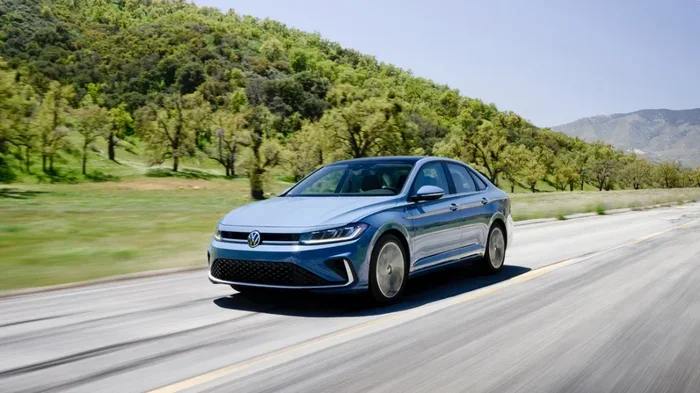
How Many Miles Does Volkswagen Last and Why It Matters
How many miles does Volkswagen last? Most Volkswagens can reach 200,000 miles or more with proper care. The answer depends on the model, driving habits, and how well you maintain the vehicle. Regular oil changes, timely repairs, and smart driving habits play a huge role in extending your car’s life. Let us show you exactly what to expect and how to get the most miles out of your VW.
How many miles does Volkswagen last? The answer might surprise you. Most Volkswagens can easily reach 200,000 miles or more when properly maintained. Your driving habits, maintenance routine, and the specific model you choose all play a huge role in determining your car’s lifespan. In this guide, we break down everything you need to know about Volkswagen longevity, from average mileage expectations to practical maintenance tips. By the end, you will know exactly how to get the most miles out of your Volkswagen.
Key Takeaways
- Average Lifespan: Most Volkswagens last between 150,000 and 250,000 miles with proper maintenance.
- Model Matters: Some VW models like the Golf and Jetta tend to outlast others when cared for properly.
- Maintenance Is Key: Following the Volkswagen maintenance schedule can add tens of thousands of miles to your car.
- Driving Habits Count: Gentle driving and avoiding extreme temperatures help extend your VW’s life.
- Repair Costs Increase with Age: Budget for higher maintenance costs once your Volkswagen crosses 100,000 miles.
- High-Mileage Purchases Can Be Worth It: A well-maintained high-mileage VW often offers great value.
📑 Table of Contents
- Introduction
- How Many Miles Does Volkswagen Last on Average?
- What Affects the Lifespan of a Volkswagen?
- Best Volkswagen Models for Long-Term Ownership
- Maintenance Tips to Help Your Volkswagen Last Longer
- Common Problems in High-Mileage Volkswagens
- Is Buying a High-Mileage Volkswagen a Smart Move?
- Conclusion
Introduction
The Volkswagen brand has built a strong reputation for building durable, fun-to-drive cars. From the iconic Golf to the spacious Passat, these vehicles have earned loyal followings around the world. But how long can you really expect a Volkswagen to last? The truth is, it varies widely depending on several factors.
Understanding Volkswagen lifespan helps you make smarter decisions about buying, owning, and maintaining your car. Whether you drive a new model or a used one, knowing what to expect saves you time, money, and surprises. Let us walk you through everything you need to know about how many miles a Volkswagen can last.
How Many Miles Does Volkswagen Last on Average?
What the Numbers Say About Volkswagen Longevity
When we talk about how many miles does Volkswagen last, we need to look at real-world data. Most Volkswagen owners report their cars reaching between 150,000 and 250,000 miles before major issues arise. With diligent care, some Volkswagens even push past the 300,000-mile mark. The key factor is consistent maintenance and gentle driving habits.
The Volkswagen lifespan depends heavily on the specific engine and model. A well-maintained Volkswagen Golf might easily hit 200,000 miles. A Volkswagen Passat with regular care can do the same. Even the more compact models like the Jetta have proven they can go the distance when owners stay on top of service intervals.
It is also important to understand that “last” means different things to different people. For some, a car lasts until it looks old and needs cosmetic work. For others, a car lasts until the engine or transmission fails. We are talking about the second definition here. We want to know how many miles a Volkswagen can go before major mechanical failure.
Studies from automotive research firms show that the average Volkswagen stays on the road for about 12 to 15 years. During that time, a well-cared-for VW can accumulate an impressive number of miles. The Volkswagen reliability record has improved significantly over the past decade, making newer models especially promising for long-term ownership.
Average Mileage Expectations by Model Category
Not all Volkswagen models are created equal when it comes to longevity. Here is a general breakdown of what you can expect from different VW categories.
| Model | Expected Lifespan | Key Strength |
|---|---|---|
| Volkswagen Golf | 200,000+ miles | Engine durability and parts availability |
| Volkswagen Jetta | 150,000-200,000 miles | Affordable maintenance and solid build |
| Volkswagen Passat | 150,000-200,000 miles | Comfort and smooth ride over long distances |
| Volkswagen Tiguan | 150,000-200,000 miles | SUV versatility with strong resale value |
| Volkswagen TDI (Diesel) | 250,000+ miles | Diesel engine longevity and fuel efficiency |
These numbers assume regular maintenance and normal driving conditions. If you skip oil changes or ignore warning signs, your Volkswagen may not reach these milestones. The Volkswagen maintenance schedule is your best friend when it comes to maximizing your car’s lifespan.
What Affects the Lifespan of a Volkswagen?
Maintenance and Care Habits
The single biggest factor in Volkswagen longevity is how well you maintain it. A car that gets regular oil changes, tire rotations, and brake inspections will always outlast a neglected one. Following the Volkswagen maintenance schedule is not optional. It is essential if you want your car to reach high mileage.
Here are the most important maintenance tasks for extending your Volkswagen lifespan:
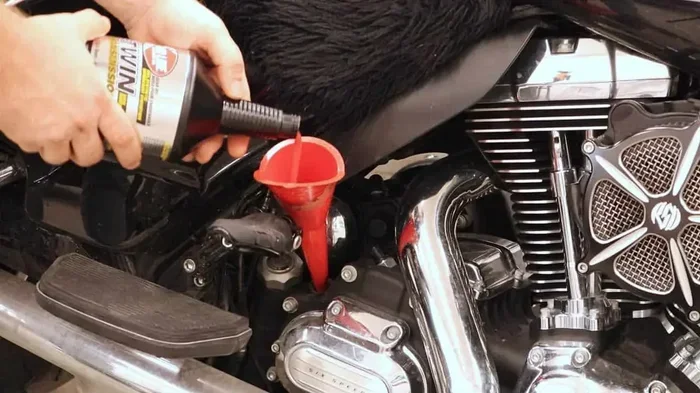
- Regular oil changes every 5,000 to 7,500 miles
- Transmission fluid replacement at 60,000-mile intervals
- Coolant flushes every 30,000 miles
- Brake pad replacement when worn
- Timing belt inspection and replacement per the factory schedule
- Air filter and spark plug changes at recommended intervals
Each of these tasks plays a role in keeping your Volkswagen running smoothly. Skipping any one of them can lead to bigger problems down the road. The Volkswagen repair costs for neglected maintenance are always higher than the cost of staying on top of routine service.
Driving Style and Road Conditions
How you drive your Volkswagen matters more than you might think. Aggressive driving, rapid acceleration, and hard braking all put extra stress on the engine, transmission, and brakes. Gentle driving habits can add thousands of miles to your Volkswagen’s life.
Road conditions also play a role. If you frequently drive on rough, unpaved roads, your suspension and alignment take a hit. Stop-and-go city driving is harder on a car than steady highway cruising. If you live in a hilly area, your brakes and transmission work harder too.
The best thing you can do is drive smoothly and give your car time to warm up before pushing it. This simple habit protects the engine and extends the Volkswagen engine life significantly.
Climate and Environmental Factors
Where you live and drive matters for your Volkswagen lifespan. Cars in cold climates face more wear on the engine and battery. Cars in hot climates deal with overheating risks and faster degradation of fluids. Coastal areas expose cars to salt air, which accelerates rust and corrosion.
If you live in an extreme climate, you need to be extra vigilant with your maintenance routine. Regular washes help remove salt and road grime. Using the right grade of oil for your climate protects the engine in both hot and cold conditions.
Quick Tips for Daily Care
Small daily habits add up to big savings over time. Here are some quick tips to help your Volkswagen last longer:
- Warm up your car for 30 seconds before driving in cold weather
- Check your tire pressure every month
- Never ignore dashboard warning lights
- Keep your car clean inside and out to prevent rust
- Use the recommended fuel grade for your engine
- Address small noises or vibrations immediately
These simple steps might seem minor, but they prevent costly repairs and keep your Volkswagen running strong for years.
Best Volkswagen Models for Long-Term Ownership
Volkswagen Golf
The Volkswagen Golf is one of the most popular compact cars in the world, and for good reason. It has a reputation for reliability and fun driving dynamics. The Golf consistently ranks among the VW models with the longest lifespans. Many Golf owners report crossing the 200,000-mile mark with only routine maintenance costs.
The Golf’s engine is well-designed and durable. Whether you choose the gasoline or the Volkswagen TDI diesel variant, the engine can handle high mileage with proper care. Parts are widely available, which makes repairs more affordable as the car ages. The Golf also holds its resale value better than many competitors in the compact car segment.
Volkswagen Jetta
The Volkswagen Jetta is a solid sedan that offers a comfortable ride and good fuel efficiency. It is one of the more affordable VW models, which makes it a popular choice for first-time car buyers. The Jetta can last well over 150,000 miles with regular maintenance.
The Jetta’s Volkswagen reliability record has improved in recent years. Earlier generations had some issues, but newer models have addressed many of those concerns. The engine is straightforward and easy to work on, which keeps Volkswagen repair costs lower than for more complex models.
Volkswagen Passat
The Volkswagen Passat is a midsize sedan that excels at long highway cruising. It is a comfortable car for daily commuting and road trips alike. The Passat can easily reach 200,000 miles when properly maintained.
The Passat’s larger engine and spacious interior make it a great choice for families. The car is built with quality materials that hold up well over time. The main thing to watch for is the timing belt, which needs replacement at the factory-recommended interval to prevent serious engine damage.
Model Comparison Table
| Model | Avg. Lifespan | Maintenance Cost | Best For |
|---|---|---|---|
| Golf | 200,000+ miles | Moderate | Daily driving and fun factor |
| Jetta | 150,000-200,000 miles | Low | Budget-conscious buyers |
| Passat | 150,000-200,000 miles | Moderate | Long-distance commuters |
| Tiguan | 150,000-200,000 miles | Moderate-High | Families and SUV lovers |
| TDI Diesel | 250,000+ miles | Moderate | High-mileage highway drivers |
Each of these models offers a different balance of longevity, cost, and features. The best Volkswagen model for you depends on your driving needs and budget. Consider the Volkswagen warranty coverage when buying new, as it provides peace of mind during the early years of ownership.
Maintenance Tips to Help Your Volkswagen Last Longer
Follow the Factory Maintenance Schedule
The Volkswagen maintenance schedule is designed by engineers who know the car best. Following it to the letter is the single most important thing you can do for your car’s longevity. The schedule covers everything from oil changes to major service intervals at specific mileage marks.
Most VW owners should follow the severe service schedule if they drive in stop-and-go traffic, tow anything, or drive in extreme temperatures. The severe service schedule shortens the intervals between services, which keeps the car in better shape over time.
Keep a detailed record of every service you perform. This documentation is valuable when selling the car and helps you track patterns if issues arise. A well-documented Volkswagen also commands a higher resale value, reducing the impact of vehicle depreciation over time.
Common Mistakes That Shorten Volkswagen Lifespan
Many Volkswagen owners unknowingly shorten their car’s lifespan through common mistakes. Here are the biggest ones to avoid:
- Skipping oil changes: Old oil loses its lubricating properties and can cause engine wear.
- Ignoring warning lights: Dashboard lights signal problems early. Ignoring them leads to bigger repairs.
- Overlooking fluid checks: Transmission fluid, coolant, and brake fluid all need regular attention.
- Driving on worn tires: Bad tires affect handling, safety, and fuel efficiency.
- Using the wrong fuel: Always use the fuel grade recommended in your owner’s manual.
Avoiding these mistakes can add 50,000 or more miles to your Volkswagen’s life. It is much easier to prevent problems than to fix them after they occur. Smart car ownership means staying ahead of maintenance rather than reacting to breakdowns.
Expert Insight
According to certified Volkswagen technicians, the most common reason Volkswagens fall short of their expected lifespan is deferred maintenance. Owners who stay on top of oil changes, fluid replacements, and belt inspections consistently report fewer major issues and lower repair costs over the life of the vehicle. Investing in routine service pays for itself many times over.
Common Problems in High-Mileage Volkswagens
Engine and Transmission Issues
Even well-maintained Volkswagens can develop issues after crossing 150,000 miles. The most common engine problems include oil consumption, timing chain wear, and coolant leaks. These issues are manageable if caught early, but ignoring them can lead to expensive repairs.
Transmission problems are also common in high-mileage Volkswagens. The DSG dual-clutch transmission, found in many modern VW models, is sophisticated but requires regular fluid changes. Neglecting transmission maintenance can lead to rough shifting or complete failure.
The good news is that most of these problems are preventable with proper care. Regular fluid changes, timely belt replacements, and prompt attention to any unusual noises or vibrations go a long way in preventing major engine and transmission repairs. Understanding your Volkswagen engine life helps you plan for these eventualities before they become emergencies.
Electrical and Suspension Concerns
As Volkswagens age, electrical issues can start to appear. The infotainment system, sensors, and lighting components are all potential trouble spots. These issues are usually minor and affordable to fix, but they can be annoying.
Suspension components like shocks, struts, and control arms wear out over time. If you notice a rough ride, pulling to one side, or excessive bouncing, get your suspension checked. Replacing worn suspension parts improves safety and ride quality.
The Volkswagen repair costs for electrical and suspension repairs are generally reasonable, especially if you catch the problems early. Waiting too long can lead to cascading issues that cost more to fix. Staying proactive with inspections keeps these costs under control.
Is Buying a High-Mileage Volkswagen a Smart Move?
Pros and Cons of High-Mileage VW Purchases
Buying a Volkswagen with over 100,000 miles can be a great deal, but it comes with trade-offs. Here is what you need to consider:
Pros: High-mileage Volkswagens cost significantly less than newer models. A well-maintained VW with 150,000 miles can still have many years of life left. The depreciation curve flattens out after 100,000 miles, so you lose less money on resale. And the car has already gone through its most expensive break-in period.
Cons: Repair costs increase as the car ages. You may face unexpected repairs that add up. Finding a mechanic who specializes in Volkswagens can be challenging in some areas. And older models may lack modern safety features and fuel efficiency. Also, the remaining Volkswagen warranty coverage may be expired or very limited.
What to Look For Before Buying
If you are considering a high-mileage Volkswagen, here is what to look for:
- Complete service history: A well-documented maintenance record is the best indicator of a cared-for car.
- Clean title: Make sure the car has no accident history or title brands.
- Test drive: Listen for unusual noises and pay attention to how the car handles.
- Pre-purchase inspection: Always have a trusted mechanic inspect the car before buying.
- Visible wear: Check for rust, interior damage, and signs of neglect.
A high-mileage Volkswagen can be an excellent purchase if you do your homework. The Volkswagen reliability of newer models means even higher-mileage cars from the past decade are worth considering. Factor in the total cost of car ownership, including insurance, fuel, and expected repairs, before making your decision.
Conclusion
So, how many miles does Volkswagen last? The answer is clear: a well-maintained Volkswagen can last 200,000 miles or more. The Volkswagen lifespan depends on your model, your maintenance habits, and how you drive. By following the factory maintenance schedule, driving gently, and addressing issues promptly, you can enjoy your Volkswagen for many years to come.
The key takeaway is simple: care for your Volkswagen, and it will take care of you. Whether you are buying new or considering a high-mileage used model, understanding Volkswagen longevity helps you make confident decisions. Start applying these tips today, and your Volkswagen will reward you with reliable performance mile after mile.
Frequently Asked Questions
What is the average lifespan of a Volkswagen?
Most Volkswagens last between 150,000 and 250,000 miles with proper maintenance. Some models, especially the Golf and TDI variants, can push past 200,000 miles. The Volkswagen lifespan depends on how well you follow the maintenance schedule and your driving habits.
How can I make my Volkswagen last longer?
Follow the factory Volkswagen maintenance schedule, change your oil regularly, and address small problems before they become big ones. Gentle driving habits, regular fluid checks, and using the right fuel also help extend your car’s life significantly.
Is it worth buying a Volkswagen with over 100,000 miles?
Yes, if the car has a clean maintenance history and a clean title. A well-cared-for high-mileage Volkswagen can still provide many years of reliable service. Always get a pre-purchase inspection from a trusted mechanic before buying.
What are the most common problems with high-mileage Volkswagens?
The most common issues include oil consumption, timing chain wear, transmission fluid degradation, and electrical gremlins. Regular maintenance catches most of these problems early, keeping repair costs manageable and the car running smoothly.
How often should I service my Volkswagen?
Follow the service intervals in your owner’s manual. Most Volkswagens need an oil change every 5,000 to 7,500 miles. Major services at 30,000, 60,000, and 90,000 miles are critical for long-term reliability. The Volkswagen maintenance schedule is your best guide.
Which Volkswagen model lasts the longest?
The Volkswagen Golf and Volkswagen TDI diesel models tend to last the longest, often exceeding 200,000 miles. The Jetta and Passat also have strong longevity records. Choosing a model with a simple, well-proven engine design helps maximize your car’s lifespan.