How Many Gallons of Gas Does a Hyundai Elantra Hold
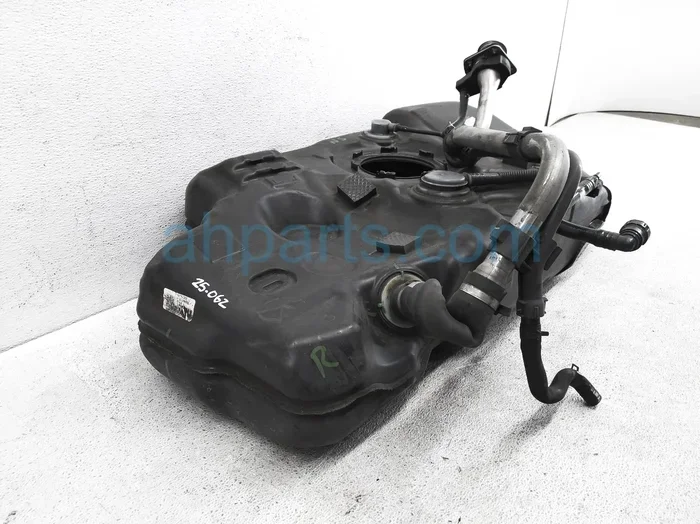
The Hyundai Elantra holds between 12.4 and 14.1 gallons of gas, depending on the model year and trim level. This fuel capacity gives drivers a solid driving range of 400 to 550 miles per tank, making it one of the most efficient sedans on the road. Whether you drive the Elantra SE, Elantra Limited, or a hybrid variant, understanding your tank size helps you plan refueling stops and manage fuel costs effectively.
Have you ever wondered exactly how much fuel your Hyundai Elantra can carry? Maybe you are planning a road trip and need to know how often you will stop for gas. Or perhaps you just want to understand your car better. Either way, you are in the right place. In this article, we will cover everything you need to know about the Hyundai Elantra gas tank capacity. We will look at different model years, trims, and even how fuel weight affects your car. By the end, you will have a clear picture of what to expect from your Elantra’s fuel system.
The Hyundai Elantra is one of the best-selling sedans in America. It has been for decades. People love it for its sleek design, comfortable interior, and impressive fuel economy. But knowing your car goes beyond just driving it. Understanding your fuel tank size helps you plan trips, budget for gas, and avoid running on empty. The Hyundai Elantra fuel tank capacity varies slightly depending on the year and trim. Let us break it all down for you.
Key Takeaways
- Standard Tank Size: Most Hyundai Elantra models carry 12.4 to 14.1 gallons of fuel in the tank.
- Driving Range: A full tank can take you 400 to 550 miles, depending on your driving habits and trim.
- Fuel Economy: The Elantra delivers 30 to 40 MPG combined, making it a top choice for fuel-efficient driving.
- Hybrid Option: The Elantra Hybrid offers even better fuel efficiency and a slightly different tank capacity.
- Weight Matters: A full tank of gas adds significant weight to the vehicle, which can affect performance.
- Refueling Tips: Simple habits like maintaining steady speeds and keeping tires inflated can boost your range.
📑 Table of Contents
- Hyundai Elantra Gas Tank Capacity By Year
- How Far Can a Hyundai Elantra Go on a Full Tank?
- Fuel Economy: What to Expect from the Hyundai Elantra
- Tips to Maximize Your Hyundai Elantra Fuel Range
- How Much Does It Cost to Fill Up a Hyundai Elantra?
- Common Mistakes That Reduce Your Fuel Economy
- Expert Insights on Hyundai Elantra Fuel Capacity
- Key Takeaways
- Frequently Asked Questions
- Conclusion
Hyundai Elantra Gas Tank Capacity By Year
The gas tank size of the Hyundai Elantra has changed over the years. Automakers often adjust tank capacity to meet new regulations or improve design. Here is a look at the most common tank sizes across recent generations.
2017 to 2020 Hyundai Elantra
These model years are some of the most popular. The standard fuel tank holds 12.4 gallons of gas. This capacity works well for daily commuting and weekend trips. With an average fuel economy of around 33 MPG combined, you can expect a driving range of about 410 miles on a full tank. That is a lot of miles between fill-ups.
The 2017 to 2020 Elantra comes in several trims. The base SE model uses the 12.4-gallon tank. Higher trims like the Limited and Sport may look different on the outside, but the fuel capacity stays the same. This consistency makes it easy to compare models without worrying about hidden differences.
2021 to 2024 Hyundai Elantra
The newer generation Elantra brought some updates. The fuel tank grew slightly to 14.1 gallons in many trims. This increase adds about 1.7 gallons of capacity. It may not sound like much, but it adds roughly 50 to 60 miles to your driving range. For commuters and road trippers alike, this is a welcome improvement.
The 2021 and newer models also feature updated engines and transmission systems. These improvements work hand in hand with the larger tank to deliver better overall performance. The result is a sedan that goes further on less fuel. The Hyundai Elantra fuel economy has never been better, and the tank size plays a big role in that.
Hyundai Elantra Hybrid Tank Capacity
The Elantra Hybrid is a different beast. It combines a gasoline engine with an electric motor for maximum efficiency. The hybrid model typically carries 12.4 gallons of fuel. While the tank is not the largest, the hybrid system makes every gallon count. Drivers can achieve 50 to 55 MPG in combined driving conditions. That means a driving range of over 600 miles on a single tank.
The hybrid Elantra is perfect for those who want to save on fuel without sacrificing performance. The smaller tank is offset by the incredible fuel efficiency of the hybrid powertrain. You fill up less often and spend less money at the pump.
How Far Can a Hyundai Elantra Go on a Full Tank?
Knowing your tank size is only half the battle. The real question most drivers ask is: how far can I go? The answer depends on several factors, including your driving style, road conditions, and the specific trim you own.
Understanding Fuel Range
Fuel range is the total distance you can travel on a full tank. To calculate it, you multiply the tank capacity by the fuel economy rating. For example, a 2022 Elantra with a 14.1-gallon tank and 35 MPG combined can travel approximately 493 miles. That is nearly 800 kilometers on a single fill-up.
Real-world results may vary. Aggressive driving, heavy cargo, and frequent stops all reduce your range. But even in less-than-ideal conditions, the Elantra delivers impressive distance. Few sedans in its class can match the Hyundai Elantra driving range.
Highway vs. City Driving
Your driving environment has a big impact on fuel consumption. Highway driving is generally more fuel-efficient. The engine runs at a steady speed, and there are fewer stops and starts. On the highway, an Elantra can easily achieve 40 MPG or more.
City driving is different. Stop-and-go traffic, idling at intersections, and lower speeds all reduce fuel economy. In the city, you might see 30 to 33 MPG. The good news is that the Elantra handles both environments well. It is a versatile sedan that adapts to your lifestyle.
Does Fuel Weight Affect the Car?
Here is something many drivers do not think about. Gasoline has weight. A gallon of gasoline weighs about 6 pounds. So a full 14.1-gallon tank adds roughly 85 pounds to the vehicle. That is like carrying a heavy passenger everywhere you go.
All that extra weight can affect your car’s performance and handling. When the tank is full, the car may feel slightly different on the road. As you burn fuel and the tank gets lighter, the car feels more nimble. This is a natural part of driving, but it is worth keeping in mind. If you are curious about how weight impacts your vehicle, check out this guide on how weight affects your car’s performance.
Understanding fuel weight helps you appreciate why your car handles differently when the tank is full versus nearly empty. It also explains why fuel-efficient driving habits matter even more when you are carrying a heavy load of gasoline.
Fuel Economy: What to Expect from the Hyundai Elantra
The Hyundai Elantra has always been known for its fuel efficiency. But just how good is it? Let us look at the numbers across different trims and engine options.
Base Engine MPG Ratings
The standard 2.0-liter 4-cylinder engine in the Elantra delivers a combined fuel economy of about 33 MPG. The city rating is around 31 MPG, and the highway rating reaches 41 MPG. These numbers are competitive for a compact sedan. They put the Elantra ahead of many rivals in its class.
Over the years, Hyundai has refined the engine and transmission to squeeze out every mile. The result is a car that sips fuel rather than guzzling it. For budget-conscious drivers, this efficiency translates directly into savings at the pump.
Turbocharged Engine Option
Some Elantra trims come with a 1.6-liter turbocharged engine. This engine produces more power but still delivers respectable fuel economy. The combined MPG rating is around 30 MPG for the turbocharged variant. It is a great option for drivers who want a blend of performance and efficiency.
The turbocharged engine is particularly popular among those who enjoy a more spirited driving experience. You get a boost of power when you need it, without sacrificing too much fuel economy. It is the best of both worlds for many Elantra owners.
Comparing Elantra Fuel Economy to Competitors
How does the Elantra stack up against other compact sedans? Let us take a quick look.
- Hyundai Elantra: 33 MPG combined (base engine)
- Toyota Corolla: 32 MPG combined
- Honda Civic: 32 MPG combined
- Mazda3: 30 MPG combined
- Hyundai Elantra Hybrid: 52 MPG combined
As you can see, the Elantra holds its own against the competition. And the hybrid version blows the doors off the rest. If fuel economy is your top priority, the Elantra Hybrid is the clear winner.
Tips to Maximize Your Hyundai Elantra Fuel Range
Want to get the most out of every gallon? Here are some practical tips that any Elantra owner can follow. These simple habits can extend your driving range and save you money over time.
1. Keep Your Tires Properly Inflated
Underinflated tires create rolling resistance. This means your engine has to work harder to move the car. The result is lower fuel economy. Check your tire pressure at least once a month. The recommended pressure for the Elantra is usually listed on the driver’s side door jamb. Keeping tires at the right pressure can improve your MPG by up to 3 percent.
2. Avoid Aggressive Driving
Hard acceleration and sudden braking waste fuel. They also wear out your brakes and tires faster. Instead, accelerate smoothly and coast to a stop when possible. Gentle driving habits can improve your fuel economy by 10 to 15 percent. That adds up to real savings over time.
3. Use Cruise Control on Highways
Maintaining a steady speed on the highway helps your engine run efficiently. Cruise control makes this easy. It keeps your speed consistent and reduces unnecessary fuel consumption. Just be sure to stay alert and ready to take control when needed.
4. Reduce Excess Weight
Every extra pound in your car costs you fuel. Remove items you do not need from the trunk and cabin. A lighter car uses less gas. This is especially true for the Elantra, which is a compact sedan. Every little bit helps when you are trying to squeeze out more miles per gallon.
5. Keep Up with Regular Maintenance
A well-maintained engine runs more efficiently. Change your oil on schedule, replace air filters when needed, and keep your spark plugs in good condition. These small steps can make a big difference in your fuel economy. They also help your Elantra last longer and run better.
6. Plan Your Refueling Stops
Knowing your tank capacity helps you plan trips more effectively. With a 14.1-gallon tank and 35 MPG, you have a range of nearly 500 miles. You can drive for hours before needing to refuel. This is especially useful for long road trips where gas stations may be far apart.
How Much Does It Cost to Fill Up a Hyundai Elantra?
Fuel costs are a major part of car ownership. Let us do the math for the Hyundai Elantra. Assuming an average gas price of $3.50 per gallon and a 14.1-gallon tank, a full fill-up costs about $49.35. With a fuel economy of 35 MPG, that gives you roughly 493 miles of driving.
That works out to about 10 cents per mile. For daily commuters, this is very affordable. Even with gas prices fluctuating, the Elantra remains one of the most cost-effective sedans to own. The combination of a generous tank and excellent fuel economy keeps your monthly fuel bills low.
If you drive 1,000 miles per month, you would need about 29 gallons of gas. At $3.50 per gallon, that is roughly $101 per month. Compare that to SUVs and trucks, and the savings become even more apparent. The Elantra is a smart choice for anyone looking to keep transportation costs down.
Common Mistakes That Reduce Your Fuel Economy
Even the most efficient car can suffer from bad driving habits. Here are some common mistakes that hurt your MPG and what you can do about them.
- Ignoring the check engine light: A faulty oxygen sensor can reduce fuel economy by up to 40 percent. Get it fixed right away.
- Using the wrong oil: Always use the oil grade recommended by Hyundai. Wrong oil increases engine friction and wastes fuel.
- Leaving roof racks on: Roof racks create drag. Even when empty, they reduce your fuel economy by 2 to 5 percent.
- Overfilling the tank: Topping off the tank can damage the charcoal canister and trigger warning lights. Stop filling when the pump clicks off.
- Driving with a dirty air filter: A clogged filter restricts airflow to the engine. This forces the engine to work harder and use more fuel.
Avoiding these mistakes keeps your Elantra running at peak efficiency. Small changes can lead to big savings over the life of your car.
Expert Insights on Hyundai Elantra Fuel Capacity
Automotive experts agree that the Hyundai Elantra offers one of the best fuel capacities in its class. The 14.1-gallon tank in recent models strikes a perfect balance between range and vehicle weight. It is large enough to minimize frequent stops but not so large that it adds unnecessary bulk.
Engineers at Hyundai have carefully optimized the fuel system for efficiency. The tank design, fuel injection system, and engine tuning all work together to maximize every drop of gasoline. This attention to detail is why the Elantra consistently ranks among the top sedans for fuel economy.
For those considering a used Elantra, the fuel tank capacity is a great selling point. Older models with 12.4-gallon tanks still deliver excellent range. And with proper maintenance, these cars continue to perform well for many years. The Hyundai Elantra specs across generations show a consistent commitment to efficiency and practicality.
Key Takeaways
- Tank Capacity Varies by Year: Most Elantras hold between 12.4 and 14.1 gallons of fuel.
- Driving Range Is Impressive: A full tank can take you 400 to over 600 miles depending on the trim and engine.
- Fuel Economy Stands Out: The Elantra delivers 30 to 52 MPG depending on the engine type.
- Fuel Weight Matters: A full tank adds about 85 pounds to the vehicle, which can subtly affect handling.
- Simple Habits Boost Range: Proper tire pressure, gentle driving, and regular maintenance all improve fuel economy.
- Cost Savings Add Up: The Elantra’s efficiency keeps monthly fuel costs low compared to larger vehicles.
Frequently Asked Questions
What is the fuel tank size for a 2023 Hyundai Elantra?
The 2023 Hyundai Elantra has a fuel tank capacity of 14.1 gallons. This is the standard size across most trims for the 2021 to 2024 generation. With this tank size and an average fuel economy of 35 MPG, you can expect a driving range of nearly 500 miles on a full tank.
How many miles can a Hyundai Elantra go on a full tank?
A Hyundai Elantra can travel between 400 and 550 miles on a full tank, depending on the model year and driving conditions. The newer models with the 14.1-gallon tank offer the longest range. The Elantra Hybrid can even exceed 600 miles thanks to its exceptional fuel efficiency.
Does the Hyundai Elantra Hybrid have a different tank size?
Yes, the Elantra Hybrid typically carries 12.4 gallons of fuel. While the tank is slightly smaller than the gas-only models, the hybrid powertrain compensates with outstanding fuel economy. The hybrid can achieve over 50 MPG, giving it a competitive driving range despite the smaller tank.
How often do I need to fill up my Hyundai Elantra?
For the average driver who covers about 1,000 miles per month, you will need to fill up roughly every 10 to 14 days. This depends on your driving habits, commute distance, and the specific Elantra trim you own. The Elantra’s excellent fuel economy means fewer trips to the gas station compared to most other sedans.
Is it bad to drive on low fuel?
Driving on low fuel is not ideal. It can cause the fuel pump to overheat and wear out faster. Sediment from the bottom of the tank can also be drawn into the engine. As a general rule, try to refill when your tank drops to a quarter full. This keeps your fuel system healthy and prevents unexpected stalls.
What type of gas does a Hyundai Elantra use?
The Hyundai Elantra runs on regular unleaded gasoline with an octane rating of 87 or higher. You do not need premium fuel for the standard Elantra. Using the recommended fuel type ensures optimal performance and fuel economy. The Elantra Hybrid also uses regular unleaded gasoline.
Conclusion
The Hyundai Elantra gas tank capacity is a key piece of information for any owner or prospective buyer. With a tank size ranging from 12.4 to 14.1 gallons, the Elantra offers a driving range that comfortably handles daily commutes and long road trips alike. The combination of a generous fuel tank and outstanding fuel economy makes this sedan a standout in the compact car segment.
Whether you drive the base SE trim or the fuel-efficient Hybrid, understanding your fuel capacity helps you plan better and save money. Simple habits like maintaining proper tire pressure, driving gently, and staying on top of maintenance can further boost your range and keep your costs low.
The Hyundai Elantra continues to prove that you do not need a big tank to go far. With smart engineering and efficient design, this car delivers where it counts. So the next time you pull into the gas station, you will know exactly how much fuel your Elantra can hold and how far it can take you. Safe travels and happy driving.