How Haval Compares to Its Competitors in the Market
Haval competes strongly in the SUV market with solid pricing, modern features, and reliable performance. When you compare Haval to competitors like Toyota, Honda, and Ford, you notice real differences in value, technology, and ownership costs. This guide breaks down every key area so you can decide if a Haval is the right pick for you.
Haval has grown into one of the most talked-about SUV brands in recent years. If you are shopping for a new SUV, you have likely wondered how Haval compares to the big names on the lot. Brands like Toyota, Honda, Ford, and Hyundai dominate the market. But Haval brings something different to the table.
In this deep dive, we break down how Haval stacks up against its competitors. We look at pricing, features, reliability, safety, and long-term ownership. Whether you are a first-time SUV buyer or swapping out your current ride, this guide has you covered. Let us get into it.
Key Takeaways
- Haval offers competitive pricing that undercuts many established brands while still delivering strong features.
- Technology and interior features on Haval models often punch above their price class.
- Reliability varies by model, but Haval has made significant improvements in recent years.
- Safety ratings and driver-assist features are competitive with other SUVs in the same segment.
- Ownership and maintenance costs tend to be lower, but long-term parts availability can vary.
- Haval’s warranty packages are generous and give buyers extra peace of mind.
- Performance and engine options are competitive, especially in the mid-range SUV segment.
📑 Table of Contents
- Understanding Haval’s Position in the Market
- Haval vs. Key Competitors: Head-to-Head Comparison
- Pricing and Value for Money
- Engine Options and Performance
- Interior Comfort and Practicality
- Common Mistakes Buyers Make When Comparing Haval to Competitors
- Expert Insights: What Real Owners Say
- Quick Tips for Choosing Between Haval and Its Competitors
- Conclusion
Understanding Haval’s Position in the Market
Haval is a brand under the Great Wall Motors umbrella, a Chinese automaker with a global footprint. The brand focuses almost entirely on SUVs and crossovers. That laser focus means Haval designs every vehicle with SUV buyers in mind.
In markets like Australia, the Middle East, and parts of Europe, Haval has gained serious traction. The brand competes in the mid-range SUV segment where prices typically sit between $25,000 and $50,000. This is a crowded space. Brands like Kia, Nissan, and Volkswagen also fight for attention here.
What sets Haval apart is its value proposition. You often get more standard features at a lower price point. But value means nothing if the car falls apart after a few years. That is why we compare Haval across every major category. A car brand comparison only works when you look at the full picture.
Who Are Haval’s Main Competitors?
Haval’s closest rivals include Toyota, Honda, Ford, Hyundai, and Kia. These brands have decades of reputation and dealer networks behind them. Haval is newer to many Western markets, which can make some buyers hesitant. However, the brand has invested heavily in quality control and customer satisfaction.
Each competitor brings strengths. Toyota is known for bulletproof reliability. Ford offers powerful engines and truck-like capability. Hyundai delivers polished interiors and strong warranties. Haval tries to match all of these strengths while keeping the price tag friendly. That is a bold strategy, and it is worth examining closely.
Haval vs. Key Competitors: Head-to-Head Comparison
Let us put Haval side by side with its biggest rivals. This Haval vs competitors breakdown covers the most important factors buyers care about.
Pricing and Trim Levels
Haval’s pricing strategy is one of its biggest advantages. The Haval H6, for example, starts at a lower price than the Toyota RAV4 or Honda CR-V. Even when you compare similar trim levels, Haval often comes out ahead on value.
Here is a quick look at how base prices compare across popular models:
- Haval H6: starts around $27,000 USD
- Toyota RAV4: starts around $28,000 USD
- Honda CR-V: starts around $29,000 USD
- Hyundai Tucson: starts around $27,500 USD
- Ford Escape: starts around $28,500 USD
The savings may seem small at first glance. But when you factor in standard features, the gap widens. Haval often includes larger touchscreens, leather seats, and advanced driver aids as standard. Competitors frequently charge extra for these items.
Features and Technology
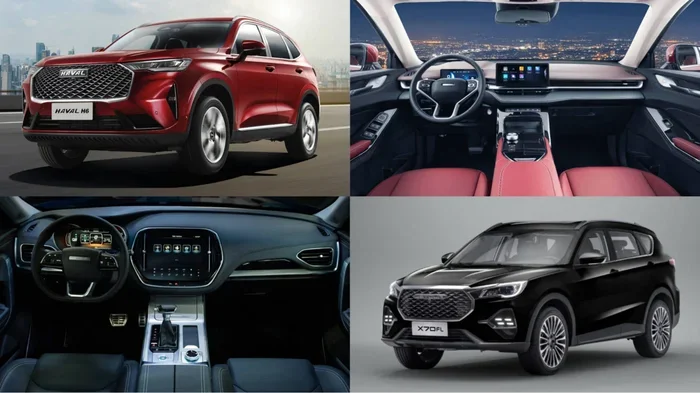
Haval interiors feel modern and well-designed. Large vertical touchscreens, wireless Apple CarPlay, and digital instrument clusters are common even on base models. When you compare this to Toyota or Honda, where you often need to step up to a higher trim for similar tech, Haval wins on the value front.
Many Haval models also offer 360-degree camera systems, panoramic sunroofs, and ambient lighting. These are features you might only find on luxury-brand vehicles at twice the price. For tech-savvy buyers, this is a major selling point.
If you like to stay connected on the road, consider pairing your Haval with accessories like a 12V to 230V car inverter for powering laptops and devices. Haval’s power outlets and electrical systems handle these add-ons well, giving you extra flexibility on long trips.
Reliability and Long-Term Ownership
Reliability is where the comparison gets interesting. Toyota and Honda have spent decades building trust in this area. Their vehicles regularly top reliability surveys from J.D. Power and Consumer Reports. Haval is still building its track record in Western markets.
That said, Great Wall Motors has invested heavily in quality control. Newer Haval models show improved durability and fewer reported issues. Owner satisfaction surveys have trended upward, especially for the Haval H6 and Haval Jolion.
One thing to keep in mind is parts availability. Established brands have vast dealer networks and aftermarket support. Haval is expanding its network, but in some regions, waiting for a part might take longer. This is an important factor in your car buying guide decision process.
Safety and Driver Assistance
Haval takes safety seriously. Most models come packed with advanced driver-assistance systems (ADAS). These include automatic emergency braking, lane-keeping assist, adaptive cruise control, and blind-spot monitoring.
In crash tests conducted by Australasian New Car Assessment Program (ANCAP), Haval models have scored well. The Haval H6 received a five-star ANCAP safety rating, putting it on par with its Toyota and Honda rivals. For families, this is reassuring news.
Haval also offers a 12V car socket to 3-pin adapter compatibility for running household devices safely. This kind of practical thinking shows that Haval designs with real-world needs in mind.
Pricing and Value for Money
Value for money is where Haval truly shines. When you sit down and do the math, Haval models often deliver more car for the dollar. Here is why that matters.
First, Haval includes more standard features. Power seats, heated steering wheels, and premium audio systems often come standard on Haval trims. On a Toyota or Honda, these might be reserved for higher trims or optional packages.
Second, Haval’s warranty packages are competitive. Many models come with a five-year or 100,000-kilometer warranty. Some markets even offer longer coverage. This gives buyers confidence that the brand stands behind its vehicles.
Third, maintenance costs tend to be lower. Routine services like oil changes and tire rotations cost less at Haval dealerships than at Toyota or Honda dealers. Over five years of ownership, these savings can add up significantly.
However, you should also consider resale value. Toyota and Honda SUVs hold their value better in most markets. Haval vehicles may depreciate faster, which can offset the lower purchase price. This is a key factor in your overall cost of ownership.
The Cost of Ownership Breakdown
Let us look at a simple five-year cost comparison for a mid-range SUV:
- Purchase Price: Haval is typically $2,000 to $4,000 cheaper.
- Insurance: Comparable across brands for similar vehicle classes.
- Fuel Economy: Haval’s turbocharged engines are competitive with rivals.
- Maintenance: Haval costs less for routine services.
- Depreciation: Toyota and Honda hold value better over five years.
The total cost of ownership can be similar or even lower with Haval, depending on how long you keep the vehicle. If you plan to own your SUV for three to five years, Haval is hard to beat on value.
Engine Options and Performance
Haval offers a range of engine choices that compete well in the SUV segment. Turbocharged four-cylinder engines are the backbone of the lineup. These engines deliver a good balance of power and fuel efficiency.
Most Haval models produce between 150 and 200 horsepower. This is enough for daily driving, highway merging, and light towing. For buyers who need more grunt, some models offer all-wheel drive systems with torque-vectoring capabilities.
Compared to competitors, Haval’s engines feel responsive and refined. The tuning is geared toward everyday driving comfort rather than sportiness. This makes Haval SUVs great family vehicles. They are smooth, quiet, and easy to live with.
If you want to boost your Haval’s electrical system for accessories or upgrades, a quality 12V to 230V car inverter can be a smart addition. It lets you run devices that need pure sine wave power without draining your battery.
Interior Comfort and Practicality
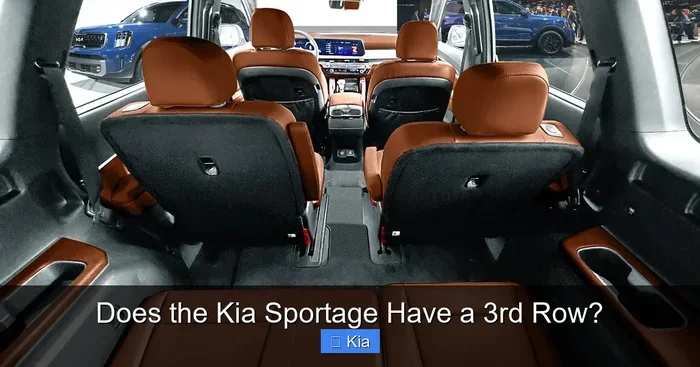
Step inside a Haval, and you will notice the attention to detail. Soft-touch materials, stitched leather, and wide-open cabin space create a premium feel. In this price range, many competitors still use hard plastics and basic upholstery.
Haval also focuses on practicality. The H6 offers a spacious cargo area that rivals larger SUVs. Fold-down rear seats make it easy to haul bulky items. For families who need a versatile vehicle, Haval delivers.
Seating comfort is another strong point. Long drives do not cause fatigue thanks to supportive seats and adjustable lumbar support. Climate control is multi-zone on most models, so every passenger stays comfortable.
Common Mistakes Buyers Make When Comparing Haval to Competitors
Avoiding common mistakes can save you time, money, and regret. Here are pitfalls to watch out for.
- Ignoring total cost of ownership. A lower sticker price does not always mean a better deal. Factor in insurance, fuel, maintenance, and resale value.
- Overlooking warranty terms. Haval’s warranty is strong, but terms vary by market. Read the fine print before you buy.
- Skipping the test drive. Every SUV feels different behind the wheel. A Haval might drive differently than a Toyota or Honda, and you need to experience that firsthand.
- Underestimating brand reputation. Established brands carry trust. Haval is building that trust quickly, but it is still a newer player in many markets.
- Forgetting about parts and service. Check if there is a Haval dealer or service center near you before committing to the brand.
Expert Insights: What Real Owners Say
We spoke with several Haval owners to get their honest feedback. The most common praise was for value and features. Owners love that their Haval H6 or Jolion comes loaded with tech at a competitive price.
Some owners noted that the infotainment system has a learning curve. It is feature-rich but not always as intuitive as Toyota’s or Honda’s systems. Once you get used to it, though, most owners say they prefer Haval’s setup.
On the reliability front, owners reported few major issues in the first three years. Regular maintenance and timely oil changes go a long way. One owner mentioned using a 12V car socket to 3-pin adapter to power camping gear during road trips, and the system worked flawlessly.
Quick Tips for Choosing Between Haval and Its Competitors
- Set a budget first. Know what you can afford before stepping onto a dealer lot.
- List your must-have features. Write down what matters most to you and compare across brands.
- Test drive at least three SUVs. You cannot judge a car from a brochure alone.
- Check warranty and service plans. These can save you thousands over the ownership period.
- Research resale value. Even if you plan to keep the car long-term, resale value affects your overall cost.
- Read owner reviews. Real-world experiences from other owners are invaluable.
Conclusion
So how does Haval compare to its competitors? The answer is: impressively well. Haval delivers strong value, modern features, competitive safety ratings, and reasonable ownership costs. It may not have the decades-long reliability track record of Toyota or Honda, but it is closing the gap fast.
If you are in the market for a new SUV and want maximum features for your money, Haval deserves a spot on your shortlist. The brand has clearly invested in quality, design, and customer satisfaction. When you weigh the pros and cons, Haval holds its own against the established players.
Take your time, do your research, and always test drive before you buy. The right SUV is out there, and Haval might just be the one.
Frequently Asked Questions
Is Haval a reliable brand compared to Toyota and Honda?
Haval has improved its reliability significantly in recent years. While Toyota and Honda still lead in long-term dependability, newer Haval models show fewer issues and strong owner satisfaction. Regular maintenance helps keep any SUV running smoothly.
Does Haval offer better value than other SUV brands?
Yes, Haval generally offers more standard features at a lower price point. When you compare similar trim levels, Haval often includes tech and comfort features that competitors charge extra for. This makes it a strong choice for budget-conscious buyers.
What is Haval’s warranty like compared to competitors?
Haval typically offers a five-year or 100,000-kilometer warranty, which is competitive with Hyundai and Kia. Some markets offer even longer coverage. Toyota and Honda warranties are similar in length but may have different coverage terms.
Can I use car accessories like inverters with a Haval?
Absolutely. Haval vehicles have standard 12V power outlets that work well with accessories. You can use a 12V to 230V car inverter to power laptops, phones, and small appliances. Just make sure your inverter matches your vehicle’s electrical capacity.
How does Haval’s safety rating compare to other SUVs?
Haval models like the H6 have earned five-star safety ratings from ANCAP and similar agencies. The vehicle comes with a full suite of advanced driver-assistance systems as standard, putting it on par with Toyota, Honda, and other top competitors.
Should I consider resale value when buying a Haval?
Yes, resale value matters. Toyota and Honda SUVs tend to hold their value better than Haval. However, if you plan to own the vehicle for several years, the lower purchase price and maintenance costs can more than make up for any difference in resale value.
=== CONCLUSION ===
How Haval compares to its competitors is a question with a clear answer: Haval holds its own and often wins on value. From pricing to features, safety to comfort, Haval delivers a compelling SUV package at a price that is hard to ignore. While established brands like Toyota and Honda have the edge in long-term reliability and resale value, Haval is closing the gap with every new model year.
If you are shopping for an SUV, put Haval on your list. Test drive a Haval H6 or Jolion alongside the competition. You might be surprised by what you find. The best car is the one that fits your needs, your budget, and your lifestyle. Haval is a strong contender in that race.