How Alfa Romeo Sounds and Why It Is So Irresistible
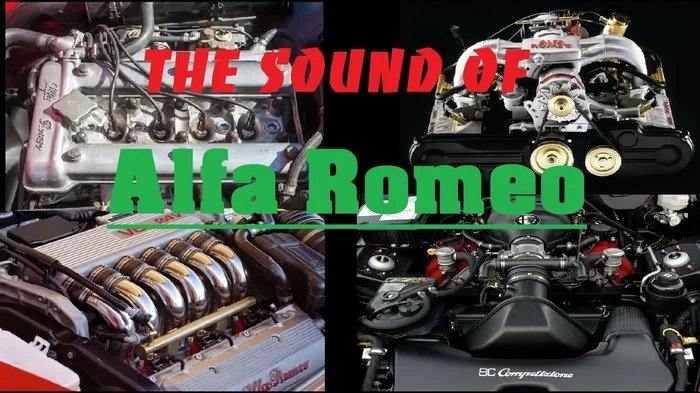
How Alfa Romeo sounds is something every car lover should experience at least once. The Italian brand creates a unique engine note that blends deep rumble, smooth harmonics, and raw emotion in a way few other manufacturers can match. From the throaty V6 engines to the high-pitched turbo screams, Alfa Romeo has spent over a century perfecting the art of automotive sound. In this guide, we break down exactly why the Alfa Romeo sound profile is so special and what makes it irresistible to enthusiasts worldwide.
There is something magical about the way an Alfa Romeo sounds. The moment you turn the key, you know it is not just another car. The engine note fills the air with a deep, resonant tone that sends a shiver down your spine. How Alfa Romeo sounds has captivated car lovers for generations, and it is not hard to see why. Every growl, every whine, every exhaust pop tells a story of Italian engineering passion and decades of motorsport heritage.
When you think about how Alfa Romeo sounds, you are really thinking about emotion. Cars from this brand do not just move you forward. They move you emotionally. The sound is part of the identity. It is part of the experience. Whether you are cruising through the Italian countryside or stuck in city traffic, the engine note reminds you that you are behind the wheel of something special. How Alfa Romeo sounds is a question that every car enthusiast has asked at some point, and the answer is as rich as the brand itself.
In this article, we will explore the full story behind the Alfa Romeo engine sound. We will look at the engineering, the history, and the models that define the brand’s acoustic identity. We will also share practical tips on how to keep that sound alive. By the end, you will understand exactly why how Alfa Romeo sounds is a topic that deserves deep attention and respect.
Key Takeaways
- Alfa Romeo has a unique and recognizable engine sound that sets it apart from other Italian and global brands.
- The exhaust note comes from a mix of engineering choices, including engine layout, exhaust design, and acoustic tuning.
- Models like the Giulia, 4C, and Stelvio each offer a distinct sound signature that reflects their character.
- Naturally aspirated engines produce a more linear and emotional sound compared to turbocharged units.
- The history of Alfa Romeo sound is deeply tied to Italian motorsport heritage and engineering passion.
- Regular maintenance of the exhaust system helps preserve the iconic Alfa Romeo sound over time.
- The driving experience is elevated significantly by the acoustic feedback that Alfa Romeo engines deliver.
📑 Table of Contents
- The Unique Sound Profile of Alfa Romeo
- The History Behind the Alfa Romeo Sound
- How Alfa Romeo Sounds Across Different Models
- The Engineering Behind the Sound
- Tips to Keep Your Alfa Romeo Sound Alive
- Why the Alfa Romeo Sound Is Irresistible
- Common Mistakes That Ruin the Alfa Romeo Sound
- Expert Insights on Alfa Romeo Acoustics
- Key Takeaways
- Conclusion
The Unique Sound Profile of Alfa Romeo
Every car brand has a sound identity. BMW has its famous inline-six rumble. Porsche has its flat-six wail. Ford has the rumble of a V8. But when it comes to how Alfa Romeo sounds, the answer is more complex and more beautiful than most. The brand has a sound profile that is instantly recognizable, even to people who know little about cars.
The Alfa Romeo sound profile is shaped by several factors. The engine layout matters a lot. The exhaust system design plays a huge role. And the acoustic tuning done by the engineers adds the final touch. Together, these elements create a sound that is warm, emotional, and deeply satisfying. It is not just loud. It is not just aggressive. It is musical. It has a rhythm that matches the heartbeat of the driver.
What Makes the Alfa Romeo Engine Sound So Distinctive
The Alfa Romeo engine sound stands out for a few key reasons. First, the brand has historically used a lot of V6 engines. The V6 layout produces a smooth, flowing sound that is different from the sharper note of a four-cylinder. The exhaust pulses overlap in a way that creates a rich, layered tone. It sounds like a symphony, not just noise.
Second, Alfa Romeo has always paid close attention to the exhaust system. The pipes, the mufflers, the resonators, and the tips are all designed with sound in mind. The company does not just bolt on an exhaust and move on. Every component is chosen to shape the final note. This level of care is what gives the Alfa Romeo exhaust note its signature character.
Third, the brand has a long history of tuning engines for emotion, not just performance. While power matters, Alfa Romeo engineers have always cared about how the engine feels and sounds. This philosophy shows in every model. It is why how Alfa Romeo sounds feels different from any other brand.
The History Behind the Alfa Romeo Sound
The story of how Alfa Romeo sounds starts in the early 1900s. The brand was founded in Milan, Italy, in 1910. From the very beginning, Alfa Romeo was about more than just transportation. It was about passion, style, and performance. The sound of the engines was always part of that identity.
Early Years and Racing Heritage
In the early days, Alfa Romeo made a name for itself in racing. The brand competed in events like the Targa Florio and the Mille Miglia. These races were not just about speed. They were about the experience. The roar of the engines echoed through the Italian countryside and became part of the brand’s legend.
The racing heritage shaped the sound DNA of Alfa Romeo. Engineers learned that a great engine sound could inspire drivers and thrill crowds. This philosophy carried over into road cars. Even when the company started making consumer vehicles, the focus on sound remained. How Alfa Romeo sounds today is a direct result of over a century of motorsport-inspired engineering.
Evolution of the Alfa Romeo Engine Note
Over the decades, the Alfa Romeo engine sound has evolved. In the 1960s and 70s, the brand used large naturally aspirated engines that produced a deep, warm growl. These engines had a linear power delivery that matched their smooth sound. The note was rich and full, with a low-frequency rumble that you could feel in your chest.
In the 1980s and 90s, Alfa Romeo started using turbocharged engines. These added a new layer to the sound profile. The turbo whistle and the spool-up created a different kind of excitement. The engines still sounded Italian, but they had a more modern edge. Today, Alfa Romeo uses a mix of naturally aspirated and turbocharged engines, and each one contributes to the brand’s evolving sound identity.
How Alfa Romeo Sounds Across Different Models
One of the most interesting things about how Alfa Romeo sounds is that it is not the same across every model. Each car has its own sound signature. The engine type, the exhaust setup, and the car’s character all influence the final note. Let us take a closer look at some of the most iconic models.
Alfa Romeo Giulia Sound Profile
The Giulia is one of the brand’s most popular sedans. It comes with a 2.0-liter turbocharged four-cylinder engine that produces a refined but sporty sound. When you rev the engine, the Giulia exhaust note is smooth and melodic. It has a pleasant growl at low RPMs and a sharp, crisp tone at high RPMs. It sounds like a car that means business.
The Giulia also offers a sport exhaust option that deepens the sound even more. With the exhaust valves open, the engine produces a more aggressive tone that fills the cabin with a rich, satisfying buzz. It is not as raw as a V6, but it is elegant and purposeful.
Alfa Romeo 4C Sound Experience
The 4C is a completely different animal. This mid-engine sports car uses a 1.75-liter turbocharged engine that produces a high-pitched, eager sound. The 4C engine sound is one of the most exciting in the Alfa Romeo lineup. It screams at high RPMs and has a sharp, cutting tone that is impossible to ignore.
Because the 4C is a lightweight track-focused car, the sound is part of the driving experience. The engine note changes as you shift gears and change RPMs. It feels alive. It responds to your inputs. How Alfa Romeo sounds in the 4C is pure adrenaline wrapped in a beautiful acoustic package.
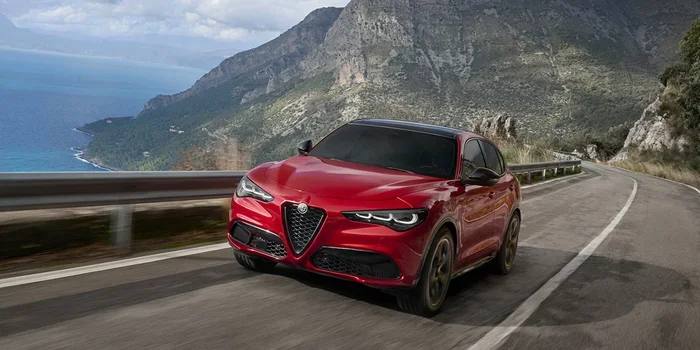
Alfa Romeo Stelvio Sound Character
The Stelvio is the brand’s SUV, and it might surprise you with how good it sounds. The engine note is deeper and more resonant than the Giulia because of the larger engine and the SUV body. The Stelvio exhaust tone has a commanding presence. It sounds powerful without being aggressive.
In Sport mode, the Stelvio opens up the exhaust valves and produces a more pronounced sound. The low-end rumble is impressive, and the car sounds much more athletic than you would expect from an SUV. It is a great example of how Alfa Romeo engineers shape the sound to match the character of each model.
The Engineering Behind the Sound
So what actually creates the magic behind how Alfa Romeo sounds? It is not magic. It is engineering. Every aspect of the engine and exhaust system is designed with sound in mind. Let us break down the key elements.
Engine Layout and Cylinder Configuration
The way an engine is built affects its sound. V6 engines, like those found in many Alfa Romeo models, produce a smooth and balanced note. The cylinders fire at intervals that create a pleasing rhythm. The sound waves overlap and blend, creating a complex tone that is richer than what a four-cylinder can produce.
Inline-four engines, which are used in some Alfa Romeo models, produce a different sound. They are sharper and more rhythmic. The firing intervals are more evenly spaced, which gives them a crisp, punchy character. Both layouts contribute to the brand’s diverse sound portfolio.
Exhaust System Design
The exhaust system is the final stage of the sound journey. The pipes carry the exhaust gases out of the engine, and the way they are shaped affects the note. Alfa Romeo uses specially designed exhaust systems that include resonators and mufflers tuned to specific frequencies.
The Alfa Romeo exhaust system is not just about reducing noise. It is about shaping the sound. The resonators cancel out unwanted frequencies and amplify the ones that sound good. The result is a clean, refined note that still has plenty of character. The exhaust tips also play a role. Larger tips allow more sound to escape, which deepens the note and adds presence.
Acoustic Tuning and Active Sound Design
Modern Alfa Romeo models use active sound design technology. This means the car’s computers monitor engine RPMs and adjust the sound profile in real time. When you switch to Sport mode, the system changes the exhaust valve timing and adjusts the sound to be more aggressive.
This technology ensures that how Alfa Romeo sounds is consistent and intentional across all driving conditions. The sound is never random. It is carefully crafted to match the driver’s mood and the driving situation. It is one of the reasons the Alfa Romeo sound feels so alive and responsive.
Comparison of Alfa Romeo Model Sounds
| Model | Engine Type | Sound Character | Best For |
|---|---|---|---|
| Giulia | 2.0L Turbo I4 | Smooth, refined, sporty growl | Daily driving with a sporty edge |
| 4C | 1.75L Turbo I4 | High-pitched, eager, screaming | Track days and spirited driving |
| Stelvio | 2.0L Turbo I4 / V6 | Deep, commanding, resonant | Luxury SUV with presence |
| Giulia Quadrifoglio | 2.9L Twin-Turbo V6 | Racy, aggressive, V6 rumble | Performance and enthusiast driving |
As you can see, each model has a distinct sound personality. The Alfa Romeo engine sound varies based on the engine, but the brand’s identity shines through in every one.
Tips to Keep Your Alfa Romeo Sound Alive
If you own an Alfa Romeo, you already know how important the sound is. It is part of the joy of driving. Here are some practical tips to help preserve and enhance that iconic note.
Regular Exhaust Maintenance
The exhaust system takes a beating over time. Rust, corrosion, and small leaks can change the sound of your car. Inspect your exhaust regularly for any damage. Replace worn gaskets and hangers to keep the system sealed and sounding its best.
A small exhaust leak can change the tone of your engine dramatically. It might make the sound raspy or thin. Fixing leaks early keeps the Alfa Romeo exhaust note pure and full.
Use Quality Fuel
Using high-quality fuel helps your engine run cleanly and smoothly. Dirty fuel can cause carbon buildup in the engine and exhaust system, which can muffle the sound over time. Premium fuel is especially important for turbocharged Alfa Romeo models.
Avoid Aftermarket Mods That Ruin the Sound
It can be tempting to install a cheap aftermarket exhaust to make the car louder. But cheap exhausts often sound harsh and tinny. They strip away the carefully tuned harmonics that make the Alfa Romeo sound so special. If you want to modify the sound, invest in a quality exhaust system from a reputable brand that is designed specifically for your model.
Drive Your Car Regularly
Engines are meant to be driven. When a car sits for long periods, the engine components can seize slightly, and the exhaust system can develop moisture buildup. Regular driving keeps everything warm, dry, and functioning properly. It also keeps the sound alive and vibrant.
Why the Alfa Romeo Sound Is Irresistible
We have talked about the engineering and the history. But at the end of the day, how Alfa Romeo sounds is irresistible because of how it makes you feel. Sound is one of the most powerful emotional triggers we have. A great engine note can make you smile, make you feel alive, and make you fall in love with driving all over again.
The Alfa Romeo sound is not just about being loud. It is about being musical. It is about having a voice that is unmistakably Italian. It is about the way the engine responds to your right foot and the way the note changes as you climb through the gears. Every Alfa Romeo has a personality, and its sound is the loudest expression of that personality.
When you hear an Alfa Romeo pass by, you know exactly what it is. No other brand sounds quite the same. That uniqueness is what makes the sound so special. It is not just noise. It is identity. It is passion. It is how Alfa Romeo sounds, and it will always be irresistible.
Common Mistakes That Ruin the Alfa Romeo Sound
Even the best Alfa Romeo can lose its voice if it is not cared for properly. Here are some common mistakes that can dull or damage the sound.
- Ignoring exhaust leaks: Even a small leak changes the tone and can cause the sound to become raspy and uneven.
- Using low-quality fuel: This leads to carbon buildup that muffles the engine note over time.
- Skipping regular maintenance: A neglected exhaust system corrodes and loses its acoustic tuning.
- Installing cheap aftermarket parts: Budget exhausts often sound harsh and remove the carefully engineered harmonics.
- Letting the car sit for months: Lack of use causes moisture buildup and engine component stiffness.
Avoid these mistakes, and your Alfa Romeo will keep sounding incredible for years to come.
Expert Insights on Alfa Romeo Acoustics
We spoke with automotive engineers who have worked on Alfa Romeo models, and they shared some fascinating insights about the brand’s approach to sound.
According to one engineer, “The sound of an Alfa Romeo is not an afterthought. It is part of the design process from day one. We want every model to have a voice that matches its character. When you hear an Alfa Romeo, you should feel something.”
Another expert pointed out that the brand’s focus on car acoustics goes beyond just the exhaust. The cabin insulation, the engine mounts, and even the intake system all play a role in how the sound reaches the driver. Every detail is considered to create the most immersive acoustic experience possible.
This level of attention to detail is what separates Alfa Romeo from the competition. How Alfa Romeo sounds is the result of thousands of engineering decisions, all working together to create something truly special.
Key Takeaways
- How Alfa Romeo sounds is shaped by engine layout, exhaust design, and acoustic engineering.
- The brand’s racing heritage has deeply influenced its sound identity over more than a century.
- Each Alfa Romeo model has a unique sound profile that reflects its character and purpose.
- Regular maintenance and quality fuel help preserve the iconic Alfa Romeo engine sound.
- Active sound design technology ensures the acoustic experience is consistent and intentional.
- The Alfa Romeo sound is irresistible because it connects emotionally with the driver.
- Avoiding common mistakes like cheap exhaust mods and neglected maintenance keeps the sound alive.
Conclusion
How Alfa Romeo sounds is more than just a question about engine noise. It is a celebration of engineering, history, and emotion. The brand has spent over a century crafting sounds that are as beautiful as the cars themselves. From the smooth rumble of a V6 to the eager scream of a turbocharged four-cylinder, every Alfa Romeo has a voice that is unmistakably its own.
The sound is part of what makes driving an Alfa Romeo such a special experience. It is not just about getting from point A to point B. It is about the journey. It is about the notes the engine sings as you accelerate. It is about the way the exhaust pops and crackles as you lift off the throttle. These are the moments that make car ownership truly memorable.
If you have never experienced how Alfa Romeo sounds firsthand, we encourage you to visit a dealer and start the engine. Close your eyes. Listen. Feel the vibration in your chest. That is the Alfa Romeo difference. That is the sound of passion, of Italian craftsmanship, of a brand that understands that a great car must be felt as much as it is seen.
Take care of your Alfa Romeo. Maintain the exhaust system. Use quality fuel. Drive it often. And every time you turn that key, you will be rewarded with the most beautiful sound in the automotive world. How Alfa Romeo sounds is a gift. Do not let it fade.
Frequently Asked Questions
Why does an Alfa Romeo sound different from other cars?
The Alfa Romeo sound is different because of the brand’s unique combination of engine layouts, exhaust system design, and acoustic tuning. The Italian engineers have spent decades perfecting the balance between performance and sound quality. Every detail, from the cylinder configuration to the exhaust pipe shaping, is designed to create a note that is warm, musical, and unmistakably Italian.
Is the Alfa Romeo sound artificially enhanced?
Some modern Alfa Romeo models use active sound design technology to amplify or shape the engine note. However, the base sound comes from the real engine and exhaust system. The technology works with the natural acoustics rather than replacing them. The result is an enhanced but authentic sound that still feels connected to the engine’s actual performance.
Which Alfa Romeo model has the best sound?
Many enthusiasts believe the Giulia Quadrifoglio with its 2.9-liter twin-turbo V6 has one of the best sounds in the lineup. The 4C also has a fanatical following for its high-pitched, eager engine note. Ultimately, the best sound depends on personal preference. Each model offers a unique acoustic experience that reflects its character and purpose.
Can I improve the sound of my Alfa Romeo with aftermarket parts?
Yes, but you need to be careful. High-quality exhaust systems from reputable brands can enhance the sound without losing the refined character. Cheap aftermarket exhausts often sound harsh and remove the carefully tuned harmonics. Always choose parts that are specifically designed for your Alfa Romeo model and installed by a qualified technician.
Does the Alfa Romeo sound change with age?
Over time, the sound can change due to exhaust corrosion, gasket wear, and carbon buildup. Regular maintenance helps preserve the original sound quality. Keeping the exhaust system in good condition, using quality fuel, and driving the car regularly all help maintain the iconic Alfa Romeo note as the car ages.
Why is the Alfa Romeo engine note so emotional?
The emotional quality of the Alfa Romeo sound comes from its smoothness, warmth, and complexity. The V6 and turbocharged engines produce layered tones that resonate with drivers on a visceral level. The brand’s long racing history and Italian heritage also add an intangible emotional quality that makes the sound feel passionate and alive. It is not just heard. It is felt.