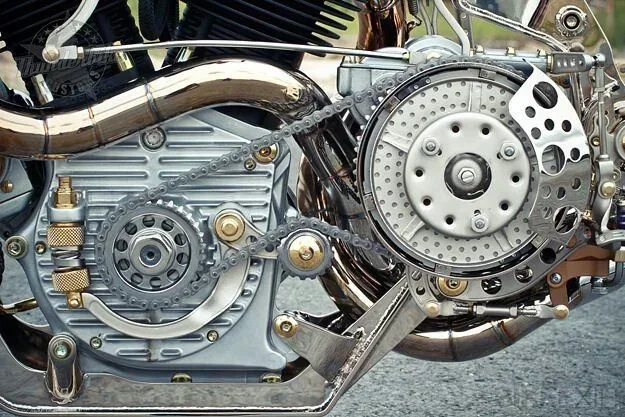
Harley-Davidson 5-Speed Transmission Problems Explained
Harley-Davidson 5-Speed Transmission Problems can turn a great ride into a frustrating experience. From gear slipping and harsh shifts to complete transmission failure, these issues affect many riders at some point. In this guide, we break down the most common problems, their root causes, and practical fixes you can try yourself or leave to a pro. Understanding your transmission helps you ride longer and spend less on repairs.
Every Harley-Davidson rider knows the feeling of a perfectly smooth shift. The bike responds, the road opens up, and everything feels right. But when your Harley-Davidson 5-Speed Transmission Problems start showing up, that feeling disappears fast. You might hear grinding noises, feel the bike jump out of gear, or notice that shifting becomes a real chore instead of a joy.
Transmission issues on a 5-speed Harley can range from minor annoyances to serious mechanical failures. The good news? Most of these problems are preventable or fixable if you catch them early. Whether you ride a classic Sportster or a touring model, understanding how your gearbox works and what can go wrong puts you ahead of the game.
This guide walks you through every major problem associated with the Harley 5-speed transmission. We will look at symptoms, causes, and solutions. You will also learn how to keep your transmission healthy for the long haul. Think of this as your go-to resource for everything related to Harley transmission issues.
Before we dive in, let us set the stage. A 5-speed motorcycle transmission uses five forward gears plus neutral. The gears mesh together using forks, and a clutch disengages the engine from the gearbox when you shift. When any part of this system wears out or gets damaged, your ride suffers. Now let us break down the most common issues riders face.
Key Takeaways
- Gear Slipping Is Common: Worn clutch plates and low transmission fluid are the top culprits behind gear slipping in Harley-Davidson 5-speed models.
- Regular Maintenance Matters: Simple habits like checking fluid levels and changing gears properly can prevent most transmission issues before they start.
- Harsh Shifting Has Fixable Causes: Clutch cable tension, worn shift forks, and contaminated fluid often lead to rough gear changes that are easy to address.
- Know When to Seek Help: Some problems like gear grinding or strange noises need professional diagnosis and should not be ignored.
- Prevention Beats Repair: Following a consistent maintenance schedule saves money and keeps your Harley running smoothly for thousands of miles.
📑 Table of Contents
- Understanding the Harley-Davidson 5-Speed Transmission
- Common Harley-Davidson 5-Speed Transmission Problems
- Causes of Harley-Davidson 5-Speed Transmission Problems
- How to Diagnose Transmission Problems
- Prevention Tips for a Healthy Transmission
- When to Seek Professional Help
- Final Thoughts on Harley-Davidson 5-Speed Transmission Health
Understanding the Harley-Davidson 5-Speed Transmission
The Harley-Davidson 5-speed gearbox has been a staple in many of their bikes for decades. It uses a constant-mesh design, which means all gears are always engaged. You select gears by sliding dog clutch rings onto the right shafts. This design is simple, rugged, and proven over time.
However, simplicity does not mean invincibility. The transmission relies on several components working together perfectly. These include the clutch plates, shift forks, gear dogs, bearings, and transmission fluid. When one part wears or fails, it affects the entire system. Many riders also pair their Harley with a 5-cylinder engine setup or similar powertrains, which adds more stress to the gearbox under heavy loads. You can learn more about 5-cylinder configurations and their impact on drivetrain health here.
Understanding how this transmission works helps you diagnose problems faster. For example, if you feel a gear not engaging fully, the issue could be a worn dog clutch. If your bike pops out of gear under acceleration, the problem likely lies with the gear dogs or shift forks. Knowing the basics makes you a smarter rider and a better mechanic.
Common Harley-Davidson 5-Speed Transmission Problems
Let us get into the heart of the matter. Here are the most frequently reported Harley-Davidson 5-speed transmission problems that riders encounter.
Gear Slipping
Gear slipping is one of the most annoying and dangerous problems you can face. You are cruising in third gear, and suddenly the bike feels like it is in neutral. The engine revs up, but the power does not reach the wheel. This happens when the gear dogs wear down and can no longer hold the gear securely.
Several factors cause gear slipping. Worn clutch plates top the list. When the clutch friction material wears thin, it cannot fully disengage the engine from the gearbox. This leads to partial engagement and slipping. Low transmission fluid also contributes. Without proper lubrication, the gears wear faster and slip more easily.
Another cause is a worn shift drum. The shift drum holds the shift forks in place. If it becomes oval-shaped from wear, the forks cannot move the gears into position correctly. Riders who frequently ride in heavy traffic or pull wheelies put extra stress on these components.
Harsh or Clunky Shifting
Smooth shifting should feel almost effortless. When your shifts become harsh, jerky, or require force, something is wrong. Harsh shifting often points to a few specific issues.
Clutch cable tension is a common offender. If the cable is too tight, the clutch does not fully disengage. This makes it hard to slide gears into place. On the flip side, a cable that is too loose causes clutch drag, where gears grind because the clutch partially engages during shifting.
Worn shift forks also cause clunky shifts. Over time, the forks develop grooves where they contact the gears. These grooves prevent the forks from moving the gears smoothly. Contaminated transmission fluid adds to the problem by reducing lubrication and increasing friction between moving parts.
Difficulty Finding Neutral
Finding neutral should be simple, but many Harley riders struggle with this. The bike sits between first and second, and you cannot quite reach neutral. This is a classic symptom of a misadjusted clutch or worn shift mechanism.
A stretched or improperly adjusted clutch cable prevents full disengagement. When the clutch does not release completely, the gears stay partially engaged and neutral becomes hard to find. Shift drum wear also plays a role here. If the drum is worn, the shift forks cannot guide the gears into the neutral position accurately.
Unusual Noises From the Transmission
Your transmission should be mostly quiet. If you hear whining, buzzing, or grinding, pay attention. These sounds often indicate bearing failure or gear damage.
Worn input shaft bearings produce a high-pitched whine that gets louder with speed. Damaged gear teeth create a grinding noise, especially under load. Metal shavings in the transmission fluid are a telltale sign of internal wear. If you notice metal particles when you drain your fluid, get the transmission inspected immediately.
Transmission Fluid Leaks
Transmission fluid leaks are more than just a mess. Low fluid levels lead to poor lubrication, increased heat, and accelerated wear. The most common leak points include the shift shaft seal, the drain plug, and the transmission housing gasket.
Older Harleys are especially prone to seal deterioration. The rubber seals harden over time and crack, allowing fluid to seep out. Riding in wet conditions or washing your bike with high-pressure water can speed up this process. Always check your fluid level regularly and address leaks promptly.
Causes of Harley-Davidson 5-Speed Transmission Problems
Understanding the root causes helps you prevent problems before they start. Here are the main factors that lead to transmission issues in Harley-Davidson 5-speed models.
Lack of Regular Maintenance
The number one cause of transmission problems is neglect. Many riders forget about transmission fluid until something goes wrong. Regular fluid changes keep the gears lubricated and clean. Old, dirty fluid loses its protective properties and allows metal-to-metal contact between gears.
A good rule of thumb is to change your transmission fluid every 10,000 to 15,000 miles. Check the fluid level at least once a month. Use only the manufacturer-recommended fluid type. Using the wrong fluid can cause compatibility issues with the internal seals and clutch plates.
Riding Habits and Stress
How you ride affects your transmission more than you might think. Aggressive shifting, holding the clutch in for long periods, and riding in too low a gear for too long all stress the gearbox. Riders who frequently tow loads or carry heavy passengers also put extra strain on the transmission.
Racers and sport riders often experience more transmission wear due to the demands of high-RPM shifting. Even if you are not a racer, being mindful of how you shift can extend the life of your gearbox significantly.
Wear and Tear Over Time
No transmission lasts forever. The 5-speed Harley gearbox is built tough, but the internal parts wear down over time. Clutch plates degrade, shift forks develop grooves, and bearings lose their smooth operation. High-mileage bikes are naturally more prone to transmission issues.
Regular inspections can catch wear before it becomes a failure. Pay attention to how your bike shifts. Any change in feel or sound is worth investigating. Early detection saves you from costly repairs down the road.
Aftermarket Modifications
Aftermarket exhaust systems, engine upgrades, and performance clutches can all affect transmission behavior. A performance clutch changes the engagement point, which can lead to harsher shifts if not properly adjusted. Engine modifications that increase torque put more stress on the gears and shift forks.
If you have made any modifications to your Harley, make sure your transmission can handle the extra power. Upgraded shift forks, stronger gear dogs, and improved bearings are available for riders who want to push their bikes harder.
How to Diagnose Transmission Problems
Diagnosing a transmission issue starts with observation. Pay attention to the symptoms and when they occur. Here is a simple step-by-step approach to identify the problem.
Step 1: Check the Transmission Fluid
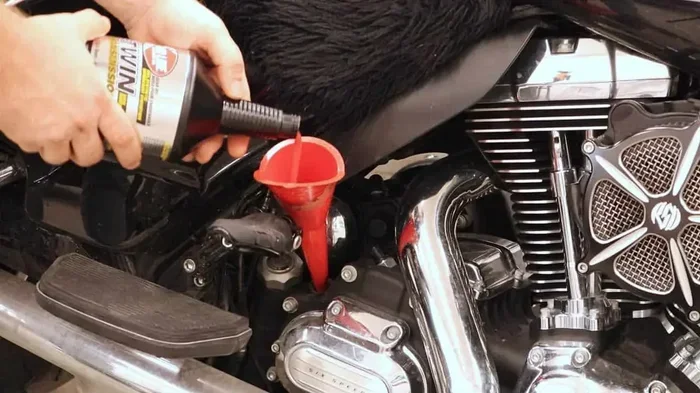
Start with the basics. Drain a small amount of fluid and inspect it. Clean fluid should be reddish and transparent. Dark, burnt-smelling fluid or fluid with metal particles indicates internal wear. Low fluid levels suggest a leak somewhere in the system.
Step 2: Test the Clutch
With the engine off, try shifting through all the gears. They should move smoothly with light pressure. If a gear is hard to engage or feels stuck, the clutch may not be disengaging properly. Check the clutch cable adjustment and inspect the clutch plates for wear.
Step 3: Inspect for Leaks
Look under the bike for any signs of fluid drips or stains. Check the shift shaft seal, drain plug, and housing gasket. Even a small leak can lead to low fluid levels and transmission damage over time.
Step 4: Listen While Riding
Pay attention to sounds while riding. A whine during acceleration could mean worn bearings. A grinding noise when shifting might indicate damaged gear teeth or shift fork issues. Write down when the noise happens and what gear you are in.
Step 5: Seek Professional Help for Complex Issues
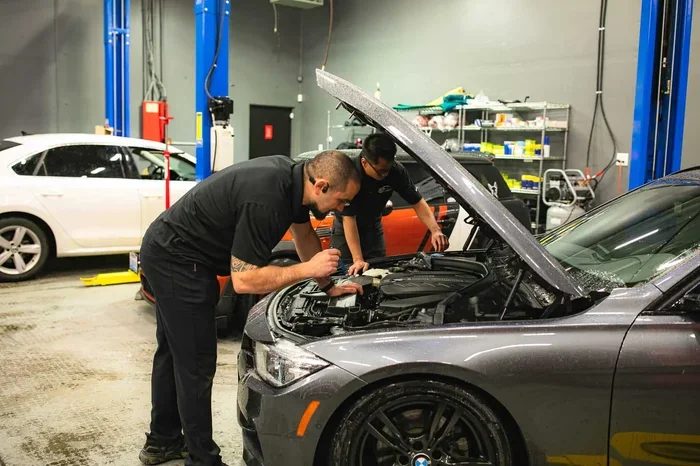
Some problems require a trained technician. If you suspect internal damage like a cracked shift drum or severely worn gear dogs, take your bike to a qualified Harley mechanic. Attempting to fix complex internal issues without the right tools and experience can make things worse.
Prevention Tips for a Healthy Transmission
Preventing transmission problems is far easier and cheaper than repairing them. Follow these tips to keep your Harley-Davidson 5-speed gearbox in top shape.
- Change Transmission Fluid Regularly: Stick to the manufacturer’s recommended interval. Fresh fluid keeps gears cool and reduces wear.
- Check Fluid Levels Monthly: A quick check takes seconds and can prevent major problems from developing silently.
- Shift Smoothly and Gently: Do not force gears into place. Let the clutch do the work and use gentle pressure on the shift lever.
- Avoid Riding in Too Low a Gear: Lugging the engine in too low a gear puts unnecessary stress on the transmission gears.
- Keep the Clutch Cable Properly Adjusted: A well-adjusted cable ensures full clutch engagement and disengagement, reducing gear wear.
- Inspect Seals and Gaskets Periodically: Catching a small leak early prevents fluid loss and internal damage.
- Use Quality Parts for Replacements: When replacing clutch plates, seals, or bearings, use OEM or high-quality aftermarket parts.
Riders who follow a consistent maintenance routine report fewer transmission issues and longer gearbox life. Think of it as an investment in your riding experience. A well-maintained transmission gives you confidence on every ride.
When to Seek Professional Help
Some transmission problems are beyond DIY repairs. Knowing when to call a professional saves you time, money, and frustration. Here are clear signs you need expert help.
If you notice metal shavings in your transmission fluid, stop riding and get the bike inspected. Metal particles inside the gearbox mean internal components are wearing or breaking apart. Continuing to ride in this condition can destroy the entire transmission.
Gear grinding that does not improve with clutch adjustment needs professional diagnosis. A mechanic can inspect the shift forks, gear dogs, and shift drum for wear. They have the tools and expertise to disassemble the transmission and assess internal damage accurately.
Transmission fluid leaks that persist after seal replacement may indicate a cracked housing or a more serious underlying issue. Do not ignore persistent leaks. A small crack can lead to catastrophic fluid loss and transmission failure while riding.
Finally, if you experience sudden loss of gears or the bike refuses to stay in gear, do not ride it. Tow it to a shop. Riding with a damaged transmission can cause secondary damage to the engine and drivetrain, turning a simple repair into an expensive one.
Final Thoughts on Harley-Davidson 5-Speed Transmission Health
Your Harley-Davidson’s 5-speed transmission is the heart of your riding experience. When it works right, you forget it is even there. When it fails, every ride becomes a battle. The good news is that most transmission problems are preventable with proper care and attention.
Start by understanding the common issues we covered today. Gear slipping, harsh shifting, difficulty finding neutral, unusual noises, and fluid leaks are all signals worth taking seriously. Diagnose early, maintain consistently, and know when to call a pro.
Whether you are a first-time Harley owner or a seasoned rider with thousands of miles, your transmission deserves the same care as the rest of your bike. Follow the prevention tips in this guide, stay alert to changes in how your bike shifts, and enjoy the ride. A healthy Harley-Davidson 5-speed transmission means smoother rides, fewer breakdowns, and more miles of pure enjoyment on the road.
For riders looking to understand more about vehicle reliability and quality ratings, check out this guide on 5-star rated cars in India for insights on top-rated vehicles and what makes them reliable choices.
Remember, a little prevention goes a long way. Your transmission will thank you with years of smooth, trouble-free shifting. Ride safe and ride smart.
Frequently Asked Questions
What are the most common Harley-Davidson 5-speed transmission problems?
The most common issues include gear slipping, harsh or clunky shifting, difficulty finding neutral, unusual noises like grinding or whining, and transmission fluid leaks. These problems usually stem from worn clutch plates, low fluid levels, or internal component wear.
How often should I change my Harley 5-speed transmission fluid?
Most Harley-Davidson owners should change their transmission fluid every 10,000 to 15,000 miles. However, if you ride in harsh conditions or carry heavy loads, you may need to change it more frequently. Always use the fluid type recommended by Harley-Davidson.
Can I ride my Harley with a slipping gear?
It is not recommended. Riding with a slipping gear can cause further damage to the transmission and other drivetrain components. Have the bike inspected and repaired before riding again to avoid more expensive repairs.
What causes my Harley to pop out of gear while riding?
Gears popping out during riding usually indicates worn gear dogs or a damaged shift drum. It can also be caused by improper clutch adjustment or excessive free play in the shift mechanism. A mechanic should inspect the transmission internally.
How much does it cost to repair a Harley 5-speed transmission?
Repair costs vary widely depending on the issue. A simple fluid change or clutch adjustment may cost under $100, while a full transmission rebuild can range from $1,500 to $3,000 or more. Getting an early diagnosis helps keep costs down.
Can aftermarket modifications affect my Harley 5-speed transmission?
Yes, aftermarket exhaust, engine upgrades, and performance clutches can all affect transmission behavior. Increased torque from engine modifications puts more stress on the gears, and a performance clutch changes the engagement point. Always ensure your modifications are compatible with your stock transmission.