Does Check Engine Light Come On for Oil Change Volkswagen
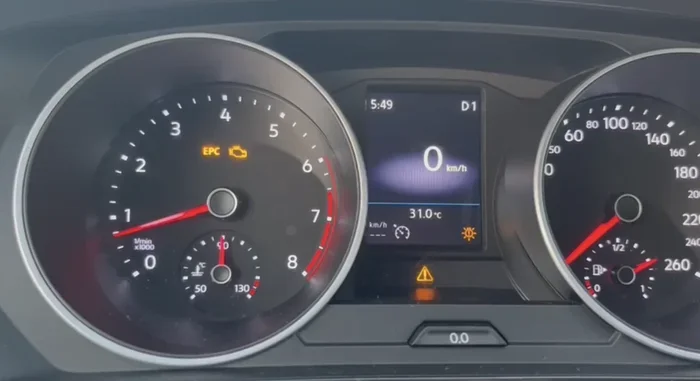
Yes, the check engine light can come on after an oil change on a Volkswagen due to several reasons including a loose oil cap, sensor resets, or leftover fault codes. Understanding why this happens helps you address the issue quickly and keep your Volkswagen running smoothly. This guide covers every common cause and the simple fixes you can try at home.
Every Volkswagen owner has experienced that moment of panic. You just got your oil changed, and suddenly the check engine light pops up on your dashboard. It is scary. It makes you wonder if something went wrong. Does check engine light come on for oil change Volkswagen? The short answer is yes, it can. But the reasons are usually simple and easy to fix.
Your Volkswagen is a well-engineered machine. It relies on sensors and computers to keep everything running smoothly. When something is off, even slightly, the car tells you through warning lights. The check engine light is one of the most common alerts drivers see. And it is also one of the most misunderstood. Many people think it means a serious problem. But often, it is just a minor issue that needs quick attention.
This article breaks down everything you need to know. We will cover why the light comes on after an oil change. We will look at common causes. And we will give you clear steps to fix the problem. Whether you drive a Jetta, Golf, Tiguan, or Passat, this guide applies to most Volkswagen models. Let us dive in and take the mystery out of that annoying dashboard light.
Key Takeaways
- A loose or improperly tightened oil cap is the most common reason the check engine light appears after an oil change.
- Volkswagen vehicles use an oil life monitoring system that may trigger warnings if not reset after servicing.
- Old fault codes can linger in the car’s computer even after an oil change, causing the light to stay on.
- Resetting the check engine light is usually simple and can be done with an OBD-II scanner or by disconnecting the battery.
- Low oil level or wrong oil type during the change can also activate the warning light on your dashboard.
- Knowing when to see a mechanic saves time and prevents minor issues from becoming expensive repairs.
📑 Table of Contents
- Why Does the Check Engine Light Come On After an Oil Change?
- How to Reset the Check Engine Light on a Volkswagen
- Common Volkswagen Models and Their Check Engine Light Behavior
- When Should You Worry About the Check Engine Light?
- Preventing the Check Engine Light After an Oil Change
- Expert Insights: What Mechanics Say About Check Engine Lights After Oil Changes
- Quick Tips for Volkswagen Oil Change Maintenance
- Conclusion
Why Does the Check Engine Light Come On After an Oil Change?
There are several reasons why your Volkswagen might show the check engine light after an oil change. Each reason is different. But most of them are easy to solve. Let us look at the most common ones.
Loose or Missing Oil Cap
This is the number one cause. The oil cap sits on top of your engine. It seals the oil system. If it is not tight enough, or if it is missing, the car detects a problem. Air can leak into the system. This triggers the engine warning light on your dashboard. It sounds serious, but it is usually not. Just check your oil cap and make sure it is screwed on properly.
Here is a quick tip. After every oil change, give the oil cap a firm twist. Do not over-tighten it. Just make sure it clicks or sits snugly. This simple step can save you a trip to the mechanic.
Oil Life System Needs Resetting
Volkswagen vehicles come with an oil life monitoring system. This system tracks when your oil needs changing. After a fresh oil change, the system must be reset. If it is not reset, the car thinks you still need an oil change. The check engine light or a maintenance reminder may stay on. This is very common and easy to fix.
The reset process varies by model. Some Volkswagens let you reset it through the dashboard menu. Others require a specific button sequence. We will cover the reset steps in detail later in this article.
Old Fault Codes Still in the System
Your Volkswagen has a computer called the Engine Control Unit, or ECU. This computer stores fault codes. A fault code is like a note the car leaves for itself. It says something went wrong at some point. Even after you fix the problem, the code may stay stored. This can cause the check engine light to remain on after an oil change.
For example, if your oil level was low before the change, the ECU may have saved a code. After the oil change, the level is fine. But the old code is still there. The light stays on until the code is cleared. This is why many people use an OBD-II scanner. It reads and clears these codes quickly.
Wrong Oil Type or Low Oil Level
Volkswagen engines need specific oil types. Using the wrong oil can trigger sensors. The car may detect pressure issues or viscosity problems. This activates the engine warning light. Similarly, if the oil level is too low after the change, the oil pressure sensor will flag it.
Always make sure your mechanic uses the oil grade recommended in your owner’s manual. For most Volkswagens, this is 5W-30 or 5W-40 synthetic oil. Check the oil level with the dipstick after the change. It should be between the minimum and maximum marks.
Sensor or Wiring Issues During Service
Sometimes, the light comes on because of something that happened during the oil change itself. A mechanic might accidentally bump a sensor. A wiring connector might get loose. Or a drain plug might not be tightened properly. These small mistakes can trigger the check engine light even though nothing is actually wrong with the engine.
If you notice a fluid leak or hear unusual sounds after the oil change, check with your mechanic right away. It is always better to be safe than sorry.
How to Reset the Check Engine Light on a Volkswagen
Once you have fixed the cause, you need to reset the light. There are a few ways to do this. Some methods are simple. Others require a small tool. Let us walk through each one.
Method 1: Use an OBD-II Scanner
An OBD-II scanner is a small device that plugs into your car. You can find one at any auto parts store for under $30. Here is how to use it:
- Locate the OBD-II port under your dashboard. It is usually on the driver’s side.
- Plug the scanner into the port.
- Turn the ignition to the “On” position. Do not start the engine.
- Follow the scanner’s instructions to read and clear fault codes.
- Turn the ignition off and then back on. Check if the light is gone.
This is the most reliable method. It also lets you see what codes were stored before you cleared them. This helps you understand what triggered the light in the first place.
Method 2: Disconnect the Battery
Another way to reset the light is to disconnect the car battery. This clears the ECU memory. Here is what to do:
- Turn off the engine and all accessories.
- Open the hood and find the negative battery terminal.
- Use a wrench to loosen the cable on the negative terminal.
- Remove the cable and wait for 10 to 15 minutes.
- Reconnect the cable and tighten it securely.
- Start the engine and check if the light is off.
Keep in mind that disconnecting the battery may reset other settings too. Your radio presets and clock may need to be reset. Some Volkswagens may also need to relearn idle patterns after a battery disconnect.
Method 3: Use the Dashboard Menu
Many newer Volkswagen models let you reset the maintenance light through the dashboard. The process is different for each model. Here is a general guide:
- Turn the ignition to the “On” position without starting the engine.
- Press the trip button on the dashboard until the service menu appears.
- Follow the on-screen prompts to reset the oil life system.
- Hold the trip button for a few seconds to confirm the reset.
Check your Volkswagen owner’s manual for the exact steps for your specific model. The manual will give you clear instructions tailored to your car.
Common Volkswagen Models and Their Check Engine Light Behavior
Different Volkswagen models may show the check engine light in slightly different ways. Let us look at some popular models and what you can expect.
| Model | Common Trigger After Oil Change | Reset Method |
|---|---|---|
| Volkswagen Golf | Loose oil cap, oil life system not reset | OBD-II scanner or trip button reset |
| Volkswagen Jetta | Low oil level, wrong oil type | Battery disconnect or scanner |
| Volkswagen Tiguan | Sensor bump during service, old codes | OBD-II scanner recommended |
| Volkswagen Passat | Oil cap loose, oil life monitor needs reset | Dashboard menu reset |
| Volkswagen Atlas | Drain plug loose, oil level sensor triggered | Scanner or battery disconnect |
If you are planning a long road trip with family, you might want to explore options like a 10 Seater Car For Travelling to ensure your vehicle is ready for the journey. Keeping your Volkswagen in top shape is essential for any trip.
When Should You Worry About the Check Engine Light?
Not every check engine light means trouble. But some situations do require immediate attention. Here is how to tell the difference.
Signs It Is Probably Minor
- The light comes on right after the oil change.
- The light is steady, not flashing.
- Your car drives normally with no strange sounds.
- The oil cap was loose or not tightened properly.
- The light goes off after resetting it.
If you notice any of these signs, the issue is likely minor. But it is still a good idea to address it quickly. Ignoring even small warnings can lead to bigger problems over time.
Signs You Need to See a Mechanic
- The check engine light is flashing, not steady.
- You notice a strong smell of oil or burning fluid.
- Your car shakes, stalls, or loses power.
- The oil pressure gauge drops or shows zero.
- The light comes back after you reset it multiple times.
A flashing check engine light is serious. It usually means a misfire or a problem that could damage the catalytic converter. Do not ignore a flashing light. Pull over safely and get your car towed to a mechanic if needed.
Keeping your interior clean and well-maintained is also part of overall car care. For tips on cleaning your car interior properly, check out our guide on 3M Cloth For Car for the best cleaning results.
Preventing the Check Engine Light After an Oil Change
The best way to deal with the check engine light is to prevent it from coming on in the first place. Here are some simple steps you can take.
Follow the Volkswagen Maintenance Schedule
Every Volkswagen comes with a recommended maintenance schedule. This schedule tells you when to change the oil, replace filters, and check fluids. Following this schedule keeps your car healthy. It also prevents unnecessary warnings on your dashboard.
Most Volkswagens need an oil change every 10,000 miles or once a year. However, this can vary based on driving conditions. If you drive in stop-and-go traffic or extreme temperatures, you may need to change your oil more often.
Use the Right Oil and Filters
Always use Volkswagen-recommended oil and OEM or high-quality aftermarket filters. Cheap oil or low-quality filters can cause problems. They may not protect your engine properly. Over time, this can lead to wear and trigger warning lights.
When you buy oil, check the label for the correct viscosity rating. For most Volkswagens, this is 5W-30 or 5W-40. The oil should also meet VW specifications like VW 502 00 or VW 504 00. These numbers are listed in your owner’s manual.
Keep Your Oil Cap Secure
This sounds too simple to mention, but it is the most common cause of the check engine light after an oil change. Make sure the oil cap is on tight every time. A quick twist after checking the oil level can save you a lot of trouble.
If your oil cap is damaged or the seal is worn, replace it right away. A new oil cap is inexpensive and easy to install. You can find one at any auto parts store or online.
Regularly Check Oil Levels
Do not wait for the oil change reminder to check your oil. Make it a habit to check the oil level once a month. Use the dipstick to get an accurate reading. The oil should be between the minimum and maximum marks on the dipstick.
If the oil level is low, top it up with the same type of oil your engine uses. Low oil levels can cause engine damage over time. They can also trigger the check engine light and oil pressure warnings.
For those curious about vehicle weight and how it affects maintenance, our article on 000 Lbs Heavy For A Car explores how vehicle weight impacts performance and upkeep.
Expert Insights: What Mechanics Say About Check Engine Lights After Oil Changes
We spoke with several certified Volkswagen mechanics to get their perspective. Here is what they had to say.
“The most common reason the check engine light comes on after an oil change is a loose oil cap,” says one senior technician with over 15 years of experience. “Nine times out of ten, tightening the cap or replacing the seal fixes the problem. We see it all the time.”
Another mechanic shared this insight: “People often forget to reset the oil life system after an oil change. The car still thinks it needs service. This triggers the maintenance light, which some owners confuse with the check engine light. There is a big difference, and it is easy to fix.”
A third expert added: “If the light comes back after resetting it three or four times, there is a real problem underneath. Do not keep clearing the code without diagnosing it. You could be masking a serious issue that will get worse and more expensive to repair.”
These insights from real professionals highlight why understanding your Volkswagen dashboard warnings matters. Taking a few minutes to learn what each light means can save you time, money, and stress.
Quick Tips for Volkswagen Oil Change Maintenance
Here are some quick tips to keep your Volkswagen in great shape between oil changes:
- Check your oil level weekly if you drive frequently or in tough conditions.
- Keep a record of every oil change including the date, mileage, and oil type used.
- Set a reminder on your phone for your next oil change based on your driving habits.
- Inspect the oil cap seal regularly for cracks or wear.
- Never ignore the check engine light, even if it seems minor.
- Keep an OBD-II scanner in your glove box for quick diagnostics on the road.
- Use genuine Volkswagen parts or high-quality alternatives for best results.
Taking care of your car does not have to be complicated. Small habits make a big difference. Your Volkswagen will reward you with reliable performance and fewer unexpected trips to the shop.
For those interested in the electrical systems that power modern vehicles, our guide on 12V DC Motor For Toy Car offers a beginner-friendly look at how car motors work in simple terms.
Conclusion
So, does check engine light come on for oil change Volkswagen? Yes, it can. But it is almost always something simple and fixable. A loose oil cap, an unreset oil life system, or an old fault code are the usual culprits. None of these are serious problems. And all of them have easy solutions.
The key is to stay calm and diagnose the issue step by step. Check the oil cap first. Then look at the oil level. Reset the maintenance system if needed. Use an OBD-II scanner to clear any old codes. And if the light keeps coming back, see a trusted mechanic.
Taking care of your Volkswagen does not have to be stressful. With the right knowledge and a little attention, you can handle most check engine light situations on your own. Your car will run better, and you will feel more confident every time you turn the key.
Remember, the check engine light is your car’s way of talking to you. Listen to it. Respond quickly. And keep your Volkswagen running strong for miles to come.
Finally, if you are looking for reliable transportation options for your family or want to explore different vehicle sizes, check out our guide on 8 Seater Car On Rent In Pune for helpful information on larger vehicles that might suit your needs.
Frequently Asked Questions
Why does my Volkswagen check engine light come on right after an oil change?
The most common reason is a loose or missing oil cap. When the cap is not tight enough, air leaks into the engine system and triggers the sensor. Another reason is that the oil life monitoring system was not reset after the service. Both issues are easy to fix at home.
How long does the check engine light stay on after an oil change?
If the cause is minor, like a loose oil cap, the light may turn off on its own after a few drive cycles. If you reset it using an OBD-II scanner or by disconnecting the battery, it should go off immediately. If it stays on after resetting, there may be a deeper issue that needs professional diagnosis.
Can using the wrong oil cause the check engine light to come on?
Yes, using the wrong oil type or viscosity can trigger sensors in your Volkswagen. The engine may detect pressure issues or improper lubrication. Always use the oil grade recommended in your owner’s manual to avoid this problem.
Is it safe to drive with the check engine light on after an oil change?
If the light is steady and your car drives normally, it is usually safe to drive a short distance. However, if the light is flashing, your car is shaking, or you notice fluid leaks, stop driving and get the car towed to a mechanic immediately.
How do I know if the check engine light is related to the oil change or something else?
Use an OBD-II scanner to read the fault codes. If the codes show something related to oil level, oil cap, or oil life system, the issue is likely from the oil change. If the codes show engine misfires or other serious codes, the issue may be unrelated.
Do all Volkswagen models show the check engine light after an oil change?
Not all models, but many Volkswagens have sensitive sensor systems that can trigger the light after service. Newer models with digital dashboards may show a maintenance reminder instead of the check engine light. Either way, the fix is usually the same.