Can You Flat Tow a Kia Soul Everything You Need to Know
Yes, you can flat tow a Kia Soul, but it depends on your model year and drivetrain. Flat towing lets you tow your car behind an RV or another vehicle without lifting it onto a trailer. We will walk you through everything you need to know, from the right equipment to step-by-step setup and safety tips that keep you safe on the road.
Key Takeaways
- Not all Kia Soul models can be flat towed: Check your drivetrain and owner’s manual before you tow.
- The right tow bar or dolly is essential: Using the wrong equipment can damage your transmission.
- Always follow speed limits and distance rules: Most manufacturers recommend staying under 55 mph and limiting tow distance.
- Braking and lighting are non-negotiable: Your towed Kia Soul needs its own braking system and working lights.
- Flat towing saves time and money: It is simpler and cheaper than using a flatbed for every trip.
📑 Table of Contents
- Can You Flat Tow a Kia Soul? The Complete Guide
- Understanding Flat Towing and Why It Matters
- Can You Flat Tow a Kia Soul? The Answer
- The Right Equipment for Flat Towing a Kia Soul
- Step-by-Step Guide to Flat Towing a Kia Soul
- Common Mistakes People Make When Flat Towing
- Expert Tips for Safe Flat Towing
- Key Takeaways
- Conclusion
Can You Flat Tow a Kia Soul? The Complete Guide
Flat towing is a popular way to bring your car along on road trips. You hook it up behind an RV or a truck and drive away. But not every car is built for this. The Kia Soul is a fun, compact crossover that many people love. But can you flat tow a Kia Soul safely? The short answer is yes, with some important caveats. Your model year and drivetrain matter a lot. In this guide, we will break down everything you need to know. We will cover the right equipment, step-by-step instructions, and the mistakes that can cost you big money.
Flat towing means pulling your car with all four wheels on the ground. This is different from using a car dolly or a flatbed trailer. When you flat tow, your engine is off but the wheels are still turning. That rotation can affect your transmission if you are not careful. The Kia Soul is a front-wheel drive vehicle in most trims. This makes it more compatible with flat towing than rear-wheel drive or all-wheel drive models. Still, you must follow the manufacturer’s guidelines to the letter.
Many RV owners love the idea of flat towing because it gives them a second vehicle at their destination. Imagine arriving at a campsite and having your car ready to go for grocery runs or exploring nearby trails. It is convenient, cost-effective, and practical. But convenience only works if you do it the right way. Towing the wrong way can cause serious transmission damage. That repair bill can easily reach several thousand dollars. So let us make sure you do this correctly.
Before we dive into the details, let us answer the most common question: can you flat tow a Kia Soul? For most front-wheel drive models, the answer is yes. But you need to check your specific year and trim. Some models have restrictions. Always refer to your owner’s manual first. That small book holds the key to safe towing.
The Kia Soul has been a favorite among compact car buyers since it launched. Its boxy design, spacious interior, and fuel efficiency make it a great choice for daily driving and adventures alike. But when it comes to towing, not all features work the same way behind another vehicle. Understanding your car’s limits is the first step toward a safe and successful flat tow.
Understanding Flat Towing and Why It Matters
What Is Flat Towing?
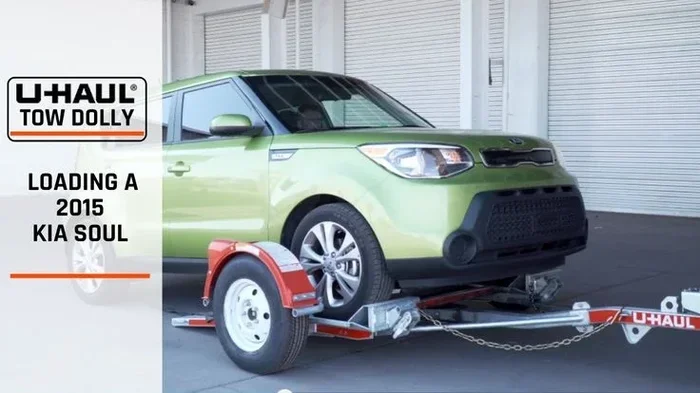
Flat towing is also called “dinghy towing” or “four-down towing.” It means your towed vehicle stays on the ground the entire time. All four wheels roll behind the tow vehicle. A tow bar connects the two vehicles. This setup is different from dolly towing, where two wheels sit on a dolly platform. It is also different from flatbed towing, where the entire car is lifted onto a trailer.
Flat towing is popular among RV enthusiasts. It allows you to have a separate vehicle at your campsite without needing a trailer. The setup is simple. You connect the tow bar, plug in the wiring, and go. But simplicity does not mean you can skip the rules. Every vehicle has specific towing requirements. The Kia Soul is no exception.
When you flat tow, your car’s transmission is still in motion. Even though the engine is off, the wheels turning can spin the transmission components. If your car is not designed for this, the lack of lubrication can cause overheating and wear. This is why following manufacturer guidelines is so important.
Why Flat Towing the Right Way Is Critical
Getting flat towing wrong can lead to expensive repairs. The transmission is the most vulnerable part. Without proper lubrication while the wheels turn, gears and clutches can wear out fast. Some cars have a transfer case that also needs attention during flat towing. The braking system, steering column, and electrical systems all play a role too.
Safety on the road is another big concern. A towed vehicle that comes disconnected can cause a serious accident. Proper equipment, secure connections, and working lights are not optional. They are essential. You also need to follow speed limits and distance recommendations. Most manufacturers cap flat towing at 55 miles per hour. Going faster increases wear and risk.
Can You Flat Tow a Kia Soul? The Answer
What the Owner’s Manual Says
The best place to find your answer is the owner’s manual. Every Kia Soul comes with a manual that includes towing guidelines. Look for the section on “Towing” or “Recreational Vehicle Towing.” This section will tell you whether your specific model can be flat towed and under what conditions.
For most Kia Soul models, the manual allows flat towing with all four wheels on the ground. But there are conditions. Your car must be in the right gear. The ignition must be in the accessory position. You may need to shift the transaxle to neutral. Always follow these steps exactly as written in the manual.
If you do not have your owner’s manual, you can find a digital copy on the Kia website. You can also contact a Kia dealership with your VIN number. They can pull up the exact towing specifications for your vehicle. Do not guess. Guessing can lead to costly damage.
Front-Wheel Drive vs All-Wheel Drive Models
The drivetrain of your Kia Soul matters a lot for flat towing. Most Kia Soul models are front-wheel drive. These are generally compatible with flat towing because the front wheels do the driving and the rear wheels spin freely. This is the simplest setup for four-down towing.
However, if you have an all-wheel drive Kia Soul, the rules change. AWD vehicles send power to all four wheels. Flat towing an AWD vehicle can damage the transfer case and transmission. In most cases, AWD Kia Souls must be towed on a flatbed or with a car dolly. Check your manual to confirm your drivetrain and towing requirements.
The weight of your vehicle also plays a role. The Kia Soul is relatively light for a crossover, which helps with towing. But if you are adding gear or passengers, the total weight increases. Heavier loads can affect towing stability and braking performance. Keep this in mind when planning your trip.
The Right Equipment for Flat Towing a Kia Soul
Tow Bars and Their Types
A tow bar is the main piece of equipment you need for flat towing. It connects the tow vehicle to the Kia Soul. There are different types of tow bars. A portable tow bar folds down for easy storage. A fixed tow bar is more rigid and durable. Both work well for the Kia Soul. Choose one that is rated for your vehicle’s weight.
When picking a tow bar, check the weight rating carefully. The Kia Soul has a curb weight of around 2,600 to 2,800 pounds depending on the trim. Your tow bar must handle this weight plus any additional gear you are carrying. If you are unsure about weight limits, check resources that explain what 000 lbs heavy for a car means and how it affects towing equipment choices.
Look for tow bars with a universal base plate system. This makes installation easier and more secure. Many tow bars also come with safety cables as a backup connection. Always use them. They add an extra layer of protection in case the tow bar fails.
Braking and Lighting Systems
Your towed Kia Soul needs its own braking system when flat towing. Most states and provinces require the towed vehicle to have auxiliary brakes. These brakes activate when the tow vehicle slows down. You can install a portable braking system or a permanently mounted one. The portable option is easier to set up and remove.
Lighting is equally important. The Kia Soul’s tail lights, brake lights, and turn signals must be visible to drivers behind you. Use a wiring harness that connects the tow vehicle’s lights to the towed vehicle. This ensures other drivers can see when you are stopping or turning. It is also a legal requirement in most places.
Do not skip the mirrors either. Your tow vehicle needs extended mirrors to see past the Kia Soul. Limited visibility is one of the biggest challenges when flat towing. Good mirrors make a huge difference in safety and confidence on the road.
Step-by-Step Guide to Flat Towing a Kia Soul
Step 1: Prepare the Kia Soul
Start by parking the Kia Soul on a level surface. Turn off the engine and remove the key. Shift the transaxle into neutral. This is critical. If the transaxle is in park or any drive gear, flat towing will cause transmission damage. Double-check that it is in neutral before you proceed.
Next, turn the ignition to the accessory position. This unlocks the steering wheel. When the tow vehicle turns, the Kia Soul’s steering will follow. If the ignition is off, the locked steering column can cause damage to the steering system. Always set the ignition to accessory during flat towing.
Step 2: Attach the Tow Bar
Connect the tow bar to the Kia Soul using the base plate. Follow the manufacturer’s instructions for your specific tow bar model. Make sure all bolts and pins are secure. Give each connection a firm tug to test it. Nothing should wobble or feel loose.
Then attach the other end of the tow bar to the tow vehicle. Again, check all connections. The tow bar should sit level between the two vehicles. If it is tilted too much, adjust the height. A level tow bar distributes weight evenly and reduces stress on both vehicles.
Step 3: Connect Safety Cables and Wiring
Attach the safety cables to both vehicles. Cross the cables underneath the tow bar. This prevents the tow bar from dropping to the ground if it disconnects. The cables should be taut but not so tight that they limit movement.
Plug in the wiring harness for the lights. Test all the lights on the Kia Soul before you start driving. Have someone stand behind the vehicle and check the brake lights, turn signals, and tail lights. Fix any issues before you hit the road.
Step 4: Drive Safely
Once everything is connected, you are ready to drive. Keep your speed under 55 miles per hour. This is the standard limit for flat towing. Higher speeds increase wear on the tires and transmission. Take turns slowly and avoid sudden braking.
Check the Kia Soul periodically during your trip. Stop every 50 to 100 miles to inspect the connections. Look for any signs of looseness or wear. A quick check can prevent a big problem later. Also, monitor the temperature of the Kia Soul’s transmission if you have access to that information.
Common Mistakes People Make When Flat Towing
Skipping the Owner’s Manual
The biggest mistake is not reading the owner’s manual. Every vehicle has specific towing instructions. Skipping this step can void your warranty and cause damage. The manual tells you exactly how to flat tow your Kia Soul safely. Take 15 minutes to read it. It could save you thousands of dollars in repairs.
Using the Wrong Tow Bar
Not all tow bars are created equal. Using a tow bar that is not rated for your vehicle’s weight is dangerous. It can bend, break, or fail under stress. Always choose a tow bar that meets or exceeds your Kia Soul’s weight. Look for brands with good reviews and solid warranties.
Forgetting Auxiliary Brakes
Many people forget to install auxiliary brakes on the towed vehicle. This is a mistake on two levels. First, it is illegal in most jurisdictions. Second, it is dangerous. Without auxiliary brakes, the Kia Soul will push against the tow bar when you slow down. This can cause the tow bar to detach or the tow vehicle to lose control.
Ignoring Tire Condition
Your Kia Soul’s tires are the only contact point with the road during flat towing. Worn or underinflated tires increase the risk of a blowout. Check tire pressure before every trip. Replace tires that have low tread. Good tires are a small investment that pays off in safety.
Expert Tips for Safe Flat Towing
Practice your setup at home before your first trip. Set up the tow bar, connect everything, and drive a short distance in a safe area. This helps you get comfortable with the process. It also lets you spot any issues before you are on a busy highway.
Keep a towing checklist in your glove box. Write down every step you need to follow. Include checking the transaxle, ignition position, tow bar connections, safety cables, and lights. A checklist prevents you from forgetting something important. It also saves time on every trip.
Invest in a quality tow bar from a reputable brand. Cheap tow bars may save money upfront but can fail when you need them most. Look for bars with anti-rattle features, easy installation, and strong weight ratings. Brands like Roadmaster, Blue Ox, and Demco are popular choices among RV owners.
Consider joining an online forum or community for Kia Soul owners. Other owners share their towing experiences and tips. You can learn from their successes and mistakes. It is a great way to pick up practical advice that you will not find in a manual.
Finally, always keep your Kia Soul well-maintained. Regular oil changes, transmission fluid checks, and tire rotations all contribute to a smooth towing experience. A well-maintained vehicle handles the stress of towing much better than a neglected one.
Key Takeaways
- Flat towing a Kia Soul is possible: Most front-wheel drive models are compatible when done correctly.
- Check your owner’s manual first: It contains the official towing guidelines for your specific model.
- Use the right equipment: A properly rated tow bar, auxiliary brakes, and a wiring harness are non-negotiable.
- Follow speed and distance limits: Stay under 55 mph and inspect connections every 50 to 100 miles.
- Avoid common mistakes: Skipping the manual, using the wrong tow bar, and forgetting brakes are top errors to avoid.
- Practice before your trip: A dry run at home builds confidence and reveals potential issues early.
Conclusion
So, can you flat tow a Kia Soul? Yes, you can, and it is a great way to bring your car along on adventures. But success depends on doing it the right way. Check your owner’s manual, use the proper equipment, and follow every safety guideline. Flat towing a Kia Soul is straightforward once you know the steps. The key is preparation and attention to detail.
Do not let the convenience of flat towing make you lazy. Every connection matters. Every speed limit exists for a reason. Every safety cable and brake system is there to protect you and your vehicle. Take the time to set up correctly. Your Kia Soul will thank you with years of reliable service.
Now that you know the answer to “can you flat tow a Kia Soul,” you are ready to plan your next road trip. Gather your equipment, review the steps, and hit the road with confidence. Happy towing!
Frequently Asked Questions
Can all Kia Soul models be flat towed?
Most front-wheel drive Kia Soul models can be flat towed, but all-wheel drive models usually cannot. Always check your owner’s manual for the specific towing guidelines for your model year and trim.
What speed should I drive when flat towing a Kia Soul?
Most manufacturers recommend staying at or below 55 miles per hour when flat towing. Driving faster increases wear on the tires and transmission and reduces overall safety on the road.
Do I need auxiliary brakes for flat towing a Kia Soul?
Yes, auxiliary brakes are required in most states and provinces. They ensure the towed Kia Soul slows down when the tow vehicle brakes. Without them, the towed vehicle will push against the tow bar, which is dangerous and often illegal.
Can I flat tow a Kia Soul with a manual transmission?
Yes, manual transmission Kia Soul models can generally be flat towed. You simply shift into neutral and set the ignition to accessory. Always double-check your owner’s manual for the specific procedure.
How far can I drive when flat towing a Kia Soul?
There is no strict distance limit for flat towing a Kia Soul, but you should stop every 50 to 100 miles to inspect all connections. Long distances are fine as long as you check your setup regularly and stay within the recommended speed limit.
What equipment do I need to flat tow a Kia Soul?
You need a tow bar rated for your vehicle’s weight, a base plate specific to the Kia Soul, safety cables, a wiring harness for lights, and an auxiliary braking system. Some owners also use extended mirrors for better visibility.