Are Hyundai OEM Parts Legit Here Is What You Need to Know
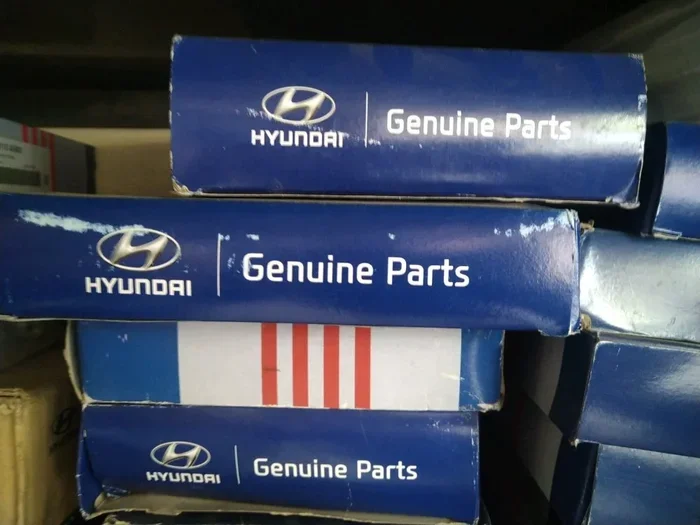
Hyundai OEM parts are 100% legitimate and manufactured by Hyundai itself. These genuine Hyundai parts meet strict OEM quality standards and are designed specifically for your vehicle. Using genuine Hyundai parts helps maintain safety, performance, and your Hyundai warranty coverage.
Have you ever wondered whether the parts sold under the Hyundai name are actually real? It is a fair question. The auto parts market is huge, and not every seller is honest. Some parts look real but are not. Others are clearly fake. This guide breaks down everything you need to know about Hyundai OEM parts. We will cover what they are, why they matter, how to spot fakes, and where to buy them safely.
If you own a Hyundai, you already know these vehicles are built to last. But keeping them running well depends on using the right parts. Genuine Hyundai parts are designed to work perfectly with your car. They are not generic replacements. They are the exact parts that came out of the factory. So let us dive in and answer the big question once and for all.
Key Takeaways
- OEM parts are genuine: They come directly from Hyundai and match the parts installed in your new vehicle.
- Aftermarket parts vary widely: Some are great, but others are low quality and may not fit properly.
- Fake parts are a real problem: Counterfeit auto parts can damage your engine and void your warranty.
- Genuine parts come with warranty: Hyundai OEM parts are backed by a manufacturer warranty that aftermarket parts lack.
- Buy from trusted sources: Hyundai dealers and authorized parts sellers are the safest places to purchase OEM parts.
- OEM parts protect resale value: Using genuine parts keeps your Hyundai running at factory-level performance.
📑 Table of Contents
- What Are Hyundai OEM Parts?
- Why Do People Doubt OEM Parts?
- OEM Parts vs Aftermarket Parts
- How to Spot Fake Hyundai Parts
- The Benefits of Genuine Hyundai OEM Parts
- Where to Buy Authentic Hyundai OEM Parts
- Quick Tips for Buying Hyundai OEM Parts
- Common Mistakes People Make When Buying Parts
- Expert Insights on Hyundai OEM Parts
- Final Thoughts
What Are Hyundai OEM Parts?
OEM stands for Original Equipment Manufacturer. When Hyundai builds a car, it does not make every single part by itself. Instead, it partners with specialized suppliers. These suppliers make parts that Hyundai then approves and installs in their vehicles. Those approved parts are called OEM parts.
When you buy a Hyundai OEM part, you are getting the same part that was in your car when it rolled off the assembly line. The part number matches. The material matches. The fit and function match exactly. This is different from aftermarket parts, which are made by third-party companies.
How OEM Parts Are Made
Hyundai sets very strict OEM quality standards. Every part goes through testing. Suppliers must meet exact specifications for size, material, and performance. If a part does not pass, it does not get used. This is why Hyundai OEM parts are so reliable.
Think of it this way. When you buy a phone charger from the phone maker, it works perfectly. When you buy a cheap knockoff, it might not fit right or could even damage your phone. The same idea applies to car parts. Genuine Hyundai parts are the official chargers for your car.
Why Do People Doubt OEM Parts?
It is easy to see why some people question whether Hyundai OEM parts are real. The auto parts world can be confusing. There are many brands, many sellers, and many prices. Some parts look almost identical but cost very different amounts. This naturally makes people wonder what is going on.
Another reason for doubt is marketing. Some aftermarket brands spend a lot of money on ads. They claim their parts are “just as good” as OEM. And sometimes they are. But not always. The truth is that genuine Hyundai parts come with a level of quality control that most aftermarket brands cannot match.
Some car owners also worry about price. OEM parts can cost more than aftermarket options. But that higher price reflects the quality and precision of the part. It also reflects the warranty backing that comes with Hyundai OEM parts. More on that later.
The Role of Brand Trust
Trust plays a big role in this conversation. When you buy a Hyundai OEM part, you trust the Hyundai brand. And Hyundai has built a strong reputation over the decades. Their vehicles are known for reliability and value. The same care that goes into building Hyundai cars goes into making their parts.
This is similar to how cars from Japan have earned a reputation for reliability and quality manufacturing. Just as Japanese brands maintain strict standards for their vehicles, Hyundai holds its OEM parts to the same high bar. You can trust that the part you are buying was made with the same attention to detail that goes into the vehicle itself.
OEM Parts vs Aftermarket Parts
The debate between OEM and aftermarket parts is one of the biggest topics in car maintenance. Both types have pros and cons. But for Hyundai owners, the choice is pretty clear. Let us break it down.
What Are Aftermarket Parts?
Aftermarket parts are made by companies other than Hyundai. They are designed to fit your vehicle, but they are not the exact same part. Some aftermarket parts are excellent. Others are low quality. The problem is you never really know what you are getting until you install it.
Aftermarket parts can be cheaper. That is their main draw. But cheaper does not always mean better. A cheap part might wear out fast. It might not fit correctly. It could even cause damage to other parts of your car.
Where OEM Parts Win
Hyundai OEM parts win in several key areas:
- Perfect fit: They are made to match your exact vehicle model and year.
- Quality materials: Hyundai uses the same materials the factory uses.
- Warranty protection: OEM parts come with a manufacturer warranty.
- Safety: Genuine parts meet all safety standards set by Hyundai.
- Resale value: Using OEM parts helps maintain your car’s value.
When it comes to safety-critical parts like brakes, suspension components, and structural body panels, you always want to use genuine Hyundai parts. These parts are engineered to protect you and your passengers. Using fake or low-quality alternatives can put your safety at risk. This is especially important if you drive a vehicle like a Hiace van, where passenger safety depends on every part working correctly.
A Quick Comparison Table
| Feature | Hyundai OEM Parts | Aftermarket Parts |
|---|---|---|
| Fit and Finish | Perfect match | Varies by brand |
| Quality Control | Strict Hyundai standards | Varies widely |
| Warranty | Yes, manufacturer backed | Rarely included |
| Pricing | Higher upfront cost | Lower upfront cost |
| Longevity | Matches factory lifespan | Often shorter lifespan |
| Safety Compliance | Full compliance | Not always guaranteed |
The bottom line is that Hyundai OEM parts are the safer and smarter choice for most owners. Yes, they cost more upfront. But they last longer, perform better, and protect your warranty. That saves you money in the long run.
How to Spot Fake Hyundai Parts
Counterfeit auto parts are a growing problem worldwide. Fake parts can look very convincing. They may even come in packaging that looks official. But they are not the real deal. Knowing how to spot them is essential.
Red Flags to Watch For
Here are some warning signs that a part might not be genuine:
- Price that seems too good to be true: If a part costs much less than other sellers, be suspicious.
- Missing part numbers: Every OEM part number should be clearly printed on the part and its packaging.
- Poor packaging: Genuine Hyundai dealer parts come in quality packaging with clear labeling.
- No warranty information: Real OEM parts include warranty details.
- Seller is not authorized: Only buy from Hyundai dealers or authorized parts sellers.
Check the Part Number
Every Hyundai OEM part has a unique part number. You can find this number in your owner’s manual or by asking your Hyundai service center. Before you buy, verify the part number matches. If it does not, walk away.
You can also check the part number on Hyundai’s official website or by calling your local dealer. This is one of the easiest ways to confirm authenticity. Do not skip this step, especially for important parts like Hyundai engine parts or Hyundai body parts.
Buy from Trusted Sources
The safest way to buy genuine Hyundai parts is directly from a Hyundai dealer or authorized online parts retailer. These sellers have access to the official parts catalog. They can verify every part before it ships to you.
Avoid buying from unknown sellers on random websites or social media platforms. If the deal looks too good to be true, it probably is. Your Hyundai vehicle maintenance depends on using the right parts.
The Benefits of Genuine Hyundai OEM Parts
Using Hyundai OEM parts comes with many real benefits. Let us look at why they are worth the investment.
1. Perfect Fit and Function
OEM parts are made for your specific vehicle. They fit exactly as the original part did. There is no guessing, no adjusting, and no compromise. This means your car runs the way Hyundai intended it to run.
2. Warranty Protection
This is a big one. When you use Hyundai OEM parts for repairs, your Hyundai warranty coverage stays intact. If you use non-OEM parts and something goes wrong, Hyundai may deny your warranty claim. That can cost you thousands of dollars.
Keep in mind that using non-genuine parts can affect your entire vehicle, not just the replaced part. For example, if a fake part damages your engine, you could lose coverage for engine repairs too. That is a risk not worth taking.
3. Safety and Reliability
Hyundai designs every part with safety in mind. Genuine Hyundai parts undergo rigorous testing. They meet all safety regulations and performance standards. When you use OEM parts, you know your vehicle is as safe as it was the day you bought it.
This is especially true for safety-critical components. Brake pads, airbags, steering parts, and suspension components all need to work perfectly. Using anything less than certified auto parts from Hyundai puts you and your family at risk.
4. Long-Term Savings
Yes, Hyundai parts pricing for OEM parts is higher than aftermarket options. But think about the long game. OEM parts last longer. They do not need to be replaced as often. And they protect your warranty, which saves you from expensive repair bills.
In the end, Hyundai OEM parts often cost less over time than cheaper alternatives that wear out quickly or cause damage to other components.
5. Maintains Resale Value
If you ever plan to sell your Hyundai, using OEM parts matters. Buyers and dealers look for evidence that a car was maintained properly. Records of Hyundai service center visits with genuine parts boost your car’s value. It shows you took care of the vehicle the right way.
Where to Buy Authentic Hyundai OEM Parts
Now that you know why OEM parts matter, let us talk about where to buy them. The source matters just as much as the part itself.
Hyundai Dealers
Your local Hyundai dealer is the best place to buy genuine Hyundai parts. They have direct access to Hyundai’s parts inventory. Every part they sell is authentic and backed by the manufacturer. Yes, the price might be slightly higher than some online sellers. But you get peace of mind and warranty protection.
Authorized Online Retailers
Some online retailers are authorized to sell Hyundai OEM parts. These websites often have competitive prices and convenient shipping. Just make sure the retailer is officially authorized. You can verify this by checking with your local Hyundai dealer.
What to Avoid
Steer clear of these when shopping for parts:
- Unauthorized online marketplaces with no verification process
- Sellers who cannot provide part numbers or proof of authenticity
- Parts that come without any warranty or guarantee
- Social media sellers offering deals that seem too good to be true
Remember, the quality of your Hyundai repair parts directly affects how well your car runs. Taking shortcuts here can lead to bigger problems down the road.
Quick Tips for Buying Hyundai OEM Parts
Here are some fast tips to keep in mind when shopping for parts:
- Always verify the part number before purchasing.
- Buy from Hyundai dealers or authorized sellers only.
- Check for proper packaging and labeling.
- Ask for a warranty on every part you buy.
- Keep your receipts and part numbers for your records.
- When in doubt, call your local Hyundai service center for help.
- Do not let price be the only factor when choosing parts.
These simple steps will help you avoid counterfeit parts and ensure your Hyundai gets the care it deserves. Following these tips is one of the best things you can do for your vehicle’s long-term health.
Common Mistakes People Make When Buying Parts
Even well-meaning car owners make mistakes when buying parts. Here are the most common ones to avoid.
Choosing Price Over Quality
The cheapest option is not always the best. A low price often means low quality. Fake or poorly made parts can cause serious damage to your vehicle. Always prioritize quality and authenticity over savings.
Ignoring Part Numbers
Every Hyundai model uses specific parts with unique numbers. Buying a part without checking the number is a recipe for trouble. The part might not fit, or it might not work correctly. Always double-check before you buy.
Skipping the Warranty
If a seller cannot offer a warranty, that is a red flag. Genuine Hyundai OEM parts always come with some form of warranty. No warranty means the seller may not stand behind the product.
Not Consulting Your Service Center
Your Hyundai service center is a valuable resource. They can help you find the right part and confirm its authenticity. Do not be afraid to ask questions. That is what they are there for.
Expert Insights on Hyundai OEM Parts
Industry experts agree that using OEM parts is the best choice for vehicle maintenance. According to automotive professionals, aftermarket parts can be a good option for non-critical components like cosmetic trim or accessories. But for anything that affects safety, performance, or engine function, OEM parts are the way to go.
Experts also point out that the Hyundai warranty coverage is designed with OEM parts in mind. When you stick with genuine parts, you get the full benefit of that warranty. This is a huge advantage that aftermarket parts simply cannot offer.
One thing experts stress is that vehicle safety should never be compromised. Just as you would want to know Are Hiace Vans Safe before purchasing or maintaining one, you should understand the safety implications of every part you install. OEM parts give you that confidence because they meet the exact same standards as the parts installed at the factory.
Additionally, the overall reliability of vehicles from major manufacturers is tied directly to the quality of their OEM parts. Much like the reputation that cars from Japan have built over decades, Hyundai has established itself as a brand that delivers consistent quality and value. This reputation is built on using genuine parts throughout the manufacturing and maintenance process.
The bottom line from experts is simple: invest in OEM parts. The extra cost is worth the protection, performance, and peace of mind it provides.
Final Thoughts
So, are Hyundai OEM parts legit? Absolutely. They are genuine, high-quality, and backed by the manufacturer. They fit perfectly, perform reliably, and keep your warranty intact. Using genuine Hyundai parts is one of the smartest decisions you can make as a car owner.
Do not let the lower prices of aftermarket or counterfeit parts tempt you. The risks are real. Fake parts can damage your engine, compromise your safety, and void your warranty. Stick with OEM parts from trusted sources, and your Hyundai will keep running strong for years to come.
Take the time to verify your parts, buy from authorized sellers, and keep your maintenance records. Your Hyundai deserves the best. And Hyundai OEM parts are exactly that.
Frequently Asked Questions
Are Hyundai OEM parts more expensive than aftermarket parts?
Yes, Hyundai OEM parts usually cost more upfront than aftermarket alternatives. However, they last longer, fit better, and protect your warranty. Over time, the higher upfront cost often saves you money by preventing repeat repairs and avoiding warranty voids.
Can I use aftermarket parts and still keep my Hyundai warranty?
It depends on the part and the issue. Using non-OEM parts can sometimes lead to warranty denials if the part is linked to a failure. To stay safe, always use genuine Hyundai parts for repairs, especially for safety-critical and engine-related components.
How do I verify a Hyundai part is genuine?
Check the part number against Hyundai’s official catalog. Buy only from Hyundai dealers or authorized parts sellers. Genuine parts come with proper packaging, clear labeling, and a manufacturer warranty. If anything seems off, contact your local Hyundai service center.
What happens if I install fake or counterfeit Hyundai parts?
Fake parts can cause poor performance, premature wear, and even safety hazards. They may also void your Hyundai warranty coverage. If a counterfeit part damages other components, you could face costly repairs that are not covered by your warranty.
Do Hyundai OEM parts come with a warranty?
Yes, Hyundai OEM parts come with a manufacturer warranty. This warranty covers defects in materials and workmanship. It gives you peace of mind knowing that the part you are installing is backed by Hyundai itself.
Are OEM parts worth the extra cost for older Hyundai models?
Absolutely. Even for older vehicles, OEM parts ensure the best fit and performance. They help maintain the safety and reliability of your car. Using genuine Hyundai parts also preserves your vehicle’s resale value, which matters no matter the age of the car.
=== CONCLUSION ===
Hyundai OEM parts are 100% legit, genuine, and worth every penny. They are the foundation of proper Hyundai vehicle maintenance. From perfect fit to warranty protection, OEM parts deliver what aftermarket parts cannot. Always buy from trusted sources, verify part numbers, and never compromise on quality. Your Hyundai was built to last, and using genuine Hyundai parts ensures it stays that way.