How Long Can You Drive a Deceased Persons Car Legally
You can typically drive a deceased persons car for a short period after their passing, but the exact timeframe depends on state laws, probate status, and insurance coverage. Most states allow the executor or surviving spouse to operate the vehicle while the estate is being settled. However, driving without proper title transfer or insurance can lead to fines, legal trouble, or coverage denial. This guide walks you through the legal timeline, insurance rules, and step-by-step actions you need to take when handling a deceased loved ones vehicle.
Losing a loved one is incredibly hard. On top of the emotional weight, you also have to handle practical matters like finances, paperwork, and belongings. One question that often comes up during this difficult time is: how long can you drive a deceased persons car legally. The answer is not as simple as a yes or no. It depends on several factors, including state laws, the probate process, and whether the vehicle has proper insurance coverage.
Many people assume they can just keep driving the car for as long as they want. That is a risky assumption. Driving a deceased owners vehicle without following the right steps can lead to serious legal and financial consequences. In this article, we will break down everything you need to know about driving a car after the owner dies. We will cover the legal timeline, insurance requirements, title transfer rules, and common mistakes to avoid.
Whether you are the surviving spouse, an adult child, or the executor of the estate, this guide will help you navigate the process with confidence. Let us get into it.
Key Takeaways
- Short-Term Driving Is Usually Allowed: Most states permit driving a deceased persons car temporarily while probate or estate proceedings are underway.
- Insurance Must Remain Active: You need valid coverage to drive legally, even if the car belongs to the estate.
- Title Transfer Has a Deadline: Each state sets its own window for transferring a car title after the owner dies.
- Probate Status Matters: Whether the estate goes through probate affects how long and under what conditions you can drive the vehicle.
- Executor or Spouse Has Priority: The legal executor or surviving spouse typically has the right to drive and manage the deceaseds car.
- Driving Without Proper Documentation Can Result in Penalties: Fines, impoundment, or insurance claims denial are real risks.
- Act Quickly to Avoid Complications: The sooner you handle title transfer and insurance updates, the smoother the process will be.
📑 Table of Contents
- What Happens to a Car When Someone Dies
- How Long Can You Legally Drive a Deceased Persons Car
- Insurance Considerations for Deceased Owner Vehicles
- Transferring the Car Title After Death
- Common Mistakes People Make With Deceased Owners Vehicles
- Step-by-Step Guide for Handling a Deceased Persons Car
- Expert Insights on Deceased Vehicle Handling
- Key Takeaways
- Conclusion
What Happens to a Car When Someone Dies
When a person passes away, their assets become part of their estate. A car is no exception. The vehicle does not just disappear, and it does not automatically go to a family member. There is a legal process that determines who gets the car and what happens to it in the meantime.
The Role of the Estate
The estate includes everything the deceased person owned. This covers bank accounts, property, personal belongings, and vehicles. A car titled in the deceased persons name becomes an estate asset. Until the estate is settled, no one has automatic legal ownership of the vehicle.
The executor or personal representative named in the will is responsible for managing these assets. If there is no will, the court appoints an administrator. This person decides what happens to the car, including whether someone can keep driving it during the settlement period.
Does the Car Go Through Probate?
Probate is the legal process of distributing a persons assets after death. Whether the car goes through probate depends on how the estate is structured. If the deceased had a small estate, some states allow a simplified process that avoids full probate court proceedings.
In many cases, vehicles do go through probate. The court will then transfer the title to the rightful heir or beneficiary. Until that transfer is complete, the legal status of the car remains with the estate. This is the key factor that determines how long someone can drive the vehicle.
Joint Ownership and Beneficiary Designations
If the car was jointly owned, the surviving co-owner usually retains full ownership. This means they can keep driving the car without interruption. Similarly, if the vehicle had a transfer-on-death designation, the named beneficiary automatically becomes the owner. In both cases, the car never technically belonged to the estate, so there is no waiting period.
How Long Can You Legally Drive a Deceased Persons Car
This is the million-dollar question. The honest answer is: it depends on your state and circumstances. There is no universal rule that says you can drive a deceased persons car for exactly 30 days or 90 days. Instead, the legality hinges on a few key factors.
The Short-Term Driving Window
Most states allow the executor, surviving spouse, or immediate family member to drive the deceaseds car for a reasonable period. This is typically while the estate is being settled. During this time, the person is not technically the owner, but they have legal permission to use the vehicle for necessary purposes.
What counts as “necessary”? Usually, this means driving to work, running errands, attending appointments, or handling estate-related business. Using the car for personal road trips or casual outings during this period could raise questions, especially if the estate is being contested.
State-by-State Variations
Every state has its own rules about estate vehicle handling. Here are some general guidelines:
- California: The executor can allow temporary use of the vehicle during probate. The car must remain insured, and the driver should carry a copy of the death certificate and letters of administration.
- Texas: Texas allows a 30-day temporary registration for vehicles transferred after death. During this window, the executor or beneficiary can legally drive the car.
- New York: There is no specific time limit, but the vehicle must be properly insured, and the driver should be authorized by the executor or court.
- Florida: Florida requires a title transfer within a reasonable time. Driving without transferring the title can result in penalties.
- Illinois: The executor may permit use during estate administration, but the vehicle should be insured under the estate or the drivers policy.
What If There Is No Will?
When someone dies intestate, meaning without a will, the court determines who inherits the assets. The vehicle will be distributed according to state intestacy laws. During this process, the court-appointed administrator has the authority to decide who can drive the car and for how long.
In these situations, the timeline can be longer because intestate probate often takes more time to resolve. The key takeaway is that you should not assume you can drive the car indefinitely just because you are a family member. Always seek legal guidance if you are unsure.
Insurance Considerations for Deceased Owner Vehicles
Insurance is one of the most important pieces of the puzzle. You cannot legally drive a car without insurance in most states. So what happens to the insurance policy when the car owner dies? This is where things get tricky, and it directly affects whether you can keep driving.
Does the Insurance Policy Automatically Cancel?
No, the insurance policy does not automatically cancel when the owner dies. Most auto insurance policies remain active until the policy end date or until the executor or beneficiary notifies the insurance company of the death. However, the policy may eventually be canceled or non-renewed if the insurance company is not informed.
Here is what you should do as soon as possible:
- Contact the insurance company and inform them of the policyholders death.
- Provide a copy of the death certificate.
- Ask whether the policy will continue or if you need to arrange new coverage.
- Determine if the vehicle can be added to your own insurance policy.
Can You Drive the Deceased Persons Car on Your Own Insurance?
If you are the surviving spouse or a family member living in the same household, you may be able to add the vehicle to your own auto insurance policy. Most insurance companies allow this, but you will need to provide documentation, including the death certificate and proof of your relationship to the deceased.
Some people make the mistake of assuming their own insurance automatically covers them when driving a deceased persons car. This is not always true. Coverage depends on your specific policy and the insurance companys rules. Always check with your provider before getting behind the wheel.
What Happens If You Get in an Accident?
If you are driving the deceased persons car and get into an accident, the insurance situation becomes complicated. If the original policy is still active, it may cover the incident. But if the policy has lapsed or been canceled, you could be personally liable for damages and injuries.
This is why it is critical to sort out insurance coverage immediately after a death. Driving an uninsured or underinsured vehicle can result in fines, license suspension, and personal financial responsibility for any damages.
Transferring the Car Title After Death
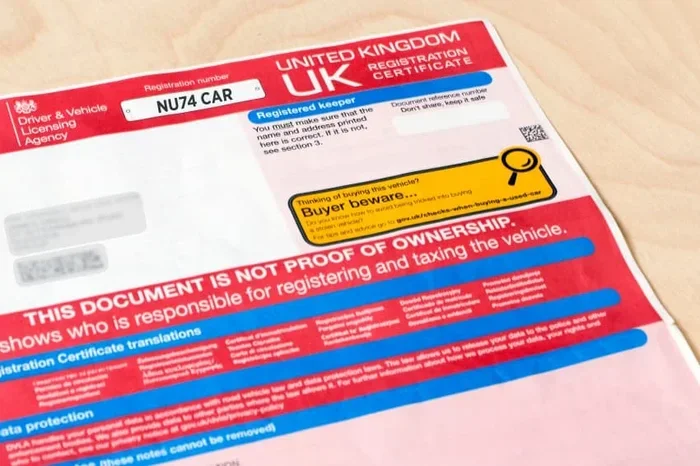
Title transfer is the legal process of changing ownership of the vehicle from the deceased person to the new owner. This step is essential and cannot be skipped. Until the title is transferred, the car technically still belongs to the deceased, and your legal right to drive it is uncertain.
How to Transfer a Car Title After Death
The process varies by state, but here are the general steps:
- Step 1: Obtain a certified copy of the death certificate from the county vital records office.
- Step 2: Gather the original car title, proof of identity, and any probate documents if applicable.
- Step 3: Visit your local Department of Motor Vehicles or equivalent agency.
- Step 4: Complete the title transfer application. The executor or beneficiary usually signs on behalf of the deceased.
- Step 5: Pay any applicable transfer fees and taxes.
- Step 6: Receive the new title in your name.
How Long Do You Have to Complete the Transfer?
Again, this depends on your state. Some states require the title transfer within 30 days of death. Others give you up to 90 days or more. Texas, for example, allows a 30-day temporary registration, but the full transfer must be completed within a reasonable timeframe.
Failing to transfer the title on time can result in penalties, late fees, and even legal issues. If you are wondering about deceased car title transfer rules, contact your local DMV or consult an estate attorney for guidance specific to your situation.
What If There Is a Car Loan on the Vehicle?
If the deceased had an outstanding auto loan, the situation is more complex. The loan is a debt that belongs to the estate. The executor must decide whether to pay off the loan and keep the car or surrender the vehicle to the lender.
If the loan is not paid off, the lender technically holds a lien on the vehicle. You cannot legally transfer the title or drive the car with full ownership rights until the loan is satisfied. In some cases, the lender may allow a family member to assume the loan, but this requires approval and a new credit check.
Common Mistakes People Make With Deceased Owners Vehicles
Handling a deceased persons car is emotionally charged, and mistakes are easy to make. Here are some of the most common errors people encounter:
Assuming You Can Drive Forever
The biggest mistake is assuming that because you are a family member, you can drive the car indefinitely. The law does not work that way. Without proper title transfer and ongoing insurance, your legal right to drive the vehicle is temporary at best.
Letting Insurance Lapse
Some people cancel the deceaseds insurance policy right away because they assume it is no longer needed. This is a dangerous mistake. The vehicle still needs to be insured while it is being driven or stored. A lapse in coverage can lead to fines and leave you vulnerable if an accident occurs.
Ignoring the Title Transfer Deadline
Procrastinating on the title transfer can lead to complications. The longer you wait, the harder it becomes to resolve ownership issues. The vehicle may also be subject to registration lapses, which can result in penalties.
Driving Without the Executor’s Permission
If you are not the executor or the named beneficiary, you should not drive the car without explicit permission. Doing so could be considered unauthorized use of the vehicle, which is a legal issue in many jurisdictions.
Not Documenting Everything
Keep copies of every document related to the vehicle, including the death certificate, insurance correspondence, title transfer paperwork, and any communication with the DMV. Documentation protects you if questions arise later.
Step-by-Step Guide for Handling a Deceased Persons Car
If you have been tasked with handling a loved ones vehicle, here is a practical roadmap to follow:
Step 1: Secure the Vehicle
Make sure the car is parked safely and securely. Remove all personal belongings. If the vehicle will not be driven for an extended period, consider storing it in a garage or secured lot. This protects the vehicle and reduces the risk of theft or damage.
Step 2: Notify the Insurance Company
Contact the insurance provider within a few days of the death. Report the passing and ask about the next steps for the policy. You may need to maintain coverage temporarily or arrange for a new policy.
Step 3: Gather Legal Documents
Collect the death certificate, the original car title, the will (if one exists), and any letters of administration or executor documents. These will be needed for the title transfer process.
Step 4: Determine Who Will Inherit the Vehicle
If the will names a beneficiary for the car, that person will inherit it. If there is no will, state intestacy laws determine the rightful heir. The executor or administrator plays a key role in this decision.
Step 5: Transfer the Title
Visit the DMV with all required documents and complete the title transfer. Pay any fees and obtain the new registration and plates. This step establishes legal ownership and protects everyone involved.
Step 6: Update Registration and Plates
After the title transfer, update the vehicle registration. You may need new license plates depending on your state. Keep the registration and insurance documents in the car at all times.
Step 7: Decide the Vehicles Future
Once the title is transferred, you can decide whether to keep, sell, or donate the vehicle. If you sell it, make sure the title is signed over to the buyer correctly. If you donate it, work with a reputable charity and get proper documentation for a potential tax deduction.
Expert Insights on Deceased Vehicle Handling
We spoke with estate planning attorney Sarah Mitchell about the most common issues people face when handling a deceased persons car. She shared some valuable insights:
“The biggest mistake I see is people assuming they can just keep driving the car without taking any legal steps. The vehicle is part of the estate, and the estate needs to be settled properly. Even if it is just a short-term situation, you should notify the insurance company and start the title transfer process as soon as possible.”
Mitchell also emphasized the importance of communication. “Talk to the insurance company, the DMV, and any other relevant parties early on. The longer you wait, the more complicated things can get, especially if there are multiple beneficiaries or if the estate is being contested.”
Key Takeaways
- Short-Term Driving Is Usually Allowed: Most states permit the executor or surviving family member to drive the deceaseds car for a reasonable period while the estate is being settled.
- Insurance Must Stay Active: You cannot legally drive without insurance, so make sure the policy remains active or arrange new coverage immediately.
- Title Transfer Has Deadlines: Each state sets its own timeframe for completing the title transfer after death. Missing deadlines can lead to penalties.
- Probate Determines the Timeline: Whether the estate goes through probate affects how long and under what conditions the vehicle can be driven.
- Joint Ownership and TOD Designations Simplify Things: If the car was jointly owned or had a transfer-on-death designation, the process is much smoother.
- Car Loans Add Complexity: Outstanding loans on the vehicle must be resolved before the title can be fully transferred.
- Act Quickly and Document Everything: The sooner you handle the legal and administrative steps, the less stress you will face down the road.
Conclusion
The question of how long can you drive a deceased persons car legally does not have a one-size-fits-all answer. The short answer is that you can usually drive the vehicle for a reasonable period while the estate is being settled, but the specific timeframe and conditions vary by state, insurance status, and probate requirements.
The most important thing you can do is act promptly. Notify the insurance company, begin the title transfer process, and follow your states specific rules for handling estate vehicles. Do not assume that family connection alone gives you unlimited legal right to drive the car. Taking the proper steps protects you legally, financially, and emotionally during an already difficult time.
Handling a deceased loved ones car is one of many responsibilities that come with grief. By understanding the legal framework and taking action early, you can navigate this process with clarity and confidence. If you are ever unsure about your specific situation, consult an estate attorney or legal professional who can provide personalized guidance.
Remember, the goal is not just to drive the car in the short term. The goal is to settle the estate properly, transfer ownership correctly, and move forward with peace of mind. That is the best way to honor the memory of the person who loved that car.
Frequently Asked Questions
Can I drive my deceased husbands car if I am the surviving spouse?
In most cases, yes. Surviving spouses are generally allowed to drive the deceased spouses car for a reasonable period while the estate is being settled. However, you should notify the insurance company and begin the title transfer process as soon as possible to stay on the right side of the law.
What happens if I get pulled over driving a deceased persons car?
If you are pulled over and the car is still registered under the deceased persons name, you may be asked to show proof of insurance and your legal right to drive the vehicle. Carrying a copy of the death certificate, the title, and any executor documents can help clarify the situation and avoid fines or complications.
Do I need to transfer the car title immediately after death?
You do not need to transfer the title instantly, but you should do so within your states required timeframe. Many states require the transfer within 30 to 90 days of death. Delaying the transfer can result in registration lapses, penalties, and legal complications.
Can I sell a deceased persons car before the title is transferred?
Yes, but it requires proper authorization. The executor of the estate must authorize the sale, and the buyer will need the appropriate documentation to complete the transaction. It is best to work with the DMV or an attorney to ensure the sale is handled legally and correctly.
What if the deceased had an outstanding car loan?
If there is an outstanding loan, the lender holds a lien on the vehicle. The executor must decide whether to pay off the loan and keep the car or surrender it to the lender. You cannot transfer the title or fully own the vehicle until the loan is satisfied or the lender approves a loan assumption.
Is the deceased persons auto insurance still valid after death?
The insurance policy typically remains active until the end of the policy period or until the insurance company is notified of the death. You should contact the insurer promptly to discuss options, which may include continuing the policy temporarily, adding the vehicle to your own policy, or purchasing a new policy.