How Do You Open a Car Lock Without a Key in Seconds
Getting locked out of your car is stressful, but knowing how to open a car lock without a key can save you time and money. This guide walks you through simple, safe methods you can try yourself, from using a spare key to emergency tools. We also share expert tips to prevent future lockouts and when to call a professional.
Have you ever stood in front of your car, keys locked inside, wondering how to open a car lock without a key? It happens to the best of us. Whether you rushed out of the house or the car door clicked shut by accident, a lockout situation can turn a great day into a frustrating one.
The good news is that you have options. You do not need to panic or wait hours for help. This guide shows you how to open a car lock without a key using simple, safe, and proven methods. We also share tips to prevent lockouts and explain when to call a professional. Let us get you back behind the wheel.
Before we dive into the methods, let us understand what you are dealing with. Car locks come in two main types: mechanical locks and electronic locks. Older vehicles use traditional pin-tumbler locks that respond to physical keys. Newer models often feature keyless entry systems, push-button starts, and electronic lock mechanisms. The method you use depends on your car type and the situation you are in.
Key Takeaways
- Several DIY methods work for opening a car lock without a key, including using a spare key, a shoelace, or a slim jim tool.
- Safety comes first — always try non-destructive methods before attempting anything that could damage your vehicle.
- Prevention is the best fix — keeping a spare key and maintaining your car care routine reduces lockout risks.
- Know when to call a pro — if DIY methods fail, a licensed car locksmith is your safest option.
- Modern cars have electronic locks that require different approaches than older mechanical locks.
- Keep emergency tools handy — items like a lockout kit or a 12V car socket adapter can help in a pinch.
📑 Table of Contents
- Common Reasons for Car Lockouts
- How to Open a Car Lock Without a Key: Safe DIY Methods
- How Electronic and Keyless Car Locks Work
- Preventing Future Car Lockouts
- When to Avoid DIY Lockout Methods
- Emergency Car Lockout Kit: What to Keep in Your Trunk
- Comparison: DIY Methods vs Professional Locksmith
- Expert Insights on Car Lock Security
- Final Thoughts
Common Reasons for Car Lockouts
Understanding why lockouts happen can help you avoid them. Here are the most common reasons drivers find themselves locked out:
- Keys left inside the car — This is the number one cause. You set your bag down, close the door, and suddenly your keys are sitting on the passenger seat.
- Lost or stolen keys — Keys can disappear from pockets, bags, or purses. If your keys are gone, you need a backup plan.
- Broken key in the ignition — A worn key can snap inside the lock or ignition cylinder, leaving you stranded.
- Dead key fob battery — Electronic key fobs run out of battery. When this happens, your push-button start car may not recognize the fob.
- Frozen lock — In cold weather, moisture inside the lock can freeze, preventing the key from turning.
- Faulty lock mechanism — Over time, lock components wear out. A broken spring or worn pin can jam the lock permanently.
How to Open a Car Lock Without a Key: Safe DIY Methods
Now let us get into the practical part. Here are several methods you can try to unlock your car door without a key. Start with the safest option and work your way down only if needed.
Method 1: Use a Spare Key
This is the easiest and safest method. Do you have a spare key at home? Or maybe a family member or friend has a copy? If so, ask them to bring it to you. Many people keep spare keys in their house, office, or with a trusted neighbor.
If you keep a spare key in your wallet or purse, now is the time to check. Some drivers also hide a spare key under the car bumper or inside a magnetic box attached to the undercarriage. Check these spots first.
Quick Tip: After resolving the lockout, make a copy of your key and store it in a safe but accessible place. Prevention beats cure every time.
Method 2: The Shoelace Technique
This classic method works on cars with traditional lock buttons on the door. You will need a thin, sturdy shoelace or a length of string.
Here is how it works:
- Tie a small loop in the middle of the shoelace.
- Slide the loop through the gap between the door and the weather stripping at the top of the door.
- maneuver the loop around the lock button inside the car.
- Pull the loop down to press the unlock button.
This method takes a little practice, but it works on many older car models. It does not damage the lock or the door. However, it will not work on cars with electronic locks or flush-mounted door handles.
Method 3: The Coat Hanger or Wire Tool
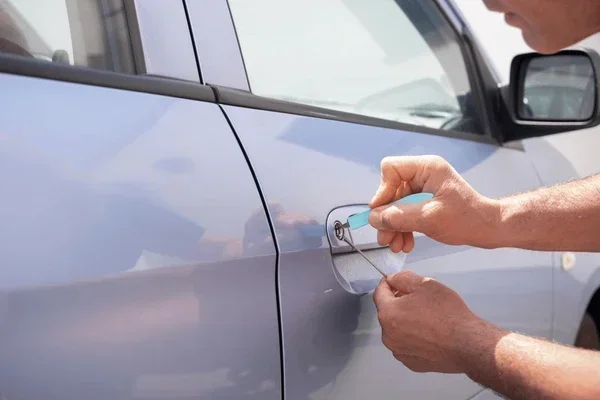
Straighten a wire coat hanger and create a small hook at one end. Insert the hooked end through the gap between the door and the frame, near the lock mechanism. Feel around for the lock rod or button and pull it up or down to unlock the door.
Warning: This method requires patience and care. If you are not gentle, you can scratch the paint or damage the weather stripping. Use a cloth or rag wrapped around the wire to protect the car surface. This method works best on older vehicles with visible lock rods.
Method 4: Use a Long-Reach Tool
Specialized lockout tools are available at auto parts stores. These tools have a long, thin design that lets you reach through the door gap to press the unlock button or pull the lock rod. Some popular options include:
- Lockout rods — Flexible rods that bend around the door frame.
- Inflatable wedges — You insert a small wedge and inflate it to create a gap, then use a rod to reach the lock.
- Slim jim tools — A flat metal strip that slides between the window and weather stripping to manipulate the lock rods directly.
These tools are more effective than household items, but they still require some skill. If you have never used them before, watch a few tutorial videos before attempting the method on your own vehicle.
Method 5: Call a Professional Locksmith
If none of the DIY methods work, or if you feel uncomfortable trying them, call a professional car locksmith. A licensed locksmith has the right tools, training, and experience to open your car quickly and without damage.
Most locksmiths can arrive within 30 minutes. They can also cut a new key or replace a broken key on the spot. Keep a trusted locksmith’s number saved in your phone for emergencies.
When choosing a locksmith, look for one with good reviews, proper licensing, and transparent pricing. Avoid locksmiths who quote suspiciously low prices — they may charge hidden fees.
How Electronic and Keyless Car Locks Work
Modern vehicles use electronic lock systems that are different from traditional mechanical locks. Understanding how they work helps you choose the right method when you are locked out.
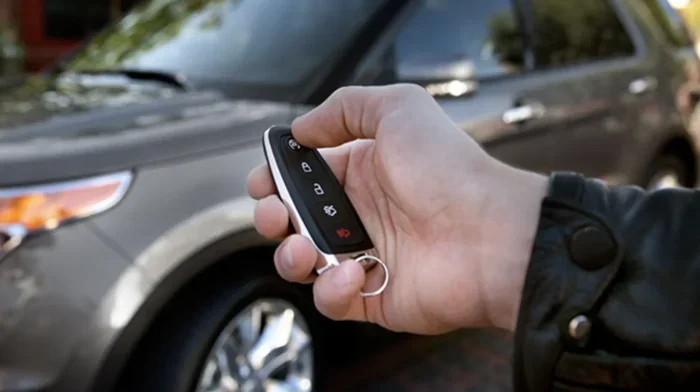
Keyless entry systems use a transponder chip inside the key fob. When you press the button, the fob sends a coded signal to the car’s computer. If the code matches, the doors unlock. This is why a dead battery in your fob can cause a lockout.
Some cars have a backup method for dead fob batteries. Look for a hidden key slot on the door handle or near the driver’s side lock. You can insert the physical key blade (which is usually stored inside the fob) to unlock the door manually.
Push-button start cars also have a physical key slot hidden somewhere on the key fob. Check your car’s manual to find this slot. In many models, you will need to remove a small cover or slide a panel on the fob to reveal the key blade.
Preventing Future Car Lockouts
The best way to handle a car lockout is to avoid one altogether. Here are simple steps you can take to prevent getting locked out again:
- Keep a spare key in a safe place outside your car. Give a copy to a family member or trusted friend.
- Replace key fob batteries regularly — every 12 to 18 months. Do not wait until the fob stops working.
- Use a key finder — small Bluetooth devices that help you locate your keys when they are out of sight.
- Get into the habit of checking for your keys before closing the door. Say it out loud: “Keys in hand, door closed.”
- Maintain your locks — use a quality lubricant like 3M cloth to clean around the lock mechanism and prevent buildup.
- Consider a smart lock system — some aftermarket systems offer fingerprint or app-based entry as a backup.
Taking these small steps can save you hours of frustration and hundreds of dollars in locksmith fees. A little preparation goes a long way.
When to Avoid DIY Lockout Methods
Not every lockout situation is suitable for DIY methods. Here are times when you should skip the DIY approach and call for professional help:
- Your car has a newer electronic lock system — modern vehicles have complex anti-theft features that can be damaged by DIY tools.
- The lock mechanism is visibly damaged — forcing a broken lock can make the problem worse and cost more to repair.
- You are in a dangerous location — if you are on a highway shoulder or in an unsafe area, prioritize safety over DIY attempts.
- You have tried and failed — repeated attempts can scratch your car or break internal components.
- You have pets or children locked inside — this is an emergency. Call 911 or a locksmith immediately.
Remember, your safety and your car’s condition matter more than saving a few dollars. When in doubt, call a professional.
Emergency Car Lockout Kit: What to Keep in Your Trunk
Being prepared for a lockout is smart. Here is a simple list of items to keep in your trunk or glove box:
- A spare key (obviously)
- A small flashlight
- A lockout tool kit (available online for under $20)
- A portable phone charger
- A 1 kg car fire extinguisher for overall safety
- A 3M car glass cleaner wipe for clearing fog or dirt from your view
- An emergency contact card with your locksmith’s number
These items take up very little space but can make a huge difference in an emergency. A lockout kit is one of those things you hope you never need but will be grateful to have when you do.
Comparison: DIY Methods vs Professional Locksmith
| Method | Cost | Time | Risk of Damage | Best For |
|---|---|---|---|---|
| Spare Key | Free | Minutes | None | When you have a backup key available |
| Shoelace | Free | 10-20 min | Low | Older cars with manual lock buttons |
| Wire Hanger | Free | 15-30 min | Medium | Experienced DIYers on older models |
| Lockout Tool Kit | $10-$30 | 10-20 min | Low to Medium | Most car models with manual locks |
| Professional Locksmith | $50-$150 | 20-45 min | Very Low | All car types, especially modern vehicles |
As you can see, each method has its place. The spare key is always the best option. But when that is not available, a lockout tool kit or a professional locksmith gets the job done safely.
Expert Insights on Car Lock Security
Automotive security experts recommend treating your car lock system with care. Here are a few insights from professionals in the field:
Regular maintenance matters. Dust, dirt, and moisture can build up inside your lock cylinder over time. A quick spray of lock lubricant once or twice a year keeps the mechanism running smoothly. This simple habit reduces the chances of a lockout caused by a jammed lock.
Know your car. Every vehicle model has its quirks. Some cars have hidden key slots in unusual places. Spend five minutes reading your car’s manual — it will pay off during an emergency. You can also search online for your specific model to learn about known lockout issues.
Upgrade when needed. If your car is older and still uses basic mechanical locks, consider upgrading to a more secure system. Modern locks with anti-pick features make it harder for thieves and also give you better control over who can access your vehicle.
Final Thoughts
Knowing how to open a car lock without a key is a valuable skill every driver should have. Whether you use a spare key, a shoelace, or a professional locksmith, the key is to stay calm and act safely. Avoid methods that could damage your car, and always prioritize your personal safety.
Prevention is the best strategy. Keep a spare key, maintain your locks, and prepare an emergency kit. These small habits will save you from the stress and expense of a lockout situation. And if you ever feel unsure, do not hesitate to call a trusted locksmith. They are there to help, and they will get you back on the road in no time.
Stay prepared, stay safe, and remember — a lockout is temporary, but the knowledge you gain from this guide will serve you for life.
Frequently Asked Questions
Can I open a car lock without any tools?
Yes, the shoelace method requires only a piece of string or lace, and the spare key method needs no tools at all. These are the simplest options if you do not have any special equipment on hand.
Is it illegal to unlock your own car?
No, unlocking your own car is perfectly legal. The methods described in this guide are for personal use on vehicles you own or have permission to operate. Attempting to open someone else’s car without authorization is illegal.
Will DIY methods damage my car?
Most non-destructive methods like the shoelace technique or using a lockout tool kit carry very low risk of damage. However, forcing tools into the lock or being rough with the weather stripping can cause scratches or tears. Always be gentle and patient.
How much does a locksmith cost to open a car?
Car locksmiths typically charge between $50 and $150 for a standard lockout service. The price depends on your location, the time of day, and your car model. Some locksmiths offer 24/7 emergency services for a slightly higher fee.
What should I do if my child or pet is locked inside the car?
This is a safety emergency. Call 911 immediately. Emergency responders are trained to handle these situations quickly and safely. Do not attempt to break a window unless there is an immediate danger to life.
Can a dead key fob battery cause a complete lockout?
Yes, a dead key fob battery can prevent your car from recognizing the fob, which means push-button start will not work. Most modern cars have a backup physical key slot on the door handle or inside the fob itself. Check your car’s manual to find this backup option.