Georgia Window Tint Law All the Rules You Should Know
Georgia window tint law sets clear rules on how dark your car windows can be tinted. Front side windows must allow more than 32% of light to pass through, while rear windows can be any darkness you prefer. Knowing these legal tint limits helps you avoid costly fines and keeps your vehicle street legal across the state.
If you live in Georgia or are planning to move there, understanding the Georgia window tint law is essential. Whether you want to reduce glare, keep your car cooler, or simply add a sleek look, window tinting is popular among car owners. But the state has specific legal tint limits that you must follow. Breaking these rules can lead to tint tickets, fines, and even problems during vehicle inspection.
This guide covers everything you need to know about car window tinting regulations in Georgia. We will break down the tint darkness levels for different vehicle types, explain the rules for your windshield, and walk you through medical exemptions and penalties. By the end, you will have a clear picture of what is legal and what is not. Let us dive in.
Key Takeaways
- Front side windows must have a VLT above 32%: This is the most important rule for sedans and SUVs in Georgia.
- Rear windows can be any darkness: You have full freedom to tint your rear side and rear windows as dark as you want.
- Windshield tint is limited to the top 5 inches: Only a non-reflective strip is allowed on the windshield.
- Medical exemptions are available: If you have a qualifying condition, you can get a special permit for darker tint.
- Fines for illegal tint can reach $1,000: Breaking Georgia tint rules can cost you money and lead to vehicle inspection issues.
- Tint certification is required: All window film must be certified by the manufacturer and display a proper sticker.
- Dual side mirrors are mandatory if the rear window is tinted: This safety requirement applies to all vehicles with darkened rear glass.
📑 Table of Contents
Understanding Georgia Window Tint Law Basics
The Georgia window tint law governs how dark or reflective your vehicle windows can be. These rules are designed to ensure driver visibility and road safety. The state measures tint darkness using a metric called visible light transmission, or VLT. This number tells you what percentage of light can pass through your window film.
Every state has its own window tinting regulations, and Georgia is no exception. The rules differ based on the type of vehicle you drive and which window you are tinting. Let us look at the key terms you need to understand before we get into the specific limits.
What Is Visible Light Transmission?
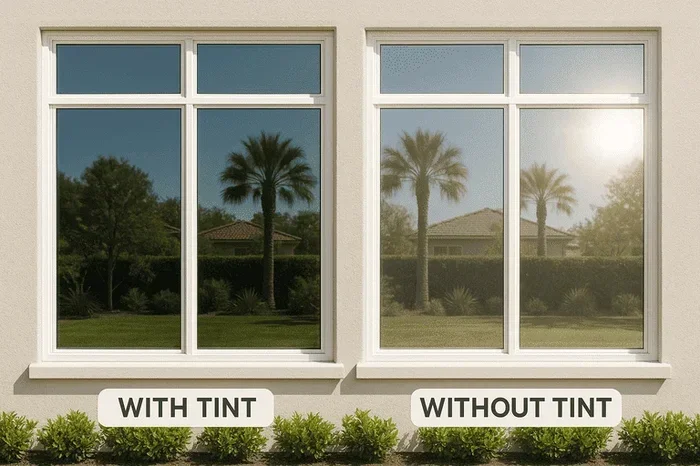
Visible light transmission, commonly known as VLT, is the percentage of light that passes through your window and the tint film combined. For example, if a window has a VLT of 50%, half of the light gets through. The lower the VLT, the darker the tint. When you hear people talk about window tint percentage, they are referring to the VLT level.
In Georgia, the legal tint limits are based on VLT measurements. The state requires that certain windows allow a minimum amount of light through. This ensures drivers can see clearly, especially at night or in poor weather conditions. Always check the VLT rating before purchasing any window film.
Why Tint Darkness Matters
The darkness of your tint darkness affects more than just the look of your car. It impacts your visibility, your passengers’ comfort, and your safety on the road. Too dark a tint can make it hard to see other drivers, pedestrians, and road signs. That is why Georgia sets strict tint darkness levels for the front side windows.
On the other hand, darker tints on rear windows offer privacy and block harmful UV rays. The state allows more flexibility on rear windows because the driver does not rely on them for forward visibility. Understanding this balance between style and safety is key to staying compliant with Georgia tint rules.
Legal Tint Limits for Sedans
If you drive a sedan in Georgia, the sedan tint law is straightforward. The state applies specific VLT requirements to each window. Here is a simple breakdown of what is allowed.
Front Side Window Rules
For sedans, the front side windows must allow more than 32% of light to pass through. This means your window tint percentage on the front doors must stay above 32% VLT. This rule applies to both the driver and passenger side windows. You cannot tint these windows darker than this limit.
The reason for this rule is simple. Front side windows are the primary source of visibility for the driver. Keeping them relatively light ensures you can see other vehicles, cyclists, and pedestrians clearly. If you want a darker look, you will need to focus on the rear windows instead.
Rear Windows and Windshield Guidelines
Here is the good news for sedan owners. The rear side windows and the rear window can be tinted to any darkness you prefer. There is no minimum VLT requirement for these windows on a sedan. This gives you plenty of freedom to achieve the look and privacy you want.
The windshield has its own rule. You can apply a non-reflective tint to the top 5 inches of the windshield. This strip helps reduce glare from the sun without blocking your view of the road. Any tint below this line on the windshield is illegal in Georgia.
| Window | Legal Tint Limit for Sedans |
|---|---|
| Windshield | Non-reflective tint on top 5 inches only |
| Front Side Windows | Must allow more than 32% VLT |
| Rear Side Windows | Any darkness allowed |
| Rear Window | Any darkness allowed |
Legal Tint Limits for SUVs and Vans
The SUV tint law in Georgia is slightly different from sedans. If you drive an SUV, van, or any larger vehicle, the rules for front side windows remain the same. But there are some differences in how the rest of the windows are treated. Let us walk through the details.
How SUV Rules Differ from Sedans
For SUVs and vans, the front side windows must also allow more than 32% of light to pass through. This is the same rule as sedans. The driver and front passenger side windows cannot go below this VLT level. No matter what type of vehicle you drive, this is the most important limit to remember.
However, SUVs and vans have an advantage when it comes to the rear windows. Like sedans, the rear side windows and rear window can be tinted to any darkness. There is no minimum VLT requirement. This makes car window tinting very flexible for SUV and van owners who want maximum privacy and heat rejection.
The windshield rule also applies the same way. You can tint the top 5 inches with a non-reflective film. Beyond that strip, the windshield must remain clear. These Georgia tint rules apply equally to all vehicle types.
Windshield Tint and Mirror Requirements
The windshield tint rules in Georgia are strict and specific. The only tint allowed on the windshield is a non-reflective strip along the top. This strip cannot extend lower than 5 inches from the top edge of the glass. The purpose is to reduce sun glare while keeping your forward view unobstructed.
Reflective tint is not allowed on the windshield at all. The state wants to prevent any tint that could create glare for other drivers or distort your view of traffic signals and signs. If you want to tint your windshield, stick to the top 5 inches with a non-reflective film.
Another important rule involves your mirrors. If your rear window is tinted, Georgia law requires you to have dual side mirrors. This ensures you can still see behind your vehicle even though the rear glass is darkened. Without dual mirrors, a tinted rear window could be considered a safety hazard and lead to a citation.
Medical Exemptions and Special Cases
Not everyone can tolerate the standard tint darkness levels in Georgia. Some people have medical conditions that make them extremely sensitive to sunlight. For these individuals, the state offers a medical exemption for darker window tint.
To qualify for a tint exemption, you need a written statement from a licensed physician. The doctor must explain why you need darker tint for your health. This could be due to conditions like lupus, photosensitivity, or other skin disorders that are worsened by sun exposure.
Once you have the medical documentation, you must carry it in your vehicle at all times. You may also need to display a special exemption sticker on your windshield. The Georgia Department of Revenue oversees these exemptions. Always check with local authorities to get the most up-to-date process for applying.
Keep in mind that even with an exemption, you must still follow certain guidelines. The exemption does not give you unlimited freedom to tint every window as dark as you want. It provides a reasonable allowance for darker tint based on your medical needs. Make sure you understand the terms before you apply any window film that goes beyond the standard limits.
Penalties for Breaking Georgia Window Tint Law
Breaking the Georgia window tint law can be expensive. The state takes window tinting regulations seriously, and the penalties are designed to discourage violations. Here is what you need to know about the consequences.
How Much Is a Tint Ticket?
A tint ticket in Georgia can cost you up to $1,000. That is a steep fine for a window tint violation. The exact amount depends on your county and the severity of the offense. In some cases, you may also be required to remove the illegal tint before your vehicle can pass inspection.
Beyond the fine, an illegal tint can cause other problems. Your vehicle may fail its annual safety inspection. This means you cannot register your car or renew your tags until the issue is fixed. Removing and replacing car window tinting that does not meet the legal tint limits can cost you hundreds of dollars on top of the fine.
Police officers in Georgia are trained to check tint darkness during traffic stops. They use specialized devices to measure the VLT of your windows. If your tint is too dark, you will be pulled over and cited. The best way to avoid this is to make sure your tint is compliant from the start.
Common Mistakes That Lead to Violations
Many people unknowingly break the law when they tint their windows. One common mistake is buying tint online without checking the VLT rating. Another is assuming all windows can be tinted the same darkness. These errors can cost you time and money.
Some drivers also forget about the tint certification requirement. Georgia law requires that all window film be certified by the manufacturer. If your tint is not certified, it is illegal regardless of the VLT level. Always ask your installer for proof of certification before you have your windows tinted.
Tips for Staying Compliant with Georgia Tint Rules
Staying on the right side of the Georgia window tint law is easier than you think. A little preparation goes a long way. Here are some practical tips to help you choose and install legal tint on your vehicle.
How to Choose the Right Window Film
When shopping for window film, always ask about the VLT rating. The manufacturer or installer should be able to tell you exactly what percentage of light the film allows through. Choose a film that meets or exceeds the 32% VLT requirement for your front side windows.
Look for films that are specifically labeled as compliant with Georgia regulations. Many reputable brands offer legal tint limits on their packaging. If you are unsure, ask the installer to show you the certification documentation. This protects you from accidentally purchasing illegal tint.
Consider your climate and driving habits when choosing a tint. Georgia gets plenty of sunshine, especially in the summer. A good quality film can block UV rays and reduce heat inside your car. Just make sure the darkness level stays within the Georgia tint rules.
Understanding Tint Certification
Tint certification is a must in Georgia. Every piece of window film sold in the state must be certified by its manufacturer. This certification proves that the film meets the state’s standards for tint darkness and reflectivity. Without it, the tint is illegal.
Once your windows are tinted, the installer should place a sticker on the driver’s side door jamb. This sticker identifies the tint as legal and shows the VLT level. If you do not see this sticker, ask your installer about it. It is your proof of compliance if you are ever stopped by police.
Keep all receipts and documentation from your tint installation. If you ever need to prove that your tint is legal, these records will help. They also come in handy if you move to a different county where enforcement may vary slightly.
Conclusion
The Georgia window tint law is designed to keep drivers safe while allowing reasonable flexibility for personal style. By understanding the legal tint limits for your specific vehicle type, you can enjoy the benefits of tinted windows without the worry of fines or violations. Remember that front side windows must stay above 32% VLT, the windshield can only have a 5-inch non-reflective strip, and rear windows can be any darkness you choose.
If you qualify for a medical exemption, take advantage of it. Just make sure you follow the proper application process and carry your documentation. And always choose certified window film from a reputable installer. Staying compliant with Georgia tint rules is simple when you know the requirements and take the right steps.
Take the time to research your options, ask questions, and invest in quality tint that meets the law. Your car will look great, stay cooler, and keep you safe on Georgia roads. That is a win-win for everyone.
Frequently Asked Questions
Can I tint my front windshield in Georgia?
You can only apply a non-reflective tint to the top 5 inches of the windshield. Any tint below that line is illegal. The purpose is to reduce sun glare while keeping your forward view clear and unobstructed.
What happens if I get caught with illegal tint in Georgia?
You can be fined up to $1,000 for violating the Georgia window tint law. Your vehicle may also fail its safety inspection, which means you cannot register or renew your tags until the illegal tint is removed.
Do I need a medical exemption for darker tint on my front windows?
Yes, if you want your front side windows to be darker than 32% VLT, you need a medical exemption. This requires a written statement from a licensed physician explaining your condition. You must carry this documentation in your vehicle at all times.
Is reflective tint allowed on any windows in Georgia?
Reflective tint is not allowed on any window in Georgia. The state limits reflectivity to ensure that tinted windows do not create glare for other drivers or obstruct their view of traffic signals and signs.
How do I know if my window tint is certified in Georgia?
Certified window film will have a sticker placed on the driver’s side door jamb by the installer. This sticker shows the VLT level and confirms that the tint meets Georgia’s legal tint limits. Always ask for this sticker before finalizing your installation.
Can I tint my rear windows as dark as I want in Georgia?
Yes, there is no minimum VLT requirement for rear side windows or the rear window on both sedans and SUVs in Georgia. However, if your rear window is tinted, you must have dual side mirrors to maintain proper visibility behind the vehicle.