Do All Cars Have a Trunk Release Inside You Need to Know
Not all cars have a trunk release inside the vehicle. Many modern cars include an interior trunk release lever or button for safety, but older models and certain vehicle types may lack this feature. Understanding your car’s trunk release system is essential for safety, especially in emergencies.
Have you ever been stuck in a car with the trunk locked from the outside? It is a scary thought. Many drivers assume every vehicle has a trunk release inside. The truth is, do all cars have a trunk release inside is a question with a surprising answer. Some cars have them, and some do not. This matters more than most people think.
Whether you drive a new sedan or a used hatchback, understanding your trunk release system is important. It affects your safety, your comfort, and even your car’s resale value. In this guide, we will break down everything you need to know about interior trunk releases. We will cover how they work, which cars have them, and what to do if yours is broken.
By the end of this article, you will know exactly what to look for. You will also understand why this small feature can make a big difference. Let us dive in.
Key Takeaways
- Interior trunk releases are not universal: Many older and budget cars may not have one.
- Federal safety regulations in many countries now require interior trunk releases in newer vehicles.
- Trunk release mechanisms vary by car type, brand, and model year.
- Knowing how to use your trunk release can save lives in emergency situations.
- Used cars may lack trunk releases, so always check before purchasing.
- Common trunk release problems include stuck levers, broken cables, and electrical failures.
- Regular maintenance of your trunk release system ensures it works when you need it most.
📑 Table of Contents
- What Is a Trunk Release and Why Does It Matter?
- Do All Cars Have a Trunk Release Inside?
- Types of Trunk Release Mechanisms
- Safety Standards and Legal Requirements
- Common Trunk Release Problems and How to Fix Them
- Tips for Checking Trunk Release When Buying a Used Car
- How to Improve Your Car’s Trunk Safety
- Quick Tips for Trunk Release Maintenance
- Conclusion
What Is a Trunk Release and Why Does It Matter?
A trunk release is a mechanism that lets you open your car’s trunk from the inside. Most vehicles have a lever, button, or handle located on the interior. It is usually near the driver’s seat or on the dashboard. Some cars also have a trunk release on the rear seats or the console area.
But why does this matter so much? Imagine a child accidentally locks themselves in the trunk. Or picture a situation where your car breaks down and you need to access your spare tire. Without an interior trunk release, these situations can become dangerous very quickly.
Understanding trunk release systems is a basic part of car safety awareness. Every driver should know what kind of trunk release their vehicle has. This knowledge can protect you and your family in unexpected moments.
How Trunk Release Systems Work
Most trunk release systems use one of three methods. The first is a mechanical lever. You pull it, and it releases the trunk latch. The second is an electric button. You press it, and a signal opens the trunk. The third is a remote key fob. You press a button on your key, and the trunk pops open.
Older cars often use mechanical systems. Newer vehicles tend to use electric or electronic releases. Some cars combine both systems for added convenience. The type of system your car has depends on its make, model, and year.
Do All Cars Have a Trunk Release Inside?
The short answer is no. Do all cars have a trunk release inside? Not necessarily. Many modern cars come equipped with an interior trunk release. But older vehicles, certain budget models, and some imported cars may not have one. This is an important detail to check before you buy any car.
In countries like the United States, federal regulations now require interior trunk releases in most new passenger vehicles. These rules were introduced to improve safety. However, in many other regions, these regulations are not as strict. This means some cars sold in certain markets may not include this feature.
If you are buying a used car, this is especially important to verify. A car that looks great on the outside might be missing this safety feature. Always check the interior of the trunk before making a purchase.
Trunk Releases in Sedans
Most modern sedans include an interior trunk release. The lever is usually located on the driver’s side, near the driver’s seat or on the dashboard. Some sedans also have a release handle inside the trunk itself, near the trunk lid.
Older sedans, especially those from the 1990s and early 2000s, may not have this feature. If you own or are considering an older sedan, check the trunk interior carefully. You might be surprised to find there is no release lever at all.
Trunk Releases in SUVs and Hatchbacks
SUVs and hatchbacks tend to have trunk releases more often than sedans. This is because these vehicles are designed with family safety in mind. Many SUV manufacturers include both a driver-side lever and a rear-seat release handle.
Hatchbacks often have a release handle on the hatchback door itself, inside the cargo area. This makes it easy for anyone in the back seat to open the trunk. This is a great safety feature for families with young children.
Trunk Releases in Luxury and Premium Cars
Luxury car brands almost always include advanced trunk release systems. These may include hands-free trunk opening, remote release, and even voice-activated controls. The interior release lever or button is typically easy to find and use.
Premium vehicles also tend to have softer-close trunk lids and illuminated release handles. These small details add convenience and safety. If you are looking for a car with excellent trunk features, luxury brands are a good place to start.
Types of Trunk Release Mechanisms
Not all trunk releases are the same. There are several types you might encounter in different vehicles. Let us look at the most common ones.
Lever-Style Releases
The lever-style release is the most traditional type. It is a metal or plastic lever located inside the car, usually near the driver’s left knee or on the dashboard. You pull the lever upward, and it releases the trunk latch.
This type of release is very reliable. It does not depend on electricity or batteries. Even if your car’s battery dies, the lever-style release will still work. This makes it a popular choice for many car manufacturers.
Button-Style Releases
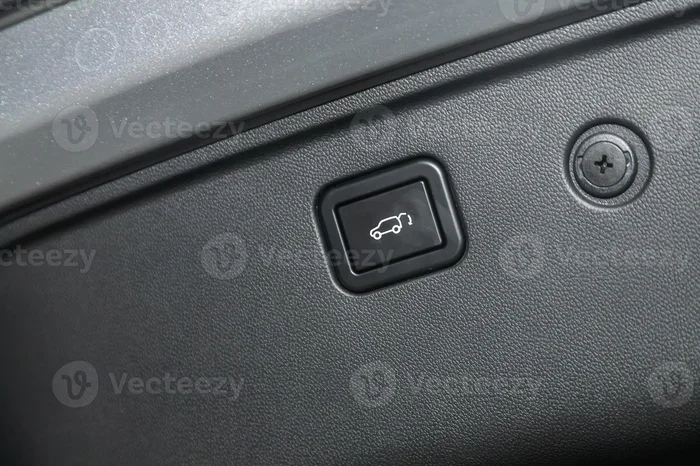
Button-style releases are more modern. They are usually located on the driver’s side console or on the dashboard. You press the button, and an electronic signal opens the trunk.
These releases are convenient and easy to use. However, they depend on the car’s electrical system. If there is a power failure, the button may not work. Some button-style releases also have a manual override for this reason.
Remote and Key-Operated Releases
Many cars today come with remote trunk release. You press a button on your key fob, and the trunk opens. This is very convenient when your hands are full. Some cars also allow you to open the trunk by touching the rear bumper or the trunk handle.
Remote releases are not the same as interior releases. They are meant for convenience, not for emergency situations. You should always have an interior release option available as well.
Safety Standards and Legal Requirements
Trunk release safety standards have changed a lot over the years. Many countries have introduced laws to require interior trunk releases in new cars. These laws were created after tragic accidents involving people trapped in car trunks.
In the United States, the Motor Vehicle Safety Standard 401 requires all new passenger vehicles to have an interior trunk release. The European Union has similar regulations under its vehicle safety directives. These rules have saved lives and continue to improve car safety.
Federal Regulations on Trunk Releases
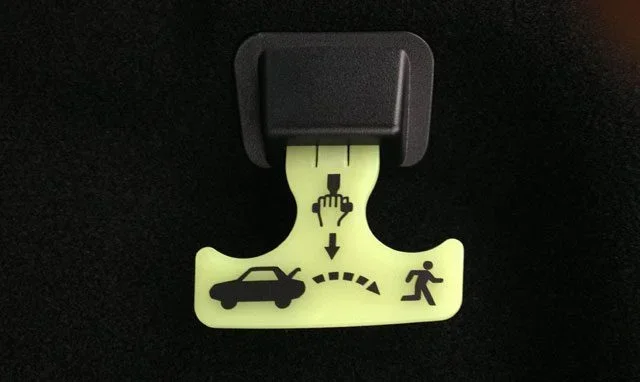
Federal regulations in many countries focus on two things. First, the trunk release must be easy to find. Second, it must be easy to use, even in low light or stressful situations. Most regulations require the release to be a bright color, often red or orange, so it stands out.
These rules apply to most new passenger vehicles sold in regulated markets. However, older cars and vehicles imported from countries without these rules may not meet the standards. This is why checking for an interior trunk release is so important when buying a used vehicle.
Why Interior Trunk Releases Save Lives
Interior trunk releases are not just a convenience feature. They are a life-saving safety device. Children, pets, and even adults can accidentally get locked in a trunk. Without a release mechanism, this can be fatal.
In hot weather, a person trapped in a trunk can suffer from heatstroke within minutes. In cold weather, the risks are equally dangerous. An interior trunk release gives trapped occupants a way out. This is why car safety features like this one deserve more attention from drivers.
Experts also recommend teaching children about trunk releases. If they ever find themselves locked in a trunk, knowing where the release is can make all the difference.
Common Trunk Release Problems and How to Fix Them
Like any car part, trunk releases can develop problems over time. Understanding these issues can help you fix them quickly and safely. Here are the most common trunk release problems drivers face.
Stuck or Jammed Trunk Releases
A stuck trunk release lever is more common than you might think. Dirt, dust, and debris can build up inside the mechanism over time. The lever may feel stiff or refuse to move at all.
The fix is usually simple. Spray a lubricant like WD-40 into the lever mechanism. Work the lever back and forth several times. This should loosen any built-up grime. If the lever is still stuck, the problem may be deeper inside the latch assembly.
Broken Trunk Release Cables
Some trunk releases use a cable that connects the lever to the trunk latch. Over time, this cable can stretch, fray, or break. When this happens, pulling the lever does nothing.
Replacing a broken trunk release cable is usually affordable. You can buy replacement cables online or at auto parts stores. The repair process is straightforward for most car owners. However, if you are not comfortable doing it yourself, a mechanic can handle it quickly.
Electrical Failures in Button-Style Releases
Button-style releases rely on the car’s electrical system. A blown fuse, a wiring issue, or a dead battery can cause the button to stop working. If your electric trunk release suddenly stops, check the fuse box first.
Most cars have a fuse dedicated to the trunk release system. Locate the fuse and inspect it. If it is blown, replacing it is an easy fix. If the fuse is fine, the problem may be with the wiring or the release motor itself.
Trunk Release Not Working After Battery Dies
If your car battery dies, electric trunk releases will not work. This is a common problem many drivers face. The good news is that most cars with electric releases also have a mechanical backup.
Look for a small manual release handle inside the trunk. It is usually located near the trunk latch. Pulling this handle will release the trunk even without power. Always know where this backup is located before you need it.
Expert Insight
Automotive experts recommend checking your trunk release system at least twice a year. A simple test takes only a few minutes. Pull the lever, press the button, and make sure everything works smoothly. This small habit can prevent big problems down the road.
Tips for Checking Trunk Release When Buying a Used Car
When you are shopping for a used car, the trunk release is one feature many buyers overlook. Do not make this mistake. A working trunk release is a basic safety feature you should never ignore.
Before you buy any used vehicle, open the trunk from the inside. Look for a release lever, button, or handle. Test it to make sure it works properly. If the car does not have an interior trunk release, think carefully about whether this is a dealbreaker.
For those shopping for budget-friendly options, checking 2nd hand cars under 2 lakhs is especially important. Older budget cars may not have modern safety features, including interior trunk releases. Always inspect the vehicle thoroughly before making a decision.
Also, if you are looking at older models, remember that 8-year-old cars may predate safety regulations requiring interior trunk releases. This does not mean you should avoid them, but you should be aware of what you are getting.
What to Look For in a Pre-Owned Vehicle
- Check the driver’s side for a trunk release lever or button.
- Open the trunk from inside and test the release mechanism.
- Look for a manual override in case the electric system fails.
- Inspect the trunk latch for rust, damage, or wear.
- Test the remote release using the key fob.
- Check the trunk light and make sure it turns on when the trunk opens.
- Verify the car’s model year against safety regulations in your region.
Taking these few extra minutes during a test drive can save you from headaches later. It also gives you peace of mind knowing your vehicle meets safety standards.
How to Improve Your Car’s Trunk Safety
Even if your car has a working trunk release, there are steps you can take to improve trunk safety. These small changes can make a big difference for you and your family.
- Install a trunk release alarm: Some aftermarket alarms trigger when the trunk is opened unexpectedly.
- Keep the release lever clean: Wipe it down regularly to prevent dirt buildup.
- Teach your family: Make sure everyone in your household knows where the trunk release is.
- Replace worn cables: If your release cable shows signs of wear, replace it immediately.
- Consider an upgrade: If your older car lacks an interior release, aftermarket kits are available.
These tips apply to all car types, from compact hatchbacks to large SUVs. No matter what you drive, trunk safety should always be a priority.
Quick Tips for Trunk Release Maintenance
- Test your trunk release every month.
- Lubricate the lever mechanism twice a year.
- Replace frayed cables immediately.
- Keep the trunk area clean and free of debris.
- Store your owner’s manual in the glove box for quick reference.
- Know the location of your manual backup release.
- Have a mechanic inspect the trunk latch during regular service visits.
Common Mistakes to Avoid
One of the biggest mistakes drivers make is assuming their trunk release works. Do not wait for an emergency to test it. Another common mistake is ignoring strange sounds when operating the release. A clicking or grinding noise often signals a problem that will get worse over time. Finally, never ignore a trunk release that feels loose or spongy. These are signs of a failing mechanism that needs attention.
Conclusion
So, do all cars have a trunk release inside? The answer is not a simple yes or no. Many modern cars do have interior trunk releases, but not all of them do. Older vehicles, certain budget models, and cars from regions without strict safety regulations may lack this important feature.
Understanding your vehicle’s trunk release system is a key part of being a responsible driver. It takes only a few minutes to check and test your trunk release. This small effort can protect you, your family, and your passengers in an emergency.
Whether you are buying a new car or a used vehicle, always verify the trunk release features. A working interior trunk release is not just a nice-to-have. It is a safety essential that every driver should take seriously.
Take a moment today to check your own car’s trunk release. If it is not working, get it fixed right away. Your safety and the safety of those you love depend on it.
Frequently Asked Questions
Do all new cars have an interior trunk release?
Most new cars sold in regulated markets like the US and Europe are required to have an interior trunk release. However, it is always a good idea to check the specific vehicle before purchasing. Some budget models or imported cars may not include this feature even in newer years.
Can I add an interior trunk release to an older car?
Yes, you can. Aftermarket trunk release kits are widely available and relatively easy to install. You can find lever-style and button-style releases at auto parts stores or online. If you are not comfortable with DIY installation, a mechanic can handle the job for you.
Why is my trunk release button not working?
There are several possible reasons. A blown fuse, a dead battery, or a wiring issue can all cause the button to stop working. Start by checking the fuse box. If the fuse is fine, the problem may be with the release motor or the wiring harness. A mechanic can diagnose the exact cause.
Is it legal to drive a car without an interior trunk release?
In many countries, newer cars are required to have interior trunk releases by law. Older cars that were manufactured before these regulations were introduced are generally still legal to drive. However, it is strongly recommended to add an interior trunk release for safety, especially if you have young children.
Where is the trunk release lever located in most cars?
The trunk release lever is usually located on the driver’s side, near the driver’s left knee or on the dashboard. Some cars also have a release handle inside the trunk itself, near the trunk lid. Check your car’s owner manual for the exact location.
How much does it cost to replace a trunk release cable?
Replacing a trunk release cable is usually affordable. The cable itself costs between 10 and 30 dollars. If you hire a mechanic, the total cost including labor typically ranges from 50 to 100 dollars. Doing it yourself can save you even more money.
=== INTERNAL LINKS ===
When shopping for a vehicle, always consider the safety features that matter most. If you are looking at older models, check out our guide on 8-year-old cars to understand what features to expect from vehicles of that age.
Buying a pre-owned vehicle can be a smart choice. Our detailed guide on 2nd hand cars under 2 lakhs covers everything you need to know about inspecting used cars for safety features like trunk releases.
Safety should always come first when choosing a car. For vehicles that meet the highest safety standards, explore our collection of 5 star cars in India and make an informed decision for your family’s protection.