Choose the Right Window Tint Percentage for Your Home
Choosing the right window tint percentage can transform your home’s comfort, energy efficiency, and privacy. This guide walks you through everything you need to know about visible light transmission, solar heat rejection, and UV protection for every room. You will learn how to pick the perfect tint darkness based on your needs, local laws, and budget.
Have you ever walked into a room on a sunny afternoon and felt like you were sitting inside a greenhouse? The heat is overwhelming. The glare makes it impossible to watch TV or read a book. Your furniture and carpets are slowly fading from sun damage.
Choosing the right window tint percentage solves all of these problems and more. Window tinting is one of the simplest and most effective upgrades you can make to your home. It controls heat, blocks harmful UV rays, reduces glare, and adds a layer of privacy without sacrificing natural light. But here is the thing — not all tint percentages work the same way. The wrong choice can leave you with a dark, gloomy room or a window that does almost nothing to block heat.
In this guide, we will break down everything you need to know about window tint percentage selection. From understanding VLT ratings to room-by-room recommendations, you will have all the tools to make a confident decision. Let us dive in.
Key Takeaways
- Window tint percentage affects heat, glare, privacy, and UV protection: choosing the right level makes a big difference in daily comfort.
- VLT ratings tell you how much light passes through: lower VLT means darker tint and better heat rejection.
- Different rooms need different tint levels: living rooms, bedrooms, and bathrooms each have unique requirements.
- Local tinting laws and regulations matter: always check your area’s rules before purchasing.
- Professional installation ensures durability and performance: DIY kits may save money but often lead to bubbles and peeling.
- Energy savings add up fast: the right residential window film can lower cooling bills by up to 30 percent.
📑 Table of Contents
- What Is Window Tint Percentage and Why Does It Matter?
- How to Choose the Right Window Tint Percentage for Each Room
- Understanding VLT and Tint Darkness Levels
- Benefits of Choosing the Right Window Tint Percentage
- Common Mistakes When Choosing Window Tint Percentage
- How to Find a Professional for Window Tinting
- Quick Tips for Choosing the Right Window Tint Percentage
- Expert Insights on Window Tint Selection
- Comparison: Common Window Tint Percentages and Their Uses
- Conclusion
- Frequently Asked Questions
What Is Window Tint Percentage and Why Does It Matter?
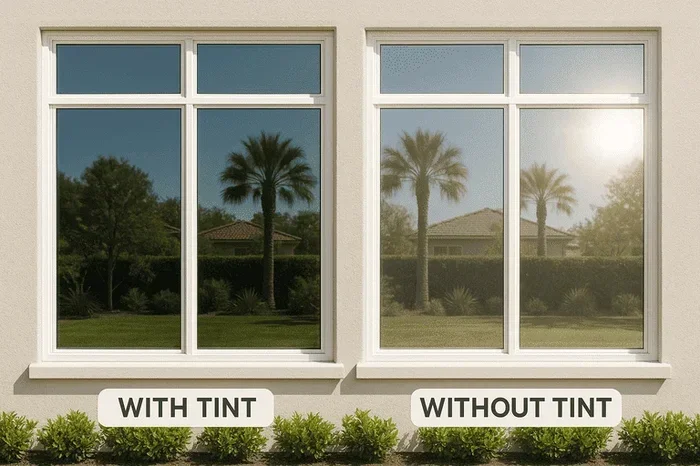
The window tint percentage refers to how much light a window film allows to pass through your glass. This measurement is called Visible Light Transmission, or VLT for short. A higher VLT percentage means more light gets through, while a lower percentage means less light enters your home.
When you choose the right window tint percentage, you are essentially controlling how your windows interact with sunlight. Think of it like sunglasses for your home. Just as you would not wear the darkest sunglasses indoors, you should not tint every window in your house the same way.
How VLT Ratings Work
VLT ratings range from 1 percent to 99 percent. Here is a quick breakdown of what these numbers mean:
- 1-10% VLT (Very Dark): These tints block almost all light. They offer maximum privacy and heat rejection but can make rooms feel dark during the day.
- 15-35% VLT (Medium Dark): A popular choice for residential homes. These provide good privacy, solid heat reduction, and still allow plenty of natural light.
- 40-50% VLT (Light Tint): These tints reduce glare and UV rays slightly while keeping rooms bright and airy.
- 50-80% VLT (Very Light): Nearly clear films that offer minimal tinting benefits. Best for people who want a subtle upgrade without changing the look of their windows.
The key is finding the balance between comfort, aesthetics, and function. Choosing the right window tint percentage depends on what you want to achieve in each space.
How to Choose the Right Window Tint Percentage for Each Room
Every room in your home has different needs. The kitchen faces the afternoon sun and builds up heat fast. The bedroom needs privacy and darkness for sleeping. The living room gets heavy glare during movie time. Let us go room by room so you can choose the right window tint percentage for every space.
Living Room
The living room is usually the most exposed to sunlight, especially if it has large windows or glass doors. A medium tint percentage between 20% and 35% works well here. It reduces solar heat gain significantly while still letting in enough light to keep the room feeling open and welcoming.
If your living room faces west and gets intense evening sun, consider a slightly darker tint around 15-20%. Pair it with a heat rejection film that blocks infrared rays. This keeps the room cool without making it feel like a cave.
Bedroom
Sleep quality matters, and light control plays a big role in that. For bedrooms, a darker window tint percentage between 15% and 25% is ideal. It blocks early morning sunlight and gives you better privacy at night.
If you work night shifts or are sensitive to light, you might even consider a 10% VLT film for the bedroom. Just make sure you still have enough natural light during the day to keep your circadian rhythm healthy.
Kitchen
Kitchens often get a lot of direct sunlight, especially if they have windows above the sink or stove area. A light to medium tint around 35-45% keeps the kitchen bright while reducing glare on countertops and screens. You also get the benefit of UV protection that prevents your cabinets and flooring from fading.
Bathroom
Bathrooms need privacy more than anything else. A medium-dark tint between 15% and 25% works perfectly. It keeps prying eyes out while still allowing natural light in. Many homeowners choose a frosted or decorative window film for bathrooms, which also falls within this range.
Home Office
If you work from home, screen glare is your worst enemy. A medium tint percentage around 25-35% cuts down on glare without making your workspace too dark. Look for films that also offer infrared heat blocking to keep your office comfortable during long work hours.
Understanding VLT and Tint Darkness Levels
Not all window tint is created equal. The window tint percentage you select depends on several factors beyond just room function. Let us explore what really goes into making the right choice.
The Science Behind Solar Heat Rejection
When sunlight hits your windows, it carries energy in three forms: visible light, infrared heat, and ultraviolet radiation. A good residential window film blocks or reflects a large portion of this energy before it enters your home.
Solar heat rejection is the measure of how well a tint blocks heat. Darker tints generally reject more heat, but the film material matters just as much as the darkness level. Some advanced films use ceramic or carbon particles to block heat even at higher VLT percentages.
Glare Reduction vs. Tint Darkness
Here is something many people get wrong. Glare reduction does not always require a dark tint. Even a light film at 50% VLT can significantly reduce glare on screens and televisions. The key is the film’s construction and coatings, not just the darkness.
So when you choose the right window tint percentage, do not assume darker always means better. Consider what specific problem you are trying to solve.
Privacy and Tint Darkness
Darker tints provide better privacy during the day because they make it harder for people outside to see in. However, at night, the effect reverses. When your interior lights are on, people outside can still see in regardless of the tint percentage.
If you need nighttime privacy too, consider a dual-reflective window film. This type of film has a reflective coating on the outside that works like a mirror during the day but allows you to see out at night.
UV Protection Across All Tint Levels
One of the biggest benefits of window tinting is UV protection. High-quality films block up to 99 percent of harmful UV rays regardless of the tint percentage. This means even a light tint at 70% VLT can protect your skin and your furniture from sun damage.
This is great news if you want the benefits of fading prevention without making your rooms too dark. You can choose the right window tint percentage for aesthetics and still get excellent UV protection.
Benefits of Choosing the Right Window Tint Percentage
When you invest time in selecting the correct window tint percentage, the benefits go far beyond looks. Let us look at what you can expect.
Energy Savings and Cooling Costs
This is one of the biggest reasons homeowners tint their windows. A quality heat reduction film can lower your cooling costs by 20 to 30 percent during summer months. The solar control window film blocks infrared heat before it enters your home, which means your air conditioner does not have to work as hard.
Over time, these savings add up significantly. Many homeowners report paying for their window tinting through energy savings alone within two to three years.
Protection for Furniture and Flooring
Sun damage is one of the leading causes of faded furniture, carpets, and curtains. UV blocking window film prevents this damage by filtering out the rays that cause fading. Your home interior stays looking newer for longer, which saves you money on replacements and repairs.
Improved Comfort and Livability
Rooms with the right tint darkness feel more comfortable year-round. In summer, the heat is manageable. In winter, some window films actually add a layer of insulation that helps retain indoor heat. This makes your home more comfortable no matter the season.
Enhanced Privacy and Security
The right window tint percentage gives you peace of mind. You can go about your daily life without worrying about neighbors or passersby looking into your home. Some security window films also make your glass harder to break, adding an extra layer of protection.
Common Mistakes When Choosing Window Tint Percentage
Even with the best intentions, many homeowners make mistakes when selecting their window tint percentage. Here are the most common ones to avoid.
Going Too Dark Without Checking Local Laws
Every city and state has different regulations regarding window tint darkness. Some areas restrict front-facing windows to a minimum VLT of 70 percent, while others allow darker tints on side and rear windows. Before you purchase any residential window film, check your local tinting laws and local regulations.
Ignoring these rules can result in fines and the hassle of having to remove and replace your tint. Do your homework first.
Focusing Only on Darkness
As we discussed earlier, darkness is not everything. A dark tint that does not block heat or UV rays is not doing its job. Always look at the full performance specs of the film, including solar heat rejection rates, UV blockage percentages, and glare reduction levels.
Choosing the Same Tint for Every Window
Your home has different rooms with different needs. Using one window tint percentage for every window is a missed opportunity. A customized approach gives you the best results for comfort, privacy, and energy efficiency.
Skipping Professional Installation
DIY window tint kits are tempting because they are cheaper. But they often lead to bubbles, peeling, misalignment, and poor adhesion. Professional installation ensures a clean, bubble-free finish that lasts for years. The extra cost is well worth the quality and durability you get.
How to Find a Professional for Window Tinting
Once you know what window tint percentage you need, the next step is finding a reliable installer. Here are some tips to help you choose the right professional.
- Look for experience: Choose a company that specializes in residential window film installation and has several years of experience.
- Check reviews: Read customer reviews on Google, Yelp, and Facebook. Look for consistent feedback about quality and customer service.
- Ask about warranties: Reputable companies offer warranties on both their films and their installation work. A lifetime or extended warranty is a good sign.
- Request a quote: Get at least three quotes to compare pricing. Be wary of prices that seem too good to be true.
- Ask about film brands: Top brands like 3M, Llumar, and SunTek offer superior performance and durability. Make sure your installer uses quality materials.
Taking the time to find the right professional pays off in the long run. A proper installation looks better, performs better, and lasts longer than a rushed job.
Quick Tips for Choosing the Right Window Tint Percentage
- Assess your main goal first: Is it heat control, privacy, glare reduction, or UV protection? Your goal determines the right percentage.
- Consider your climate: Hotter climates benefit from darker tints with higher solar heat rejection. Cooler climates may prefer lighter tints to let in warmth.
- Test a sample: Many installers offer sample pieces. Try a small section on one window before committing to a full-house tint.
- Think about your furniture: If you have expensive hardwood floors or leather furniture, prioritize UV protection even if you prefer a lighter tint.
- Factor in your budget: Higher-quality films cost more upfront but deliver better performance and last longer. Think of it as a long-term investment.
- Ask about multi-layer films: These advanced films offer excellent performance at higher VLT percentages, giving you the best of both worlds.
Expert Insights on Window Tint Selection
We spoke with several industry professionals to get their take on choosing the right window tint percentage. Here is what the experts had to say.
Mark T., Certified Window Film Installer: “The number one mistake I see is people choosing tint based on how it looks in a showroom. The tint that looks perfect in a shop might not perform the same way in your home. Always consider your specific window orientation, climate, and room function.”
Sarah L., Energy Efficiency Consultant: “I always recommend customers start with their biggest heat gain windows. Those are usually the south-facing and west-facing windows. Tint those first and you will see the biggest impact on your energy bills.”
Dr. James K., UV Research Specialist: “Even a 50% VLT film blocks over 99% of UV radiation. You do not need a dark tint to get excellent protection. This is great news for homeowners who want to preserve their natural light while protecting their health and belongings.”
These insights reinforce the importance of a thoughtful, informed approach to window tint percentage selection. There is no one-size-fits-all answer. The best choice is the one tailored to your specific situation.
Comparison: Common Window Tint Percentages and Their Uses
| Tint Percentage (VLT) | Best For | Privacy Level | Heat Rejection | Natural Light |
|---|---|---|---|---|
| 5-10% | Bathrooms, home theaters | Very High | Excellent | Low |
| 15-25% | Bedrooms, dining rooms | High | Very Good | Moderate |
| 30-40% | Living rooms, offices | Moderate | Good | Good |
| 45-55% | Kitchens, light rooms | Low | Moderate | High |
| 60-80% | Subtle glare reduction | Minimal | Low | Very High |
This table gives you a general starting point. Your specific needs may vary based on your home’s orientation, your local climate, and your personal preferences.
Conclusion
Choosing the right window tint percentage is one of the smartest home improvements you can make. It protects your furniture, lowers your energy bills, boosts your privacy, and makes every room more comfortable. The key is understanding what each percentage offers and matching it to the specific needs of each room in your home.
Start by identifying your main goals. Then consider your local tinting laws and local regulations. Pick the right VLT rating for each space. And finally, invest in professional installation to get the best results.
Whether you want maximum heat reduction film performance or a subtle energy efficiency boost, the right window tint percentage is out there waiting for you. Take your time, do your research, and enjoy the benefits of a properly tinted home for years to come.
Frequently Asked Questions
What is the best window tint percentage for a home?
There is no single best percentage because it depends on the room and your goals. For most living spaces, a window tint percentage between 20% and 35% offers the best balance of heat rejection, privacy, and natural light. Bedrooms often do well with 15-25%, while kitchens benefit from lighter tints around 35-45%.
Is it legal to tint home windows to any percentage?
No, local regulations vary by city, county, and state. Some areas restrict how dark you can tint certain windows, especially front-facing ones. Always check your local tinting laws before purchasing and installing any residential window film.
Does a darker tint block more UV rays?
Not necessarily. UV protection comes from the film’s coatings and materials, not just its darkness. Even a light tint at 50% VLT can block up to 99% of harmful UV rays when it is a high-quality film. Always check the UV blockage rating on the product specs.
Can I tint my windows myself?
Yes, DIY kits are available, but they require patience and skill. Improper installation often leads to bubbles, peeling, and an unattractive finish. For the best results and long-lasting performance, professional installation is highly recommended.
How long does window tint last?
High-quality heat rejection film installed by a professional can last 10 to 20 years or more. The lifespan depends on the film brand, the quality of installation, and how much direct sunlight your windows receive.
Will window tinting make my rooms too dark?
Not if you choose the right percentage. Lighter tints at 40-50% VLT reduce glare and block UV rays while keeping rooms bright. You can also use different percentages in different rooms to get the exact level of light you want in each space.