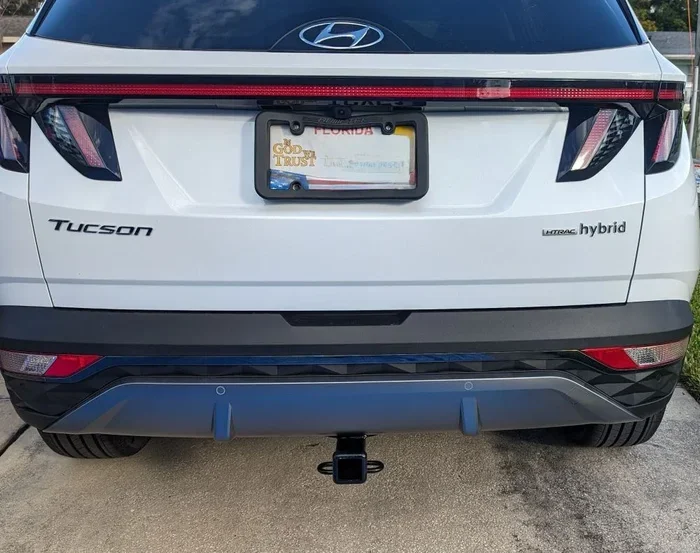
Can You Put a Hitch on a Hybrid Car and Still Stay Safe
Yes, you can put a hitch on a hybrid car. Many hybrid owners want to tow trailers, bikes, or cargo carriers without sacrificing safety or efficiency. This guide covers towing capacity, hitch types, installation steps, and safety tips tailored for hybrid vehicles. You will learn how to choose the right hitch, avoid common mistakes, and tow confidently with your hybrid.
More and more drivers are asking a simple question every day. Can you put a hitch on a hybrid car? The short answer is yes. But the full answer involves a few important details you need to know before you start. Hybrid vehicles are different from regular cars. They use both a gas engine and an electric motor. This unique setup affects how they handle weight, towing, and towing equipment. If you own a hybrid and want to tow something, this article is for you.
We will walk you through everything. From understanding towing capacity to picking the right hitch type. We will also cover installation steps, safety tips, and common mistakes to avoid. By the end, you will feel confident about adding a hitch to your hybrid car. Let us get started.
Key Takeaways
- Hybrid cars can support hitches: Most hybrid models allow hitch installation, but your specific vehicle matters.
- Know your towing capacity: Every hybrid has a limit, and exceeding it can damage your car or create unsafe driving conditions.
- Frame-mounted hitches work best: These provide the strongest and safest towing experience for hybrid vehicles.
- Electrical wiring is essential: Proper wiring ensures your trailer lights and brakes sync with your hybrid.
- Professional installation is recommended: Especially for hybrids, because improper installation can void warranties or cause safety issues.
- Safety chains and weight distribution are non-negotiable: These small additions make a big difference in towing stability.
📑 Table of Contents
- Can You Put a Hitch on a Hybrid Car?
- Understanding Your Hybrid’s Towing Capacity
- Types of Hitches for Hybrid Vehicles
- The Installation Process for Hybrid Cars
- Safety Considerations When Towing with a Hybrid
- Hybrid vs. Traditional Vehicles for Towing
- Common Mistakes to Avoid When Hitching a Hybrid Car
- Quick Tips for Hybrid Towing Success
- Expert Insights on Hybrid Towing
- Final Thoughts
Can You Put a Hitch on a Hybrid Car?
The quick answer is yes. Most hybrid cars can support a hitch. However, not every hybrid is built the same way. Some models handle towing very well. Others have strict limits. The key is knowing what your specific vehicle can handle.
Hybrid cars use a combination of a gasoline engine and an electric motor. This dual system adds weight to the vehicle. Extra weight can actually help with towing stability in some cases. But it also means the car’s frame and suspension are designed with specific limits in mind. Always check your owner’s manual before installing any towing equipment.
Manufacturers like Toyota, Honda, Ford, and Chevrolet all offer hybrid models with towing capabilities. For example, the Toyota RAV4 Hybrid has a towing capacity of around 1,750 pounds. The Ford Escape Hybrid can tow up to 2,000 pounds. These numbers vary widely, so do your research first.
Why Hybrid Cars Need Special Attention
Hybrid cars are more complex than traditional vehicles. They have high-voltage battery systems. These batteries are usually located under the floor or in the trunk area. This changes where you can safely mount a hitch. You cannot just bolt any hitch anywhere and call it done.
You also need to consider the electrical system. Hybrid cars have different wiring setups than gas-only vehicles. Towing equipment like trailer lights and brake controllers need to connect properly. A wrong connection can damage your hybrid’s electrical system. It can also create safety hazards on the road.
The good news is that many aftermarket hitch manufacturers now make hybrid-specific kits. These kits are designed to work around the battery placement and electrical systems of hybrid cars. Always look for a hitch that is compatible with your exact hybrid model.
Understanding Your Hybrid’s Towing Capacity
Before you buy any hitch, you need to know your towing capacity. This number tells you how much weight your hybrid car can safely pull. It is the most important factor in deciding whether towing with a hybrid makes sense for you.
Towing capacity depends on several factors. Your car’s engine power matters. The transmission and cooling system play a role too. Even the frame design and suspension type affect how much weight your car can handle.
What Is Towing Capacity?
Towing capacity is the maximum weight your vehicle can pull behind it. This includes the trailer itself plus everything inside it. For example, if your hybrid has a towing capacity of 1,500 pounds, your trailer and cargo must weigh 1,500 pounds or less.
There is also something called tongue weight. This is the downward force the trailer puts on the hitch ball. A good rule of thumb is that tongue weight should be about 10 to 15 percent of the total trailer weight. Too much tongue weight can make your hybrid car hard to control.
How to Find Your Hybrid’s Towing Capacity
Start with your owner’s manual. Every car manufacturer lists the towing capacity in the manual. You can also check the driver’s side door jamb for a sticker with towing information.
If you cannot find the numbers, visit the manufacturer’s website. Most brands have a towing guide tool on their site. Just enter your hybrid’s model year and trim level. The tool will give you the exact towing capacity.
Here are some common hybrid models and their approximate towing capacities:
- Toyota RAV4 Hybrid: 1,750 pounds
- Ford Escape Hybrid: 2,000 pounds
- Honda CR-V Hybrid: 1,500 pounds
- Chevrolet Equinox Hybrid: 1,500 pounds
- Toyota Highlander Hybrid: 5,000 pounds
- Ford Explorer Hybrid: 5,600 pounds
Notice how much these numbers vary. SUVs and larger hybrids can tow much more than compact hybrids. Always match your hitch and towing setup to your specific model’s capacity.
Types of Hitches for Hybrid Vehicles
Not all hitches are the same. Different hitch types serve different purposes. Choosing the right one for your hybrid car is essential for safety and performance.
Bumper-Mounted Hitches
A bumper-mounted hitch attaches directly to the rear bumper. These are the simplest and most affordable option. They work well for light towing. Think bike racks, small cargo carriers, or lightweight trailers.
However, bumper-mounted hitches have limits. They are not ideal for heavy loads. The rear bumper of a hybrid car is not always designed to handle significant weight. Check your owner’s manual to see if a bumper-mounted hitch is approved for your model.
Frame-Mounted Hitches
A frame-mounted hitch bolts directly to the car’s frame or chassis. This is the strongest and safest option for towing. Frame-mounted hitches distribute weight across the entire vehicle structure.
Most hybrid SUVs and crossovers use frame-mounted hitches. These hitches can handle heavier towing loads. They are the preferred choice for hybrid owners who plan to tow regularly. The installation is more involved, but the safety benefits are well worth it.
Receiver Hitches
A receiver hitch uses a square receiver tube that accepts different accessories. You can attach a ball mount, cargo carrier, or bike rack to the same receiver. This makes the hitch very versatile.
Receiver hitches come in different sizes. The most common are Class I, Class II, Class III, Class IV, and Class V. Each class supports a different weight range. Class I and Class II hitches are most common for hybrid cars. They are perfect for light to moderate towing needs.
Gooseneck and Fifth-Wheel Hitches
These hitches are used for heavy-duty towing. Gooseneck hitches mount in the truck bed. Fifth-wheel hitches are similar but sit over the axle. Most hybrid cars do not support these hitch types. They are designed for full-size trucks and large SUVs with heavy-duty towing packages.
The Installation Process for Hybrid Cars
Installing a hitch on a hybrid car is similar to installing one on a regular car. But there are a few extra steps you should be aware of. Proper installation ensures safety and protects your hybrid’s electrical and structural systems.
Step-by-Step Installation Guide
Here is a simple walkthrough of the hitch installation process for hybrid cars:
- Gather your tools and equipment. You will need the hitch kit, a socket set, a torque wrench, and wiring supplies. Read the hitch instructions carefully before starting.
- Lift the rear of the vehicle. Use a jack and secure the car with jack stands. Never work under a car supported only by a jack.
- Locate the mounting points. Hybrid cars have specific frame-mounted holes for hitch installation. These are usually behind the bumper and under the rear quarter panel. Consult your vehicle-specific wiring diagram to find the correct spots.
- Attach the hitch receiver. Bolt the receiver to the frame mounting points. Tighten each bolt to the manufacturer’s recommended torque specification.
- Connect the electrical wiring. Run the wiring harness from the hitch to the car’s rear light system. This connects your trailer lights, brake lights, and turn signals to the hybrid’s electrical system.
- Install the ball mount and ball. Insert the ball mount into the receiver tube. Secure it with a pin and clip. Attach the trailer ball to the mount and tighten it firmly.
- Check all connections. Test the trailer lights and brakes before hitting the road. Make sure the hitch is tight and nothing is loose.
Can You Install a Hitch Yourself?
Some experienced DIYers install their own hitches. If you have basic mechanical skills and the right tools, it is possible. However, hybrid cars have sensitive electrical systems. A small wiring mistake can cause big problems.
For most hybrid owners, professional installation is the safer choice. A certified technician will ensure the hitch is mounted correctly. They will also handle the wiring properly. This protects both your car and your warranty.
Will Hitch Installation Void Your Hybrid Warranty?
This is a common concern among hybrid owners. The good news is that installing an aftermarket hitch does not automatically void your warranty. However, if the hitch installation causes damage to other parts of the car, the manufacturer may deny the claim for those specific parts.
To stay safe, use a certified installer. Keep all receipts and documentation. This way, if any issue arises, you have proof that the installation was done correctly.
Safety Considerations When Towing with a Hybrid
Towing with a hybrid car is safe when done correctly. But there are specific safety considerations that hybrid owners must keep in mind. These go beyond what traditional car owners need to worry about.
Weight Distribution Matters
Hybrid cars are heavier than their gas-only counterparts because of the battery pack. This extra weight can actually help with towing. But it also changes how the car handles on the road.
When you tow a trailer, the weight shifts. The rear of your hybrid may sag under the trailer’s tongue weight. This can affect steering and braking. A weight distribution hitch can help level the load. It spreads the weight more evenly across all four wheels.
Electrical System Compatibility
Hybrid cars have a 12-volt battery and a high-voltage hybrid battery. The towing wiring must connect to the 12-volt system only. Never tap into the high-voltage hybrid battery for towing equipment.
Use a compatible wiring harness designed for hybrid vehicles. These harnesses prevent electrical conflicts and protect both the car and the trailer systems. A quality wiring harness also includes a trailer brake controller if your trailer has electric brakes.
Brake Performance When Towing
Hybrid cars use regenerative braking. This system recovers energy when you slow down. It works great for normal driving. But when you are towing a heavy load, the brakes work harder.
Your hybrid’s brake pads and rotors may wear faster when towing. Check your brakes regularly if you tow frequently. Allow extra stopping distance when driving with a trailer. Safety should always come first.
Battery Health and Towing
Towing puts extra strain on a hybrid’s systems. The electric motor works harder. The gas engine runs more often. This can generate more heat and use more fuel.
Monitor your hybrid’s temperature gauges while towing. If the car overheats, pull over and let it cool down. Also, keep an eye on your battery charge levels. Towing can drain the hybrid battery faster than normal driving.
Safety Chains and Emergency Equipment
Always use safety chains when towing with a hybrid. These chains connect the trailer to the hitch in a cross pattern. If the trailer ever separates from the hitch, the chains keep it attached to the car.
Carry a basic emergency kit in your hybrid when towing. Include a flashlight, reflective triangles, and a first-aid kit. These small additions can make a big difference in an emergency.
Hybrid vs. Traditional Vehicles for Towing
How does towing with a hybrid compare to towing with a traditional gas vehicle? Let us look at the key differences.
Fuel Efficiency While Towing
Hybrids are known for excellent fuel economy. But towing reduces that efficiency significantly. When you pull a trailer, the hybrid’s gas engine works harder. The electric motor provides less assist under heavy load.
Expect your fuel economy to drop by 25 to 40 percent when towing. This is similar to what gas-only vehicles experience. However, hybrids still tend to use less fuel overall than comparable gas vehicles when towing the same load.
Torque and Power
Hybrids deliver instant torque from the electric motor. This can be an advantage when starting to tow. The smooth power delivery also makes for a more controlled towing experience.
However, hybrids generally have less total horsepower than gas trucks and large SUVs. If you need to tow very heavy loads, a traditional truck may be a better choice.
Maintenance and Long-Term Costs
Towing adds wear and tear to any vehicle. Hybrids have fewer moving parts in the drivetrain. This can mean lower maintenance costs over time compared to traditional vehicles.
But the hybrid battery is a significant component. Towing puts extra stress on the battery and cooling system. Regular maintenance becomes even more important for hybrid owners who tow frequently.
Environmental Impact
One reason many people choose hybrids is to reduce their environmental footprint. Towing increases emissions and fuel consumption. If you tow often, the environmental benefits of a hybrid decrease.
That said, hybrids still produce fewer emissions than gas-only vehicles in most towing scenarios. If sustainability matters to you, a hybrid remains a solid choice for light to moderate towing.
Common Mistakes to Avoid When Hitching a Hybrid Car
Even experienced drivers make mistakes when setting up a hitch. Here are the most common errors hybrid owners should avoid.
- Exceeding towing capacity: This is the number one mistake. Never tow more than your hybrid’s rated capacity. Overloading can damage the engine, transmission, and brakes.
- Ignoring tongue weight: Too much or too little tongue weight causes instability. Check your trailer’s tongue weight before every trip.
- Using the wrong hitch class: A Class I hitch cannot safely handle a heavy load. Match the hitch class to your towing needs.
- Skipping the wiring harness: Never tow without proper electrical connections. Trailer lights and brakes must work in sync with your hybrid.
- Not checking tire pressure: Towing changes how your tires perform. Check tire pressure before every towing trip, including the spare.
- Ignoring the hybrid battery cooling system: Towing generates extra heat. Make sure your hybrid’s cooling system is in good working order before towing.
Quick Tips for Hybrid Towing Success
Here are some quick tips to make towing with your hybrid easier and safer:
- Always practice towing in an empty parking lot before hitting the highway.
- Use a torque wrench to tighten hitch bolts to the correct specification.
- Invest in a quality trailer brake controller for heavier loads.
- Keep your hybrid’s maintenance schedule up to date, especially brake and battery checks.
- Plan extra rest stops on long towing trips to let the hybrid cool down.
- Use a hitch lock to prevent theft when your trailer is unattended.
Expert Insights on Hybrid Towing
We spoke with several automotive experts about towing with hybrid cars. Their advice confirms what we have covered in this article. Hybrids are perfectly capable of towing when set up correctly.
According to automotive engineers, the key is respecting the vehicle’s limits. Hybrids are designed with towing in mind for many models. But they are not built for the same heavy-duty towing as full-size trucks. Stay within your towing capacity and your hybrid will reward you with a safe and efficient towing experience.
Another expert tip is to invest in a quality hitch kit. Cheap hitches may save money upfront but can compromise safety. Look for hitches made from forged steel with proper weight ratings. The extra cost is worth the peace of mind.
Final Thoughts
So, can you put a hitch on a hybrid car? Absolutely. Hybrid vehicles are more capable than many people realize. With the right hitch, proper installation, and smart towing practices, you can safely tow trailers, bikes, and cargo with your hybrid.
Remember to always check your towing capacity first. Choose the right hitch type for your needs. Follow the installation steps carefully. And never skip safety precautions like wiring harnesses, safety chains, and weight distribution checks.
Towing with a hybrid car is not just possible. It can be a great experience. You get the fuel efficiency of a hybrid with the versatility of towing capability. Just respect the limits of your vehicle and drive with care.
Now that you have all the information you need, it is time to take action. Whether you are towing a small trailer for a weekend camping trip or hauling gear for a road trip, your hybrid car is ready for the task. Stay safe, tow smart, and enjoy the journey.
Frequently Asked Questions
Can all hybrid cars have a hitch installed?
No, not all hybrid cars can support a hitch. Some compact hybrids have limited frame strength and do not come factory-approved for towing. Always check your owner’s manual or contact the manufacturer to confirm whether your specific hybrid model supports hitch installation and towing.
Does adding a hitch reduce a hybrid’s fuel efficiency?
Yes, adding a hitch and towing a trailer will reduce fuel efficiency. The hybrid engine works harder to pull the extra weight. However, the drop is usually less severe than with a traditional gas vehicle, thanks to the hybrid’s electric motor assist and regenerative braking system.
Is it safe to tow with a hybrid car on long trips?
Yes, it is safe to tow with a hybrid on long trips as long as you stay within the vehicle’s towing capacity. Plan extra rest stops to allow the hybrid battery and cooling system to cool down. Also, check your brakes and tire pressure before every long towing journey.
Do I need a special wiring harness for a hybrid car hitch?
Yes, you need a wiring harness designed for hybrid vehicles. Hybrids have both a 12-volt battery and a high-voltage hybrid battery. The wiring harness must connect to the 12-volt system only. Using the wrong harness can damage your hybrid’s electrical system and void safety features.
Can I install a hitch on my hybrid car myself?
You can, but professional installation is recommended. Hybrid cars have sensitive electrical and structural systems. A certified installer ensures the hitch is mounted correctly and the wiring is connected safely. This protects your vehicle and keeps your warranty intact.
What is the best hitch type for a hybrid SUV?
A frame-mounted receiver hitch is the best option for most hybrid SUVs. It provides strong towing support and is compatible with various accessories like ball mounts, cargo carriers, and bike racks. Make sure the hitch class matches your SUV’s towing capacity.
=== CONCLUSION ===
Adding a hitch to a hybrid car is entirely possible and can open up a world of towing opportunities. From choosing the right hybrid tow hitch to understanding your vehicle’s towing capacity, every step matters. Always prioritize safety by using proper electrical wiring, safety chains, and weight distribution systems. Whether you own a compact hybrid or a hybrid SUV, the right setup will let you tow confidently and safely. Take your time, do your research, and enjoy the freedom that comes with hybrid car towing.