Car Number Plate Cover Tips Every Driver Should Know
A car number plate cover protects your license plate from weather, dirt, and theft while keeping your vehicle looking sharp. This guide covers everything from choosing the right cover to installing and maintaining it properly. You will learn about different cover types, common mistakes, and expert-backed tips that every driver should know.
Have you ever looked at your car and noticed the license plate looks dull, scratched, or faded? It happens to almost every driver. Sun, rain, road salt, and general wear take a toll on your plates over time. That is where a car number plate cover comes in handy.
A car number plate cover is a simple yet effective accessory that shields your license plate from damage. It keeps your plates looking clean and legible. More importantly, it can protect your investment and keep you on the right side of the law. In this guide, we will walk you through everything you need to know about license plate covers. Whether you are a new driver or have been driving for years, these tips will help you make the best choice for your vehicle.
Let us be real. Most people do not think about their number plates until something goes wrong. A faded plate can lead to a ticket. A rusty plate can affect your vehicle inspection. And a stolen plate means a huge headache. A good number plate cover prevents all of these problems. It is one of those small car accessories that delivers big results.
In this article, we will cover the different types of car number plate covers available, how to choose the right one, installation tips, common mistakes, and maintenance advice. By the end, you will have everything you need to keep your plates in top shape. Let us get started.
Key Takeaways
- UV and weather protection: A quality car number plate cover shields your plate from sun damage, rain, snow, and road grime.
- Types matter: Plastic, metal, and custom covers each offer unique benefits for different driving needs.
- Proper installation is key: A poorly fitted cover can block visibility and lead to fines.
- Legal compliance is essential: Always check local laws before using any plate cover.
- Regular maintenance extends lifespan: Cleaning and inspecting your cover keeps it effective for years.
- Anti-theft options add security: Specialized covers deter thieves from stealing or swapping your plates.
- Custom covers boost style: You can protect your plate and personalize your vehicle at the same time.
📑 Table of Contents
- What Is a Car Number Plate Cover and Why Do You Need One
- Types of Car Number Plate Covers Available
- How to Choose the Right Car Number Plate Cover for Your Vehicle
- Installing Your Car Number Plate Cover: A Step-by-Step Guide
- Common Mistakes to Avoid with Number Plate Covers
- Maintaining and Cleaning Your Car Number Plate Cover
- Expert Insights on Car Number Plate Covers
- Benefits of Using a Car Number Plate Cover
- Final Thoughts on Car Number Plate Covers
What Is a Car Number Plate Cover and Why Do You Need One
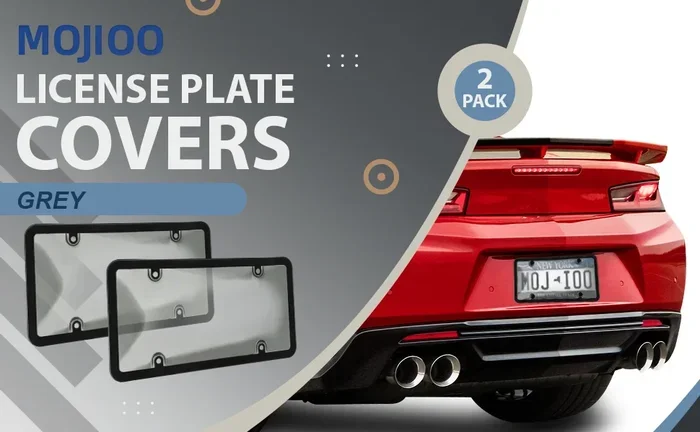
A car number plate cover is a protective shell or frame that fits over your license plate. It can be made from plastic, metal, or a combination of materials. The cover sits over the front or rear plate and guards it against the elements. Some covers are clear and nearly invisible. Others are tinted or colored for a custom look.
You might wonder, do I really need one? The answer is yes. Here is why a license plate cover matters:
- Weather protection: Rain, snow, hail, and UV rays can fade and corrode your plates. A cover acts as a shield.
- Road grime defense: Mud, dirt, and salt spray build up on plates fast. A cover makes cleaning much easier.
- Anti-theft benefits: Specialized covers make it harder for thieves to remove or swap your plates.
- Visual clarity: A clean, protected plate is easier for cameras and law enforcement to read.
- Vehicle appearance: A good cover keeps your car looking polished from bumper to bumper.
Think of a number plate protector as insurance for your plates. It costs a little but saves you a lot of trouble down the road. Many drivers invest in high-quality car accessories like seat covers, floor mats, and dashboard protectors. A plate cover fits right into that same category of smart vehicle care.
How a Car Number Plate Cover Protects Your Plates
Your license plates take a beating every time you drive. The front plate faces the road, taking hits from debris and gravel. The rear plate deals with exhaust heat, road spray, and tailgate debris. Over months and years, this damage adds up.
A car number plate cover creates a physical barrier between your plate and the environment. UV-resistant covers prevent sun bleaching. Waterproof covers stop moisture from seeping into the plate material. Anti-corrosion covers protect against salt and chemicals used on roads in winter. The result is a plate that stays clear, bright, and fully readable for much longer.
Some covers also feature built-in reflective elements. These improve nighttime visibility, which helps cameras and police scanners read your plate more easily. This is a small detail that makes a big difference in road safety.
Types of Car Number Plate Covers Available
The market for license plate covers has grown a lot in recent years. There are now many options to choose from. Let us break down the most popular types of car number plate covers so you can find the best fit for your needs.
Plastic Plate Covers
Plastic covers are the most common type of car number plate cover. They are lightweight, affordable, and easy to install. Most plastic covers are made from polycarbonate or ABS material, which is durable and impact-resistant.
Clear plastic covers are popular because they are nearly invisible. They protect the plate without changing its appearance. Tinted plastic covers offer a sleek, custom look. Some drivers prefer smoked or black-tinted covers for a sporty feel.
Here are the pros and cons of plastic covers:
- Pros: Lightweight, affordable, easy to install, UV-resistant options available, clear visibility.
- Cons: Can yellow over time, may crack in extreme cold, less durable than metal options.
Metal Plate Covers
Metal number plate covers are built for durability. They are usually made from stainless steel or aluminum. These covers offer the highest level of protection against physical damage, vandalism, and theft.
Metal covers are heavier than plastic ones, but they last much longer. They are ideal for trucks, SUVs, and vehicles that spend a lot of time on rough roads. Some metal covers come with locking mechanisms that require a special key to remove.
- Pros: Extremely durable, anti-theft features, resistant to impact and vandalism, long lifespan.
- Cons: Heavier, more expensive, may affect plate temperature in direct sun.
Custom and Decorative Covers
Want your car number plate cover to match your personal style? Custom covers are a great option. You can find covers with patterns, colors, and even LED lighting. Some covers feature your state name or a custom design.
However, you need to be careful with custom covers. Many states have strict laws about plate visibility. Covers that are too dark, too reflective, or too decorative can lead to fines. Always make sure your custom cover allows the plate numbers and letters to remain fully readable.
All-Weather and Universal Covers
An all-weather plate cover is designed to handle any climate. These covers are made from materials that resist heat, cold, rain, and UV exposure. Universal covers fit most standard plate sizes and work on cars, trucks, and SUVs alike.
If you live in an area with harsh winters or intense sun, an all-weather cover is a smart investment. It handles the toughest conditions without cracking, warping, or fading.
How to Choose the Right Car Number Plate Cover for Your Vehicle
Choosing the right car number plate cover depends on several factors. You need to think about your climate, driving habits, vehicle type, and local laws. Let us walk through the key considerations.
Consider Your Climate
Where do you live? If you deal with heavy snow and road salt, you need a cover that resists corrosion. If you live in a sunny, hot climate, UV protection should be your top priority. For rainy areas, a waterproof cover is essential.
Here is a quick guide:
- Sunny climates: Choose UV-resistant plastic or polycarbonate covers.
- Cold and snowy climates: Go for anti-corrosion metal covers or heavy-duty plastic.
- Rainy climates: Pick waterproof covers with drainage holes or channels.
- Mixed climates: All-weather universal covers work best.
Check Local Laws and Regulations
This is one of the most important steps. Not every number plate cover is legal in every state or country. Some jurisdictions ban tinted covers entirely. Others allow clear covers but prohibit covers that alter the plate’s appearance.
Before you buy a car number plate cover, check your local vehicle regulations. You can usually find this information on your state’s DMV website or by calling their customer service line. The last thing you want is a ticket for a cover that is not road legal.
Match the Cover to Your Vehicle Type
Different vehicles need different covers. A compact car has smaller plates than a full-size truck. Make sure you measure your plates before purchasing a cover. Most license plate covers are listed by plate size, so you can find the right fit easily.
For trucks and SUVs, consider heavier-duty covers. These vehicles often face more road debris and harsher conditions. A sturdy metal or thick plastic cover will hold up better over time.
Installing Your Car Number Plate Cover: A Step-by-Step Guide
Installing a car number plate cover is straightforward for most models. You do not need special tools or mechanical skills. Here is a simple step-by-step guide that works for most plastic and metal covers.
Step 1: Clean Your License Plate
Before you put on any cover, clean the plate thoroughly. Use warm water, mild soap, and a soft cloth. Remove all dirt, grease, and debris. A clean surface ensures the cover sits flush and does not trap moisture underneath.
Step 2: Dry the Plate Completely
Use a dry towel or let the plate air dry. Moisture trapped under a cover can lead to rust and mold. Take a moment to make sure the plate is completely dry before moving to the next step.
Step 3: Align the Cover
Place the cover over the plate and align the screw holes. Most covers have pre-drilled holes that match the mounting points on your plate. Take your time with this step. Proper alignment makes the whole process smoother.
Step 4: Secure the Cover
Fasten the screws or bolts that come with your cover. Tighten them firmly but do not overtighten. Overtightening can crack plastic covers or strip the threads. For metal covers with locking mechanisms, make sure you keep the key in a safe place.
Step 5: Check Visibility
Once the cover is installed, step back and check the plate. Make sure the numbers and letters are fully visible from all angles. Walk around your vehicle and check from the front, rear, and sides. If any characters are obscured, adjust the cover or remove it and try again.
Quick Tip: Use a torque wrench to tighten screws to the manufacturer’s recommended specification. This prevents damage and ensures a secure fit.
Common Mistakes to Avoid with Number Plate Covers
Even with the best intentions, drivers make mistakes when using car number plate covers. Here are the most common errors and how to avoid them.
Choosing an Illegal Cover
The biggest mistake is buying a cover that violates local laws. Dark-tinted covers, covers with patterns, and covers that block any part of the plate can get you pulled over. Always verify that your cover meets legal requirements before you install it.
Ignoring Fit and Size
A cover that is too big or too small will not protect your plate properly. It may shift while driving, rattle, or even fall off. Always measure your plates and check the product specifications before purchasing.
Skipping Regular Cleaning
A cover protects your plate, but the cover itself needs cleaning. Dirt and grime can build up on the cover and reduce its transparency. If you have a clear cover, clean it regularly with a gentle cleaner and a soft cloth.
Overlooking Ventilation
Some covers trap heat and moisture. This can lead to condensation under the cover, which can damage the plate over time. Look for covers with small ventilation holes or gaps that allow air to circulate.
Forgetting to Check After Driving
After long drives or in harsh weather, check your cover for damage. Cracks, loose screws, and warping can happen over time. Catching these issues early prevents bigger problems later.
Maintaining and Cleaning Your Car Number Plate Cover
A car number plate cover lasts longer with proper care. Maintenance is simple and only takes a few minutes. Here is how to keep your cover in great shape.
Cleaning Tips
- Wash your cover with warm water and mild soap every two weeks.
- Use a soft microfiber cloth to avoid scratching the surface.
- For stubborn grime, use a gentle all-purpose cleaner. Avoid harsh chemicals that can damage the cover material.
- Dry the cover thoroughly after washing to prevent water spots.
- For metal covers, apply a thin layer of automotive wax every few months for extra protection.
Inspection Checklist
Inspect your number plate protector once a month. Look for cracks, loose fittings, discoloration, and warping. Check the screws and make sure they are tight. If you notice any damage, replace the cover promptly. A damaged cover does more harm than good because it can trap moisture against the plate.
When to Replace Your Cover
Even the best covers wear out eventually. Replace your car number plate cover if you notice any of the following:
- Cracks or splits in the material
- Yellowing or significant discoloration
- Loose or missing screws
- Reduced transparency or visibility
- Rust forming on metal components
Replacing a cover is inexpensive and takes just a few minutes. It is a small investment that pays off in long-term plate protection.
Expert Insights on Car Number Plate Covers
We spoke with automotive experts to get their take on car number plate covers. Here is what the professionals had to say.
Mark D., Automotive Specialist: “A car number plate cover is one of the most underrated car accessories. Most drivers do not think about their plates until they get a citation for a faded or obscured plate. A simple cover can prevent that entirely.”
Sarah L., Vehicle Safety Consultant: “When choosing a cover, always prioritize visibility. The plate must be fully readable from 50 feet or more. Any cover that compromises legibility is not worth the risk.”
Tom R., Auto Shop Owner: “I recommend metal covers for customers who live in coastal areas. Salt air is brutal on license plates. A stainless steel cover will outlast almost any other option.”
Why Experts Recommend Using a Number Plate Cover
Automotive experts agree that license plate covers are a worthwhile investment. They protect your vehicle’s appearance, keep you legally compliant, and add a layer of security. Whether you drive a daily commuter or a classic car, a plate cover is a smart addition to your vehicle care routine.
The key is to choose a high-quality cover that fits well, meets legal requirements, and suits your driving environment. With the right car number plate cover, your plates will stay clean, readable, and protected for years to come.
Benefits of Using a Car Number Plate Cover
Let us recap the main benefits of adding a car number plate cover to your vehicle. These points summarize why so many drivers are making the switch.
- Extended plate lifespan: A cover protects your plates from the elements, helping them last longer and stay readable.
- Cost savings: Replacing plates is expensive. A cover prevents damage and reduces the need for replacements.
- Legal compliance: A good cover keeps your plates clean and visible, helping you avoid fines and citations.
- Anti-theft security: Locking covers make it much harder for thieves to steal or tamper with your plates.
- Improved aesthetics: Your vehicle looks better with clean, protected plates.
- Low maintenance: Most covers require only occasional cleaning to stay effective.
- Peace of mind: Knowing your plates are protected gives you one less thing to worry about as a driver.
A car number plate cover is a small accessory that delivers big value. It is one of the easiest ways to care for your vehicle and stay compliant with the law. Whether you choose a clear plastic cover, a sturdy metal cover, or a custom-designed option, the right cover makes a real difference.
Final Thoughts on Car Number Plate Covers
Taking care of your license plates does not have to be complicated. A car number plate cover is a simple, affordable solution that protects your plates from damage, theft, and everyday wear. From choosing the right type to installing and maintaining it properly, the steps are easy and the results are lasting.
Remember to always check your local laws before purchasing a cover. Choose a cover that fits your vehicle and climate. Clean it regularly and inspect it for damage. Follow these tips and your plates will stay in excellent condition for years.
A number plate cover is more than just a car accessory. It is a practical tool that every driver should consider. It keeps your vehicle looking its best and helps you avoid unnecessary headaches. Invest in a quality car number plate cover today and enjoy the benefits every time you drive.
Your license plates work hard every day. They identify your vehicle on the road, help law enforcement do their job, and keep your registration valid. Give them the protection they deserve with a reliable car number plate cover. Your future self will thank you.
Frequently Asked Questions
Is a car number plate cover legal in all states?
No, laws vary by state and country. Some states allow clear covers, while others ban any cover that alters the plate’s appearance. Always check your local regulations before purchasing a car number plate cover to avoid fines or citations.
How long does a car number plate cover last?
A quality license plate cover can last anywhere from two to five years, depending on the material and driving conditions. Plastic covers may yellow over time, while metal covers tend to last longer with proper care.
Can a number plate cover affect my vehicle inspection?
Yes, if the cover makes the plate unreadable, it can cause you to fail a vehicle inspection. Always ensure your number plate protector keeps the plate numbers and letters fully visible and legible at all times.
Are custom car number plate covers worth it?
Custom covers can add a personal touch to your vehicle, but they must still meet legal visibility requirements. If you choose a custom car number plate cover, make sure it does not obstruct or alter the plate’s readability.
How do I clean a tinted or colored number plate cover?
Use warm water, mild soap, and a soft microfiber cloth. Avoid abrasive cleaners or scrubbers that can scratch the surface. For tinted covers, stick to gentle cleaners to preserve the color and transparency.
What is the best material for a car number plate cover?
The best material depends on your needs. Polycarbonate plastic covers are lightweight and affordable. Metal covers offer the highest durability and anti-theft protection. Choose based on your climate, driving habits, and local laws.
=== CONCLUSION ===
A car number plate cover is one of the simplest and most effective ways to protect your license plates. It shields them from weather damage, road grime, UV rays, and theft. With so many types available, from clear plastic to metal locking covers, there is an option for every driver and every budget.
Follow the tips in this guide to choose the right cover, install it properly, and maintain it over time. Avoid common mistakes like ignoring local laws or skipping regular cleaning. Your plates will stay clean, bright, and fully readable for years to come.
Take action today. Find the perfect car number plate cover for your vehicle and enjoy the peace of mind that comes with knowing your plates are well protected. A small investment now saves you time, money, and hassle in the future. Drive smart, drive protected, and let your plates do their job with confidence.