Blue and Red Light for Car Everything You Should Know
Blue and red light for car setups are more popular than ever, from emergency vehicles to off-road adventurers. These vibrant lights boost visibility, safety, and style on the road. This guide covers everything from types and installation to legal rules and buying tips. You will learn how to pick the right blue and red light for car setup with confidence. Let us dive into the details that matter most for your ride.
Key Takeaways
- Multiple Types Available: LED light bars, strobe lights, dash lights, and beacon lights all serve different purposes for your vehicle.
- Legal Rules Vary by State: Using blue and red lights on public roads comes with strict regulations that differ from place to place.
- Installation Is Straightforward: Most light bars mount easily on the roof, grill, or dash with basic tools and wiring.
- LED Technology Leads the Market: LED lights are energy-efficient, durable, and brighter than older halogen or incandescent options.
- Choose Based on Your Needs: Consider purpose, brightness, color patterns, and vehicle size before buying any light setup.
- Safety Comes First: Proper mounting, wiring, and usage ensure your blue and red lights work safely and effectively.
📑 Table of Contents
- What Is Blue and Red Light for Car?
- Why Do People Use Blue and Red Lights on Their Cars?
- Types of Blue and Red Lights for Cars
- How to Choose the Right Blue and Red Light for Your Car
- Installation Tips for Car Light Bars
- Legal Considerations for Blue and Red Car Lights
- Maintenance Tips for Your Blue and Red Car Lights
- Common Mistakes to Avoid with Car Light Setup
- Expert Insights on Blue and Red Car Lighting
- Conclusion
What Is Blue and Red Light for Car?
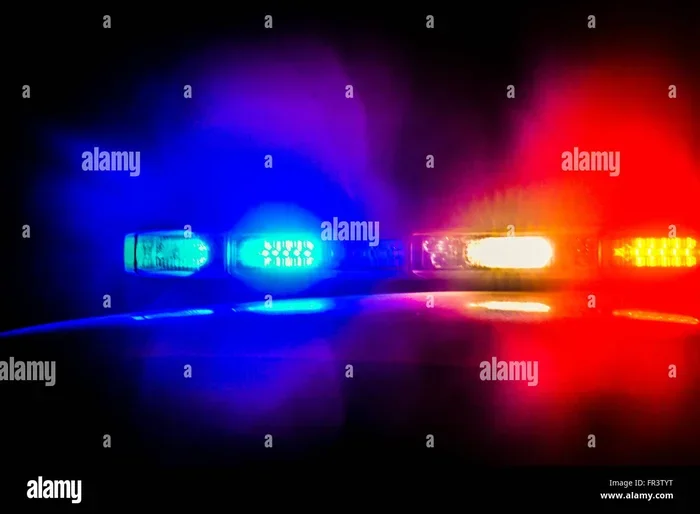
Blue and red light for car setups refer to vehicle lighting systems that use blue and red LEDs or strobes. These lights are mounted on cars, trucks, SUVs, and even motorcycles. They serve many roles, from emergency signaling to off-road visibility. You have likely seen them on police cars, fire trucks, and construction vehicles. But regular car owners also use them for safety and style.
The most common type is the LED light bar. It sits on the roof or grill and shines bright beams in multiple directions. Smaller options include dash lights, beacon lights, and strobe strips. Each type has its own strengths. Some focus on wide coverage, while others prioritize distance and intensity.
Modern vehicle light bars use advanced LED chips. These chips produce intense light while using very little power. They also last thousands of hours. This makes them a smart investment for anyone who wants reliable car lighting. The technology has improved a lot over the past decade.
People choose blue and red light for car setups for many reasons. Emergency responders need them to alert other drivers. Off-road enthusiasts use them to navigate dark trails. Some car owners simply love the bold, eye-catching look. Whatever your reason, understanding your options is the first step.
Why Do People Use Blue and Red Lights on Their Cars?
The reasons for using red and blue warning lights go far beyond just looking cool. Let us explore the main purposes people have for these lights.
Emergency and Safety Use
First responders rely on emergency vehicle lighting every single day. Police cars, ambulances, and fire engines use blue and red lights to warn other drivers. When you see those flashing colors, you know to pull over or slow down. This system has saved countless lives on the road. The bright flash pattern grabs attention instantly, even in heavy traffic.
Off-Road and Adventure Use
Off-road drivers face dark trails, dense forests, and rocky terrain. A good light bar for vehicles can make the difference between a safe trip and a dangerous one. Blue and red lights help mark your position to other drivers in remote areas. They also illuminate the path ahead, making navigation much easier. Many overlanding setups include multiple light sources for full coverage.
Work Vehicle and Construction Use
Construction crews, tow trucks, and utility workers need visible warning lights. Blue and red car warning lights alert nearby drivers to slow down and move over. This protects workers on the ground. Many work vehicles also use amber or white lights alongside red and blue. The combination creates a highly visible safety zone around the vehicle.
Personal Style and Customization
Let us be honest. Some people just love the look of a bright blue and red light bar on their car. Car shows, car meets, and custom builds often feature dramatic lighting. These setups turn heads and make a vehicle stand out. As long as you follow local laws, personalizing your ride with lights is perfectly fine.
Types of Blue and Red Lights for Cars
Not all car lights are the same. Different types serve different needs. Here is a breakdown of the most popular options you will find on the market today.
LED Light Bars
LED light bars are the most popular choice for car lighting. They come in various sizes, from compact single-row bars to long multi-row models. These bars mount on the roof, grill, or bull bar. They produce a wide or focused beam depending on the design. Many modern bars include adjustable brackets for aiming the light exactly where you need it.
Most LED vehicle light bars run on 12V or 24V systems. They draw very little power from your car battery. This means you can run them for hours without draining your engine. The brightness is measured in lumens, and high-quality bars can produce 10,000 lumens or more.
Strobe Lights
Strobe lights flash rapidly to create a attention-grabbing effect. They are common on emergency vehicles and work vehicles. Strobes can be single-color or multi-color. Many strobe kits include a control box that lets you choose flash patterns. You can select steady-on, slow flash, or rapid strobe modes.
One great thing about strobes is their visibility. The flashing pattern cuts through fog, rain, and bright sunlight better than steady lights. This is why many emergency vehicle lights use strobe technology. They simply get noticed faster.
Dash Lights and Pod Lights
Dash lights are smaller units that mount inside the car, usually on the dashboard or A-pillar. They are perfect for subtle warning signals. Pod lights are similar but slightly larger and often mount on the fender or side mirror. Both options work well for personal vehicles that need a less aggressive look.
Beacon Lights
Beacon lights sit on top of the vehicle and rotate or flash in a circular pattern. They are the classic “gumball” light you see on top of police cars and emergency vehicles. Beacons come in many colors, but blue and red are the most recognizable. They are highly visible from all angles, making them excellent for parking areas and work sites.
Light Bar Comparison Table
| Light Type | Best For | Brightness Range | Mounting Location |
|---|---|---|---|
| LED Light Bar | Off-road, work vehicles, primary lighting | 5,000 – 30,000 lumens | Roof, grill, bull bar |
| Strobe Light | Emergency signaling, work zones | 2,000 – 10,000 lumens | Roof, dash, fender |
| Dash Light | Subtle warning, personal vehicles | 500 – 3,000 lumens | Dashboard, A-pillar |
| Beacon Light | Emergency vehicles, parking areas | 1,000 – 5,000 lumens | Roof top |
| Pod Light | Side visibility, supplemental lighting | 1,000 – 6,000 lumens | Fender, mirror, grille |
Each type has its place. Many car owners combine two or more types for full coverage. For example, a roof-mounted light bar paired with dash lights gives you both distance and close-range visibility.
How to Choose the Right Blue and Red Light for Your Car
Shopping for blue and red light for car setups can feel overwhelming. There are so many brands, sizes, and features. Here is a simple guide to help you make the right choice.
Consider Your Purpose
Ask yourself what you need the lights for. Are you using them for off-road adventures? Work safety? Personal style? Your purpose determines the type, size, and brightness you need. For off-road use, a powerful roof-mounted light bar makes sense. For a subtle look, dash lights or small pods work great.
Check Brightness and Beam Pattern
Brightness is measured in lumens. More lumens means a brighter light. But brightness alone is not enough. You also need to consider the beam pattern. Some lights throw a long, narrow beam for distance. Others spread light wide for close-range coverage. The best setups use a mix of both patterns.
Look at Build Quality and Durability
Car lights face tough conditions. They deal with rain, dust, heat, and vibration. Choose lights with an IP67 or IP68 rating. This means they are waterproof and dustproof. Aluminum housings handle heat well and resist corrosion. Cheap plastic lights may crack or fade after a few months.
Think About Installation and Wiring
Some light kits come with everything you need, including wiring harnesses and mounting brackets. Others require separate purchases. Look for kits that include relay harnesses, switch controls, and clear instructions. If you are not comfortable with wiring, consider hiring a professional or choosing a plug-and-play system.
Set a Budget
Blue and red light for car kits range from under $50 to over $500. Budget kits work fine for basic needs. Higher-end kits offer better brightness, durability, and features. Set a realistic budget and compare options within that range. Remember, the cheapest option is not always the best value.
Installation Tips for Car Light Bars
Installing a light bar for vehicles is easier than most people think. With the right tools and a little patience, you can do it yourself. Here are some practical tips to make the process smooth.
Gather Your Tools
Before you start, make sure you have the basics. You will need a drill, screwdrivers, wire strippers, electrical tape, and zip ties. A wiring diagram for your specific vehicle is also helpful. Most kits come with all the mounting hardware you need.
Mounting the Light Bar
The roof is the most common mounting location for a light bar. Use a roof rack or specific mounting brackets. Make sure the mount is secure and will not rattle while driving. For grill or bull bar mounting, use the provided brackets and bolts. Always check that the light does not block your view or interfere with your headlights.
Wiring the Lights
Most kits include a relay harness. This connects the lights to your car battery and adds a switch for easy control. Route the wires neatly along the firewall and under the trim. Use zip ties to keep wires secure and away from moving parts. Never let wires hang loose near the engine or wheels.
Testing Before Final Setup
Once everything is connected, test the lights before you finalize the mount. Turn them on and check for flickering or dim spots. Make sure all colors work correctly. Adjust the angle of the light bar so it illuminates the road without blinding other drivers. This step saves headaches later.
Legal Considerations for Blue and Red Car Lights
This is one of the most important parts of the whole process. The rules around blue and red light for car usage vary widely depending on where you live. Ignorance of the law is not an excuse, so do your research before installing anything.
Emergency Vehicle Light Laws
In most states and countries, blue and red lights are reserved for emergency vehicles. Police cars, fire trucks, and ambulances have legal permission to use these colors on public roads. Civilian use of blue and red lights is often restricted or prohibited entirely. Check your local vehicle code before buying any light setup.
Off-Road and Private Property Use
Many areas allow blue and red lights on private property or off-road trails. If you are using your lights on a private ranch, at a car show, or on an off-road course, the rules are usually more relaxed. However, you still should not use them on public roads unless permitted.
Work Vehicle Exceptions
Some work vehicles qualify for exemptions. Tow trucks, construction vehicles, and utility trucks may use warning lights under specific conditions. These exemptions often require permits or special vehicle classifications. Contact your local Department of Motor Vehicles for guidance.
Potential Fines and Penalties
Using unauthorized blue and red lights on public roads can result in fines. In some cases, you may face citations that go on your driving record. Repeat offenses can lead to higher penalties. To avoid trouble, stick to the legal color options for your area. Amber or white lights are often the safest choice for civilian vehicles.
Tips to Stay on the Right Side of the Law
- Always check your state and local laws before installing any lights.
- Keep documentation of your vehicle registration and light permits.
- Use lights only in permitted situations, such as off-road or private property.
- Contact your local DMV or police department if you are unsure about the rules.
- When in doubt, choose amber or white lights, which are widely accepted for civilian use.
Maintenance Tips for Your Blue and Red Car Lights
Once you have installed your blue and red light for car setup, keeping it in great shape is easy. A little maintenance goes a long way toward extending the life of your lights.
Regular Cleaning
Dirt, bugs, and road grime can build up on light lenses. This reduces brightness and visibility. Clean your lights with a soft cloth and mild soap every few weeks. Avoid harsh chemicals that can scratch or cloud the lens. A gentle wipe-down keeps them shining like new.
Check Wiring Connections
Vibration from driving can loosen wire connections over time. Every few months, inspect your wiring for any signs of wear or corrosion. Tighten any loose connections and replace damaged wires. Good wiring ensures your lights stay bright and reliable.
Test Lights Frequently
Make it a habit to test all your lights before long trips. Check that every LED is working and that colors are correct. A single burnt-out LED is easy to replace, but catching it early prevents surprises on the road.
Replace Bulbs or Modules When Needed
LED lights last a very long time, but they are not immortal. If you notice dimming or flickering, it may be time to replace the LED module. Most kits come with replacement parts. Keeping spares on hand is a smart move for any car owner.
Common Mistakes to Avoid with Car Light Setup
Even experienced car enthusiasts make mistakes when setting up blue and red light for car systems. Here are some common pitfalls to watch out for.
- Buying the cheapest option: Budget lights often have poor brightness, short lifespans, and flimsy mounts. Investing a bit more saves money in the long run.
- Ignoring local laws: Using prohibited light colors on public roads can lead to fines and legal trouble. Always research your local regulations first.
- Poor wiring: Sloppy wiring can cause shorts, blown fuses, or even electrical fires. Take your time and do the job right.
- Overmounting lights: Too many lights can blind other drivers and create safety hazards. Keep your setup functional and legal.
- Skipping the relay harness: Running lights directly without a relay can overload your car electrical system. Always use a proper relay setup.
- Forgetting to aim the lights: Misaimed lights can blind oncoming traffic. Always adjust your beam angle before hitting the road.
Expert Insights on Blue and Red Car Lighting
We spoke with several automotive lighting experts to get their top advice. Here is what they had to say.
John Martinez, Auto Electrician: “The biggest mistake I see is people buying lights without checking their vehicle electrical system. Make sure your alternator and battery can handle the extra load. A relay harness is non-negotiable for any serious light setup.”
Sarah Thompson, Off-Road Enthusiast: “I run a dual setup on my truck. A roof-mounted light bar for distance and pod lights on the sides for width. The combination has kept me safe on countless dark trails. Always match your lights to your driving environment.”
Mike Reynolds, Traffic Safety Officer: “From a safety perspective, visibility is everything. Blue and red lights are incredibly effective at catching attention. But they must be used responsibly. If you are not an emergency responder, stick to off-road or private property use.”
Conclusion
Blue and red light for car setups offer real benefits for safety, visibility, and style. Whether you are a first responder, an off-road adventurer, or a car enthusiast, the right lighting makes a huge difference. From LED light bars to strobes and beacons, there is a perfect option for every vehicle and every need.
Choose your lights based on purpose, build quality, and legal requirements. Install them carefully and maintain them regularly. Respect the laws in your area and always prioritize safety on the road. With the right blue and red light for car setup, you will enjoy better visibility, greater confidence, and a ride that truly stands out.
Now that you have all the information you need, it is time to take action. Pick the right lights for your vehicle, follow the installation tips, and enjoy the road ahead with confidence and style.